
 Worksheets
U2 Matter & Change Test Review
Total questions: 43
Worksheet time: 15mins
Name
Class
Date
1.
The simplest form of matter with a unique set of properties
a)
Element
b)
Compound
c)
Mixture
d)
Solution
2.
Alters a substance without changing its composition
a)
Physical Change
b)
Chemical Change
c)
Chemical Reaction
d)
Physical Reaction
3.
Matter with a definite shape and volume
a)
Solid
b)
Liquid
c)
Gas
d)
Plasma
4.
Contains two or more elements chemically combined in a fixed position
a)
Mixture
b)
Compound
c)
Solution
d)
Physical Change
5.
All of the following are general characteristics of a substance in the liquid state except
a)
Definite volume
b)
Able to flow
c)
Not easily compressed
d)
Definite shape
6.
The chemical symbol for sodium is
a)
NA
b)
Na
c)
SO
d)
So
7.
Homogeneous mixtures
a)
are always liquids
b)
consists of two or more phases
c)
have a composition that is fixed
d)
are known as solutions
8.
Physical properties of a substance include
a)
color and odor
b)
melting and boiling points
c)
malleability
d)
all of the above
9.
Chemical Property: characteristic of a substance that can be observed or measured without changing the substance
a)
True
b)
False
10.
A compound can be physically separated into its elements.
a)
True
b)
False
11.
During _____________, a liquid is boiled to produce a vapor that is then condensed again to a liquid.
a)
Distillation
b)
Filtration
12.
Fe is the chemical symbol for the element.
a)
Iron
b)
Fluorine
c)
Lead
d)
Francium
13.
A ______________ mixture has a uniform composition throughout.
a)
Homogeneous
b)
Heterogeneous
14.
Which is a mixture?
a)
H2O
b)
Table salt
c)
Salad
d)
Sodium
15.
What is the symbol for Neon?
a)
Ne
b)
N
c)
Ni
d)
No
16.
Which is an example of a physical change?
a)
Burnt onion
b)
Digestion
c)
Cutting grass
d)
Rust forming
17.
Which of the following is NOT a CHEMICAL PROPERTY?
a)
Reactivity
b)
Flammability
c)
Toxicity
d)
Texture
18.
C is the symbol for which COMPOUND?
a)
Carbon
b)
Calcium
c)
C is not a compound
d)
Chromium
19.
Amount of matter that an object contains
a)
Mass
b)
Volume
c)
Density
d)
Weight
20.
Chemical Property: characteristic of a substance that describes its ability to change into other substances
a)
True
b)
False
21.
In a chemical reaction, the presence of bubbles indicates...
a)
a precipitate has formed
b)
a reaction
c)
gas production
d)
color change
22.
Reactants are the substances that come out of a chemical reaction.
a)
True
b)
False
23.
The Law of Conservation of Mass states that:
a)
matter is created and changes forms
b)
mass of the reactants is equal to the mass of the products
c)
matter can be destroyed by breaking chemical bonds
24.
Which of the following is an example of a chemical change?
a)
Freezing of water
b)
Dissolving salt
c)
Burning wood
d)
Cutting grass
25.
In trying to identify a sample of a pure substance, we observe the following properties. Tell whether each one is a chemical property or a physical property.
Its mass is 124.3 g.
Its mass is 124.3 g.
a)
chemical property
b)
physical property
26.
In trying to identify a sample of a pure substance, we observe the following properties. Tell whether each one is a chemical property or a physical property.
It burns in air.
It burns in air.
a)
chemical property
b)
physical property
27.
In trying to identify a sample of a pure substance, we observe the following properties. Tell whether each one is a chemical property or a physical property.
It melts when heated to 670°C.
It melts when heated to 670°C.
a)
chemical property
b)
physical property
28.
Physical or chemical change?
A solid is crushed into a powder?
A solid is crushed into a powder?
a)
physical change
b)
chemical change
29.
The symbol of gold is _____
a)
Go
b)
Au
c)
Gd
d)
A
30.
Pancakes cooking on a griddle
a)
Physical change
b)
Chemical change
31.
When a solid forms and settles out of a liquid mixture/reaction. What is it called?
a)
Production of gas
b)
Precipitate
c)
Color Change
d)
Transfer of energy
32.
Is a mixture of oil & water a heterogeneous or homogeneous mixture?
a)
Homogeneous
b)
Heterogeneous
33.
What is a vertical column on the periodic table called?
a)
Group
b)
Period
c)
Octet
d)
Property
34.
In a HOMOGENEOUS mixture...
a)
the parts are evenly distributed
b)
the parts have a fixed composition
c)
the parts are not evenly distributed
d)
differences are seen throughout
35.
Is a "period" on the periodic table, horizontal or vertical?
a)
Horizontal
b)
Vertical
36.
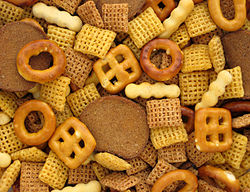
A ______________ mixture is when you can usually see the different parts and the can easily be separated.
a)
Heterogeneous
b)
Homogeneous
37.
Do EXTENSIVE properties depend on the amount of substance you have?
a)
Yes
b)
No
38.
Is a gas MORE or LESS COMPRESSIBLE than a liquid or solid?
a)
More
b)
Less
c)
They're all equally compressible
d)
You can't compress any of them
39.
Which of the following is NOT a chemical change?
a)
Charcoal burning
b)
Steel rusting
c)
Paper being shredded
d)
A newspaper yellowing in the sun
40.
Food being digested in the stomach
a)
Physical change
b)
Chemical change
41.
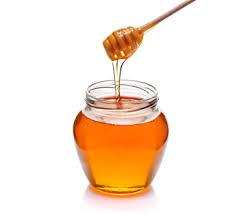
A _______________ mixture is when the parts of the mixture are evenly mixed and you can't see the different parts.
a)
Heterogenous mixture
b)
Homogeneous mixture
42.
A gas is a form of matter that
a)
has a definite volume
b)
is generally a liquid or solid at room temperature
c)
takes the shape and volume of its container
d)
is difficult to compress
43.
When iron and oxygen combine to form iron oxide,
a)
a physical change occurs
b)
a change of state occurs
c)
a change in mass occurs
d)
a chemical change occurs
100 %

