
 Worksheets
Long Quiz
Total questions: 40
Worksheet time: 30mins
Name
Class
Date
1.
a marble rolling down a hill is...
a)
potential energy.
b)
kinetic energy.
2.
Energy of motion is which type of energy?
a)
Potential
b)
Kinetic
c)
Sound
d)
Gravitational
3.
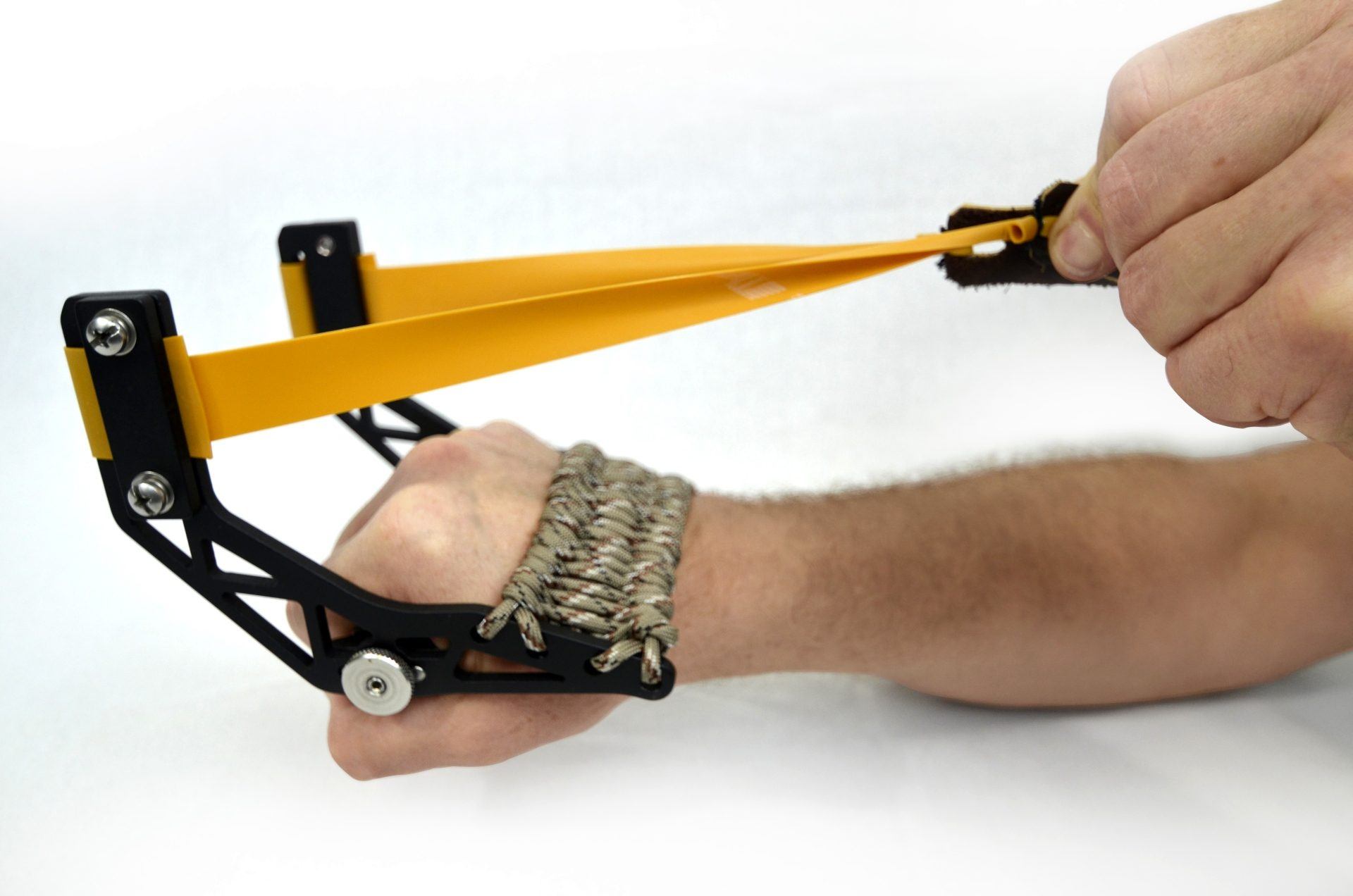
What type of energy is in this picture?
a)
Kinetic
b)
Potential
c)
Chemical
d)
Sound
4.
According to which law of energy, energy can't be created or destroyed?
a)
First law of motion
b)
The law of tacos
c)
Laws of Energy
d)
law of conservation of energy
5.
When a soccer ball is on a field, the energy it has just before being kicked is called
a)
kinetic energy
b)
potential energy
c)
mechanical energy
d)
chemical energy
6.

A battery converts what type of energy to another?
a)
sound to kinetic
b)
light to heat
c)
mechanical to electrical
d)
chemical to electrical
7.
Energy transformations occur when...
a)
energy is created through conduction
b)
energy changes from one form to another
c)
two forces slide together that are touching
d)
a chemical reaction takes place
8.

The roller coaster cart has the most gravitational potential energy at position-
a)
W
b)
X
c)
Y
d)
Z
9.
On a roller coaster, where is maximum kinetic energy?
a)
At the bottom of a big hill
b)
When going around a corner
c)
When going upside down
d)
At the top of a big hill
10.
Warm air rises and cool air sinks due to...
a)
Radiation
b)
Convection
c)
Conduction
11.

What is this a picture of?
a)
plate tectonics
b)
continental drift
c)
pangea
d)
glacier scaring
12.

Glossopteris fossils are found between where?
a)
India
b)
I really don't know 😭😂
c)
Antarctica
d)
All of them
13.

Who is the person credited with developing the theory of continental drift?
a)
Harry Hess
b)
Galileo
c)
Alfred Wegener
d)
Newton
14.

True or False: The plates will never stop moving
a)
True
b)
False
15.
Massive pieces of land that are part of the Earth's crust and upper mantle
a)
Tectonic plates
b)
Trenches
c)
Divergent boundary
d)
Continental shelves
16.
The thinnest layer of the Earth is?
a)
Mantle
b)
Lithosphere
c)
Athenosphere
d)
Crust
17.
What happens to pressure as we move from the crust to the inner core?
a)
Pressure Decreases
b)
Pressure Increases
c)
Nothing
18.
What happens to temperature as we move from the crust to the inner core?
a)
Decreases
b)
Increases
19.
This layer of Earth is solid Iron and Nickel
a)
Outer Core
b)
Mantle
c)
Inner Core
d)
Crust
20.
This layer of Earth is the thickest part
a)
crust
b)
outer core
c)
mantle
d)
inner core
21.
Which layer of Earth is LIQUID?
a)
upper mantle
b)
lower mantle
c)
outer core
d)
inner core
22.

Name the boundary
a)
convergent boundary
b)
divergent boundary
c)
transform boundary
d)
sergent boundary
23.

Name the boundary
a)
convergent boundary
b)
divergent boundary
c)
transform boundary
d)
sergent boundary
24.

Name the boundary
a)
convergent boundary
b)
divergent boundary
c)
transform boundary
d)
sergent boundary
25.
What is the area directly above the spot where the Earthquake actually occurs? (It is on Earth's surface.)
a)
Epicenter
b)
Focus
c)
Fault
d)
Triangulation
26.
An instrument that detects and measures earthquakes is a
a)
seismogram
b)
focus seismic map
c)
focus
d)
seismograph
27.

Many earthquakes happen along the borders of...
a)
Countries
b)
Tetonic Plates
c)
Climate Zones
d)
None of the above.
28.
Earthquakes under the water can cause _________________________________.
a)
tornadoes
b)
tsunamis
c)
lightening
d)
hailstorms
29.

This area is responsible for 90% of all earthquakes in the world and contains numerous faults:
a)
Indian Ocean
b)
English Canal
c)
The Ring of Fire
d)
Mid-Atlantic Ridge
30.
The momentum for any object is calculated by
a)
dividing mass by velocity.
b)
multiplying mass by velocity.
c)
multiplying mass by acceleration.
d)
dividing force by acceleration.
31.
An impulse is equivalent to
a)
the change in mass of an object.
b)
the change in volume of an object.
c)
a force applied to an object for a period of time.
d)
a force applied to an object for a period of time.
32.

Volcanoes are openings in the
a)
Ocean floor
b)
Earth's surface
c)
moon's crust
d)
cave
33.

Ocean waves can cause the _____________ to erode.
a)
Coastline
b)
Farm Field
c)
Highway
d)
The Rocky Mountains
34.

Hot liquid rock which is under the earth's surface is called...
a)
Lava
b)
Sludge
c)
Magma
d)
Meteor
35.

When the magma erupts from the volcano and runs down the side of the volcano it is called ...
a)
Lava
b)
Fire water
c)
Pollution
d)
Magma
36.
____________the condition of the atmosphere at a given time or place/ (Cloudy, Sunny, rain, sleet, snow…
a)
weather
b)
Clouds
c)
Lightning
d)
tornado
37.
Atmosphere: two most abundant gases are _________78% and _________ 21%
a)
Nitrogen, Oxygen
b)
Ozone, Oxygen
c)
Convection, Ozone
d)
Ozone, Nitrogen
38.

6. A shaking or trembling of the earth that is volcanic or tectonic in origin
a)
Eruptions
b)
Landslides
c)
Earthquakes
d)
Thunderstorm
39.

1. An occasion when the sun looks like it is completely or partially covered with a dark circle because the moon is between the sun and the Earth.
a)
Flood
b)
Eclipse
c)
Lightning
d)
Tsunami
40.
5.A prolonged period without rainfall that leads to a lack of water.
It hasn't rained for 3 months straight and the ______ began to kill our crops.
It hasn't rained for 3 months straight and the ______ began to kill our crops.
a)
Forest Fire
b)
Epidemic
c)
Heatwave
d)
Drought
100 %

