
 Worksheets
Cell Theory/Levels of Organization
Total questions: 20
Worksheet time: 14mins
Name
Class
Date
1.
The ___ is the basic unit of structure and function of organisms.
a)
atom
b)
cell
c)
matter
d)
all other answers are correct
2.
Which statement is a part of the cell theory?
a)
all cells come from preexisting cells
b)
bacteria are prokaryotic cells
c)
eukaryotic cells are complex
d)
humans are multicellular
3.
Who looked at cork and named the cell?
a)
Robert Hooke
b)
Van Leeuwenhoek
c)
Robert Brown
d)
Francesco Redi
4.
The Cell Theory states...
a)
atoms create all matter
b)
living things evolve
c)
the cell is the backbone of all matter
d)
cells are the basic unit of structure and organization of organisms
5.
"All animals are made of cells". This fact was discovered by...
a)
Matthias Schleiden
b)
Theodor Schwann
c)
Robert Hooke
d)
Rudolf Virchow
6.
All plants are made of cells. This was discovered by....
a)
Matthias Schleiden
b)
Rudolf Virchow
c)
Robert Hooke
d)
Aristotle
7.

Robert Hooke, Anton van Leeuwenhoek, Theodor Schwann, Rudolf Virchow, and Matthias Schleiden were all responsible for what theory?
a)
The Theory of Gravity
b)
The Theory of Relativity
c)
The Cell Theory
d)
The Theory of Continental Drift
8.
What tool do you use to view the cells?
a)
metric ruler
b)
centrifuge
c)
microscope
d)
pipette
9.
Which of the following is NOT a cell theory.
a)
All non-living things are made of cells
b)
All cells come from pre-existing cells
c)
Cells are the basic unit of structure and function of all living things
10.
Rocks are not living because
a)
they never move
b)
they aren't needed for humans
c)
they are not made of cells
d)
they don't break down
11.

Which scientist did NOT contribute to the cell theory?
a)
Anton Van Leeuwenhoek
b)
Robert Hooke
Robert Hooke
c)
Albert Einstein
d)
Matthias Schleiden
Matthias Schleiden
12.

Cells are often called "the ____ of life."
a)
bread
b)
road map
c)
building blocks
d)
meaning
13.
The ___________ is the basic unit of life
a)
organ
b)
cell
c)
atom
d)
tissue
14.
A group of tissues that perform a similar function is called_____. (Examples include the heart, lungs or stomach)
a)
cells
b)
tissues
c)
organs
d)
organ system
15.
When many organ systems work together it can form...
a)
organ
b)
cells
c)
organ system
d)
organism
16.
A group of cells that have similar functions? Examples are nervous, epithelial, muscle and connective
a)
cells
b)
tissues
c)
organs
d)
atoms
17.
What is the correct order of organization
a)
tissues-cells-organs-organ systems-organism
b)
cell-tissue-organs-organ systems-organism
c)
organism-cells-tissues-organ systems-organism
d)
tissues-cells-organs-organ sytems-organism
18.
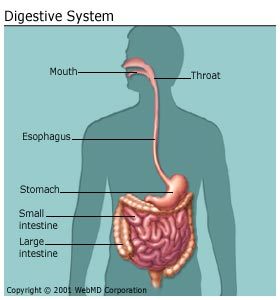
This is a example of........
a)
organ system
b)
cells
c)
organ
d)
tissue
19.
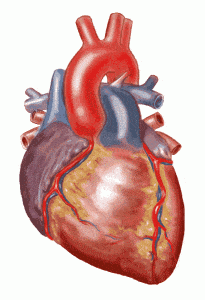
This is a example of ........
a)
cell
b)
organ system
c)
organ
d)
tissue
20.
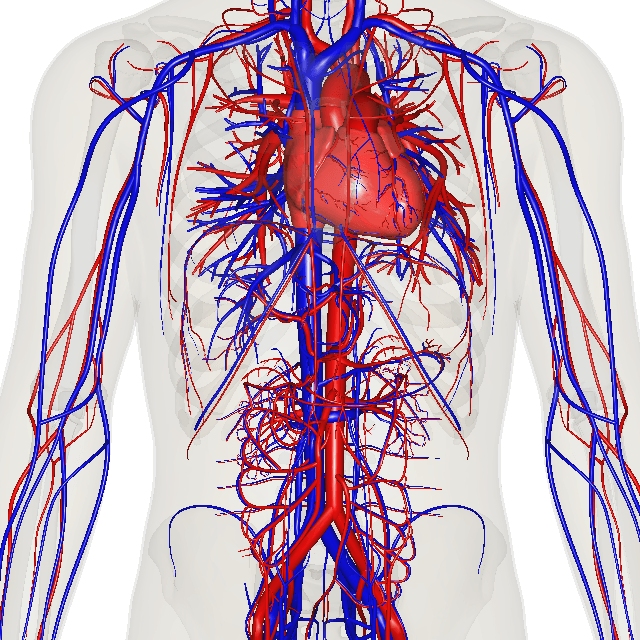
This is a example of ........
a)
organ
b)
organ system
c)
tissue
d)
cell
100 %

