
 Worksheets
Plant Science
Total questions: 65
Worksheet time: 48mins
Name
Class
Date
1.

Look at the picture. What is the name of the flower part labelled 4?
a)
Sepal
b)
Petal
c)
Filament
d)
Anther
2.

Look at the picture. What is the name of the flower part labelled 6?
a)
Sepal
b)
Anther
c)
Stigma
d)
Leaf
3.

Look at the picture. What is the name of the flower part labelled 8?
a)
Ovary
b)
Ovule
c)
Style
d)
Carpel
4.

Look at the picture. What is the name of the plant part labelled 1?
a)
Stem
b)
Axil
c)
Lateral bud
d)
Terminal bud
5.
Look at the picture. What is the name of the plant part labelled 2?
a)
Flower stalk
b)
Axillary bud
c)
Node
d)
Stem
6.
Look at the picture. What is the name of the plant part labelled 3?
a)
Tap root
b)
Leaf
c)
Root cap
d)
Petiole
7.
Look at the picture. What is the name of the plant part labelled 5?
a)
Petiole
b)
Lateral shoot
c)
Leaf
d)
Nodal leaf
8.
Look at the picture. What is the name of the plant part labelled 7?
a)
Carpel
b)
Flower
c)
Leaflet
d)
Bud
9.
Look at the picture. What is the name of the plant part labelled 8?
a)
Flower
b)
Flower
c)
Flower shoot
d)
Terminal bud
10.

Look at the picture. What is the name of the flower part labelled 1?
a)
Anther
b)
Stamen
c)
Stigma
d)
Style
11.
A seed's job is to do what?
a)
To create a new plant
b)
To be eaten
c)
To create food
d)
To hold the plant up
12.
This structure makes food for the plant.
a)
Roots
b)
Stems
c)
Leaves
d)
Fruit
13.
Which is NOT a job of the root?
a)
To take in water
b)
To make food
c)
To take in nutrients
d)
To hold the plant in place
14.

A flowering plant with leaves that have parallel veins and flower parts that are usually in multiples of threes are called what?
a)
Gymnosperms
b)
Angiosperms
c)
Dicots
d)
Monocots
15.

Plants with leaves that are not veined and the flowering parts usually in fours or fives are called what?
a)
Monocots
b)
Dicots
c)
Angiosperms
d)
Gymnosperms
16.
What is photosynthesis?
a)
A process that uses sunlight to make food food
b)
A process used by plants to multiply cells
c)
Chemical energy
d)
A process used by plants to move nutrients to leaves
17.

What is the purpose of petals on a flower?
a)
To attract pollinators to transfer their pollen to other flowers
b)
To soak in sunlight for photosynthesis
c)
To make seeds to reproduce more plants
d)
To camouflage insects
18.
What is the name of the process in which the plant breaks apart sugars to use as food energy?
a)
Respiration
b)
Photosynthesis
c)
Epidermis
d)
Stomata
19.
The 2 main functions of stems are to do what?
a)
Store food and move water up to leaves
b)
Movement of materials and support of plant parts
c)
To make food and store it for future use
d)
Provide food for humans and other animals
20.
What is the function of the xylem?
a)
To transport sugars down from the leaves
b)
To transport sugars up from the roots
c)
To transport water down from the leaves
d)
To transport water up from the roots
21.
Which is not a function of the root?
a)
Absorb water and nutrients.
b)
Anchor the plant
c)
Photosynthesis
d)
Store Food
22.
What is Pollination?
a)
The joining of the pollen and egg
b)
Transfer of pollen from anther to stigma
c)
Making food from sunlight
d)
Sweating excess water from the leaves
23.
Which is not a function of the leaves?
a)
Transpiration
b)
Photosynthesis
c)
Stores Food
d)
Structure
24.
What is transpiration?
a)
Making food from sunlight
b)
Plant releasing excess water through its leaves
c)
Plant sprouting
d)
Roots growing
25.
What does germination mean?
a)
Plant dying
b)
Plant sprouting
c)
Plant making food
d)
Plant sweating
26.
What is a seed leaf called?
a)
Epicotyl
b)
Petiole
c)
Bud
d)
Cotyledon
27.
Self pollination is when a plant pollinates itself?
a)
True
b)
False
28.
A potato is a
a)
Root
b)
Stem
c)
Flower
d)
Leaf
29.
An artichoke is
a)
Stem
b)
Leaf
c)
Flower
d)
Root
30.
Seed bearing organ of a flower
a)
Pistil
b)
Node
c)
Internode
d)
Embryo
31.
Part of the flower producing pollen
a)
Phloem
b)
Xylem
c)
Anther
d)
Fertilization
32.
Vascular tissue that moves water and nutrients from roots to leaves
a)
Monocot
b)
Phloem
c)
Xylem
d)
Dicot
33.
The growth of cells derived from living tissues in an artificial medium is
a)
Grafting
b)
Cutting
c)
Layering
d)
Tissue Culture
34.
The process by which a seed becomes a plant
a)
Photosynthesis
b)
Germination
c)
Propagation
d)
Fertilization
35.
A method of using cut segments placed in a growing media to create a new plant is
a)
Division
b)
Layering
c)
Cutting
d)
Crafting
36.
Which type of reproduction produces offspring that are genetically identical to the parent plant?
a)
Asexual
b)
Sexual
37.
Reproduction by splitting apart roots or root systems is called
a)
division
b)
grafting
c)
cutting
d)
layering
38.
The process of increasing the numbers of a species
a)
Germination
b)
Propagation
c)
Photosynthesis
d)
Transpiration
39.
What process occurs when light energy is captured in autotrophs and converted into sugar?
a)
Photosynthesis
b)
Cellular Respiration
40.
What is photosynthesis?
a)
The process in which humans eat their food
b)
When a photographer takes a photo.
c)
To get your pictures from the photo lab.
d)
The process in which plants make their food.
41.
What is transpiration?
a)
Excess water being released from the leaves
b)
Excess sugar being released from the leaves
c)
The way a plant makes its food
d)
When the plant uses sugar for energy
42.

Which part of a plant is responsible for transpiration?
a)
leaves
b)
stem
c)
roots
d)
flower
43.
Type of modified stem that is thickened, compact and fleshy
a)
Corms
b)
Bulb
c)
Tubers
d)
Rhizomes
44.
Type of modified stem that is thickened and stores carbohydrates underground.
a)
Corms
b)
Tuber
c)
Rhizomes
d)
Bulb
45.

Bonus: Where is Ms. Hanby from?....O-H-
a)
OHIO
b)
Kansas
c)
Oklahoma
d)
Idaho
46.
Which type of asexual propagation is when you cut a plant in half to create 2 individual plants?
a)
Cutting
b)
Grafting
c)
Tissue Culture
d)
Division
47.
In asexual reproduction, all of the offspring are:
a)
Physically Identical
b)
Genetically Identical
c)
Physically and Genetically Identical
d)
Not Identical
48.
Which type of asexual propagation uses a small piece of the plant and grows in a sterile environment?
a)
Grafting
b)
Cutting
c)
Layering
d)
Tissue Culture
49.
Which is NOT one of the 4 major parts of a plant
a)
Stem
b)
Soil
c)
Leaf
d)
Flower
50.
The part of the plant that water travels up through.
a)
xylem
b)
phloem
c)
seed
d)
stigma
51.
What part of the seed helps to protect the embryo?
a)
embryo
b)
seed coat
c)
root
d)
leaves
52.
What structure helps to anchor the plant in the soil?
a)
leaf
b)
flower
c)
stem
d)
root
53.
Transporting sugar from the leaf down to the roots is done by the __________
a)
xylem
b)
phloem
c)
cotyledon
d)
pallisade cells
54.
Contains the male reproductive cells of the plant
a)
hypocotyl
b)
radical
c)
pollen
d)
ovule
55.
The female reproductive cells are found in the ___________
a)
seed
b)
pollen
c)
ovule
d)
root
56.
What is the site of photosynthesis, respiration and transpiration?
a)
leaves
b)
stems
c)
roots
d)
seeds
57.
What is the knob at the end of the filament on the stamen where pollen is made?
a)
anther
b)
stigma
c)
pistil
d)
style
58.
What is the stalk that connects the anther to the flower and is part of the stamen?
a)
filament
b)
stigma
c)
style
d)
pistil
59.
What is the female organ of the flower?
a)
stamen
b)
pistil
c)
anther
d)
xylem
60.
What is the part of the pistil that contains ovules which contain eggs?
a)
stigma
b)
style
c)
filament
d)
ovary
61.
What is inside the ovary and contains egg cells and becomes the embryo in the seed?
a)
stamen
b)
pistil
c)
stigma
d)
ovule
62.
What is the sticky top of the pistil where pollen grains land during pollination?
a)
anther
b)
filament
c)
stigma
d)
style
63.
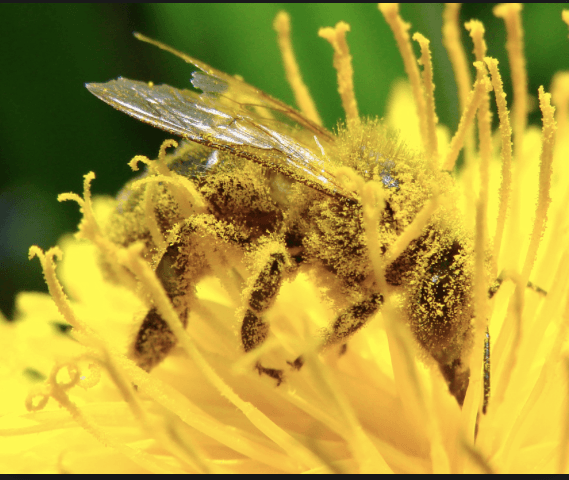
Pollination is the process by which pollen
a)
causes people to sneeze
b)
is formed inside a plant
c)
moves from stamen to pistil
64.
Dicotyledons have all of the following characteristics EXCEPT _____.
a)
flower parts in multiples of 4 or 5
b)
scattered vascular bundles
c)
netted veins in the leaves
d)
two seed leaves
65.
Monocotyledons have all of the following characteristics EXCEPT _____.
a)
flower parts in multiples of 3
b)
parallel veins in the leaves
c)
one seed leaf
d)
vascular bundles arranged in a circle
100 %

