
 Worksheets
World Geography 9 Week Checkpoint Review
Total questions: 30
Worksheet time: 1hrs 1mins
Name
Class
Date
1.
Why do we experience the changing of the season on the earth?
a)
distance from the sun
b)
rotation of the earth
c)
change in solar output
d)
tilt of the earth's axix
2.

What happens when the area in which you live tilts away from the sun?
a)
It is summer.
b)
It is spring.
c)
It is winter.
d)
It is fall.
3.

The hydrologic cycle continuously recycles _______ through Earth's systems.
a)
rocks
b)
water
c)
oxygen
d)
carbon dioxide
4.
A tsunami is a ____________.
a)
tidal wave
b)
sound wave
c)
seismic sea wave
d)
gamma ray
5.
The location of one place in relation to another is called __________.
a)
absolute location
b)
relative location
c)
directions
d)
map scale
6.
Which of the following is NOT a factor that affects weather?
a)
Precipitation
b)
Longitude
c)
Wind
d)
Temperature
7.
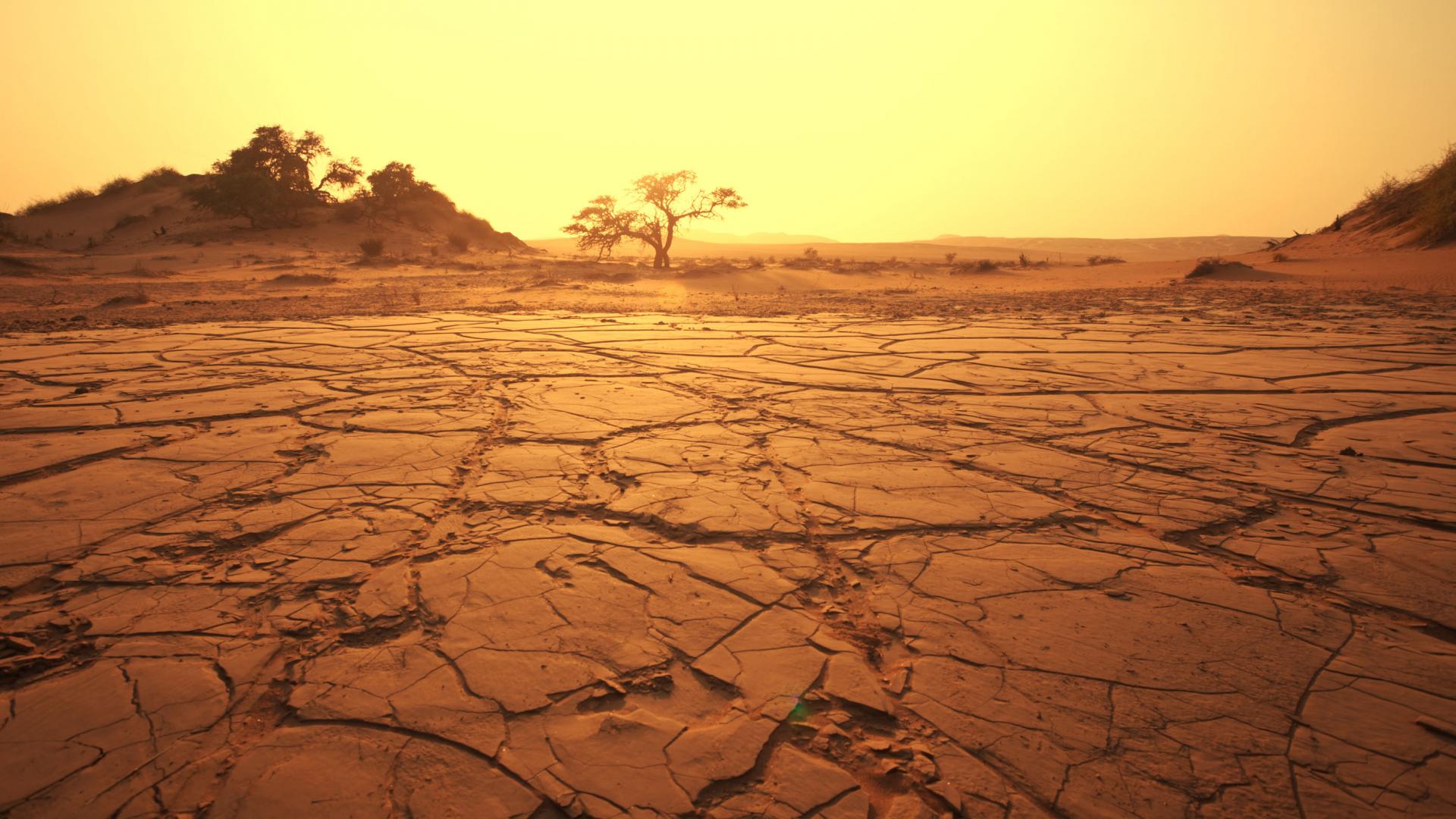
Which biome is the driest?
a)
Desert
b)
Tundra
c)
Taiga
d)
Rainforest
8.
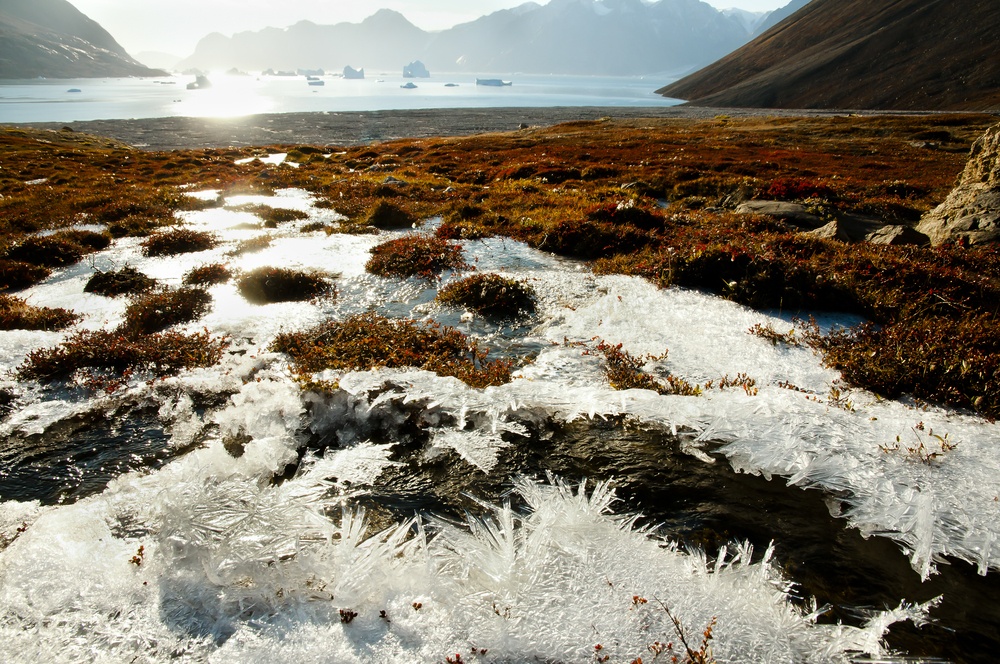
Which Biome has permafrost?
a)
Temperate Forest
b)
Rainforest
c)
Taiga
d)
Tundra
9.
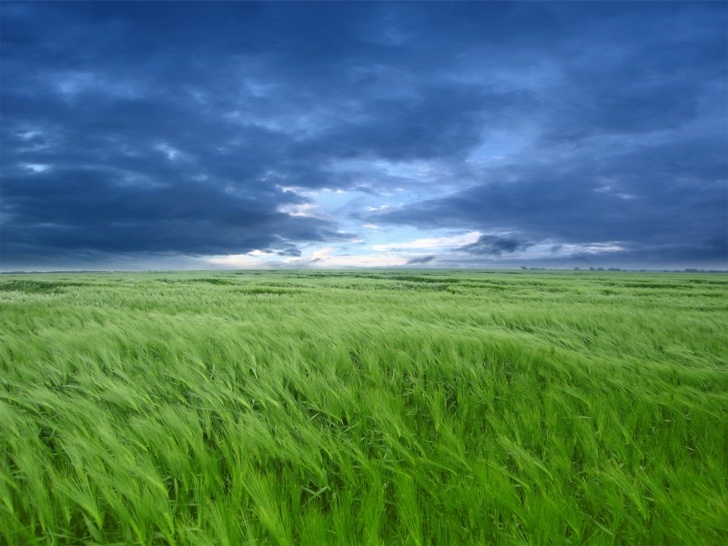
Which biome has wide-open fields of grass?
a)
Taiga
b)
Grasslands
c)
Temperate Forest
d)
Rainforest
10.
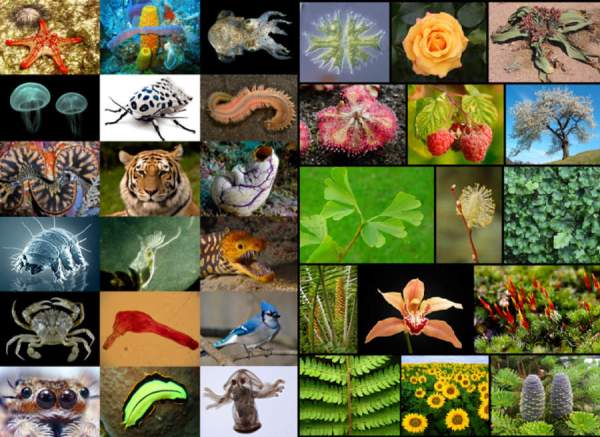
Which biome has the most variety of plants and animals?
a)
Temperate Forest
b)
Rainforest
c)
Tundra
d)
Grasslands
11.
A large amount of wet soil and rock that slides down a steep slope
a)
landslide
b)
volcano
c)
avalanche
d)
mudslide
12.
The El Nino will cause what kind of weather in the southern US?
a)
cold and dry
b)
cold and wet
c)
warm and wet
d)
warm and dry
13.
La Nina will cause the weather in Texas to be
a)
warm and wet
b)
cold and wet
c)
cold and dry
d)
warm and dry
14.
What is a rapidly spinning column of air that has high winds, low pressure, and touches the ground?
a)
Thunderstorm
b)
Hurricane
c)
Tornado
d)
Cyclone
15.

When two tectonic plates are moving toward each other, the boundary between them is called...
a)
Divergent boundary
b)
Convergent boundary
c)
Transform boundary
d)
Subduction
16.
What makes up Human Features
a)
Culture
b)
Economics
c)
Government
d)
All of these
17.

The division of the U.S. into nine regions by the Census Bureau is an example of a:
a)
climatic region.
b)
formal region.
c)
functional region.
d)
vernacular region.
18.

Line that separates the world into the southern and northern hemispheres
a)
Prime Meridian
b)
Equator
c)
International Date Line
d)
Tropic of Cancer
19.

The 0 degree line of longitude
a)
equator
b)
prime meredian
c)
bisection line
d)
hemispheric navigator
20.
How do warm-water currents affect the coastal areas along which they flow?
a)
Cool the coast
b)
Warm the coast
c)
Cause snow to fall
d)
Cause higher tides
21.

What effect do the Escarpments of Africa have on the environment?
a)
Keeps water in the interior
b)
Blocks rain from the interior; drying out the interior
c)
Prevents the free flow of birds and animals
d)
Prevented human migration from the interior to the coasts
22.

The diagram below shows the position of the cities of SEattle and Spokane, Washington. Both cities are located at approximately 48° North latitude, and they are separated by the Cascade Mountains.
How does the climate of Seattle compare with the climate of spokane?
How does the climate of Seattle compare with the climate of spokane?
a)
Seattle- hot and dry
Spokane- cool and humid
Spokane- cool and humid
b)
Seattle- hot and humid
Spokane- cool and dry
Spokane- cool and dry
c)
Seattle- cool and humid
Spokane- warm and dry
Spokane- warm and dry
d)
Seattle- cool and dry
Spokane- warm and humid
Spokane- warm and humid
23.
What question does the theme: Human Environment Interaction ask?
a)
How do humans negatively impact the earth?
b)
What is the relationship between humans and the environment?
c)
How are humans and their environment similar?
24.

Cultural diffusion is best described as...
a)
sharing music from one culture to another
b)
Cultural margarine
c)
the spreading of religion
d)
the spreading of ideas, languages, and traditions from one culture to another
25.

Which of the following is NOT a part of culture?
a)
History
b)
Weather
c)
Language
d)
Food
26.

The geographical concept which applies most to this image is
a)
Sustainability
b)
Space
c)
Interconnection
d)
Change
27.
What refers to cultures avoiding one another?
a)
Convergence
b)
Divergence
c)
Globalization
d)
Innovation
28.
What is a new idea that a culture accepts?
a)
Diffusion
b)
Globalization
c)
Fundamentalism
d)
Innovation
29.
The sphere that includes all living organisms on Earth is called
a)
biosphere
b)
hydrosphere
c)
atmosphere
d)
geosphere
30.

The level of ecology that contains the combined portions of the planet in which all life exists, including land, water, and air or atmosphere.
a)
biosphere.
b)
ecosystem.
c)
community.
d)
biome.
100 %

