
 Worksheets
Fossils Review
Total questions: 22
Worksheet time: 11mins
Name
Class
Date
1.
Scientists who study fossils are called
a)
Geologists
b)
Paleontologists
c)
Fossil Scientists
d)
Meteorologists
2.
An organism that no longer exists on Earth is called
a)
Decayed
b)
Evolved
c)
Extinct
d)
Preserved
3.

What type of fossil is this?
a)
Mold
b)
Cast
c)
Preserved remains
d)
Trace fossil
4.

What type of fossil is this?
a)
Trace fossil
b)
Mold
c)
Cast
d)
Carbon film
5.
Fossils are usually found in
a)
igneous rock
b)
extrusions
c)
intrusions
d)
sedimentary rock
6.

Which of the following is NOT an example of a fossil?
a)
a petrified dinosaur bone
b)
a footprint captured in mud
c)
a seashell found on the beach
d)
an insect stuck in amber
7.
Which of the following is NOT something you could learn from a fossil?
a)
The size of the animal
b)
What the animal ate
c)
The color of the animal
d)
Where the animal lived
8.
In order for a fossil to form, which of the following events must happen FIRST?
a)
Slowly, minerals in the water replace the bone.
b)
Sediment covers the bone.
c)
An animal dies.
d)
The bone is no longer a bone, but a rock copy.
9.

Why don't we know what many ancient plants looked like?
a)
They had too many soft parts.
b)
They were all eaten by dinosaurs.
c)
There weren't ancient plants.
d)
They had too many hard parts.
10.
Which statement BEST describes how the fossil bones of a dinosaur are formed?
a)
The dinosaur became trapped in amber.
b)
The dinosaur was covered in sediment.
c)
The dinosaur was frozen in ice.
d)
The dinosaur stepped in wet mud.
11.
Lily sees a skeleton of a dinosaur at a museum. What is true about the bones that make up the skeleton?
a)
The bones are made up of minerals.
b)
The bones are those of the dinosaur itself.
c)
The bones were formed from mud that hardened.
d)
The bones are made up of amber.
12.
Why are there more animal fossils than plant fossils?
a)
Animals eat plants.
b)
Plants are smaller than animals.
c)
Plants have softer body parts than animals.
d)
There were more ancient animals than ancient plants.
13.
A fossil animal has a mouth full of sharp, pointed teeth. What can you infer about the animal?
a)
The animal ate fruits and vegetables.
b)
The animal is closely related to a shark.
c)
The animal did not live on land.
d)
The animal ate meat.
14.
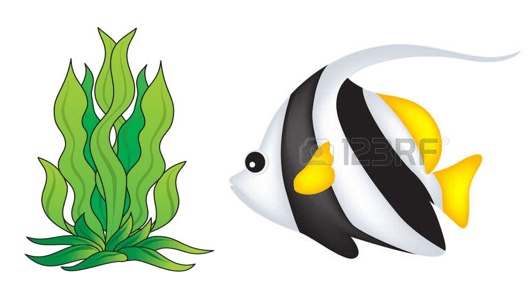
Suppose both of these living things die on the same day. Which one is more likely to become a fossil? EXPLAIN your answer!
a)
The plant because it is bigger.
b)
The fish because it has more hard parts than the plant.
c)
The plant because it is green.
d)
The fish because it has gills.
15.
I found a fossil of a fish in what is now a cow pasture. How is that possible?
a)
Somebody put the fossil there.
b)
The wind moved the fossil there over time.
c)
The cow pasture used to be underwater.
d)
It would not be possible to find a fossil of a fish in a cow pasture.
16.
What part of an animal will most likely become a fossil?
a)
Muscle
b)
Eyelash
c)
Bone
d)
Ear
17.

This type of fossil would include nests, eggs, feces, and footprints.
a)
cast
b)
mold
c)
preserved remains
d)
trace
18.

True or False...All living things that die become fossils.
a)
True
b)
False
19.

Which item below would INCREASE the chances of making a fossil?
a)
Soft body parts
b)
Buried Right Away
c)
Left Exposed
d)
Lots of Scavenger Activity
20.

When a scientist pours plaster into a mold, what type of fossil do they get?
a)
Trace Fossils
b)
Preserved Remains
c)
Cast Fossil
d)
They don't call that a fossil
21.
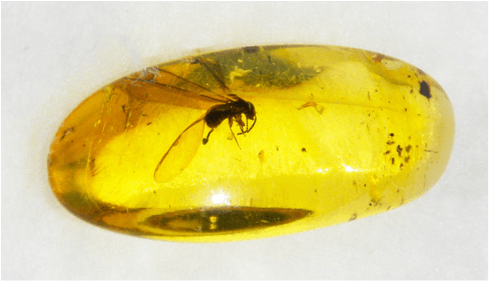
this material does an excellent job of preserving insect remains
a)
cast
b)
amber
c)
mold
d)
carbon film
22.

On top of Mt. Everest, there are fossilized remains of sea life; this tells us that the rocks at the top of world's highest mountain
a)
used to be above sea level
b)
used to be below sea level
c)
used to be on Mars
d)
came from an asteroid
100 %

