
NEW
Font size
S
M
L
XL
 Worksheets
Food Webs and Food Chains
Total questions: 26
Worksheet time: 24mins
Name
Class
Date
1.

What level consumer is the deer?
a)
Consumer 1
b)
Consumer 2
c)
Consumer 1 & 2
d)
Producer
2.

Which of the following best describes the blue bird's (in the middle) role in this ecosystem?
a)
carnivore
b)
omnivore
c)
herbivore
d)
decomposer
3.

Which of the following best describes the deer's role in the ecosystem?
a)
herbivore
b)
omnivore
c)
carnivore
d)
decomposer
4.

Which of the following best describes the wolf's role in this ecosystem?
a)
herbivore
b)
omnivore
c)
carnivore
d)
decomposer
5.
Bacteria and fungi typically serve what role in an ecosystem?
a)
herbivore
b)
carnivore
c)
omnivore
d)
decomposer
6.

What is a producer?
a)
an organism that gets energy from eating other organisms
b)
an organisms that uses sunlight to make its own food
c)
an organism that gets energy from eating dead organisms, non-living material or waste
d)
an organism that uses chemical energy to make its own food
7.

An organism that gets energy from eating other organisms is a ______________.
a)
producer
b)
consumer
c)
decomposer
d)
prey
8.

An organism that gets energy from breaking down dead organisms, non-living material or waste is a(an) ___________.
a)
producer
b)
consumer
c)
decomposer
d)
autotroph
9.

An animal that gets energy from eating both plants and animals is a(an) _____________.
a)
herbivore
b)
carnivore
c)
omnivore
d)
autotroph
10.

A connection of food chains with many food energy paths in an ecosystem is a ____________.
a)
ecosystem
b)
food web
c)
environment
d)
population
11.

The shrew provides energy for the _______.
a)
cricket
b)
grasshopper
c)
frog
d)
snake
12.

True or False. In this Food Web Pyramid the consumers on each level only get about 10 percent of energy that the plants have stored.
a)
True
b)
False
13.

The diagram is intended to show relationships in an ecosystem. What do the arrows represent?
a)
The direction of population migration
b)
Differences in dietary habits
c)
Progressively smaller organisms
d)
The direction of the energy flow
14.
Which one is NOT an example of a decomposer?
a)
mushroom
b)
leaves
c)
mold
d)
worm
15.
Frogs are considered...
a)
consumers
b)
decomposers
c)
producers
d)
composers
16.
Grass is considered a ...
a)
consumer
b)
producer
c)
decomposer
d)
composers
17.

What does a food chain represent?
a)
How all living organisms within a habitat are connected.
b)
All of the things that a particular animal eats.
c)
How plants create their own food.
d)
A single path of energy transfer within a habitat.
18.
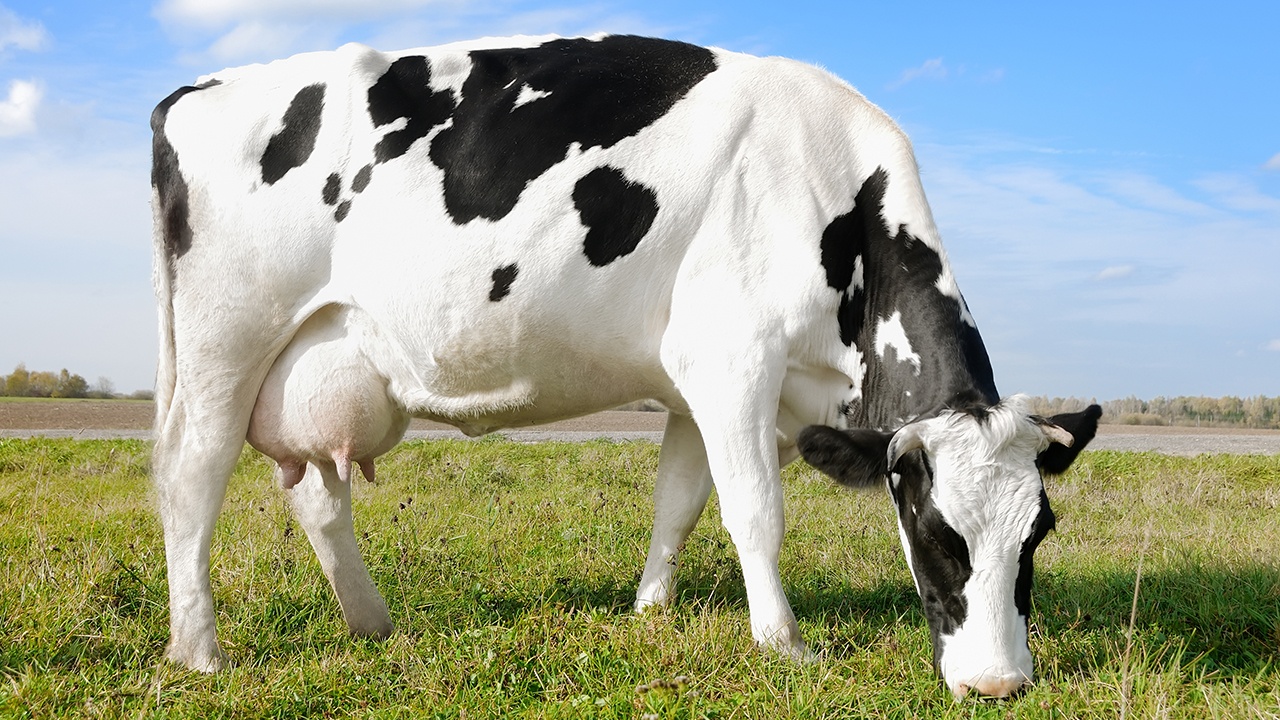
The image provided is an example of a(n):
a)
Autotroph
b)
Carnivore
c)
Herbivore
d)
Decomposer
19.
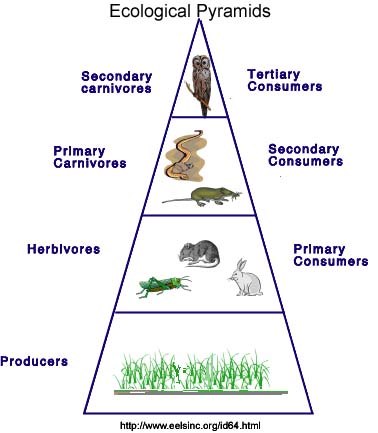
The largest group of organisms found in a food web would be:
a)
Primary Consumers
b)
Producers
c)
Decomposers
d)
Tertiary Consumers
20.
How much energy is available to be passed on to the next trophic level in an ecosystem?
a)
100%
b)
10%
c)
50%
d)
75%
21.
The arrows in a food chain or web represents what?
a)
They point to the organism that is being eaten.
b)
It shows how sunlight flows within an ecosystem.
c)
They show what direction the energy is flowing between organisms.
d)
They represent how water is transferred within a habitat.
22.
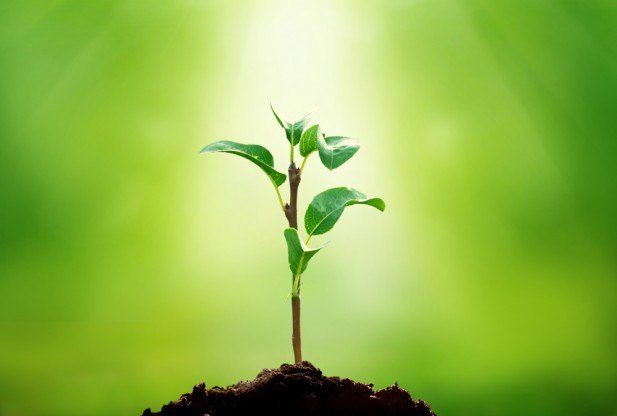
An organism that uses sunlight to create its own food is known as a:
a)
Producer
b)
Heterotroph
c)
Consumer
d)
Decomposer
23.
All energy on Earth ultimately comes from what source?
a)
Water
b)
Sun
c)
Consumers
d)
Oxygen
24.

If the grasshopper were to be removed completely from the food web, what organism would be most effected?
a)
The squirrel
b)
The shrew
c)
The deer
d)
The rabbit
25.

Which organism recieves the least amount of energy from the producer?
a)
Owl
b)
Grasshopper
c)
Lilypad
d)
Mouse
26.
Which is a producer?
a)
deer
b)
tall grass
c)
lion
d)
worm
Reset

