
NEW
Font size
S
M
L
XL
 Worksheets
Energy Unit Quiz
Total questions: 20
Worksheet time: 20mins
Name
Class
Date
1.
After cooking an egg in boiling water, you cool the egg by putting it into a bowl of cold water. Which of the following explains the egg's cooling process?
a)
Temperature is transferred from the egg to the water.
b)
Energy is transferred from the water to the egg.
c)
Energy is transferred from the egg to the water.
d)
Cold moves from the water into the egg.
2.
You pick up a can of soda off of the countertop. The countertop underneath the can feels colder than the rest of the counter. Which explanation do you think is the best?
a)
The cold has been transferred from the soda to the counter.
b)
There is no heat energy left in the counter beneath the can.
c)
Some heat has been transferred from the counter to the soda.
d)
The heat beneath the can moves away into other parts of the countertop.
3.
If you put a metal spoon and a wooden spoon into a pot of boiling water, one will become too hot to touch. Why?
a)
Metals conduct heat better than wood.
b)
Wood conducts heat better than metals.
c)
Metals pull in heat because heat is attracted to metals.
d)
Wood isn't as strong as metals.
4.
Which of the following shows an energy transformation from chemical energy to electrical to light energy?
a)
A bolt of lightning lights the night sky.
b)
A candle glows brightly in the dark.
c)
A fire in a fireplace lights up a room.
d)
A battery causes a flashlight to shine.
5.
People get energy from the food that they eat and transform that energy as they move. Which energy transformations occur as a student rapidly rubs the palms of his hands together?
a)
mechanical to thermal to electrical
b)
chemical to mechanical to thermal
c)
mechanical to chemical to sound
d)
chemical to sound to electrical
6.
Which of the following shows the correct order of the energy transformations that occur when green plants produce their food from the Sun’s energy?
a)
chemical to thermal
b)
light to chemical
c)
thermal to light
d)
chemical to electrical
7.
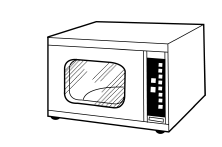
The picture shows a microwave oven. As a microwave oven is operated, electrical energy is transformed into all of the following types of energy EXCEPT —
a)
solar
b)
light
c)
thermal
d)
mechanical
8.

The roller coaster cart has the most gravitational potential energy at position-
a)
W
b)
X
c)
Y
d)
Z
9.
According to the Law of Conservation of Energy, energy cannot be _________ or ____________.
a)
destroyed, destroyed
b)
created, saved
c)
created, destroyed
d)
lost, found
10.

As the pendulum swings which remains constant?
a)
1
b)
2
c)
3
d)
4
11.
Electrical -> Mechanical -> Sound
a)
A triple beam balance measuring an object’s mass
b)
A pencil sharpener plugged into a wall outlet
c)
A projector displaying a diagram on the screen
d)
A working flashlight used to light up a dark corner
12.
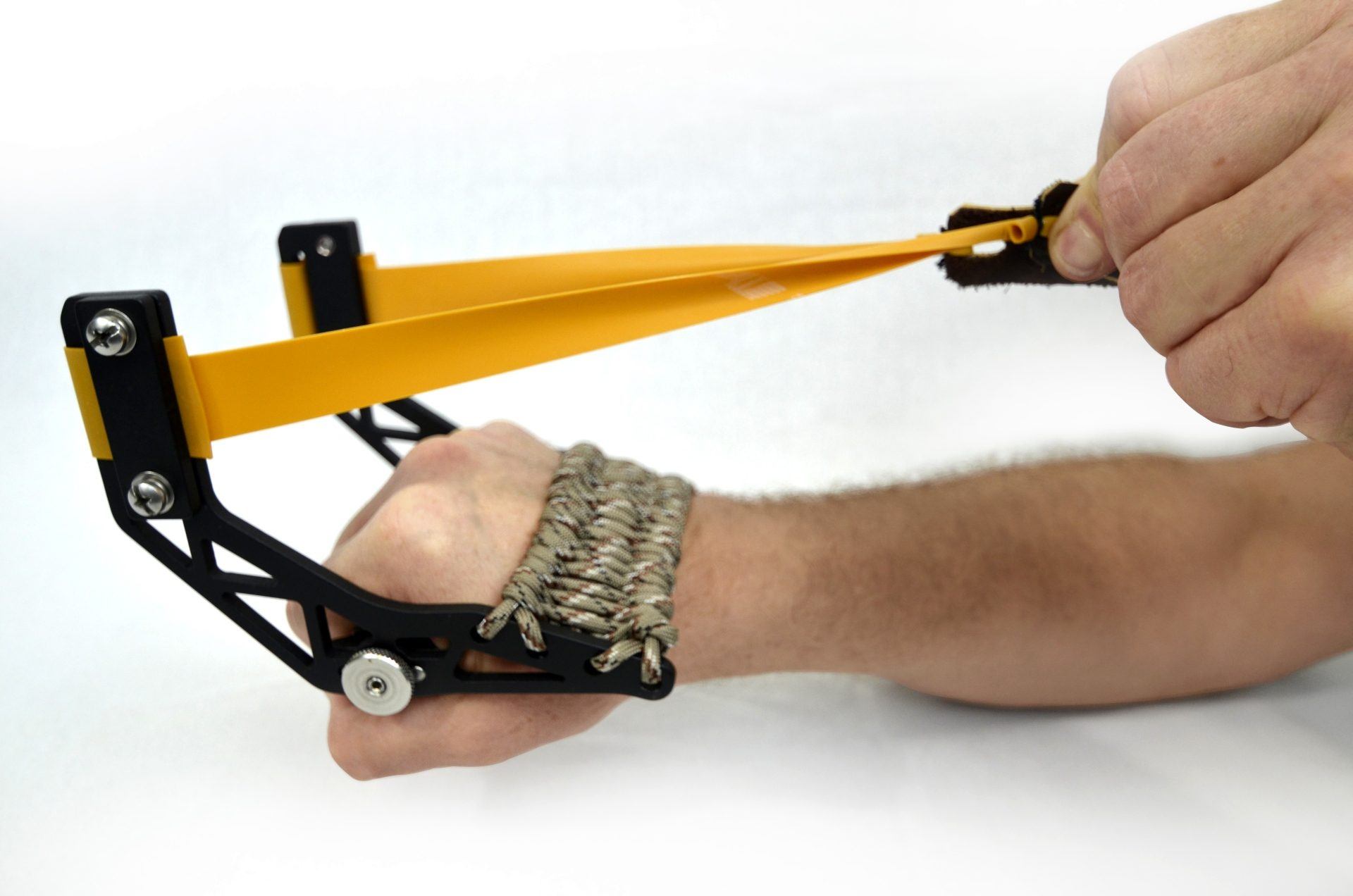
What type of energy is in this picture?
a)
Kinetic
b)
Gradational potential
c)
Chemical
d)
Elastic potential
13.

What kind of energy is represented in this picture?
a)
Thermal
b)
Potential
c)
Nuclear
d)
Mechanical
14.
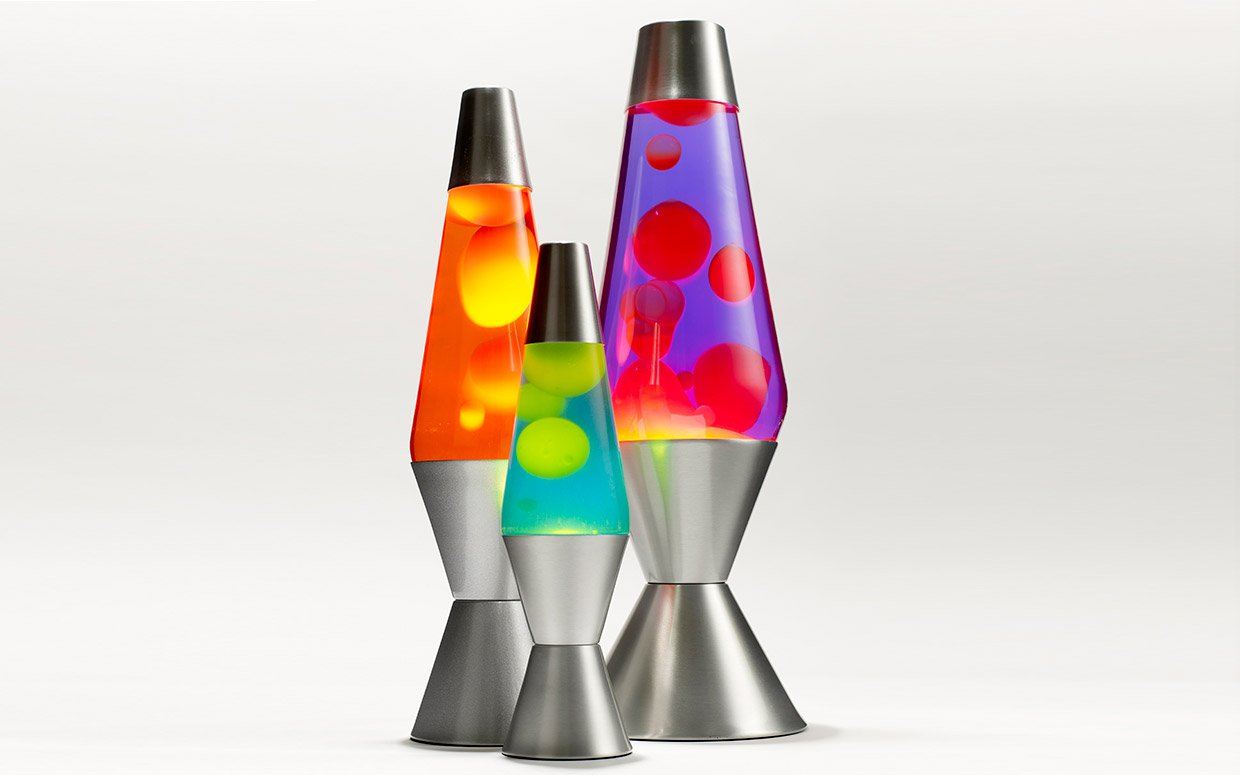
This is a lava lamp. When the light bulb heats the wax, the wax rises. When the wax cools, it falls. This cycle of rising/falling is an example of:
a)
Conduction.
b)
Convection.
c)
Radiation.
d)
Heat
15.

The baby chickens are kept warm from the heat lamps demonstrates this type of heat transfer.
a)
conduction
b)
convection
c)
radiation
d)
heat
16.
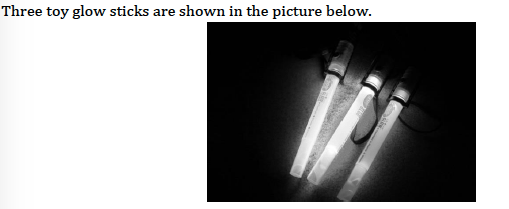
The glow sticks produce light for a short amount of time. The light from the glow stick is a conversion from what to what?
a)
thermal to light
b)
gravitational to potential
c)
radiant to electrical
d)
chemical to light
17.
Which is the best example of heat transfer by convection?
a)
frying bacon in a pan
b)
sea breeze at the beach
c)
melting ice in your hand
d)
burning your finger on the stove
18.
____________ is the ability to cause change.
a)
Energy
b)
Force
c)
Friction
d)
Motion
19.
Gravitational potential energy depends on the ________ and ________ of the object.
a)
Height and mass
b)
Friction and movement
c)
Mass and Movement
d)
Height and Friction
20.

Describe the energy at Position B.
a)
High Potential
b)
Low Kinetic
c)
High Kinetic
d)
Equal Potential and Kinetic
Reset

