
 Worksheets
Glaciers
Total questions: 18
Worksheet time: 10mins
Name
Class
Date
1.
As a glacier moves, it erodes the land. How many different ways can it do this?
a)
1
b)
2
c)
3
2.
What percent of land area on Earth is covered with glacial ice?
a)
15%
b)
10%
c)
70%
d)
3%
3.
An alpine/valley glacier generally forms in mountainous areas
a)
true
b)
false
4.
What is a bowl-shaped depression formed by glacial erosion?
a)
cirque
b)
arrete
c)
ice pack
d)
kettle
5.
What is an enormous mass of ice moving over land?
a)
glacier
b)
iceberg
c)
ice wedging
d)
dune
6.
Forms when a flowing glacier scoops out an area between two mountains.
a)
U-Shaped Valley
b)
Fjord
c)
Kettle
d)
Moraine
7.
This force causes the movement of glaciers
a)
pressure
b)
ice age
c)
gravity
d)
firn
8.
Glaciers often form V shaped valleys
a)
true
b)
false
9.
Glaciers only form near Earth’s poles.
a)
True
b)
False
10.
Glaciers are very large moving masses of ice.
a)
True
b)
False
11.
___________glaciers are growing, while __________ glaciers are shrinking.
a)
Retreating, advancing
b)
Advancing, retreating
12.
As a glacier moves and melts it leaves behind sediment. This sediment is called __________.
a)
cirque
b)
moraine
c)
till
d)kettle lake
13.
An accumulation of sediment on the sides of a glacier is called a _______.
a)
cirque
b)
moraine
c)
till
d)kettle lake
14.
glacial erosion causes ______ as it moves across the land?
a)
plucking and striations
b)
beaches and sand bars
c)
sea caves and headlands
d)
sand dunes and losses
15.
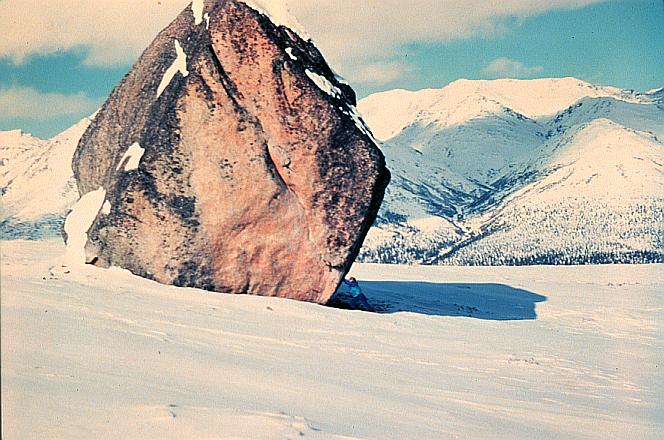
_____ are enormous boulders transported and deposited by glaciers, often far from their source region.
a)
Till
b)
Erratics
c)
Moraines
d)
Fjords
16.
_____ is the removal of large chunks of rock debris.
a)
Plucking
b)
Abrasion
c)
Weathering
d)
Erosion
17.
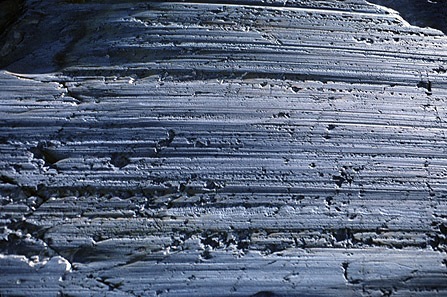
_____ are parallel scratch marks on bedrock
a)
Plucking
b)
Abrasion
c)
Straitions
d)
Till
18.
A _____ is a mass of ice that moves downhill due to its weight.
a)
glacier
b)
erratic
c)
fjiord
d)
moraine
100 %

