
 Worksheets
Greece vs Persia (Persian Wars)
Total questions: 20
Worksheet time: 10mins
Name
Class
Date
1.
In the 500s b.c., Persia ______.
a)
A.organized an army made up of slaves.
b)
B.built an empire about the size of the continental United States.
c)
C.organized city-states throughout its land.
d)
D.seized power from the Greeks and ruled the Mediterranean area.
2.
Around 600 b.c., a Persian religious teacher named Zoroaster began preaching that a single god named Ahura Mazda was the creator of all things.
a)
True
b)
False
3.
The Persian Empire was divided into ______.
a)
A.city-states and provinces
b)
B.provinces and districts
c)
C.states and counties
d)
D.provinces called satrapies
4.
The Persian Empire had a full-time professional army; Athens had a volunteer army.
a)
True
b)
False
5.
In the 400s b.c., the Persians tried to expand ______.
a)
A.in Europe and began by invading Greece
b)
B.in the east and invaded what is now Afghanistan
c)
C.in Africa and invaded North Africa
d)
D.in Europe and invaded Spain
6.
The Persians defeated the Greeks at Marathon.
a)
True
b)
False
7.
At the battle between Greeks and Persians at Thermopylae, ______.
a)
A.the Spartans and Athenians defeated the Persians
b)
B.the Persians won, although the Athenians fought until the end
c)
C.Spartans fought until the end, but the Persians won
d)
D.the Persians won the battle easily
8.
In the battle of Salamis ______.
a)
A.the Greeks had a larger navy and defeated the Persians
b)
B.the Persians defeated the Greeks with their faster ships
c)
C.the Persians gathered a large naval force and won the battle
d)
D.the Greeks defeated the Persian navy because they had smaller, faster ships
9.
After the Greeks defeated the Persians at Plataea, the Persians stopped trying to conquer Greece.
a)
True
b)
False
10.
Which of the following statements is true?
a)
A.Greek city-states united to prevent Persia from conquering Greece.
b)
B.Persian provinces sent volunteer soldiers to fight against Greece.
c)
C.In the Persian Empire, governors of satrapies were called ephors.
d)
D.Most Persians rejected Zoroaster's teachings.
11.
Who wrote History of the Persian Wars?
a)
A. Xerxes
b)
B. Herodotus
c)
C. Themistocles
d)
D. Cyrus
12.
Persian King Darius I
a)
A. did away with separate governors in each province
b)
B. sent the Zoroastrians into exile
c)
C. established a citizen army to serve during times of war
d)
D. reorganized the Persian government to make it more efficient.
13.
Cyrus the Great held his growing empire together by
a)
A. establishing harsh military rule
b)
B. limiting travel between provinces.
c)
C. treating conquered people fairly
d)
D. building strong fortresses in each conquered land.
14.
Under King Cyrus, in the 540s b.c., the Persian Empire conquered the lands of Anatolia, Syria, Canaan, and
a)
A. Athens
b)
B. Sparta.
c)
C. Crete
d)
D. Mesopotamia
15.
The 300 died at what battle?
a)
Palatea
b)
Marathon
c)
Thermopylae
d)
Salamis
16.
Which popular sporting activity resulted from the first battle of the Persian Wars?
a)
The Marathon
b)
The Triathlon
c)
The Olympics
d)
The Pentathlon
17.

The Persian Empire was victorious against _______ at the Battle of Thermopylae.
a)
Athens
b)
Sparta
c)
Macedonia
d)
Olympia
18.
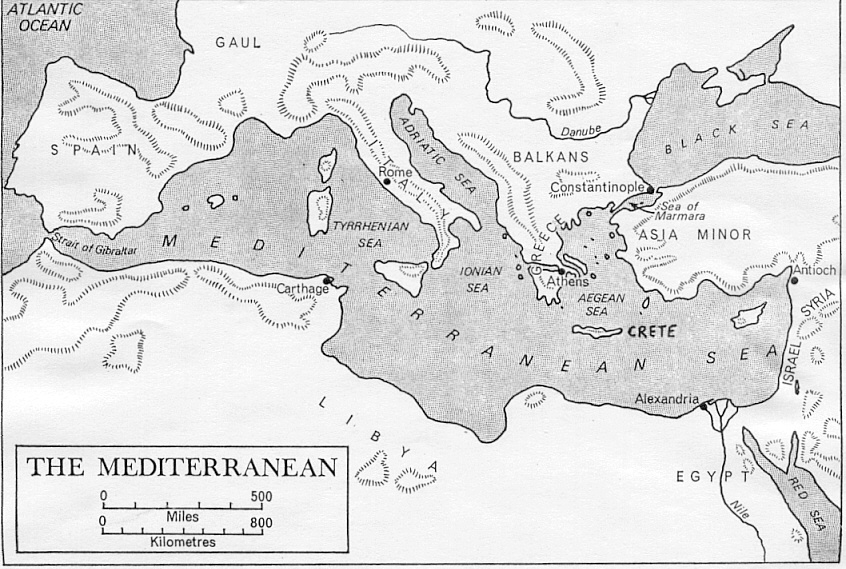
Ten years after the first battle in the Persian Wars, Darius' son Xerxes tried to conquer Greece once more.
Which Greek city-state helped Athens?
Which Greek city-state helped Athens?
a)
Mycenae
b)
Crete
c)
Sparta
d)
Troy
19.

Which of the following statements is true concerning the Persian Wars?
a)
The Persians defeated the Greek city-states
b)
Athens started its decline after the end of the war
c)
Sparta and Athens were united against the Persians
d)
Persian ideas were adopted by the Athenians
20.
The Spartan leader who led the Greek army at Thermopylae was
a)
Lycurgus
b)
Themistocles
c)
Leonidas
d)
Pheidippides
100 %

