
 Worksheets
fossils
Total questions: 178
Worksheet time: 3hrs 46mins
Name
Class
Date
1.

Which of the following is NOT an example of a fossil?
a)
a petrified dinosaur bone
b)
a footprint captured in mud
c)
a seashell found on the beach
d)
an insect stuck in amber
2.
Which of the following is NOT something you could learn from a fossil?
a)
The size of the animal
b)
What the animal ate
c)
The color of the animal
d)
Where the animal lived
3.
In order for a fossil to form, which of the following events must happen FIRST?
a)
Slowly, minerals in the water replace the bone.
b)
Sediment covers the bone.
c)
An animal dies.
d)
The bone is no longer a bone, but a rock copy.
4.

_____ is any living thing, plant or animal, even you!
a)
A paleontologist
b)
An organism
c)
A fossil
d)
A rock
5.
Lily sees a skeleton of a dinosaur at a museum. What is true about the bones that make up the skeleton?
a)
The bones are made up of minerals.
b)
The bones are those of the dinosaur itself.
c)
The bones were formed from mud that hardened.
d)
The bones are made up of amber.
6.
Facts and information that prove or show if something is true
a)
evidence
b)
fossil
c)
mineral
d)
cast
7.
In what kind of rock are most fossils are found?
a)
sedimentary
b)
igneous
c)
metamorphic
d)
minerals
8.
Rain washing away soil from a hillside
a)
Weathering
b)
Erosion
c)
Deposition
9.
Water getting into cracks, freezing, and breaking the rocks or pavement apart
a)
Weathering
b)
Erosion
c)
Deposition
10.
Deltas forming at the mouths of rivers
a)
Weathering
b)
Erosion
c)
Deposition
11.
The process of breaking up rocks on Earth's surface is called...
a)
sediment
b)
erosion
c)
weathering
d)
deposition
12.
Your teacher filled a box with sand. She put a fan at one end and turned the fan on. The sand was blown to the opposite side of the box and collected at that side. What processes was the teacher demonstrating?
a)
Weathering and erosion
b)
Weathering and deposition
c)
Erosion and deposition
d)
Chemical and mechanical weathering
13.
Weathering involves the movement of rocks and minerals by agents such as water, wind and gravity.
a)
True
b)
False
14.
The process of moving weathered rock and depositing it in another location is called?
a)
weathering
b)
erosion
c)
deposition
15.
The process of carrying away weathered bits of rocks is called
a)
weathering
b)
erosion
c)
deposition
16.
A mudslide flowing down a steep hill is called?
a)
Weathering
b)
Erosion
c)
Deposition
17.
Waves dropping sand on the beach is called?
a)
Weathering
b)
Erosion
c)
Deposition
18.
Water getting into cracks, freezing, and breaking the rocks or pavement apart is called?
a)
Weathering
b)
Erosion
c)
Deposition
19.
Deltas forming at the mouths of rivers is called?
a)
Weathering
b)
Erosion
c)
Deposition
20.
Wind blowing sand from one location to another is called
a)
Weathering
b)
Erosion
c)
Deposition
21.
Weathering and erosion are the same thing.
a)
True
b)
False
22.
A natural land feature on Earth's surface is called
a)
landform
b)
delta
c)
canyon
23.
Glaciers shape and carve away the land beneath them and can drastically reshape the landscape over hundreds or even thousands of years.
a)
True
b)
False
24.
Deposited material at the end of a river is called?
a)
landform
b)
delta
c)
canyon
25.

An avalanche is an example of which process?
a)
Weathering
b)
Erosion
c)
Deposition
d)
Volcanic Eruption
26.
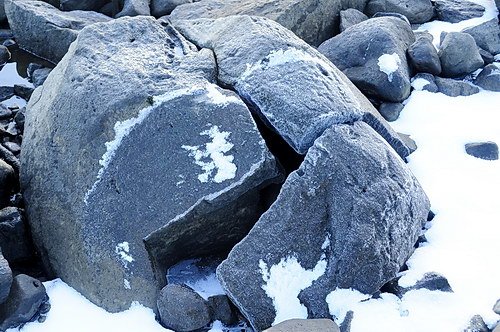
How does freezing water cause the weathering of rocks? The freezing water—
a)
keeps the rocks in place.
b)
makes the rocks last longer.
c)
expands cracks and breaks rocks.
d)
causes rocks to fall in landslides.
27.
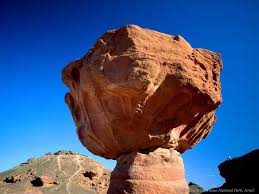
The process that breaks down rocks and other materials on Earth's surface is called
a)
Weathering
b)
Erosion
c)
Deposition
d)
Decomposition
28.

Over long periods of time, deposition may change the Earth’s surface by _____.
a)
forming new land features.
b)
breaking down large rocks into smaller ones.
c)
washing away beaches.
d)
moving topsoil.
29.

A cliff formed near the ocean. Which statement best describes how this cliff formed?
a)
Warm air melted the rock.
b)
Sun rays evaporated the rock.
c)
Ocean waves washed away rock.
d)
Plant roots pushed away the rock.
30.

What is the process that picks up and moves weathered rocks?
a)
Deposition
b)
Landslide
c)
Weathering
d)
Erosion
31.
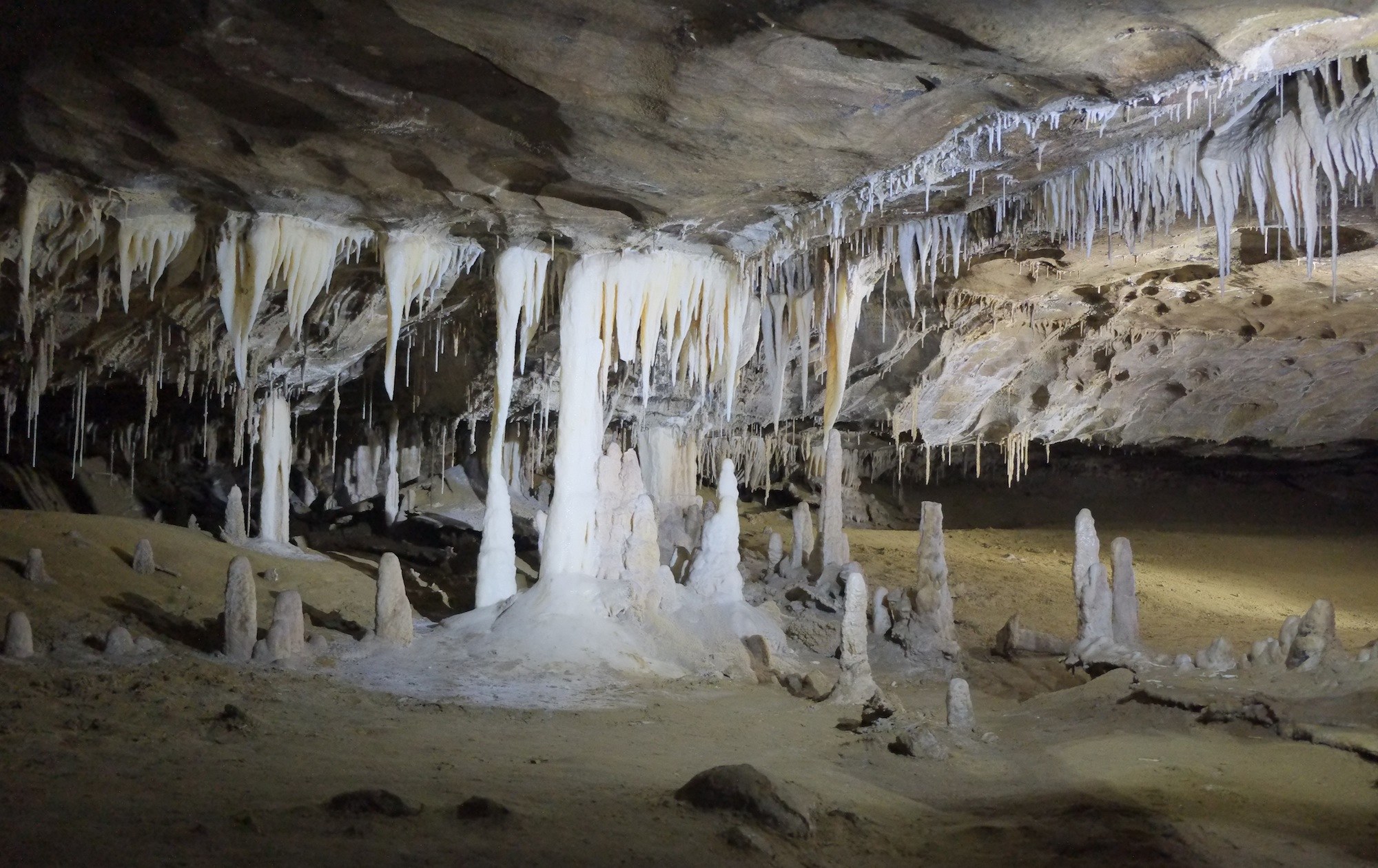
Deposition changes the Earth’s surface because bits of broken rock and soil _____.
a)
stop rivers from flowing.
b)
make rich farmlands.
c)
are dropped in new places.
d)
move very slowly.
32.

What causes the greatest erosion effect on our beaches?
a)
Waves
b)
Gravity
c)
Glaciers
d)
Wind
33.

The process by which water, ice, wind, or gravity moves weathered rock and soil from one place to another.
a)
Weathering
b)
Erosion
c)
Deposition
d)
Crop Rotation
34.

Which of these is an example of erosion?
a)
Light shining onto a mountain.
b)
Rain breaking down rocks on a mountain into smaller pieces.
c)
Wind blowing away sediment to a new place on the mountain.
d)
All of the above.
35.

Layers of sediment forming at the bottom of the ocean floor is an example of
a)
Weathering
b)
Erosion
c)
Deposition
d)
Awesome Science
36.
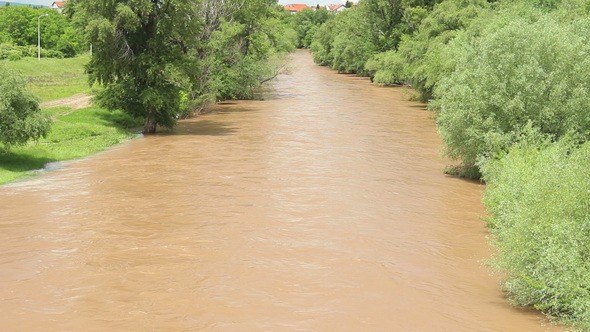
Muddy water being carried away by a fast-moving river is an example of
a)
Weathering
b)
Erosion
c)
Deposition
d)
A nice place to swim
37.

What is an enormous mass of ice moving over land, causing weathering of rock and soil?
a)
A glacier
b)
An iceberg
c)
An ice wedge
d)
A sand dune
38.
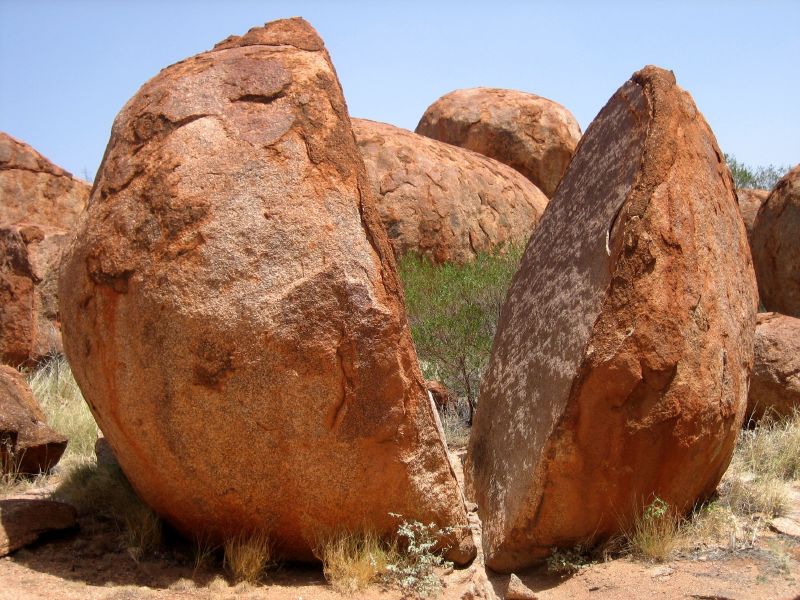
What is the wearing away or breaking down of rocks called?
a)
Deposition
b)
Erosion
c)
Glaciers
d)
Weathering
39.
What are the states of matter?
a)
solid, liquid, and juice
b)
solid and liquid
c)
solid and gas
d)
solid, liquid, and gas
40.

Which form of matter has a definite shape and takes up space (has definite volume)?
a)
liquid
b)
solid
c)
gas
d)
clay
41.

Which form of matter take the shape of a container like this juice?
a)
liquid
b)
solid
c)
glass
d)
gas
42.

Which form of matter fills the space like it has in the balloon?
a)
liquid
b)
string
c)
solid
d)
gas
43.
What is happening when my ice cream changes from a solid to a liquid?
a)
freezing
b)
melting
c)
burning
d)
evaporation
44.
What is happening when my water bottle in the freezer goes from a liquid state to a solid state?
a)
melting
b)
evaporating
c)
freezing
d)
cutting
45.
What happens when my glass of water is sitting in the sun and disappears into a gas?
a)
evaporation
b)
burning
c)
melting
d)
freezing
46.
Which form of matter does not take the shape of its container?
a)
liquid
b)
gas
c)
solid
d)
air
47.
Which state of matter has a fixed shape and volume and it's molecules move very slowly?
a)
Liquid
b)
Gas
c)
Solid
d)
Plasma
48.
Anything that has mass and takes up space is called
a)
volume
volume
volume
b)
matter
c)
magnetism
d)
electricity
49.
Which tool would be used to measure the mass of an object?
a)
balance
b)
graduated cylinder
c)
meter stick
d)
spring scale
50.
Volume is the amount of ______________________ in an object or substance.
a)
mass
b)
matter
c)
space
d)
particles
51.
A physical property is a characteristic of matter that can be ____________ or _______________ without changing the chemical composition.
a)
changed or measured
b)
observed or measured
c)
observed or changed
d)
measured or combusted
52.

Which of these tools could you use to measure a rock's mass?
a)
a ruler
b)
a pan balance
c)
a thermometer
d)
a graduated cylinder
53.

Which two objects sink in water?
a)
a penny and a craft stick
b)
a craft stick and an anchor
c)
a beach ball and a paper clip
d)
a seashell and a penny
54.

Which statement is true?
a)
The rubbing alcohol is denser than the dish soap.
b)
The rubbing alcohol is denser than the ping pong ball.
c)
The water is denser than the rubbing alcohol.
d)
The cherry tomato is less dense than the water.
55.
Which list includes only objects that are conductors?
a)
Paper clip, rubber, glass, copper penny
b)
Rubber, glass, wood, plastic
c)
Rubber, glass, copper penny, wood
d)
Paper clip, iron nail, copper penny, aluminum foil
56.

Group together based on similar traits:
a)
Classify
b)
Matter
c)
Float
d)
Physical Properties
57.

To determine if a piece of matter will sink or float, a student would...
a)
Use a hand lense to examine its physical properties.
b)
Measure its mass by using a spring scale.
c)
Use a magnet to see if it attracts.
d)
Place the object in a container of water.
58.
Which item is more dense than water (sinks)?
a)
Styrofoam Cup
b)
Wooden Block
c)
Silverware
d)
Beach Ball
59.
wood is a _____?
a)
conductor
b)
insulator
60.
water is a______?
a)
conductor
b)
insulator
61.
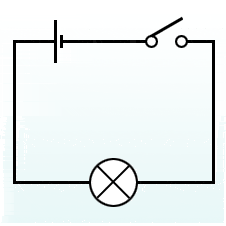
this circuit is .....?
a)
open
b)
parallel
c)
closed
d)
The cutest little circuit evah!
62.
When all parts of the circuit are connected it is a ______ circuit.
a)
open
b)
closed
63.

Would would best complete this circuit?
a)
A wire
b)
A switch
c)
A battery
d)
A light bulb
64.

If you replace the paper clip with a plastic spoon, what happens?
a)
The bulb doesn't light
b)
The bulb is dimmer
c)
The wires get hot
d)
There is no change
65.
Electricity is the flow of _________.
a)
Protons
b)
Neutrons
c)
Electrons
66.
What is a conductor?
a)
A material that allows electricity to flow through it. The circuit is complete.
b)
A material that does not allow electricity to flow through. It stops the flow of electricity.
c)
A light switch.
67.
An example of a good conductor is
a)
copper
b)
sand
c)
plastic
68.
What is a PUSH or PULL of an object?
a)
Motion
b)
Force
c)
Friction
d)
Gravity
69.
What is MOVEMENT?
a)
Inertia
b)
Force
c)
Work
d)
Motion
70.
What happens when one force PULLS an object toward another?
a)
Friction
b)
Motion
c)
Gravity
d)
Magnetism
71.
What is a force that works AGAINST MOTION?
a)
Force
b)
Motion
c)
Gravity
d)
Friction
72.
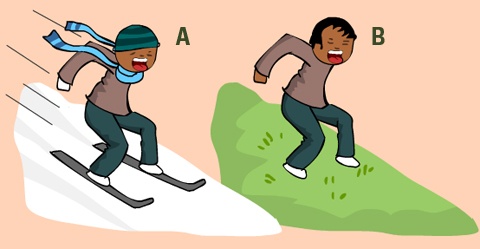
Why is it harder for the boy in Image B to get down the hill?
a)
Motion
b)
Friction
c)
Work
d)
Displacement
73.
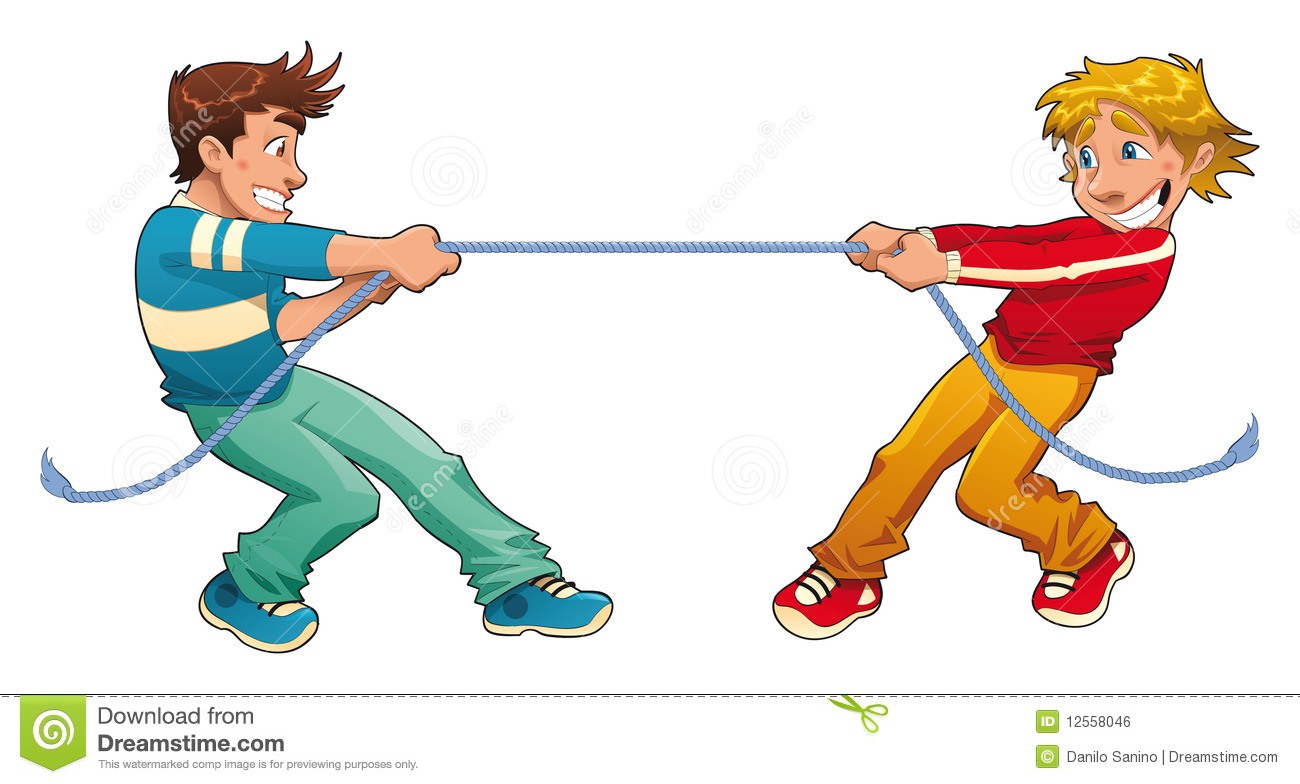
If these boys are pulling with the same amount of force. What will happen?
a)
The boy in blue will win.
b)
They will not move at all.
c)
The boy in red will win.
d)
Both will fall down.
74.
Why does a rolling ball stop?
a)
Gravity
b)
Friction
c)
Waterfalls
d)
Sand
75.
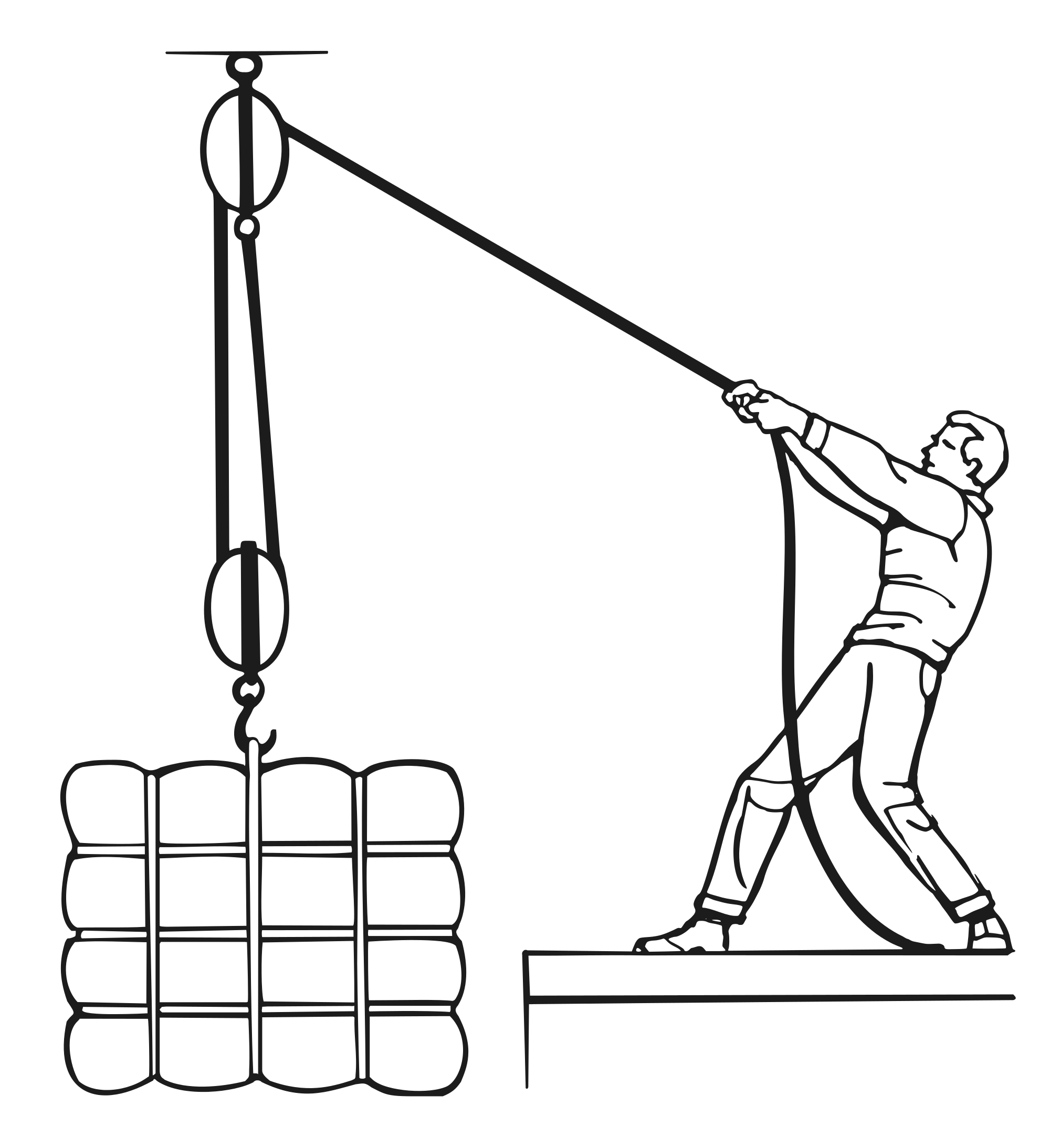
If you pull the cord, what direction will the box move?
a)
Up
b)
Down
c)
Left
d)
Right
76.
The tendency of an object at rest to stay at rest unless it is acted upon by a force is ___________________
a)
inertia
b)
motion
c)
gravity
d)
lubricant
77.
A combination of 2 or more substances that cannot be easily separated is called-
a)
a mixture
b)
a solution
c)
a solute
d)
a solvent
78.
A combination of two or more substances that cannot easily be separated--
a)
mixture
b)
solution
c)
solute
d)
solvent
79.
If I added 27 grams of salt to water and separated the solution with a hot plate, what amount of salt would be left behind?
a)
20 grams
b)
0 grams
c)
27 grams
d)
10 grams
80.
Which of the following is a method of separating solutions?
a)
hand seperation
b)
filtering
c)
screening
d)
evaporation
81.
To separate a mixture of salt and water what separation tool/method is used?
a)
Filter
b)
Screen
c)
Magnet
d)
Evaporation
82.
If you spilled nails in a sandbox, what separation tool/method could you use to clean out the sandbox so it would be safe for children to play in?
a)
Filter
b)
Screen
c)
Magnet
d)
Evaporation
83.

Look at the picture below. Which part of the lamp system could be removed and the lamp still work?
a)
The lamp shade
b)
The electrical cord
c)
The light bulb
d)
The wall outlet
84.
Which object is the best conductor of electricity?
a)
A ceramic mug
b)
A plastic fork
c)
A penny
d)
A wooden craft stick
85.
What form of energy is being used when a person pushes heavy boxes across the floor?
a)
Electrical energy
b)
Mechanical energy
c)
Heat energy
d)
Sound energy
86.

Which statement is true about the picture?
a)
The metal pan causes the water to boil.
b)
The metal pan is a poor conductor of heat.
c)
The wooden handle is a good heat insulator.
d)
The wooden handle is a good heat conductor.
87.
A girl turned the light off and went to bed. She remembered she had accidentally left her glass of ice water on the counter. When she got up the next morning, the ice had melted. What form of energy caused the ice to melt?
a)
Sound energy
b)
Light energy
c)
Thermal energy
d)
Mechanical energy
88.

A student created an electrical circuit, shown.
Which of the following statements is true about the circuit?
Which of the following statements is true about the circuit?
a)
The electrical circuit is working.
b)
The electrical circuit is open.
c)
The electrical circuit is complete.
d)
The electrical circuit is closed.
89.
Which form of energy is produced when a guitar string vibrates?
a)
Sound energy
b)
Electrical energy
c)
Chemical energy
d)
Light energy
90.
Which form of energy is produced when a lamp is switched on?
a)
Sound energy
b)
Electrical energy
c)
Chemical energy
d)
Light energy
91.
A student wanted to see how his toy car would roll on different types of flooring. Jack decided to roll the car on a tile floor, a wood floor, and a carpeted floor. Jack's experiment was designed to test the effects of which of the following forces.
I. Gravity
II. Friction
III. Magnetism
I. Gravity
II. Friction
III. Magnetism
a)
Gravity
b)
Gravity and magnetism
c)
Magnetism and friction
d)
Friction
92.
What is mechanical energy?
a)
The energy of movement
b)
The energy of making things warmer
c)
The energy that is stored in an object
d)
The energy that comes from electricity
93.
The ability to do work is the definition for which word
a)
chemical energy
b)
mechanical energy
c)
Energy
d)
produce
94.
How is light energy different than sound energy?
a)
Light energy moves slower.
b)
Light energy is what you see and sound energy is what you hear.
c)
Light energy uses vibrations and sound energy does not.
d)
Light energy is in a cell phone and sound energy is not.
95.
When a grasshopper rubs its lets together, a sound is made because
a)
its legs are hurt
b)
the movement causes vibrations
c)
the grasshopper is hungry and tired
d)
The grasshopper is warning other animals of danger
96.
Which of the following is a sign that a chemical reaction has occurred?
a)
change in shape
b)
melting
c)
formation of a gas
d)
dissolving
97.
Is hammering wood together to build a house a chemical or physical change?
a)
chemical
b)
physical
98.
Is melting butter for popcorn a chemical or physical change?
a)
chemical
b)
physical
99.

Is burning wood a chemical or physical change?
a)
chemical
b)
physical
100.
A change in the size, shape, or state of matter.
a)
chemical change
b)
physical change
c)
chemical reaction
d)
electron change
101.
Kim puts an ice cube in a beaker and it melts. This is a good example of:
a)
a physical change.
b)
a chemical change.
c)
an experiment.
d)
an analysis.
102.
What is an example of a Chemical change?
a)
Ripped paper
b)
boiled egg
c)
cracked egg
d)
sugar in water
103.
Which is a physical change?
a)
burning match
b)
vinegar in baking soda
c)
melting butter
d)
cooking an egg
104.
Liv lit a match and said it was a physical change. Is she correct?
a)
Yes
b)
No
c)
I dunno...
d)
...
105.
Which of the following properties is a physical property?
a)
magnetism
b)
reactivity with oxygen
c)
flammability
d)
non-reactive
106.
Which is a chemical change?
a)
freezing fruit juice
b)
slicing a potato
c)
boiling water
d)
copper metal turning green
107.
what is digestion?
a)
body function
b)
chemical change
c)
physical change
108.
One cup of water is left outside for two days when it was checked there was only half a cup left. What happened?
a)
evaporation; chemical change
b)
condensation; physical change
c)
evaporation; physical change
d)
condensation; chemical change
109.
This is a low place in between two hills or mountains.
a)
Canyon
b)
Valley
c)
Desert
d)
Lake
110.
This body of saltwater covers more than 70% of the Earth's surface.
a)
Lake
b)
Gulf
c)
River
d)
Ocean
111.
A deep valley with steep walls that cut into the earth caused by erosion from running water.
a)
Valley
b)
Canyon
c)
Gulf
d)
River
112.

What is this landform?
a)
mountain
b)
canyon
c)
coast
d)
cliff
113.

I am a/an
a)
Plain
b)
Island
c)
Valley
d)
River
114.
What type of land form will deposition create?
a)
mountains
b)
valleys and canyons
c)
sand dunes and deltas
115.

What process forms valleys and canyons?
a)
weathering
b)
erosion
c)
deposition
116.

What type of change occurred in this picture?
a)
weathering
b)
erosion
c)
deposition
117.

What will this canyon look like in 1 million years?
a)
it will be shallower
b)
it will be deeper
118.
weathering . . .
a)
breaks down the rock
b)
moves it there
c)
drops the sediment
119.
Erosion . . .
a)
breaks down the rock
b)
moves it there
c)
drops the sediment
120.
What is sediment?
a)
large rocks
b)
small pieces of rock
121.
What forms a u-shaped valley?
a)
glacier
b)
river
122.

What forms a canyon?
a)
weathering from river
b)
erosion from river
c)
deposition from wind
d)
erosion from glacier
123.

Stalactites are formed from minerals being dropped in one place over many years. What processes formed stalactites?
a)
weathering
b)
erosion
c)
deposition
124.
Sam saw that there are cracks in the rock. What process is responsible for these cracks?
a)
weathering
b)
erosion
c)
deposition
125.
You see weathering on the test, you BOX it and write . . . .
a)
drops
b)
breaks
c)
moves
d)
glues
126.
you see erosion on a test, you BOX it and write . . .
a)
moving
b)
drops
c)
breaks
d)
pressure
127.
You see deposition on a test, you BOX it and write . . .
a)
breaks
b)
moves
c)
drops
d)
glues
128.
Flood water pounding against a canyon wall and wearing it down
a)
Weathering
b)
Erosion
c)
Deposition
129.
Rain washing away soil from a hillside
a)
Weathering
b)
Erosion
c)
Deposition
130.
Wind blowing sand from one location to another
a)
Weathering
b)
Erosion
c)
Deposition
131.

Name this landform
a)
lake
b)
river
c)
hill
d)
plain
132.
The movement of weathered material on the Earth's surface by wind, water, and ice:
a)
erosion
b)
deposition
c)
landslides
133.
A sudden release of energy under the Earth's surface that makes the ground shake or crack:
a)
weathering
b)
earthquake
c)
landform
134.
The breakdown of rock into smaller particles from the effects of wind, water, and ice:
a)
deposition
b)
delta
c)
weathering
135.
What natural force formed the Grand Canyon millions of years ago?
a)
a landslide
b)
an earthquake
c)
a river
136.
When a river flows over the Earth and carves out a hole in the surface it makes a:
a)
hill
b)
mountain
c)
canyon
137.
A triangle-shaped (deposit) landform at the mouth of a river as it empties into a body of water:
a)
weather
b)
delta
c)
landform
138.
Deltas form when waterborne sediments are deposited at the base of a mountain.
a)
True
b)
False
139.
Canyons are formed when water deposits sediments at the mouth of a river.
a)
True
b)
False
140.
If students used a fan to blow sand and the sand piled up, what natural process is being modeled?
a)
the formation of sand dunes
b)
volcanic eruptions
c)
earthquake
141.
Deltas are created when:
a)
rivers drop sediments at the mouth of the river
b)
sheets of ice form valleys
c)
wind blows sand in hills
142.
Sand Dunes are only formed at the beach.
a)
True
b)
False
143.
One example of a delta is the Grand Canyon.
a)
True
b)
False
144.
One thing canyons and deltas have in common is:
a)
they are primarily dry
b)
sediments are dropped
c)
moving water helps them form
145.
What comes up out of the Earth from inside a volcano?
a)
dry sediments
b)
magma
c)
rushing water
146.
When a rock gets water inside it and the water freezes, the rock most likely might:
a)
become bigger by adding more sediments
b)
crack from the expanding frozen water
c)
stay the same
147.
The length of an Earth day is determined by the time required for approximately one
a)
Earth rotation
b)
Earth revolution
c)
Sun rotation
d)
Sun revolution
148.
What planet has liquid water?
a)
mars
b)
Earth
c)
Venus
149.
What is the Sun composed of?
a)
rock
b)
hot lava
c)
burning gas
150.
How long does it take for Earth to orbit the Sun?
a)
24 hours
b)
365 days
c)
29 days
151.
Which rotate on an axis?
a)
Moon and Earth
b)
Earth and Sun
c)
Earth, Moon, and Sun
152.
Which has no real surface?
a)
the Earth
b)
the moon
c)
the Sun
153.
How many planets are in our solar system?
a)
4
b)
6
c)
8
154.
Craters are not found on the Earth.
a)
True
b)
False
155.
The moon is a natural satellite that orbits the Earth.
a)
True
b)
False
156.
What is the source of heat and light in our solar system?
a)
the North Star
b)
The moon
c)
The Sun
157.
A line, real or imaginary, around which something spins is called:
a)
Axis
b)
Equator
c)
Prime Meridan
158.
The path one object takes as it revolves around another object in space is called:
a)
rotation
b)
revolution
c)
orbit
159.
Does the Earth revolve or rotate around the Sun?
a)
Revolve
b)
Rotate
160.
What do the Earth and the Moon have in common?
a)
water
b)
atmosphere
c)
sphere of rock
161.
The moon is a natural satellite.
a)
True
b)
False
162.
An instrument that measures the time of day by using the position of the sun is called:
a)
Compass
b)
axis
c)
sundial
163.
The spinning of an object on its axis is called______
a)
orbit
b)
rotation
c)
revolution
d)
tide
164.
Day and night is caused by the _____________ of earth on its axis.
a)
revolution
b)
orbit
c)
rotation
165.
The earth orbits around...
a)
the sun.
b)
the moon
c)
other planets
d)
the Milky Way
166.
How long does it take the Earth to make one REVOLUTION around the Sun?
a)
12 hours
b)
24 hours
c)
365 days
d)
29.5 days
167.
What does ROTATION mean?
a)
To SPIN
b)
To ORBIT or GO AROUND
168.
Day and night is caused by the _____________ of earth on its axis.
a)
revolution
b)
orbit
c)
rotation
169.
The AXIS is an imaginary line that goes THROUGH the North and South Poles of Earth.
a)
True
b)
False
170.
How many seasons are there in the United States
a)
4
b)
5
c)
6
d)
7
171.
The sun revolves around the Earth
a)
true
b)
false
172.
The process of Earth spinning on its axis is referred to as
a)
revolution
b)
ionization
c)
rotation
d)
ellipse
173.
Which term describes the motion of the planets around the sun?
a)
rotation
b)
revolution
c)
completion
d)
galaxy
174.
Spinning of Earth on its axis.
a)
Rotation
b)
Revolution
175.

A force is a ......
a)
Push
b)
Pull
c)
Push or a Pull
176.
What is a satelite?
a)
A body that orbits a planet
b)
an object that orbits a sun
c)
a piece of glass in a space shuttle in earth
177.
The moon’s surface has many more craters than the Earth’s. What best explains the difference in the number of craters on the surface of the Moon and the Earth?
a)
The Moon rarely gets impacted by meteorites.
b)
The Earth’s atmosphere protects it from impacts.
c)
The Moon’s gravity attracts more meteorites than Earth's.
d)
The Earth rotates on its axis more quickly than the Moon.
178.
Which of the following lists the Earth, Sun, and Moon in order of size, from largest to smallest?
a)
Earth, Sun, and Moon
b)
Earth, Moon, and Sun
c)
Sun, Earth, and Moon
d)
Sun, Moon, and Earth
100 %