
 Worksheets
Renewable Energy
Total questions: 35
Worksheet time: 47mins
Name
Class
Date
1.
When energy is generated from the burning of wood or other organic matter, we call it_______.
a)
Solar Energy
b)
Biomass Energy
c)
Thermal Energy
2.
Using the heat from the Earth to generate electricity would be called...
a)
Hydroelectric
b)
Biometric
c)
Geothermal
d)
Fossil Fuels
3.
These fuels are made from living things such as leaves, food wastes, and manure.
a)
geothermal fuels
b)
hydrogen fuels
c)
biomass fuels
4.
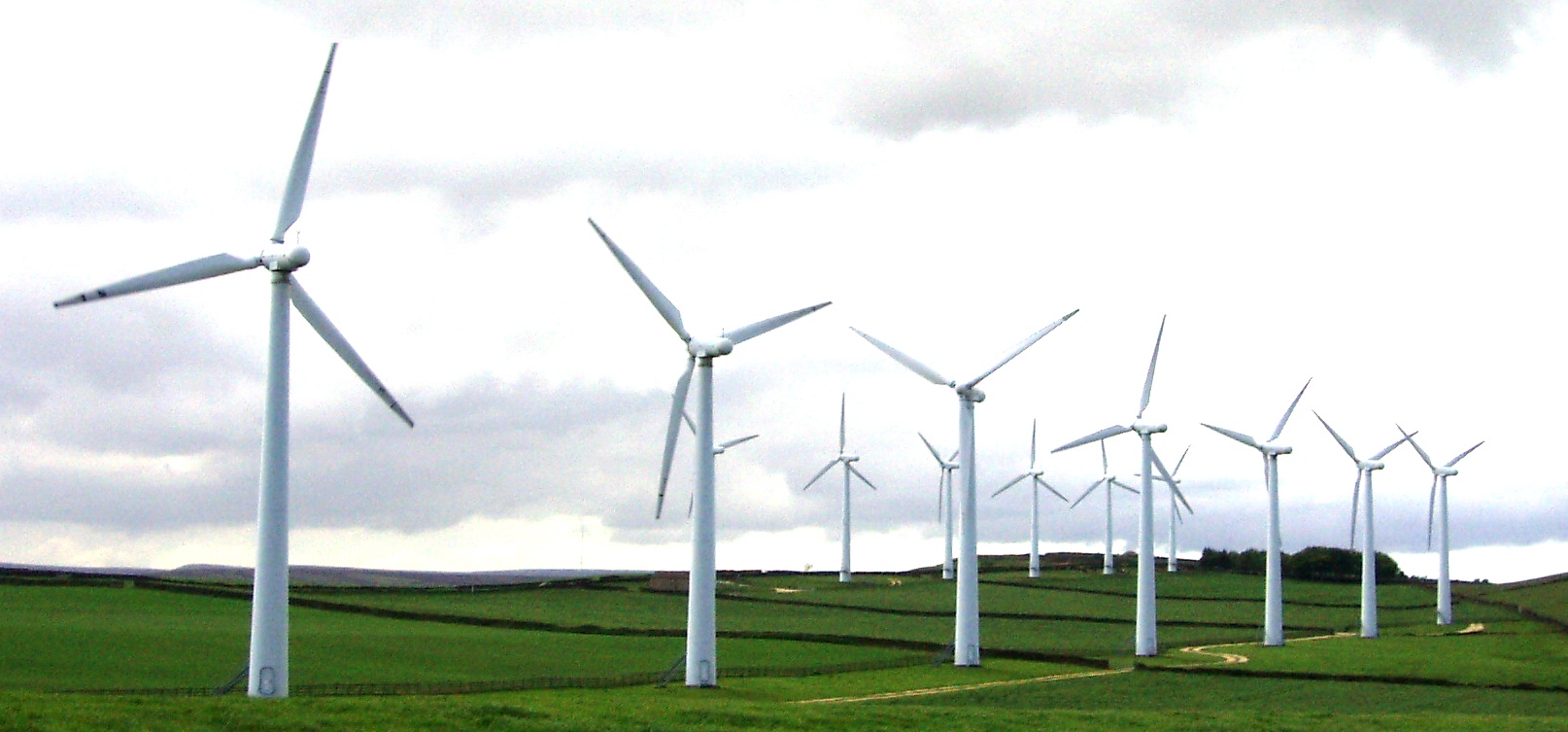
What do we call large areas of windmills?
a)
Wind farms
b)
Hurricanes
c)
Turbines
d)
Wind tunnels
5.
Solar energy is
a)
Energy from the uneven heating of the earth.
b)
Energy from burning fossil fuels.
c)
Energy from the sun.
d)
Energy from turbines.
6.
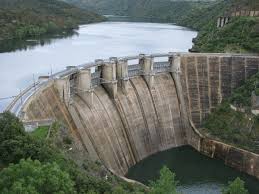
Which energy uses water held behind a dam?
a)
Geothermal
b)
Hydroelectric
c)
Nuclear
d)
Solar
7.
Which renewable resource gets its direct energy from the sun?
a)
Geothermal
b)
Solar
c)
Wind
d)
Hydrogen
8.
What is a renewable resource?
a)
A resource you can reuse
b)
An object you cannot replace
c)
Fossil fuels
d)
polluted resources
9.
What is a non-renewable resource?
a)
Solar energy
b)
A resource that cannot be reused/ recycled
c)
Wind energy
d)
Biomass
10.
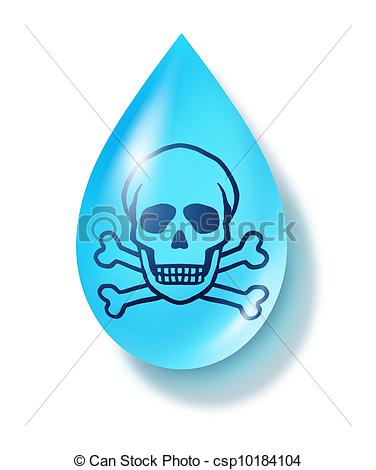
Most water pollution is the result of
a)
human pollution activities.
b)
drought.
c)
volcanic eruptions.
d)
storms.
11.
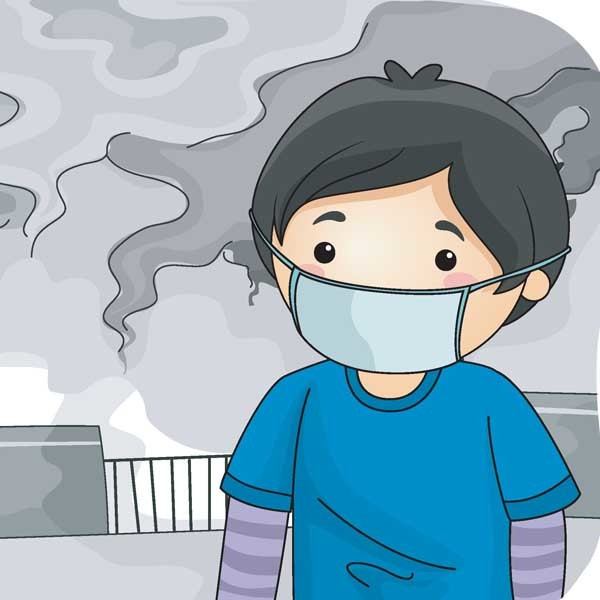
Pollution is__________
a)
People have contaminated, or dirtied an area with waste
b)
People have cleaned, or fixed up an area
c)
People have gathered, or collected the trash in the area
12.
Coal, gas, and petroleum are all examples of...
a)
Recycled fuels
b)
Fossil Fuels
c)
Renewable fuels
d)
Fancy Fuels
13.
_____________ power is electricity produced by flowing water.
a)
Solar
b)
Wind
c)
Hydroelectric
d)
water
14.
Energy produced by burning organic matter such as wood, food scraps, and animal matter is called______________ energy.
a)
Biomass
b)
Thermal energy
c)
Solar
d)
Wind
15.
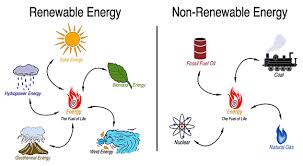
What are the two types of resources?
a)
Renewable and Non-renewable
b)
Wearable and Non-wearable
c)
Usable and Non-usable
d)
Useful and Non-useful
16.
Generally, which of the following energy resources are better for the environment?
a)
renewable
b)
nonrenewable
17.
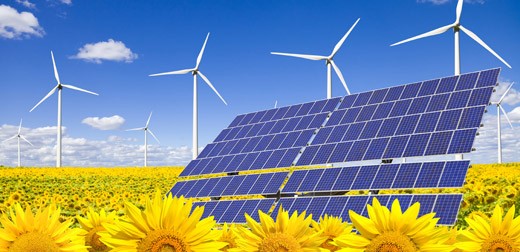
__________ is an energy resource that WILL NOT run out in the next several hundred years.
a)
Renewable Energy Resource
b)
Nonrenewable Energy Resource
18.
Leaving lights on in vacant rooms, washing clothes in hot water, and driving alone are examples of what?
a)
low energy efficiency
b)
moderate energy efficiency
c)
high energy efficiency
19.
Flooding of habitats, disruption of river ecosystems, and reduced farm productivity are all downsides of what?
a)
tidal power
b)
hydrogen fuel
c)
hydroelectric dams
20.
One of coal's negative effects is:
a)
carbon emissions
b)
It’s expensive
c)
Not available
d)
Radioactivity
21.
One disadvantage of nuclear energy is:
a)
requires wind in order to maintain clean enough facilities to manage the reaction
b)
The waste is hazardous and can affect the
environment for thousands of years
environment for thousands of years
c)
Can't be produced in violent weather
d)
it has a high cost of fuel, but it is renewable
22.
What is the primary greenhouse gas emitted?
a)
Methane
b)
Carbon Dioxide
c)
Nitrous oxide
d)
Flourinated gas
23.
The main human activity that releases greenhouse gases is...
a)
using bottled water
b)
burning fossil fuels
c)
texting on cellphones
d)
eating meat
24.
How is the heat generated by the reactor core of a nuclear power plant used to provide power to buildings?
a)
It is used directly to heat homes and offices
b)
It generates steam, which turns a turbine, powering a generator
c)
It generates steam, which is then condensed back to water. This process produces energy
d)
All of the above
25.
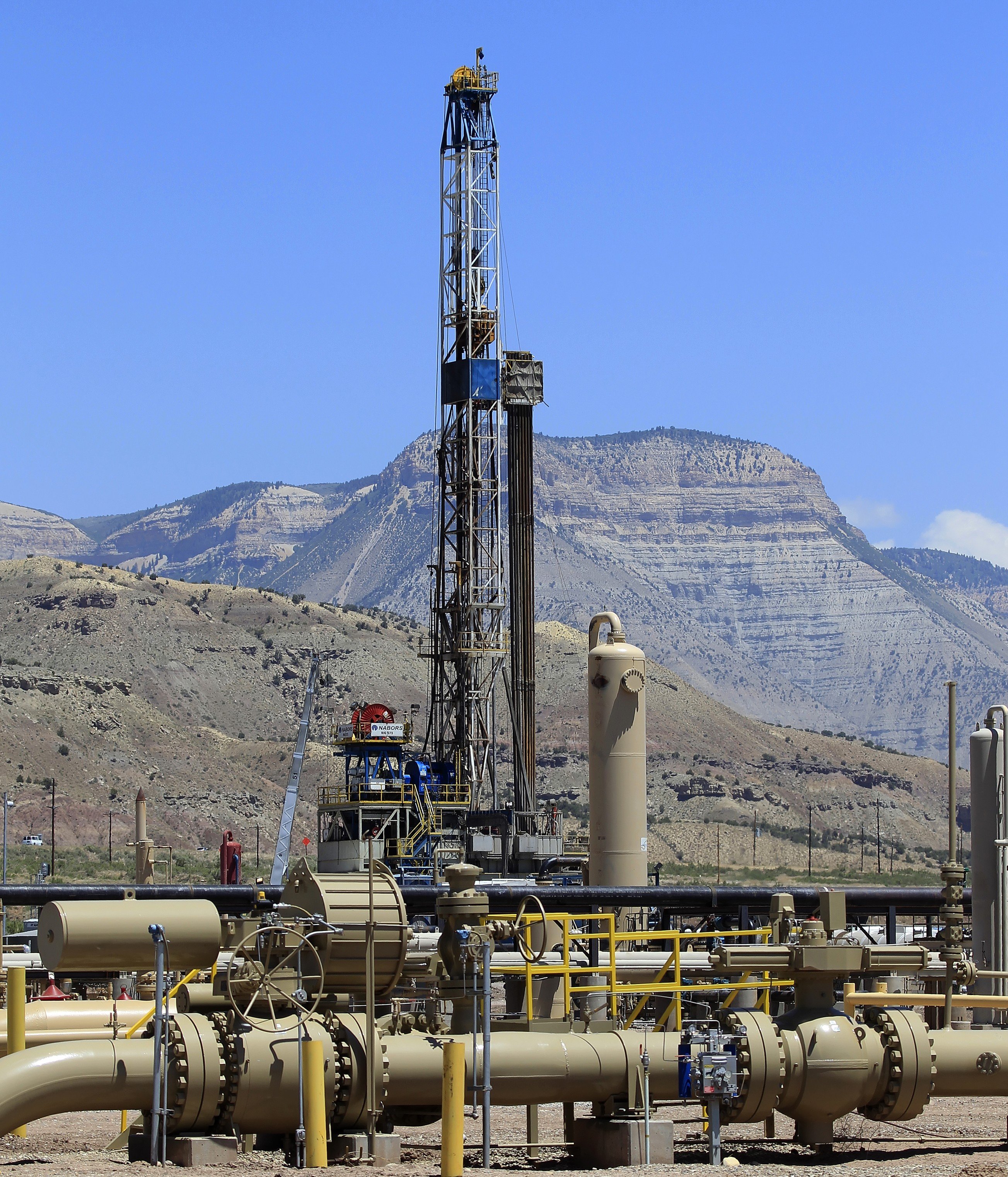
__________is a gas found under the Earth’s surface and is used to produce energy by burning it.
a)
Geothermal
b)
Natural Gas
c)
Coal
d)
Nuclear
26.
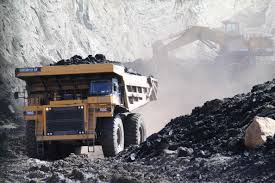
_________is compacted matter dug from under the Earth’s surface that is used to provide energy by burning it.
a)
Hydro
b)
Coal
c)
Nuclear
d)
Geothermal
27.
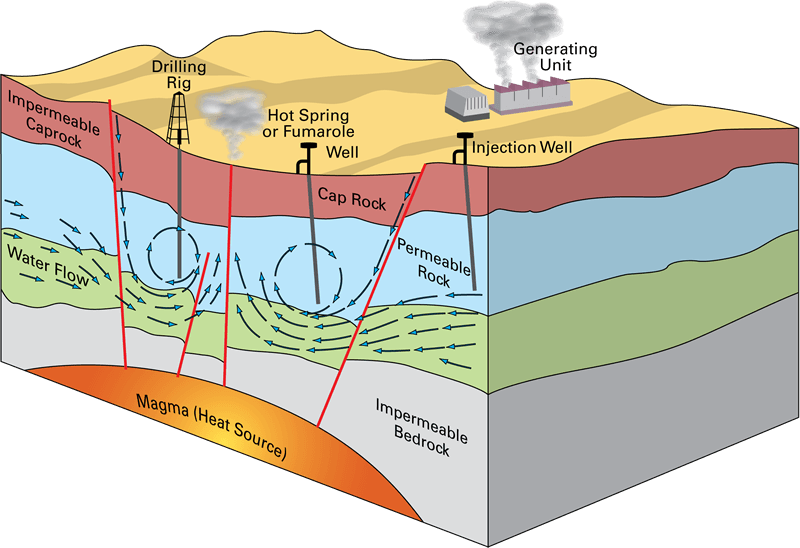
__________uses heat from the interior of the Earth. We will be using this at our new school!
a)
Solar
b)
Geothermal
c)
Nucler
d)
Wind
28.
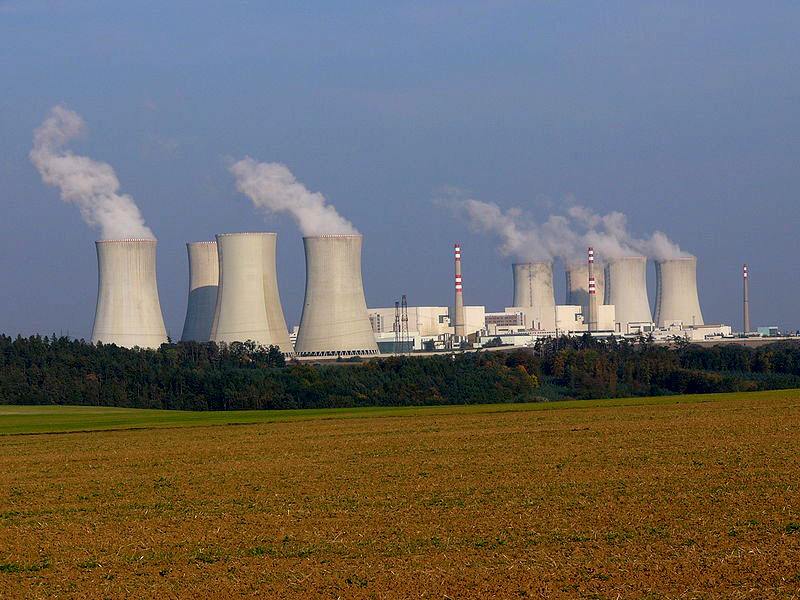
Nuclear Power is a __________ energy resource.
a)
Renewable
b)
Nonrenewable
29.
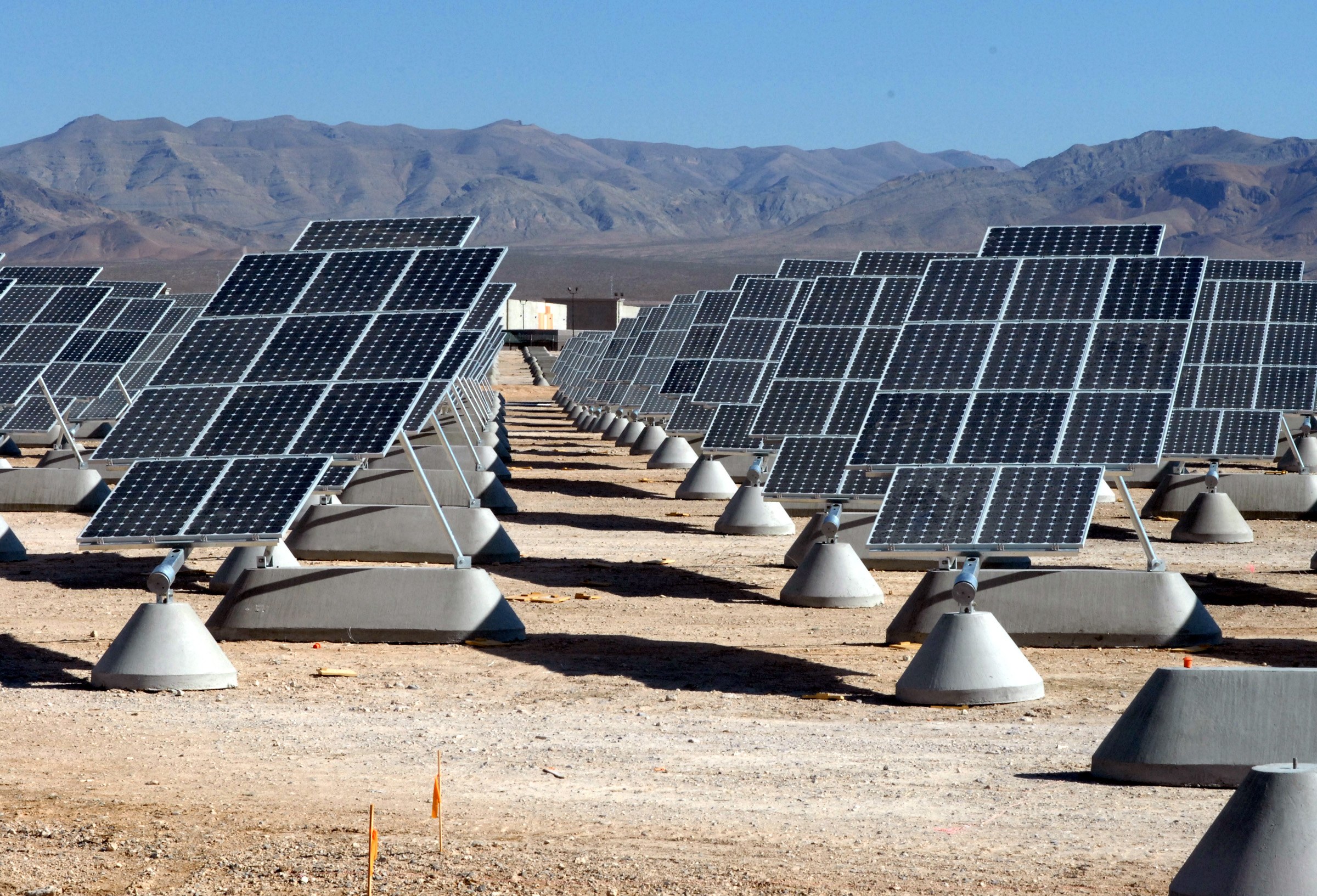
Solar Power is a __________ energy resource.
a)
Renewable
b)
Nonrenewable
30.
what is a non renewable resource?
a)
water
b)
wind
c)
coal
d)
biomass
31.
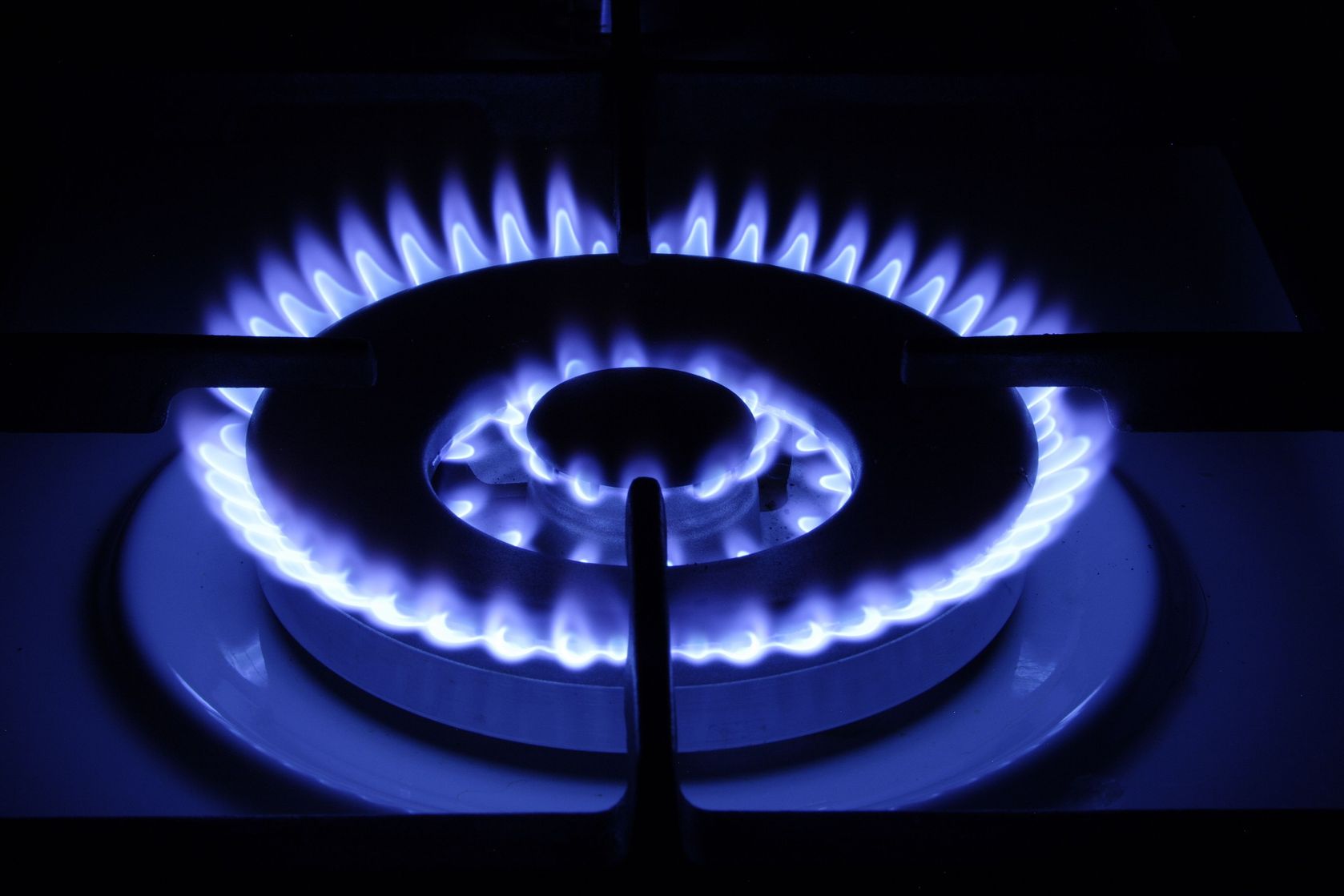
Fossil fuels are Renewable resources. True or False?
a)
True
b)
False
32.
What is the most plentiful fossil fuel?
a)
Oil
b)
Natural Gas
c)
Petroleum
d)
Coal
33.
Energy we get from burning living things
a)
Hydroelectricity
b)
Wind Energy
c)
Biomass Fuel
d)
Hydrogen Power
34.
What is the best pro about renewable resources?
a)
The are inexpensive
b)
They are always available
c)
They are expensive
d)
They create pollution
35.
Which fossil fuel is created from the decayed remains of plants?
a)
Oil
b)
Coal
c)
Natural Gas
100 %

