
Font size
 Worksheets
JSA Awareness
Total questions: 45
Worksheet time: 22mins
Why do we do a Job Safety Analysis (JSA)?
To clearly describe the job and where it will be done
To find possible dangers at the worksite
To make sure we have safety measures to reduce risks
All answers are correct
True or False: The Risk Assessment Team Leader must lead the Formal Risk Assessment and make sure all risks and controls are identified.
True
False
True or False: Before starting any work, we must do a Health, Safety, and Environment (HSE) check for employees, contractors, and equipment.
True
False
Which of the following is a requirement for conducting a Formal Risk Assessment?
Only one team member is needed
All necessary information must be available
No prior knowledge of the site is required
The assessment can be done remotely
What should be included in the description of the work scope?
The budget for the project
The names of all workers involved
The equipment and materials to be used
Only the location of the work
What is the purpose of breaking a job into steps in a job safety analysis?
To identify potential hazards
To confuse employees
To increase workplace hazards
To reduce productivity
Which of the following is a potential safety hazard in a job/task?
Worker slipping, tripping, or falling
Worker receiving a promotion
Employee's favorite song
Employee's favorite book
What is the key training sequence in a job safety analysis?
Identifying potential hazards
Learning to ride a bike
Learning to play the guitar
Learning to cook a new recipe
Why should tasks with previous high incident records be evaluated?
To increase workload on employees.
To comply with outdated regulations.
To improve safety and prevent future incidents.
To reduce training requirements for new staff.
What safety measures are necessary for elderly workers exposed to hazards?
Increase work hours for elderly workers
Limit training to only new hires
Remove all safety equipment
Implement ergonomic tools, provide training, conduct health assessments, enhance accessibility, and promote safety awareness.
What types of jobs are most likely to cause fire or explosion?
Jobs in retail and customer service
Jobs in construction, manufacturing, oil and gas, and chemical processing.
Jobs in education and teaching
Jobs in agriculture and farming
What are the risks associated with lifting activities in the workplace?
Risks associated with lifting activities include musculoskeletal injuries, strains, slips, trips, falls, and accidents from dropping loads.
Improved workplace morale
Increased productivity and efficiency
Enhanced team collaboration
What safety protocols should be followed for confined space works?
Ignore all safety measures
Work without a team
Use regular clothing instead of PPE
Conduct risk assessments, ensure ventilation, use PPE, implement a permit system, provide training, and have emergency rescue plans.
How can high-risk tasks be identified during a Job Safety Analysis?
Ignore safety protocols
Evaluate hazards, assess likelihood and severity, consult employees, review past incidents.
Focus solely on employee opinions
Increase workload without assessment
Why is it important to document previous incidents in a Job Safety Analysis?
It is important to document previous incidents to identify patterns, improve safety measures, and enhance training.
To create a checklist for equipment maintenance.
To comply with legal requirements only.
To reduce the number of employees on site.
What are the legal requirements for safety in confined spaces?
Rely solely on personal experience for safety
Ignore ventilation requirements
Use only manual labor without training
Conduct risk assessments, ensure ventilation, provide PPE, implement safety training, and establish emergency procedures.
What is the significance of regular safety audits in high-risk environments?
They increase production speed and efficiency.
They focus solely on employee training programs.
They are only necessary for legal compliance.
They help identify hazards, ensure compliance, and promote a culture of safety.
What is the importance of conducting regular safety audits in the workplace?
To identify potential hazards, ensure compliance with safety regulations, and improve overall safety culture.
To increase paperwork
To reduce employee engagement
To focus solely on productivity metrics

What is an unsafe act?
A) A condition in the environment that can cause harm
B) A piece of equipment that is broken
C) A policy that mandates safety procedures
D) An action performed by a person that increases the risk of an accident
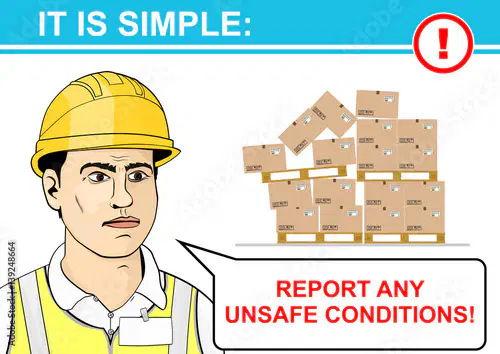
Which of the following is an example of an unsafe condition?
A) Using machinery without proper training
B) Running in the workplace
C) A slippery floor without warning signs
D) Ignoring safety protocols
How can unsafe acts be prevented?
A) By ignoring minor safety violations
C) By consistently following safety procedures and guidelines
D) By assuming others will take care of safety

Why is it important to distinguish between unsafe acts and unsafe conditions?
A) To place blame on individuals
B) To avoid addressing the real safety issues
C) To develop targeted safety interventions and training programs
D) To ensure only the unsafe conditions are reported
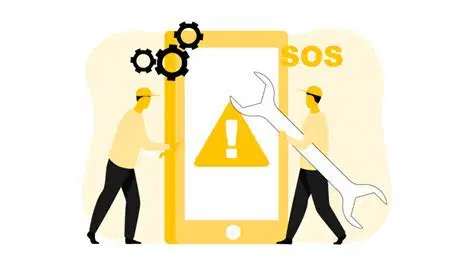
What is the best way to correct an unsafe condition?
A) Avoid using the area until it's fixed
B) Report it on the dedicated platform and ensure it gets fixed
C) Warn coworkers verbally but take no further action
D) Continue working carefully around it

Which of the following is the consequence of not addressing unsafe acts or unsafe conditions?
A) Increased productivity
B) Enhanced employee morale
C) Higher risk of accidents and injuries
D) Improved workplace atmosphere
What term describes an unexpected event that results in injury or damage?
Hazard
Incident
Accident
Risk
What is a potential source of harm or adverse health effect on someone?
Risk
Hazard
Incident
Injury
What is an occurrence that can lead to or has led to an accident or injury?
Emergency
Procedure
Incident
Regulation
What term describes harm or damage inflicted on the body due to an accident or exposure to a hazard?
Risk
Injury
Compliance
Training
What is a set of established methods or steps to follow to ensure safety and efficiency?
Training
Regulation
Procedure
Compliance
What is the primary goal of workplace safety?
To increase productivity
To ensure the health and well-being of employees
To reduce company expenses
To improve customer satisfaction
SELECT ALL THAT APPLY...A Job Safety Analysis should be done for... (three answers)
Only dangerous equipment or malfunctioning equipment
All machines
All new equipment
For dangerous equipment first
What is the 1st thing that should be done if a machine is malfunctioning and could possibly cause harm?
Tell Someone
Tell Supervisor immediately
Lockout/Tagou
Shut it down
This is a review of daily practices to ensure they comply with company policies and OSHA...
Safety Audit
Job Safety Analysis
Audit Team Review
Safety Committee Analysis
What is the process to determine the safest way to perform a task called a...
Safety Audit
Task Analysis
JSA
OSHA
What is the purpose of JSA...
to find the safest way to do a task
to find the quickest way to do a task
to find the cheapest way to do a task
to inform OSHA
Which group is responsible for ensuring control measures are practical and effective?
Security
Risk Assessment Team
Cleaners
What triggers a review or update of a standard JSA library?
Incident findings or industry directives
Holiday schedule
New office furniture
What is the first step in the JSA process?
Start the work
Describe the task
Agree controls
Who is primarily responsible for following the JSA SOP?
Visitors
External vendors
Workers and supervisors
Office administrators
When should a JSA SOP be reviewed?
Once a year
When new workers are hired
When there are changes in the job, equipment, or after incidents
Only after management requests
How can workers avoid potential safety hazards in a job/task?
By promoting unsafe practices
By intentionally causing accidents
By ignoring safety elements
By following key training sequences
What is the purpose of breaking a job into steps in a job safety analysis?
To identify potential hazards
To confuse employees
To increase workplace hazards
To reduce productivity
What is the hierarchy of controls in job safety analysis?
A random list of safety measures
A step-by-step approach to eliminating hazards
A list of employee benefits
A ranking of employee performance
Which of the following is a potential hazard to consider in a job safety analysis?
Employee's favorite food
Employee's favorite movie
Excessive noise or vibration
Employee's favorite color
How can technology assist in monitoring safety in the workplace?
Technology is only useful for administrative tasks.
Technology reduces the need for safety training.
Technology eliminates all workplace hazards.
Technology enhances workplace safety monitoring through surveillance, wearables, alerts, and data analytics.

