
Font size
S
M
L
XL
 Worksheets
HST 111 -- Final Exam
Total questions: 140
Worksheet time: 2hrs 59mins
Name
Class
Date
1.
The Enlightenment is
a)
a time of rebirth
b)
a time when science ruled
c)
a time with people used reason and logic to explain the world
d)
a time when technology ruled
2.
Reason can help free people from ignorance, superstition, and unfair government?
a)
True
b)
False
3.
Reason can be used to solve problems and improve peoples lives?
a)
True
b)
False
4.
Human behavior is governed by natural laws?
a)
True
b)
False
5.
Government should reflect natural laws and encourage education/debate.
a)
True
b)
False
6.

Enlightenment philosopher who did not agree with censorship.
a)
Voltaire
b)
Denis Diderot
c)
Mary Wollstonecraft
d)
Adam Smith
7.

Enlightenment philosopher who believed men and women should be equal
a)
Voltaire
b)
Denis Diderot
c)
Mary Wollstonecraft
d)
Adam Smith
8.

Enlightenment philosopher who believed natural laws governed economics.
a)
Voltaire
b)
Denis Diderot
c)
Mary Wollstonecraft
d)
Adam Smith
9.

Enlightenment philosopher who believed people had natural rights of life, liberty, and property.
a)
John Locke
b)
Montesquieu
c)
Rousseau
d)
Voltaire
10.

Enlightenment philosopher who believed to limit government, that it should be divided into separate branches that shared power.
a)
John Locke
b)
Montesquieu
c)
Rousseau
d)
Voltaire
11.

Enlightenment philosopher who believed people give the government to ability to rule and in return the government should protect will of the people.
a)
John Locke
b)
Montesquieu
c)
Rousseau
d)
Voltaire
12.
Enlightenment philosphers believe that if government abuses power the people should change it.
a)
True
b)
False
13.
Natural Rights
a)
Life, Liberty, and the Pursuit of Happiness.
b)
Life, Liberty, and Property
c)
Freedom
d)
Rights to say what we want, when we want to.
14.
Social Contract
a)
Government protect people, people follow(give power) to the government
b)
Government protects people and people don't complain.
c)
People cannot trust a government.
d)
People must trust the government and in return they cannot have a say in government.
15.

According to John Locke, why are governments created?
a)
God gives monarchs a divine right to rule over their people
b)
People are naturally selfish and need a strong ruler to create order
c)
People set up governments to protect their lives and property
d)
Civil government must be established to offset the power of the church
16.

Montesquieu believed that the best form of government would have
a)
Direct democracy in which every man voted directly
b)
A intelligent monarchy
c)
Three branches that would check and balance each other
d)
No influence on the economy
17.
John Locke, Jean Rousseau, and Voltaire all lived during what was called the:
a)
Dark Ages
b)
Middle Ages
c)
Enlightenment
d)
Depression
18.
Why is the Enlightenment considered a turning point in world history?
a)
The factory system was used to mass-produce goods.
b)
Martin Luther broke away from the Roman Catholic Church.
c)
Europeans changed their thinking about the role of government.
d)
The Columbian exchange occurred.
19.
What are natural rights?
a)
Rights you find in nature
b)
Rights you are born with
c)
Rights you earn as an adult
d)
Rights you learn about in school
20.
Which Enlightenment thinker promoted a balance of power in politics?
a)
John Locke
b)
Baron de Montesquieu
c)
Voltaire
d)
Thomas Hobbes
21.
What is another name for the Enlightenment?
a)
The Age of Reason
b)
The Age of Great Philosophers
c)
The Age of Religion
d)
The Age of Revolution
22.
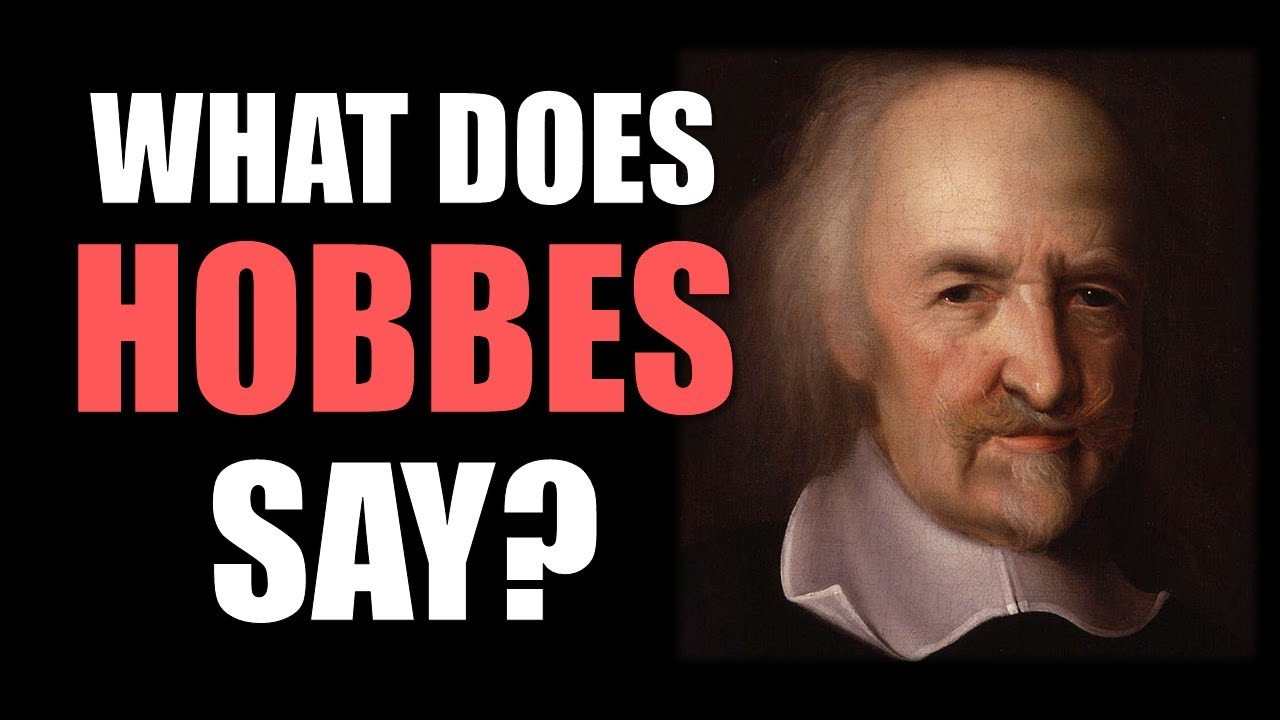
How did Hobbes view human nature?
a)
We are inquisitive and industrious.
b)
We are naturally selfish and quick to fight.
c)
We are naturally altruistic and usually willing to compromise.
d)
We are born a 'blank slate', and we develop differently according to our life's experiences..
23.
One contribution that John Locke made to Enlightenment philosophy was the idea that
a)
absolute monarchies should continue
b)
the punishment should fit the crime
c)
individual rights should be denied
d)
governments should be based on the consent of the people
24.
In which way did the ideas of the Enlightenment influence the French Revolution?
a)
Superstition and ignorance were promoted.
b)
The principles of mercantilism were glorified.
c)
The divine right theory of kings was challenged.
d)
Punishments for criminal acts were rooted in vengeance.
25.
What was a major cause of the French Revolution?
a)
inequalities in the tax structure
b)
economic success of mercantilism
c)
failure of the Congress of Vienna
d)
Continental System of Europe
26.
What was one effect of the French Revolution?
a)
Differences between ethnic groups were eliminated.
b)
Communism became popular.
c)
Militarism was discouraged.
d)
Nationalistic feelings were stimulated.
27.
The French Revolution began in
a)
1776
b)
1789
c)
1876
d)
1798
28.
France was deep in debt because
a)
money spent on the American Revolution
b)
Marie Antoinette's lavish spending
c)
the 1st and 2nd estates did not pay taxes
d)
all of the above
29.
The idea that reason should guide society rather than tradition helped cause the revolution and came from
a)
the Declaration of Independence
b)
the Scientific Revolution
c)
the Enlightenment
d)
all of the above
30.
The French Revolution began when King Louis XVI
a)
was executed
b)
had his troops attack Paris
c)
called the Estates General together
d)
abdicated
31.
The Second Estate was composed of
a)
Church leaders
b)
Nobility
c)
Peasants
d)
none of the above
32.
Most of the people of France belonged to the
a)
1st
Estate
Estate
b)
2nd Estate
c)
3rd Estate
d)
4th Estate
33.
Why was voting in the Estates General unfair
a)
votes were not secret
b)
each estate voted by how many members there were
c)
each estate got the same number of votes
d)
the King got two votes
34.
When the other estates refused to change voting rules the 3rd Estate
a)
met separately
b)
declared themselves the new government
c)
Created the National Assembly
d)
all of the above
35.
When the people of Paris heard that the military was going to stop the revolution their response was to
a)
leave the city
b)
storm the Bastille
c)
force the King to come to Paris
d)
none of the above
36.
The National Assembly set down the ideas of the Revolution in
a)
the Declaration of Independence
b)
the Declaration of the Rights of Man
c)
the US Constitution
d)
The Edict of Nantes
37.
During the revolution many of these people left France for fear of their lives.
a)
nobles
b)
relatives of the King
c)
members of the Second Estate
d)
all of the above
38.
Conservatives are people who
a)
distrust change
b)
have strict rules
c)
believe in tradition
d)
all of the above
39.
The Radicals eliminated anyone accused of being against the Revolution during
a)
the Terror
b)
the Great Fear
c)
Thermidorian Reaction
d)
Thermidorian Reaction
40.
The extreme actions of the Radicals began with the
a)
storming of the Bastille
b)
Great Fear
c)
execution of Louis XVI
d)
the meeting of the Estates General
41.
The Bastile was
a)
A fortified fort in Paris for the kids to play in
b)
A prison that also held weapons and gun powder
c)
A new place for Marie and Louis to go to have dinner
d)
Where King Louis XVI and Marie Antoinette lived
42.
Which of the following is a cause of the French Revolution?
a)
Louis XVI was a strong and dedicated leader
b)
The election for the new king was rigged
c)
There was social imbalance within the country
d)
The king was unhappy and led a revolut in France
43.
What was the National Assembly?
a)
Group of 5 men who ran France after the Reign of Terror
b)
Led the Reign of Terror.
c)
Representatives from all 3 estates.
d)
3rd estate after they broke away from Estates-General
44.
Who was Louis XVI?
a)
Leader of Reign of Terror.
b)
King of France when the French Revolution begins.
c)
Became Emperor of France.
d)
The Sun King.
45.

Before the French Revolution, why did the representatives of the Third Estate form the National Assembly?
a)
voting in the Estates General was not fair
b)
the king had ordered them to do so
c)
they wanted an end to the Reign of Terror
d)
they demanded that the king be put on trial and executed
46.

How did the Enlightenment and the American Revolution influence the French Revolution?
a)
the people of France overthrew their absolute monarchy
b)
absolute monarchy was strengthened
c)
support for absolute monarchy increased
d)
France was divided into three estates
47.

What is the significance of the Tennis Court Oath?
a)
it led to a new constitution for France
b)
it started the French Revolution
c)
it was the beginning of the Reign of Terror
d)
it marked the beginning of the rule of Napoleon
48.

What do these pie charts reveal about the causes of the French Revolution?
a)
all the estates were taxed equally
b)
the upper classes paid the most taxes
c)
the poorest classes paid all the taxes
d)
the third estate was the wealthiest
49.
What was the Divine Right of Kings?
a)
right to not pay taxes
b)
God given right to rule
c)
predetermined rise to power
d)
enlightenment of kings
50.
The First Estate was made up of this group.
a)
clergy
b)
common people
c)
nobles
d)
kings and queens
51.
Colonial protest to the Stamp Act took the form of
a)
convening
a colonial congress to request its repeal
b)
colonial
boycott against the British goods
c)
violence
in several colonial towns
d)
all
of the above
52.
Colonist objected to the Stamp Act because
a)
.
it was a very expensive tax
b)
Parliament
passed the tax, not the colonist
c)
they
believed it could not be repealed
d)
they
opposed all taxes
53.
This Act asserted Parliaments full right to "bind the colonies and people of America in all cases whatsoever.”
a)
Townshend Acts
b)
Sugar Act
c)
Declaratory Act
d)
Stamp Act
54.
This Act taxed all imported goods from Britain such as tea, glass, lead, paint and paper
a)
Sugar Act
b)
Stamp Act
c)
Declaratory Act
d)
Townshend Acts
55.
This was an act that lowered the tax on molasses by about 1/2, and increased the enforcement of ant-smuggling laws
a)
Sugar Act
b)
Stamp Act
c)
Quartering Act
d)
Intolerable Acts
56.
This was a tax placed on all printed items in the colonies and from Great Britain
a)
Quartering Act
b)
Paper Act
c)
Stamp Act
d)
Molasses Act
57.
When colonist shouted, “No taxation without representation” they were rejecting parliaments power to,
a)
legislate
anything for the colonies
b)
levy
revenue raising taxes on colonies
c)
enforce
the navigation laws
d)
regulate
trade in the empire
58.
Cannot settle west of the Appalachian Mountains because of this act
a)
Navigation Act
b)
Stamp Act
c)
Proclamation of 1763
d)
Townshend Act
59.
Led to triangular trade routes and smuggling
a)
Stamp Act
b)
Sugar Act
c)
Navigation Act
d)
Quartering Act
60.
Punishment for Boston and the Boston Tea Party
a)
Declaratory Act
b)
Townshend Act
c)
Intolerable Act
d)
Quebec Act
61.
Did away with some taxes paid by the British East India Tea Company.
a)
Tea Act
b)
Stamp Act
c)
Sugar Act
d)
Proclamation of 1763
62.
What was a tax on molasses?
a)
Stamp Act
b)
Quartering Act
c)
Tea Act
d)
Sugar Act
63.
This act set up government for Canada
a)
Tea Act
b)
Quebec Act
c)
Declaratory Act
d)
Sugar Act
64.
What does Quartering mean?
a)
To allow troops to stay in your home
b)
Hitting someone with a quarter
c)
To give someone a quarter
d)
Giving a quarter of your earnings to Britain
65.
Given that only 5 people died in the Boston Massacre, why was it labeled a massacre?
a)
British commanders ordered troops to shoot into a rioting crowd in effort to restore order
b)
the victims were innocent bystanders who were caught in the barrage of gunfire
c)
the victims had done little to provoke the confrontational and hostile British troops
d)
Boston radicals used it as propaganda to take advantage of the heightened tensions
66.
What group was created as a response to the Stamp Act?
a)
Son of liberty
b)
The patriots
c)
The red coats
d)
The loyalists
67.
Why did King George III tax the colonists so heavily?
a)
He hated the colonist
b)
He wanted more money for himself
c)
The national debt increase from the French and Indian War
d)
To make money for the colonies
68.
The Olive Branch Petition was written as a last attempt at …
a)
Freedom
b)
Peace
c)
Loyalty
d)
Rebellion
69.
Arguably the first "battle" of the Revolutionary War occurred when the Massachusetts Minutemen fired on British troops at -
a)
Boston
b)
Philidelphia
c)
Saratoga
d)
Lexington and Concord
70.
Which event cost England a lot of money and caused the King to impose new taxes on the colonies to help pay for its cost?
a)
The American Revolution
b)
The French and Indian War
c)
Westward Expansion
d)
The Civil War
71.
In 1774 delegates from all the colonies except Georgia met to discuss the problems the colonies were having with England. This was called ____________.
a)
Boston Tea Party
b)
First Continental Congress
c)
Parliament
d)
None of the answers
72.
A year after the First Continental Congress, representatives met in Philadelphia again. What did they discuss?
a)
becoming an independent nation
b)
breaking away from England
c)
writing a document that declared the colonies Independent
d)
All of the answers
73.
It took 17 days to write the Declaration of Independence. Who wrote it?
a)
George Washington
b)
Thomas Paine
c)
Thomas Jefferson
d)
Benjamin Franklin
74.
On what day was the Declaration of Independence adopted?
a)
January 1, 1776
b)
July 4, 1776
c)
June 4, 1776
d)
None of the answers
75.
Who wrote "Common Sense" that challenged the colonists to fight for independence?
a)
Patrick Henry
b)
Thomas Paine
c)
John Adams
d)
Thomas Jefferson
76.
Who was the Commander in Chief of the Continental Army? He led 2400 men across the Delaware River.
a)
George Washington
b)
Patrick Henry
c)
Lord Cornwallis
d)
George Jones
77.
Who was the colonial leader who was also an inventor and scientist? He also helped create the Declaration of Independence.
a)
Thomas Jefferson
b)
Benjamin Franklin
c)
Benedict Arnold
d)
Thomas Paine
78.
What caused the first battle of the American Revolution?
a)
British were looking to seize a storehouse of weapons that belonged to the colonists, but met the Minutemen instead.
b)
The British fired on the Sons of Liberty as they dumped tea into the Boston Harbor.
c)
The colonists shot British soldiers bringing tea into the Boston Harbor.
d)
None of the Answers
79.
In 1781, the Continental Army defeated the British troops for the final time at Yorktown, Virginia. What British leader surrendered to General George Washington?
a)
King George III
b)
Lord Cornwallis
c)
Benedict Arnold
d)
None of the answers
80.
Which of the following increased southern planters' reliance on slaves?
a)
Missouri Compromise
b)
invention of the the steamboat
c)
invention of the cotton gin
d)
nullification crisis
81.
According to the cult of domesticity, a woman's proper role was
a)
acting as housewife, moral leader, and educator of the family
b)
striving toward social and economic equality with men
c)
balancing the obligations of family and career
d)
working in a textile mill
82.
The Compromise of 1850 provided for all of the following EXCEPT:
a)
California was admitted as a free state
b)
a tougher Fugitive Slave Law
c)
slavery was prohibited in all territories north of the 36'30 parallel
d)
popular sovereignty was extended to the Utah and New Mexico territories
83.
In the 1860 election, what was the position of Lincoln and the Republican Party on slavery?
a)
the Dred Scott decision should be supported in the territories but not in the states
b)
slavery should not be allowed to expand into the territories
c)
slavery was immoral and should be abolished immediately
d)
popular sovereignty would be extended to all new territories north of the 36'30' parallel
84.
The Supreme Court's decision in the Dred Scott case outraged public opinion in the North chiefly because it
a)
guaranteed citizenship to free blacks
b)
declared the Fugitive Slave Law unconstitutional
c)
removed restrictions against the spread of slavery into the western territories
d)
challenged California's status as a free state
85.
The Kansas-Nebraska Act profoundly influenced the national discussion of slavery by
a)
challenging the Northwest Ordinance
b)
prohibiting slavery in the territories
c)
declaring slavery legal in all the territories
d)
formally repealing the Missouri Compromise of 1820
86.
John Brown first came to the attention of the American public when he
a)
assisted runaway slaves in Boston
b)
tried to organize an army to free slaves in West Virginia
c)
murdered pro-slavery settlers in Kansas
d)
published an abolitionist newspaper called the Liberator
87.

What was the effect of the cotton gin on slavery in the South?
a)
It reduced the need for slaves on plantations.
b)
It increased the demand for slaves to produce more cotton.
c)
It helped improve the slaves' work conditions.
d)
It had no significant effect on slaves or slavery.
88.
Who was Nat Turner?
a)
The inventor of the cotton gin
b)
The man who led hundreds of slaves to freedom on the Underground Railroad
c)
The man who led one of the bloodiest slave revolts
d)
The man who introduced Christianity to the slaves
89.
How did Southern states respond to slave rebellions?
a)
They gave slaves some freedom.
b)
They passed even stricter slave codes.
c)
They began to udnerstand that slavery was wrong.
d)
They refused to take slaves back when they were captured.
90.

This man was an escaped slave who taught himself to read and write. He became an influential player in the abolitionist movement?
a)
Stephen Douglass
b)
Solomon Northup
c)
Frederick Douglass
d)
Harry Tubman
91.

Compromise that made Maine a free state and Missouri a slave state.
a)
Missouri Compromise of 1820
b)
Compromise of 1850
c)
Kansas-Nebraska Act
d)
Dred Scott Decision
92.
What was the Embargo Act?
a)
Forbid trade with Spain
b)
Made turtles illegal
c)
Close American trade with Britain and France
d)
Encouraged trade with all foreign nations
93.
Who was hired by Thomas Jefferson to travel west after the Louisiana Purchase. They were to map the land all the way to the Pacific Ocean?
a)
Andrew Jackson
b)
War Hawks
c)
Sacagawea
d)
Lewis and Clark
94.

Which cause of the War of 1812 is this image showing?
a)
War Hawks
b)
Impressment
c)
British inciting Native Americans
d)
Justin Bieber
95.

Which cause of the War of 1812 is this image showing?
a)
British sending One Direction to America
b)
British inciting Native American violence
c)
British impressing American sailors
d)
Justin Bieber
96.
All of the following can be associated with the principle of Manifest Destiny EXCEPT:
a)
Louisiana Purchase
b)
Mexican-American War
c)
War of 1812
d)
Trail of Tears
97.
The nullification crisis occurred when
a)
the Supreme Court declared the tariff laws null and void.
b)
Congress refused Jackson's request to repeal the tariff laws.
c)
South Carolina threatened to secede if the tariff laws were enforced.
d)
Jackson threatened to make South Carolina leave the Union by force.
98.

Which region of the country had a lot of manufacturing?
a)
the north
b)
the south
c)
the west
99.

How did the Louisiana Purchase affect the United States?
a)
It led to war.
b)
It doubled the nation's size.
c)
It limited trade opportunities.
d)
It led to the discovery of a water route across the country.
100.
What is an abolitionist?
a)
Someone who wants to abolish or end slavery.
b)
Someone who wants to end voting for slaves.
c)
Someone who doesn't want to work with slaves.
d)
Someone who wants to never wear jeans.
101.

What is the name given to the belief that the United States had the right and duty to expand across the North American continent?
a)
Manifest destiny
b)
Monroe Doctrine
c)
Great Awakening
d)
Louisiana Purchase
102.
What is suffrage?
a)
the right to vote
b)
the act of suffering
c)
anything that is disliked or hated
d)
limiting voting
103.
A conflict with Britain caused by: British violations of US neutrality rights, British support for Indians on frontier and impressment of US sailors was the__
a)
War of 1812
b)
Embargo Act of 1807
c)
Revolutionary War
d)
XYZ Affair
104.
How did President George Washington’s Farewell Address influence the foreign policy of the United States?
a)
It signaled that American Presidents should reduce the importation of European goods.
b)
It cautioned American Presidents to halt the colonization of the Western Hemisphere by European powers.
c)
It advised later American Presidents to follow a policy of neutrality in dealing with European nations.
d)
suggested American leaders place restrictions on the number of immigrants entering the United States.
European powers.
European powers.
105.

This list provides examples of —
a)
topics discussed during the Second Constitutional Convention
b)
domestic issues faced by the leaders of the new republic
c)
weaknesses of the government under the Articles of Confederation
d)
issues leading to the ratification of the first constitutional amendments
106.

The U.S. foreign policy illustrated in this cartoon was intended to —
a)
prevent further European colonization in the Western Hemisphere
b)
deter Spain from inciting revolution in former U.S. colonies
c)
encourage European powers to invest in Latin America
d)
keep the war between France and Spain from spreading to Latin America
107.
Why was the Monroe Doctrine (1823) of such importance to the United States?
a)
It announced that the United States was ready to enter into military alliances with European powers.
b)
It expanded the influence of the United States in the Western Hemisphere.
c)
It gained rights for American merchants to harbor their ships in ports around the world.
d)
It demonstrated that Americans would not engage in actions affecting areas beyond their own borders.
108.
What was the law requiring immigrants to extend waiting period from 5 to 15 years to become citizen and prohibited writing or saying anything hurtful about the government?
a)
Alien Sedition Act
b)
Federal Judiciary Act
c)
Whiskey Rebellion
d)
Tariff
109.
Who won the Election of 1860?
a)
Ulysses S Grant
b)
Jefferson Davis
c)
Abraham Lincoln
d)
Uncle Tom
110.
This was a Novel that showed how evil slavery was. It helped the anti-slavery movement grow stronger
a)
Of Mice and Men
b)
Fugitives
c)
Uncle Tom's Cabin
d)
Life of a Slave
111.
In 1861, the first shots of the Civil War were fired at:
a)
Fort Bragg
b)
Fort Sumter
c)
Summer Camp
d)
Antietam
112.
The Missouri Compromise (1820), the Compromise of 1850, and the Kansas-Nebraska Act (1854) were all efforts to _______________________.
a)
end fighting between mid-western farmers and Native American Indians
b)
encourage manufacturing in the West
c)
increase the number of people who voted in presidential elections
d)
settle disputes over the spread of slavery to the western territories
113.
Which piece of legislation stated that Slavery was banned north of the 36’30° and allowed it south of the line?
a)
Compromise of 1850
b)
3/5 Compromise
c)
Missouri Compromise
d)
The Kansas-Nebraska Act
114.
The Louisiana Purchase and the Embargo Act were major events under __________ presidency.
a)
Jefferson's
b)
Adams'
c)
Washington's
d)
Madison's
115.
What is significant about the year 1803?
a)
Louisiana Purchase
b)
Embargo Act
c)
Whiskey Rebellion
d)
XYZ Affair
116.
_________ in 1830 authorized the removal of Native Americans who lived east of the Mississippi river to lands in the west.
a)
Bureau of Indian Affairs
b)
Worcester v. Georgia
c)
Indian Removal Act
d)
None of the above
117.

Annexation of Texas was controversial in the United States because ____________________________________.
a)
it would increase the number of states that did not allow slavery
b)
it could lead to war with Spain
c)
it would increase the number of states that allowed slavery
d)
it would interfere with Manifest Destiny
118.

This made it illegal for the federal government to restrict slavery anywhere in the US.
a)
Missouri Compromise
b)
Dred Scott v. Sanford
119.

Never actually passed through Congress.
a)
Missouri Compromise
b)
Wilmot Proviso
120.

It said that all territories acquired from Mexico would be land where slavery is prohibited.
a)
Missouri Compromise
b)
Wilmot Proviso
121.

Led directly to the organization of southern militias.
a)
Lincoln/Douglas Debates
b)
John Brown's Raid
122.

Was a failed attempt to help the slaves rise up against their owners.
a)
Lincoln/Douglas Debates
b)
John Brown's Raid
123.

Resulted in the usage of popular sovereignty and the Fugitive Slave Law.
a)
Missouri Compromise
b)
Kansas Nebraska Act
124.

Outlawed Slavery north of the 36* 30' line of lattitude.
a)
Missouri Compromise
b)
Wilmot Proviso
125.
What woman led escaped slaves to freedom using the Underground Railroad?
a)
Harriet Beecher Stowe
b)
Clara Barton
c)
Harriet Tubman
d)
Mary Lincoln
126.
True or False: Lincoln's main goal at the beginning of the Civil War was to end slavery.
a)
True
b)
False
127.
"To set free" is the definition of which word?
a)
Enumerate
b)
Emancipate
c)
Enunciate
d)
Encriminate
128.
Who was the president of the Confederate States of America?
a)
Jefferson Davis
b)
Davis Crenshaw
c)
David Clark
d)
Stephen Douglas
129.
Which of the following was not a battle in the Civil War?
a)
Normandy
b)
Bull Run
c)
Antietam
d)
Vicksburg
130.

This led to the founding of the political Party called the "Free Soilers."
a)
Missouri Compromise
b)
Wilmot Proviso
c)
Compromise of 1850
d)
John Brown's Raid
131.
Who was the Union general in the West that gained the only victories for the Union?
a)
Robert E. Lee
b)
William Tecumseh Sherman
c)
Stonewall Jackson
d)
Ulysses S. Grant
132.
Which word means to leave or become unassociated with?
a)
Secede
b)
Ironclad
c)
Border State
d)
Casualty
133.
The majority of the battles of the Civil War were fought where?
a)
North
b)
South
c)
West
d)
Union
134.
What event freed the slaves?
a)
Gettysburg Address
b)
Bill of Rights
c)
Emancipation Proclamation
d)
Declaration of Independence
135.
Does the Emancipation Proclamation makes the institution of slavery illegal?
a)
Yes
b)
No
136.
What battle was the single bloodiest battle in US history?
a)
Antietam
b)
Shiloh
c)
Gettysburg
d)
Vicksburg
137.
Who won the Civil War?
a)
Union
b)
Confederates
138.
What was the IMPACT of the Dredd Scott Decision?
a)
Slavery was technically LEGAL in all states
b)
Slavery was technically ILLEGAL in all states
c)
The Missouri Compromise stayed the same
d)
There was not impact
139.
The Missouri Compromise allowed what state to be a slave state and what state to be a free state?
a)
Missouri/ Maine
b)
Maine/Missouri
c)
Texas/California
d)
California/ D.C
140.
To take over a territory.
a)
Abolitionist
b)
Sovereign
c)
Annexation
d)
Secede
Reset

