
 Worksheets
Learning Styles
Total questions: 24
Worksheet time: 12mins
Name
Class
Date
1.

What does verbal/ linguistic mean?
a)
reasoned, precise, accurate
b)
related to words and language
c)
Physical activity and movement and awareness through sensory perception – hearing, seeing, smelling, feeling
d)
Mental images, seeing, sight
2.

What does logical/mathematical mean?
a)
reasoned, precise, accurate
b)
related to words and language
c)
Physical activity and movement and awareness through sensory perception – hearing, seeing, smelling, feeling
d)
Mental images, seeing, sight
3.

What does bodily/kinesthetic mean?
a)
reasoned, precise, accurate
b)
related to words and language
c)
Physical activity and movement and awareness through sensory perception – hearing, seeing, smelling, feeling
d)
Mental images, seeing, sight
4.

What does visual/spatial mean?
a)
reasoned, precise, accurate
b)
related to words and language
c)
Physical activity and movement and awareness through sensory perception – hearing, seeing, smelling, feeling
d)
Mental images, seeing, sight
5.

What does musical/rhythmic mean?
a)
Related to relationships with other people
b)
Within self
c)
Related to nature and the environment
d)
Sound arranged in patterns, tone, and pitch through music, poetry, color, painting, and photography
6.

What does interpersonal mean?
a)
Related to relationships with other people
b)
Within self
c)
Related to nature and the environment
d)
Sound arranged in patterns, tone, and pitch through music, poetry, color, painting, and photography
7.

What does intrapersonal mean?
a)
Related to relationships with other people
b)
Within self
c)
Related to nature and the environment
d)
Sound arranged in patterns, tone, and pitch through music, poetry, color, painting, and photography
8.

What does naturalistic mean?
a)
Related to relationships with other people
b)
Within self
c)
Related to nature and the environment
d)
Sound arranged in patterns, tone, and pitch through music, poetry, color, painting, and photography
9.

What are the characteristics of a verbal/linguistic learner?
a)
Likes to conduct experiments. Likes to work with numbers. Likes to explore patterns and relationships. Good at math, problem solving, and reasoning
b)
Likes to move around, touch, talk, and use body language. Good at sports, dancing, gymnastics, and crafts.
c)
Likes to read books. Listens to and gives oral presentations. Communicates through written and oral messages. Likes discussions and debates. Likes to explain things.
d)
Likes to draw, build, design, and create. Daydreamer and imaginative. Watches movies and plays computer games. Good at sensing changes. Good at puzzles and mazes and reading charts and graphs.
10.

What are the characteristics of a bodily/kinesthetic learner?
a)
Likes to conduct experiments. Likes to work with numbers. Likes to explore patterns and relationships. Good at math, problem solving, and reasoning
b)
Likes to move around, touch, talk, and use body language. Good at sports, dancing, gymnastics, and crafts.
c)
Likes to read books. Listens to and gives oral presentations. Communicates through written and oral messages. Likes discussions and debates. Likes to explain things.
d)
Likes to draw, build, design, and create. Daydreamer and imaginative. Watches movies and plays computer games. Good at sensing changes. Good at puzzles and mazes and reading charts and graphs.
11.
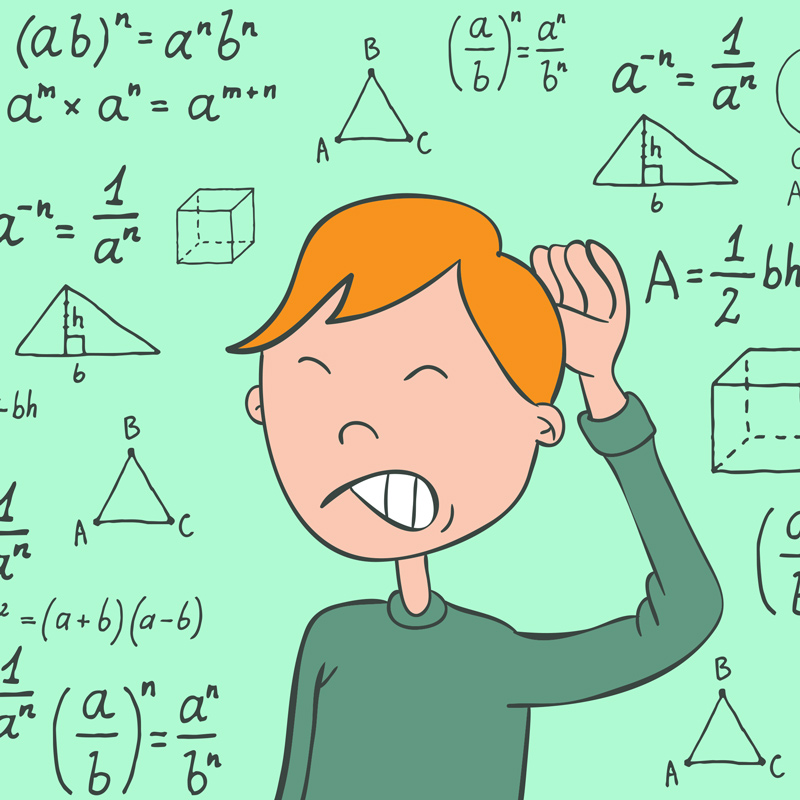
What are the characteristics of a logical/mathematical learner?
a)
Likes to conduct experiments. Likes to work with numbers. Likes to explore patterns and relationships. Good at math, problem solving, and reasoning
b)
Likes to move around, touch, talk, and use body language. Good at sports, dancing, gymnastics, and crafts.
c)
Likes to read books. Listens to and gives oral presentations. Communicates through written and oral messages. Likes discussions and debates. Likes to explain things.
d)
Likes to draw, build, design, and create. Daydreamer and imaginative. Watches movies and plays computer games. Good at sensing changes. Good at puzzles and mazes and reading charts and graphs.
12.

What are the characteristics of a visual/spatial learner?
a)
Likes to conduct experiments. Likes to work with numbers. Likes to explore patterns and relationships. Good at math, problem solving, and reasoning
b)
Likes to move around, touch, talk, and use body language. Good at sports, dancing, gymnastics, and crafts.
c)
Likes to read books. Listens to and gives oral presentations. Communicates through written and oral messages. Likes discussions and debates. Likes to explain things.
d)
Likes to draw, build, design, and create. Daydreamer and imaginative. Watches movies and plays computer games. Good at sensing changes. Good at puzzles and mazes and reading charts and graphs.
13.
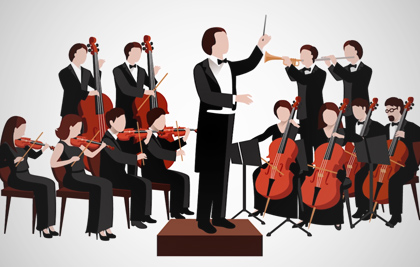
What are the characteristics of a musical/rhythmic learner?
a)
Likes to work alone. Reflective and self-aware. Instinctual and original
b)
Likes to sing, hum tunes, listen to music, play an instrument. Good at picking up sounds, remembering melodies, noticing pitch, rhythm, and patterns. Good at keeping time.
c)
Likes to work outside. Enjoys geography, weather, learning about the environment. Good at categorizing, organizing, planning, Interested in preservation and conservation. Likes to work with animals
d)
Has lots of friends, likes to talk and join groups. Good at understanding people. Good at communicating. Good at mediation (resolving conflict).
14.

What are the characteristics of an interpersonal learner?
a)
Likes to work alone. Reflective and self-aware. Instinctual and original
b)
Likes to sing, hum tunes, listen to music, play an instrument. Good at picking up sounds, remembering melodies, noticing pitch, rhythm, and patterns. Good at keeping time.
c)
Likes to work outside. Enjoys geography, weather, learning about the environment. Good at categorizing, organizing, planning, Interested in preservation and conservation. Likes to work with animals
d)
Has lots of friends, likes to talk and join groups. Good at understanding people. Good at communicating. Good at mediation (resolving conflict).
15.
What are the characteristics of an intrapersonal learner?
a)
Likes to work alone. Reflective and self-aware. Instinctual and original
b)
Likes to sing, hum tunes, listen to music, play an instrument. Good at picking up sounds, remembering melodies, noticing pitch, rhythm, and patterns. Good at keeping time.
c)
Likes to work outside. Enjoys geography, weather, learning about the environment. Good at categorizing, organizing, planning, Interested in preservation and conservation. Likes to work with animals
d)
Has lots of friends, likes to talk and join groups. Good at understanding people. Good at communicating. Good at mediation (resolving conflict).
16.
What are the characteristics of a naturalistic learner?
a)
Likes to work alone. Reflective and self-aware. Instinctual and original
b)
Likes to sing, hum tunes, listen to music, play an instrument. Good at picking up sounds, remembering melodies, noticing pitch, rhythm, and patterns. Good at keeping time.
c)
Likes to work outside. Enjoys geography, weather, learning about the environment. Good at categorizing, organizing, planning, Interested in preservation and conservation. Likes to work with animals
d)
Has lots of friends, likes to talk and join groups. Good at understanding people. Good at communicating. Good at mediation (resolving conflict).
17.
How does a verbal/linguistic learner learn best?
a)
Categorizing, classifying, and working with patterns and relationships
b)
By touching, moving, interacting with space and processing knowledge through bodily sensations
c)
By visualizing, dreaming, and using colors and pictures
d)
Saying, hearing, and seeing words
18.
How does a bodily/kinesthetic learner learn best?
a)
Categorizing, classifying, and working with patterns and relationships
b)
By touching, moving, interacting with space and processing knowledge through bodily sensations
c)
By visualizing, dreaming, and using colors and pictures
d)
Saying, hearing, and seeing words
19.
How does a logical/mathematical learner learn best?
a)
Categorizing, classifying, and working with patterns and relationships
b)
By touching, moving, interacting with space and processing knowledge through bodily sensations
c)
By visualizing, dreaming, and using colors and pictures
d)
Saying, hearing, and seeing words
20.
How does a visual/spatial learner learn best?
a)
Categorizing, classifying, and working with patterns and relationships
b)
By touching, moving, interacting with space and processing knowledge through bodily sensations
c)
By visualizing, dreaming, and using colors and pictures
d)
Saying, hearing, and seeing words
21.
How does a musical/rhythmic learner learn best?
a)
Through rhythm, melody, and music
b)
Working alone, individualized projects, and self-paced instruction
c)
By studying nature’s patterns, such as erosion and climate, learning how things work, and cause and effect relationships
d)
Sharing with others, collaborative groups, and teaching others
22.
How does an interpersonal learner learn best?
a)
Through rhythm, melody, and music
b)
Working alone, individualized projects, and self-paced instruction
c)
By studying nature’s patterns, such as erosion and climate, learning how things work, and cause and effect relationships
d)
Sharing with others, collaborative groups, and teaching others
23.
How does an intrapersonal learner learn best?
a)
Through rhythm, melody, and music
b)
Working alone, individualized projects, and self-paced instruction
c)
By studying nature’s patterns, such as erosion and climate, learning how things work, and cause and effect relationships
d)
Sharing with others, collaborative groups, and teaching others
24.
How does a naturalistic learner learn best?
a)
Through rhythm, melody, and music
b)
Working alone, individualized projects, and self-paced instruction
c)
By studying nature’s patterns, such as erosion and climate, learning how things work, and cause and effect relationships
d)
Sharing with others, collaborative groups, and teaching others
100 %

