
 Worksheets
Genetics and Evolution
Total questions: 32
Worksheet time: 22mins
Name
Class
Date
1.
Aa, DD, bB, yy are all examples of
a)
genotypes
b)
phenotypes
2.
Which of the following genotypes is homozygous dominant?
a)
A
b)
Aa
c)
AA
d)
aa
3.
Which of the following genotypes is heterozygous?
a)
Bb
b)
BB
c)
bb
d)
B
4.
In a flowering plant species, red flower color (R) is dominant over white flower color (r). What is the genotype of any red-flowering plant resulting from this species?
a)
rr
b)
R
c)
RR
d)
RR or Rr
5.
Which of the characteristics is a lion least likely to pass on to its offspring?
a)
fur color
b)
length of tail
c)
scars on leg
d)
body size
6.
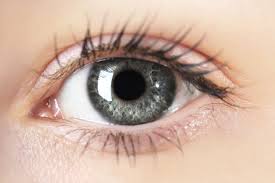
What you see, or the physical appearance.
a)
Genotype
b)
Phenotype
c)
Homozygous
d)
Heterozygous
7.

B = brown fur b = white fur
In the punnett square, what is the probability for white fur?
In the punnett square, what is the probability for white fur?
a)
0%
b)
25%
c)
50%
d)
75%
8.
In plants, tall (T) is dominant to short (t). Perform the following cross: Tt x Tt. What is the probability of producing a short plant?
a)
0%
b)
25%
c)
50%
d)
75%
9.

Who is considered the "father of genetics"?
a)
Gregor Mendel
b)
Reginald Punnett
c)
James Watson
d)
Justin Bieber
10.
An allele whose trait always shows up in the organism when the allele is present.
a)
recessive allele
b)
dominant allele
c)
hidden allele
d)
present allele
11.
An organism's appearance or other detectable characteristic.
a)
genotype
b)
phenotype
c)
genetics
d)
heterozygous
12.
Having two of the same genes for the trait.
a)
homozygous
b)
hetrozygous
c)
protein
d)
chromosome
13.
Having two different genes for a trait.
a)
protein
b)
homozygous
c)
heterozygous
d)
genotype
14.
Who is referred to as the "father of genetics?"
a)
Gregor Mendel
b)
James Watson
c)
Dr. Robbins
d)
Francis Crick
15.
What does heterozygous mean?
a)
Having no alleles
b)
Having two different alleles
c)
Having two of the same alleles
d)
Having 4 alleles
16.
Which of the following represents a heterozygous genotype?
a)
TT
b)
tt
c)
Tt
d)
TtSs
17.
Which of the following represents a recessive genotype?
a)
RR
b)
Rr
c)
rr
d)
RrQq
18.
What type of letter is used to represent recessive traits?
a)
capital
b)
lowercase
19.
Is bb dominant or recessive?
a)
dominant
b)
recessive
20.
RR- round
rr-wrinkled
What is the genotype for wrinkled?
rr-wrinkled
What is the genotype for wrinkled?
a)
RR
b)
rr
c)
Rr
21.
Which term refers to the process by which individuals that are better suited to the environment survive and reproduce therefore passing down their genes to their offspring?
a)
Evolution
b)
Variation
c)
Adaptation
d)
Natural Selection
22.
When an organism completely dies out, it is called.....
a)
Adaption
b)
Extinction
c)
Fossilization
d)
Mutation
23.

Which layer is the oldest?
a)
1
b)
2
c)
3
d)
4
24.
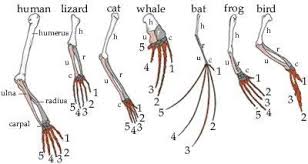
What is this an example of?
a)
vestigial structures
b)
embryology
c)
homologous structures
d)
fossil record
25.

What is this an example of?
a)
diversity of species
b)
variation
c)
vestigial structures
d)
DNA studies
26.
What is an organism that has similar characteristics and can reproduce?
a)
species
b)
organism
c)
embryology
d)
vestigial
27.
What is a change in an organism that allows for it to survive in its environment?
a)
homologous
b)
vestigial
c)
variation
d)
adaptation
28.

Darwin wrote that organisms with traits that are best suited to the environment will ________________
a)
increase in number
b)
become extinct
29.
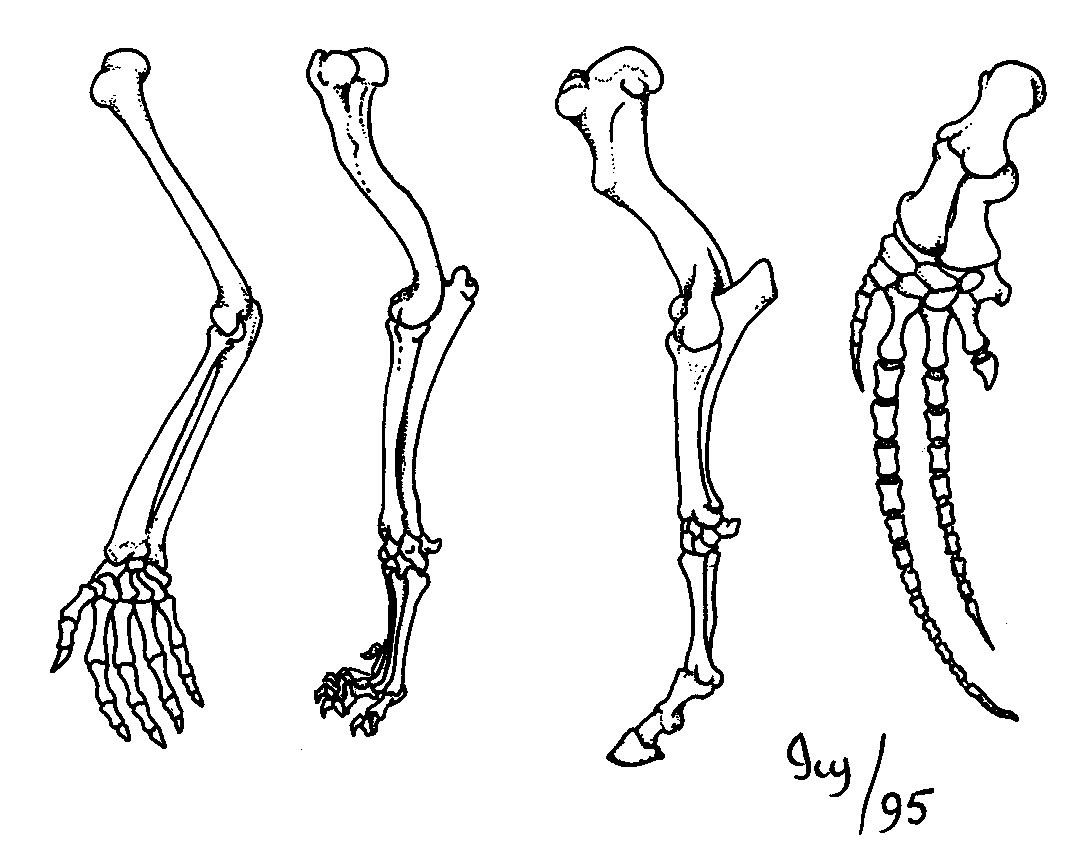
Structures with the same parts have different functions; suggests that organisms share a common ancestry
a)
vestigial structures
b)
homologous structures
c)
adaptive radiation
d)
fossil
30.

The diagram shows fossils in different rock layers. Which of these statements about the age of these fossils is most likely correct?
a)
Fossil A and C are the same age
b)
Fossil B is older than fossil C
c)
Fossils A is older than fossil B
d)
Fossil D is older than fossil C
31.
Why are advantageous traits more likely to be passed onto offspring?
a)
Because they are more likely to survive and reproduce.
b)
Because they come from dominant alleles.
c)
Because they come from recessive alleles.
d)
Because the trait is an acquired phenotype.
32.
The ability of an organism to survive and reproduce in its specific environment
a)
diversity.
b)
evolution
c)
adaptation
d)
fitness
100 %

