
 Worksheets
Environmental Science Review
Total questions: 140
Worksheet time: 2hrs 4mins
Name
Class
Date
1.
Which of the choices below gives a true example of how a natural resource can be renewed?
a)
When the wind is calm, electric fans can be turned on to make the windmills move.
b)
When forests have been cut down, new native trees can be planted.
c)
When an area's natural gas has been used up, oxygen can replace the gas.
d)
When all of the coal is gone from a mine, new coal can be grown in its place.
2.
One of the key traits of scientific minds is _____________, which allows scientists to expand the boundaries of what we know.
a)
Intellectual honesty
b)
Imagination
c)
Replication
d)
Correlation
3.
A road map is an example of a
a)
Graphical model
b)
Mathematical model
c)
Conceptual model
d)
Physical model
4.
What is the first step in an environmental decision making model?
a)
a. Explore the consequences of each option
b)
Consider which values apply to the issue
c)
Make a decision
d)
Gather information
5.
When you examine a scientific value in making an environmental decision, you
a)
a. Consider what is right or wrong
b)
a. Consider what will maintain human health
c)
a. Use your understanding of the natural world
d)
a. Think about what will promote learning
6.
Which of the following sources should you use when gathering information to help you make a decision about environmental issues?
a)
TV news
b)
Local newspapers
c)
Books and magazines
d)
All of above
7.
Principles or standards we consider important are known as
a)
Values
b)
Models
c)
Morals
d)
Data
8.
The environment contains:
a)
living things (biotic) only
b)
Nonliving things (abiotic) only
c)
Both living and nonliving things
d)
only artificial things
9.
Choose which of the following is NOT an example of a natural resource.
a)
coal
b)
sunlight
c)
timber (trees)
d)
plastic
10.
The branch of philosophy that deals with good, bad, right, and wrong is called.
a)
logic
b)
ethics
c)
science
d)
culture
11.
Choose the best definition for sustainability
a)
using as many resources as you want, whenever you want
b)
only using renewable resources and not using many nonrenewable resources
c)
only using nonrenewable resources and not using many renewable resources
d)
using only enough resources for survival and leaving the rest for the future
12.
Sunlight, wind and water are __ resources
a)
renewable
b)
nonrenewable
c)
semirenewable
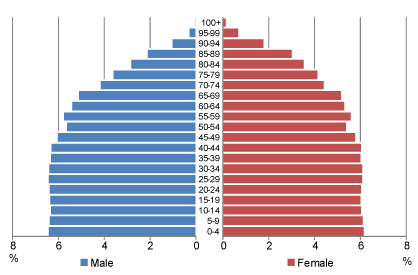
d)
unrenewable
13.
Coal, gasoline and oil are ___ resources
a)
renewable
b)
nonrenewable
c)
semirenewable
d)
unrenewable
14.
All living things are ____ factors
a)
biotic
b)
abiotic
15.
All nonliving things are ____ factors
a)
biotic
b)
abiotic
16.
The amount of resources that you use is called your ___
a)
resource debt to use ratio
b)
ecological footprint
c)
nonrenewable/renewable data
d)
use / nonuse data
17.
Which of these is not an example of a commons?
a)
Aquifers
b)
The ocean
c)
Privately owned farms
d)
Highways
18.
The lorax realized that the trufulla trees were like a commons and would eventually
a)
overpopulate the area
b)
destroy the land
c)
become underappreciated and therefore leave the area
d)
Become depleted over time
19.
A possible explanation to a problem that has not yet been tested.
a)
data
b)
theory
c)
hypothesis
d)
fact
20.
This variable in an experiment is the one being deliberately changed by the scientist.
a)
dependent variable
b)
independent variable
c)
data
d)
control group
21.
There are two types of data. Which type of data involves numbers that are obtained by counting or measuring?
a)
quantitative
b)
qualitative
22.
There are two types of data. Which type of data involves descriptions/photographs/illustrations that cannot be counted or measured?
a)
qualitative
b)
quantitative
23.
A series of steps used by scientists to solve a problem or answer a question.
a)
scientific method
b)
recipe
c)
data collection
d)
metric system
24.
In a controlled experiment, how many independent variables can be worked with at a time?
a)
one
b)
none
c)
two or more
d)
how ever many makes sense.
25.
A student is planning an experiment to find out how the height from which he drops a ball affects how high the ball bounces. The dependent variable is the _____.
a)
Diameter of the ball
b)
Force acting on the ball
c)
Height that the ball bounces
d)
Height from which the ball is dropped
26.
When experimenting with the growth of a plant, a scientist uses three (of the same type of) plants, two different fertilizers, equal light, and equal water. What type of variable is the fertilizer?
a)
Dependent
b)
Independent
c)
Control
d)
Compound
27.
What step does every scientific experiment begin with?
a)
hypothesis
b)
question/problem
c)
procedures
d)
conclusion
28.
This part of the experiment serves as a basis of comparison; the one variable being tested has been omitted.
a)
experimental group
b)
control group
c)
data
d)
variables
29.
Why do we want to test only one independent variable at a time?
a)
Because it is hard to setup a data table with more than one variable
b)
To better identify what is causing the changes
c)
It is what has always been done
d)
It's easier to perform the experiment
30.
What skill is a scientist using when she listens to the sounds that an elephant makes?
a)
drawing conclusions
b)
making observations
c)
interpreting data
d)
making a hypothesis
31.
When you decide whether or not the data supports the original hypothesis, you are
a)
drawing conclusions
b)
forming a hypothesis
c)
asking questions
d)
making observations
32.
What is another word for hypothesis?
a)
evidence
b)
graph
c)
prediction
d)
investigation
33.
The part of the experiment that remains the same for the control and experimental group.
a)
constants
b)
control
c)
independent
d)
dependent
34.
Which one is NOT an example of a decomposer?
a)
mushroom
b)
leaves
c)
mold
d)
worm
35.
Examples of a producer
a)
frog
b)
algae
c)
worm
d)
mouse
36.
Example of a consumer
a)
worm
b)
bacteria
c)
mushroom
d)
hawk
37.
Example of a decomposer
a)
fungus
b)
mouse
c)
plants
d)
frogs
38.

What is a herbivore?
a)
an animal that gets energy from eating other animals
b)
an organism that gets energy from eating only plants
c)
an animal that gets energy by eating both plants and other animals
d)
an animal that eats only herbs
39.

A connection of food chains with many food energy paths in an ecosystem is a ____________
a)
ecosystem
b)
food web
c)
environment
d)
population
40.

An animal that is hunted and eaten for food is a
a)
predator
b)
prey
c)
population
41.

What is a carnivore?
a)
an animal that gets energy by eating other animals
b)
An animal that gets energy by eating only plants
c)
an animal that gets energy by eating both plants and animals
d)
an animal that makes its own energy through photosynthesis
42.

An animal that gets energy from eating both plants and animals is a
a)
herbivore
b)
carnivore
c)
omnivore
d)
autotroph
43.

The shrew provides energy for the _______?
a)
cricket
b)
grasshopper
c)
frog
d)
snake
44.

Where do all life forms get their energy?
a)
Earth's Core
b)
Water
c)
Plants
d)
The Sun
45.
The arrows in a food chain or web represents what?
a)
They point to the organism that is being eaten.
b)
It shows how sunlight flows within an ecosystem.
c)
They show what direction the energy is flowing between organisms.
d)
They represent how water is transferred within a habitat.
46.

What is this called?
a)
Food Web
b)
Food Chain
c)
Abiotic Factors
47.
A third-level consumer has to be which type?
a)
Carnivore.
b)
Decomposer.
c)
Producer.
d)
Herbivore.
48.
Bacteria, fungi, and earthworms are examples of:
a)
scavengers
b)
predators
c)
prey
d)
decomposers
49.

If the grasshopper were to be removed completely from the food web, what organism would be most effected?
a)
The squirrel
b)
The shrew
c)
The deer
d)
The rabbit
50.

Which organism recieves the least amount of energy from the producer?
a)
Owl
b)
Grasshopper
c)
Lilypad
d)
Mouse
51.

Which level has the most energy available?
a)
producer
b)
primary consumer
c)
secondary consumer
d)
tertiary consumer
52.
How much energy is available to be passed on to the next trophic level in an ecosystem?
a)
100%
b)
10%
c)
50%
d)
75%
53.

The fox in this food web would be considered a:
a)
Tertiary Consumer
b)
Producer
c)
Secondary Consumer
d)
Primary Consumer
54.

The mouse in this food web would be considered a:
a)
Primary Consumer
b)
Producer
c)
Tertiary Consumer
d)
Secondary Consumer
55.

The rabbit in this food web would be considered a:
a)
Decomposer
b)
Producer
c)
Secondary Consumer
d)
Primary Consumer
56.
What is a trophic level?
a)
Each level represented within a food chain or web.
b)
Levels of ecosystems that the world is divided into.
c)
Different levels of nutrients present within an organism.
d)
The levels of sunlight an autotroph needs to survive.
57.
What type of symbiosis?
* Hummingbirds feed on nectar from flowers.
* Flowers are pollinated by hummingbirds as they move from flower to flower.
* Hummingbirds feed on nectar from flowers.
* Flowers are pollinated by hummingbirds as they move from flower to flower.
a)
commensalism
b)
mutualism
c)
parasitism
d)
predation
58.
What type of symbiosis?
*The tick lives on dog and feeds on its blood and tissue.
* The dog gets skin irritation and can pick up diseases carried by tick.
*The tick lives on dog and feeds on its blood and tissue.
* The dog gets skin irritation and can pick up diseases carried by tick.
a)
commensalism
b)
mutualism
c)
parasitism
d)
predfation
59.
What type of symbiosis?
*Remora use suckers to attach temporarily to large marine animals such as sharks, manta rays, whales, turtles, or large fish.
*The shark provides free transportation, protection, and dropped food and feces which the remora feeds on. The host is not injured.
*Remora use suckers to attach temporarily to large marine animals such as sharks, manta rays, whales, turtles, or large fish.
*The shark provides free transportation, protection, and dropped food and feces which the remora feeds on. The host is not injured.
a)
commensalism
b)
mutualism
c)
parasitism
d)
predation
60.
What type of symbiosis?
*•Kudzu vines grow by climbing, and wrapping around trees.
*•Kundzu covered trees die as they are smothered and break under the weight of the growing Kudzu vines.
*•Kudzu vines grow by climbing, and wrapping around trees.
*•Kundzu covered trees die as they are smothered and break under the weight of the growing Kudzu vines.
a)
commensalism
b)
mutualism
c)
parasitism
d)
predation
61.
What type of symbiosis?
*Hermit crabs find shells left by snails that have died and move in.
* Snails die and leave behind their shells.
*Hermit crabs find shells left by snails that have died and move in.
* Snails die and leave behind their shells.
a)
commensalism
b)
mutualism
c)
parasitism
d)
predation
62.
What type of symbiosis?
* Skunk Cabbage plants attract flies in cool weather by making heat and provide food to the flies that come.
* Flies move from one Skunk Cabbage plant to the next feeding and transferring pollen as they go.
* Skunk Cabbage plants attract flies in cool weather by making heat and provide food to the flies that come.
* Flies move from one Skunk Cabbage plant to the next feeding and transferring pollen as they go.
a)
commensalism
b)
mutualism
c)
parasititsm
d)
predation
63.
What type of symbiosis?
*Hookworms can enter the body, live off of the host’s blood.
*The host can suffer from blood loss, anemia and iron deficiency.
*Hookworms can enter the body, live off of the host’s blood.
*The host can suffer from blood loss, anemia and iron deficiency.
a)
commensalism
b)
mutualism
c)
parasitism
d)
predation
64.
What does symbiosis mean?
a)
A.living separately, no relationship between 2 species
b)
A.living together, close relationship between 2 species
c)
A.Living separately, long distance relationship between 2 species
d)
When one species kills and eats another
65.
What is a change in an organism that allows for it to survive in its environment?
a)
homologous
b)
vestigial
c)
variation
d)
adaptation
66.
When all of the organisms of a species have died it is called
a)
evolution
b)
extinction
c)
adaptation
d)
natural selection
67.

What is this an example of?
a)
diversity of species
b)
variation
c)
vestigial structures
d)
DNA studies
68.
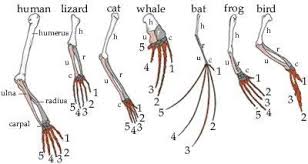
What is this an example of?
a)
vestigial structures
b)
embryology
c)
homologous structures
d)
fossil record
69.

Which layer is the oldest?
a)
1
b)
2
c)
3
d)
4
70.
When the DNA of an organism is altered it is referred to as…
a)
Mutation
b)
Gene Flow
c)
Genetic Drift
d)
Sexual Selection
71.
When individuals choose traits possessed by the opposite sex it is called…
a)
Mutation
b)
Gene Flow
c)
Genetic Drift
d)
Sexual Selection
72.
The cause of artificial selection is…
a)
The environment
b)
Humans
c)
Mutation
d)
Gene Flow
73.

Darwin wrote that organisms with traits that are best suited to the environment will ________________
a)
increase in number
b)
become extinct
74.
Which term refers to the process by which individuals that are better suited to the environment survive and reproduce therefore passing down their genes to their offspring?
a)
Evolution
b)
Variation
c)
Adaptation
d)
Natural Selection
75.
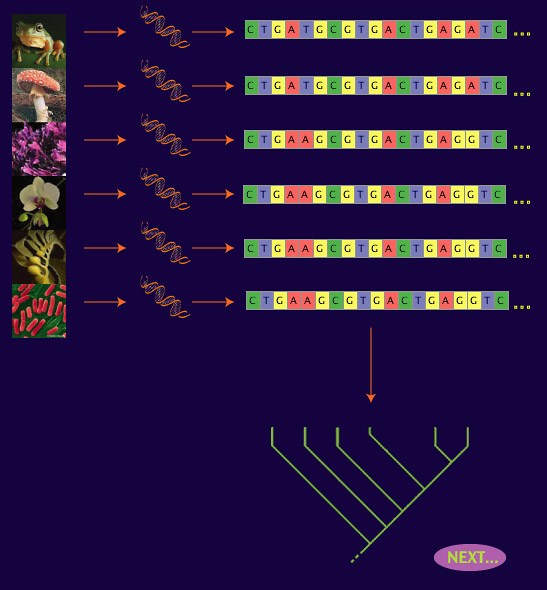
Two organisms that are closely related would have
a)
very similar DNA sequence
b)
exactly the same DNA sequences
c)
no proteins in common
d)
completely different DNA sequence
76.
Inherited trait that helps an organism survive is a(n) __________.
a)
Fossil
b)
Adaptation
c)
Ancestor
d)
Natural selection
77.
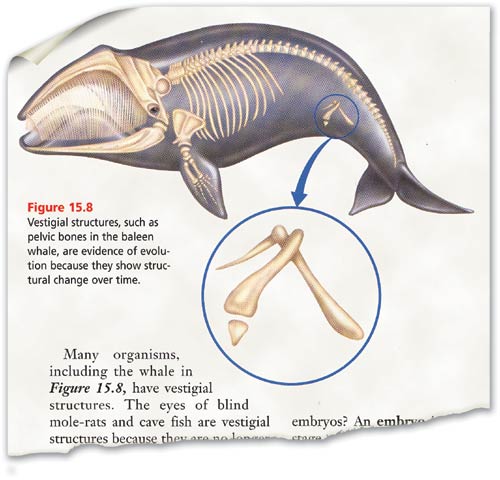
Which of the following is an example of a vestigial structure?
a)
the wings of a red-tailed hawk
b)
the hind limbs of a house cat
c)
the fins of sharks
d)
the tailbone of a human
78.

Which of the following is a term for a group of similar organisms that can reproduce fertile offspring?
a)
individual
b)
population
c)
species
d)
fossil
79.
Which biome is characterized by low temperatures and low amounts of rainfall?
a)
tundra
b)
desert
c)
temperate deciduous forest
d)
tropical rain forest
80.
Which biome covers most of the land mass near the Earth's equator?
a)
tundra
b)
desert
c)
grassland
d)
tropical rainforest
81.
Which biome is found on the mountain above the tree line?
a)
grassland
b)
deciduous forest
c)
tundra
d)
tropical forest
82.
Which biome, because of its climate, has the largest number of species of plants and animals?
a)
tundra
b)
desert
c)
tropical rainforest
d)
pine forest
83.
One characteristic feature of tundra is that only the surface thaws in the summer and refreezes in the winter, leaving a layer of permanently frozen subsoil. This characteristic is known as
a)
glaciation
b)
permafrost
c)
crystallization
d)
soilfrost
84.
Which type of trees is found in a temperate forest?
a)
deciduous
b)
evergreen
c)
ginko
d)
palm
85.
Which major biome is home to cacti, mesquite, white thorn, pack rats, small reptiles, and coyotes?
a)
desert
b)
taiga
c)
tundra
d)
grassland
86.
Which biome receives between 0 to 25 centimeters of rain per year, has a temperature range of 0 to 50 degrees Celsius, has poor soil, and is home to lizards, scorpions, and snakes?
a)
desert
b)
mountain
c)
taiga
d)
tundra
87.
Which biome contains large populations of grazing herbivores, few species of birds, and deep, rich soil?
a)
taiga
b)
tundra
c)
deciduous forest
d)
grassland
88.
This biome contains mostly spruce trees and Douglas firs, which are both evergreen. The winters are long and cold and the summers are short and rainy. The soil is very rich. Moose and elk live here. This biome is classified as a
a)
taiga
b)
tundra
c)
deciduous forest
d)
temperate forest
89.
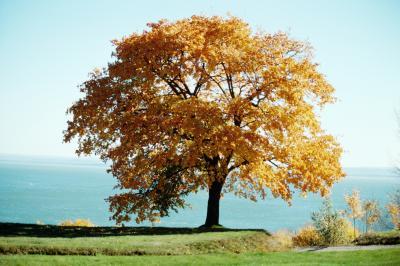
The biome known for trees with broad leaves that fall off the trees in the winter.
a)
Coniferous Forests
b)
Deciduous Forests
c)
Deserts
d)
Tropical Rain Forests
90.
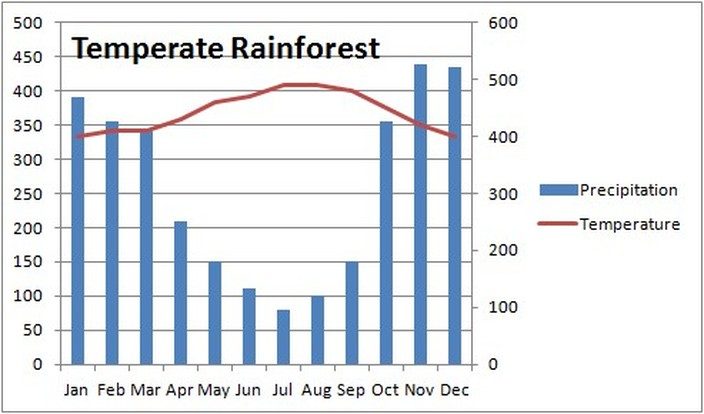
The most important abiotic factors when studying biomes are...
a)
Food and Water
b)
Water and Sunlight
c)
Temperature and Oxygen
d)
Water and Temperature
91.
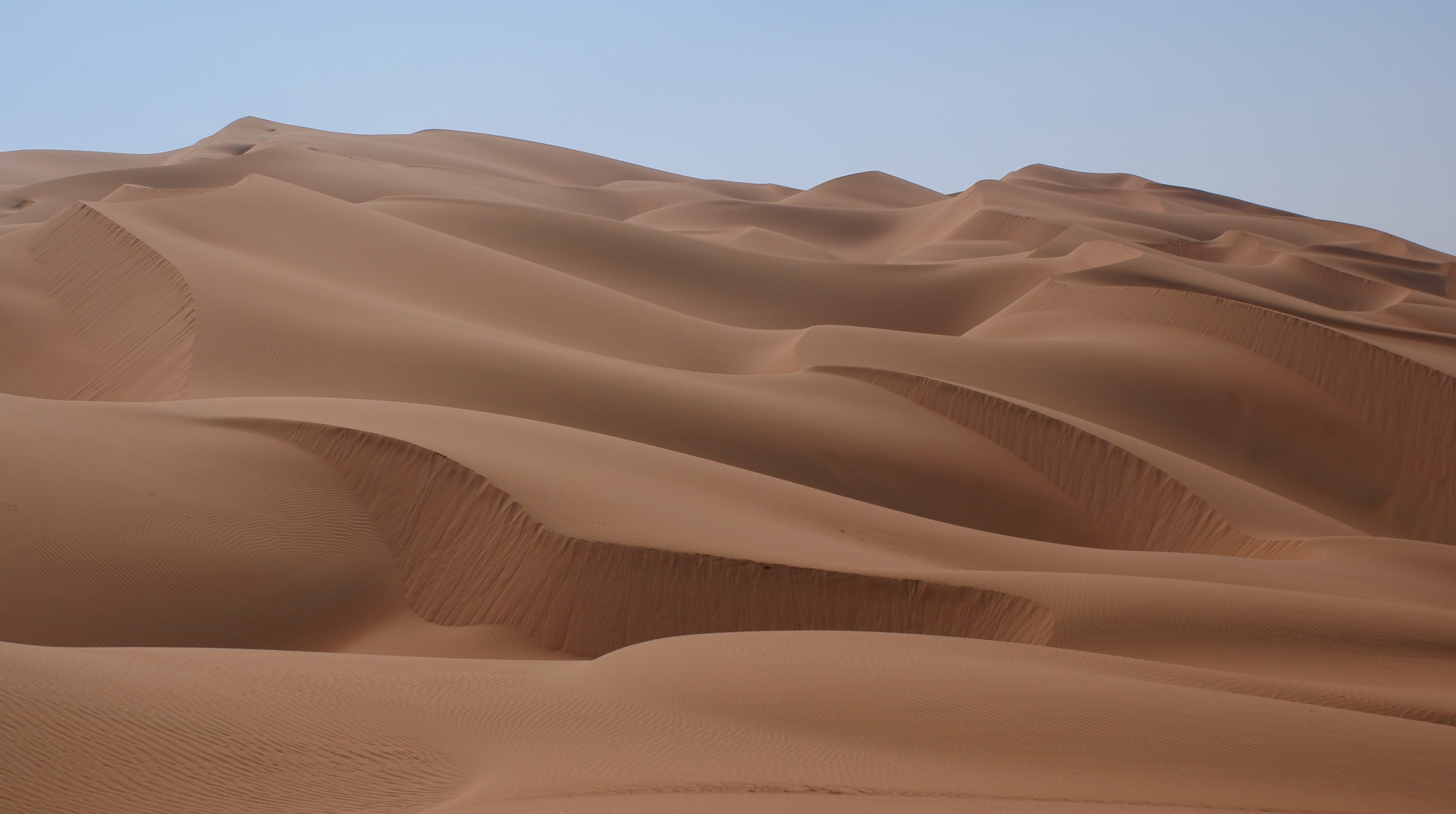
Which biome is MOST LIKE the "desert" in terms of precipitation?
a)
tropical rainforest
b)
temperate deciduous forest
c)
tundra
d)
coniferous forest
92.
Areas defined by their geographical location and ecological similarity are called?
a)
ecozones
b)
biotopes
c)
biomes
d)
biodomes
93.
What are the key features of the Tundra?
a)
cold winter, thin acidic soil, evergreen trees
b)
treeless, permafrost, cold dark winters
c)
ong cool summers, short dark winters, migrating animals
d)
many evergreen trees, short moist summers, long snowy winters
94.
Which climate zone do we live in?
a)
Temperate
b)
Tropical
c)
Polar
d)
Savannas
95.
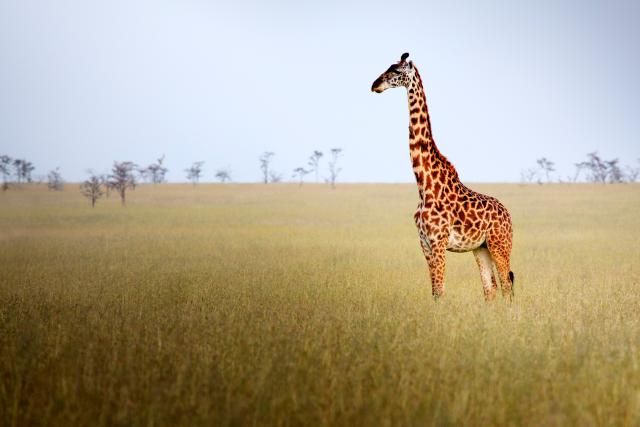
Which biome is home to lions, zebras, wildebeests, giraffes, and elephants?
a)
Grasslands
b)
Tundra
c)
Rainforest
d)
Temperate Forest
96.
Which type of trees is found in a temperate forest?
a)
deciduous
b)
evergreen
c)
ginko
d)
palm
97.
Climate is...
a)
Temperature and Sunlight
b)
Temperature and Precipitation
c)
Precipitation and Rainfall
d)
Precipitation and Soil Content
98.
In the rain forest the tall trees form a leafy roof called the
a)
Canopy
b)
Understory
c)
Forest Floor
99.
This is the atmospheric conditions that are occurring now are a few days in the future...
a)
Climate
b)
Weather
100.
This is the amount of precipitation and temperature in a certain area over a long period of time...
a)
Climate
b)
Weather
101.
An area where land is periodically underwater.
a)
Wetland
b)
Forest
c)
Desert
d)
Woodland
102.
Organisms that cannot swim against current.
a)
Fish
b)
Plankton
c)
Crustacean
d)
Benthos
103.
Free swimming organisms
a)
Benthos
b)
Nekton
c)
Amoba
d)
Crustacean
104.
Bottom dwelling organisms.
a)
Plankton
b)
Fish
c)
Mammals
d)
Benthos
105.
Nutrient rich area near the shore of lakes and ponds
a)
Littoral zone
b)
Transition zone
c)
Mangrove
d)
Swamp
106.
The bottom area of a pond or lake.
a)
Littoral zone
b)
Benthic zone
c)
Swamp
d)
Barrier island
107.
An increase in the amount of nutrients in an aquatic ecosystem
a)
Eutrophication
b)
Zootrophication
c)
Overfishing
d)
Swamping
108.
Two factors that determine where an organism lives in aquatic ecosystem are
a)
Temperature and sunlight
b)
Neighbors and housing prices
c)
Fish and wildlife
d)
Darkness and tree height
109.
In estuaries, rivers deposit their loads of mineral rich mud and form
a)
Deltas
b)
Salt marshes
c)
Lakes
d)
Divergences
110.
Dense growths of mangrove trees in swampy areas are called
a)
Forest
b)
Coral reef
c)
Fish farm
d)
Mangrove swamps
111.
Limestone ridges built by tiny coral animals coral polyps and the algae that live inside them.
a)
Coral reefs
b)
Swamps
c)
Deserts
d)
Levees
112.
Animals that live in estuaries must be adapted to varying levels of
a)
Height
b)
Colors
c)
Temperature
d)
Salinity
113.
Bacteria kill organisms in eutrophic lakes by reducing _______ dissolved in the lake
a)
Oxygen
b)
Food
c)
Bacteria
d)
Sunlight
114.
Amount of dissolved salt
a)
estuary
b)
eutrophication
c)
salinity
d)
runoff
115.
Why does photosynthesis not occur in the deep ocean?
a)
Lack of nutrients
b)
Low oxygen levels
c)
Excess sunlight
d)
Sunlight does not penetrate
116.
What determines the arrangement of organisms in the ocean?
a)
nutrients and salinity
b)
sunlight and nutrients
c)
salinity and sunlight
d)
oxygen and salinity
117.
The algae and microscopic organisms on the surface of lakes and ponds get their food
a)
by photosynthesis
b)
by eating
c)
through their gills
d)
through their stomata
118.
Runoff fertilizer and livestock waste from farms can add to the ____ of a pond?
a)
nutrients
b)
oxygen
c)
pollution
d)
biotic factors
119.
What happens as depth increases in an ocean?
a)
Light decreases and it gets colder
b)
Light increases and it gets warmer
c)
Nothing
120.
Microscopic, free-floating, autotrophic organisms that function as producers in aquatic ecosystems are called...
a)
plankton
b)
zooplankton
c)
phytoplankton
d)
bacteria
121.
Which of the following leads to a decrease in birthrates among women?
a)
Higher Education
b)
High Infant Mortality Rate
c)
No Prenatal Care
d)
No contraceptives
122.
The number of individuals an environment can support is known as the
a)
Total Fertility Rate
b)
Exponential Growth
c)
Limiting Factor
d)
Carrying Capacity
123.
VOCAB: The study of human population statistics
a)
demography
b)
biology
c)
microbiology
d)
ecology
124.
VOCAB: The average number of children a female member of a population has during her lifetime
a)
total fertility rate
b)
replacement fertility rate
c)
growth rate
d)
death rate
125.
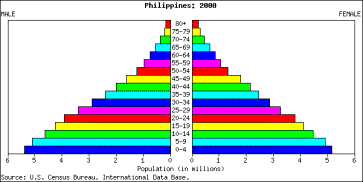
According to the population pyramid of this country, its population is most likely...
a)
growing slowly.
b)
growing rapidly.
c)
decreasing.
d)
not changing.
126.
What kind of growth is this country experiencing?
a)
Exponential Growth
b)
Stable Growth
c)
Declining Growth
127.
VOCAB: The average number of years an individual is expected to live.
a)
life expectancy
b)
infant mortality
c)
death rate
d)
growth rate
128.
VOCAB: how a population changes in size during a specific period of time.
a)
growth rate
b)
infant mortality
c)
life expectancy
d)
death rate
129.
High levels of GDP per capita indicate...
a)
Higher levels of happiness
b)
Higher standard of living
c)
Equal levels of wealth
d)
Self-sufficient communities
130.

What type of population change does this graph represent
a)
Exponential Growth
b)
Massive Die-off
c)
Linear Growth
d)
Decrease in Birth-Rate
131.
The movement of individuals away from a population
a)
emigration
b)
immigration
c)
dispersion
d)
population density
132.
Number of organisms per unit of living area
a)
Population density
b)
dispersion
c)
carrying capacity
d)
population growth rate
133.
What is a population pyramid?
a)
A type of graph showing the number of males and females in different age groups.
b)
A type of graph showing the number of males in different age groups.
c)
A type of graph showing the number of females in different age groups.
d)
A type of graph showing the number of males and females in only one age group.
134.
Which correctly describes the term demographic transition?
a)
The transition from low birth rates and death rates to high birth rates and death rates as a country develops.
b)
The transition from high birth rates and death rates to low birth rates and death rates as a country develops.
c)
The transition from high birth rates to low death rates as a country develops.
d)
The transition from low birth rates to high death rates as a country develops.
135.
Demographic transition is the transition from high birth and death rates to low birth and death rates as a country develops from a pre-industrial to an industrialized economic system. A demographic transition involves four stages. What is the first stage?
a)
Birth and death rates are high and in balance.
b)
Death rates drop rapidly due to better food supply and sanitation.
c)
Birth rates fall due the increase in the status and education of women.
d)
Birth rates and death rates are both low which leads to a shrinking population.
136.
VOCAB: Number of babies out of 1000 that die during their first year of life
a)
infant mortality
b)
child mortality
c)
life expectancy
d)
growth rate
137.
Which is the proper sequence of steps in the demographic transition model?
a)
pre-industrial, industrial, post-industrial, transitional
b)
pre-industrial, transitional, industrial, post-industrial
c)
transitional, pre-industrial, industrial, post-industrial
d)
post-industrial, transitional, industrial, pre-industrial
138.
The most critical factor in controlling human population growth is:
a)
decreasing the average number of births per women
b)
controlling the length of one's reproductive life span
c)
decreasing infant mortality
d)
increasing medical care and overall wellness for human population
139.
World population growth will eventually stop when
a)
the population reaches 9 billion
b)
most countries have replacement-level fertility rates.
c)
most countries have higher death rates.
d)
the worldwide infant mortality rate increases.
140.
What 2 factors decrease population size?
a)
Immigration, Births
b)
Emigration, Births
c)
Emigration, Deaths
d)
Immigration, Deaths
100 %