wayground logo

Free Printable Worksheets

Font size

S
M
L
XL
Worksheets

Unit 2: Space Systems Test Review

Total questions: 66

Worksheet time: 56mins

Name
Class
Date
1.
Seasons are caused by the tilt of the earth's axis, and:
a)
tides
b)
the earth revolving around the sun
c)
the moon's gravity
d)
wind
2.
It is summer in New York. That means:
a)
The northern hemisphere is tilted towards the sun
b)
The southern hemisphere is tilted towards the sun
c)
The eastern hemisphere is facing towards the sun
d)
The western hemisphere is facing towards the sun
3.
Shadows have different lengths throughout the day because:
a)
The earth is rotating
b)
The sun is revolving around the earth
c)
The earth is revolving around the sun
d)
Gravity
4.
Earth's ________ on its axis causes day and night.
a)
rotation
b)
revolution
c)
phase
d)
comet
5.
One full orbit of an object around another object is called a ________.
a)
axis
b)
rotation
c)
revolution
d)
satellite
6.
The __________ has planets, moons, comets, and asteroids.
a)
solar system
b)
earth
c)
rotation
d)
United States
7.
Why does Earth have different seasons? 
a)
because of the distance between Earth and the sun 
b)
because of the speed of Earth as it rotates on its axis 
c)
because of the amount of light blocked by the moon on its axis 
d)
because of the tilt of Earth on its axis as it moves around the sun 
8.
What happens when the area in which you live tilts away from the sun?
a)
It is summer.
b)
It is spring.
c)
It is winter.
d)
It is fall.
9.

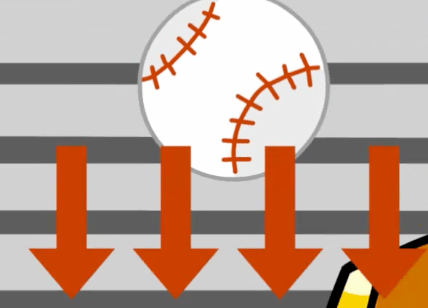
Why does a ball fall to the ground?

a)
Earth's force of gravity is GREATER than the ball's, so the ball gets attracted to the ground. 
b)
Earth's force of gravity is LESS than the ball's, so the ball gets attracted to the ground. 
10.
What is the unit of measurement used to measure the distance of galaxies or stars?
a)
light year
b)
centimeter
c)
millimeter
d)
grams
11.
Our planets in the solar system orbit the: 
a)
Moon
b)
Sun
c)
Sky
d)
Earth
12.
What happens when the area you live in tilts away from the sun?
a)
It is summer
b)
It is spring
c)
It is fall
d)
It is winter
13.
If it is winter in the Northern Hemisphere, what season is it in the Southern Hemisphere?
a)
Spring
b)
Fall
c)
Winter
d)
Summer
14.
It takes Earth _____________ to make one revolution or orbit around the Sun.
a)
365 days
b)
365 hours
c)
28 days
d)
24 hours
15.
It takes Earth _________ to make one complete rotation on its axis.
a)
24 hours
b)
365 days
c)
28 days
d)
24 days
16.
Fixed patterns of stars are called _____.
a)
Constellations
b)
Nebulas
c)
orbits
d)
systems
17.
The rotation of Earth on its axis causes the pattern of _____.
a)
night and day
b)
constellations
c)
Earth's seasons
d)
the phases of the moon
18.
What causes Earth's seasons?
a)
the tilt of Earth's axis
b)
Earth's rotation
c)
the revolution of the Moon
d)
Earth's distance from the Sun
19.
The imaginary line running through the center of Earth.
a)
axis
b)
moon
c)
constellation
d)
orbit
20.
The sun and everything that revolves around it.
a)
solar system
b)
galaxy
c)
universe
d)
rotation
21.
__________holds all of the planets in orbit around the sun.
a)
Force
b)
Motion
c)
Weight
d)
Gravity
22.
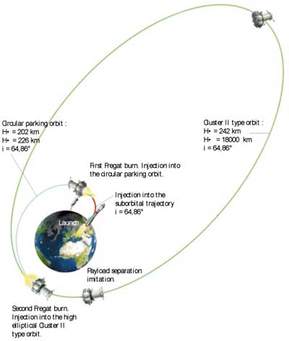
What does orbit mean?
a)
The path a planet takes around the sun.
b)
The spinning of the planet.
c)
When a rocket blasts into space.
d)
To fly into outer space.
23.
This is a picture of what?
a)
moon
b)
constellation
c)
nebula
d)
solar system
24.
To rotate means to _______
a)
spin
b)
twist
25.
A hot ball of burning gas is___________
a)
a star
b)
a planet
c)
a constellation
d)
a shadow
26.
When light is blocked by an object, a ____________ is cast.
a)
shadow
b)
star
c)
earthquake
d)
revolution
27.
When does gravity act on an object?
a)
when it is falling
b)
when it is hit
c)
when it doesn't move
d)
ALWAYS
28.
Gravity is always acting on all objects on Earth.
a)
True
b)
False
29.
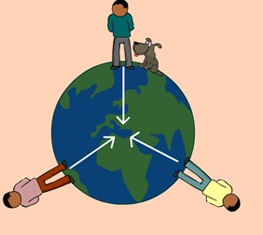
In what direction does gravity pull objects?
a)
out into space
b)
it doesn't pull, it pushes
c)
upwards into the sky
d)
downwards towards the center of Earth
30.
How does distance affect our view of an object?
a)
The closer an object is, the smaller it looks.
b)
The farther away an object is, the larger it looks.
c)
The farther away an object is, the smaller it looks.
d)
The farther away an object is, the wider it looks.
31.
Which statement about the sun is true?
a)
The sun is the only star in the universe.
b)
The sun is the biggest star in the universe.
c)
The sun is the only star in the solar system.
d)
The sun is one of many stars in the solar system.
32.

What is the only source of heat and energy for the entire solar system?

a)
the sun
b)
the Earth
c)
the moon
d)
Polaris
33.
How do shadows change throughout the day?
a)
They go from long to short and back to long.
b)
The go from short to long.
c)
They go from short to long and back to short.
d)
They stay the same the entire day.
34.
What causes the change in shadow lengths throughout the day?
a)
the angle of the Sun
b)
the rotation of the Earth
c)
the angle of the Sun and the rotation of the Earth
d)
the revolution of the Earth
35.
When are shadows the shortest during the day?
a)
when the Sun is highest in the sky
b)
at sunset
c)
at sunrise
d)
at 9:00AM
36.
The stars seem to move because...
a)
they don't seem to move, we see the same stars all the time.
b)
as the Earth rotates, certain stars appear throughout the day.
c)
as the Earth revolves around the Sun, we face different parts of the universe at night.
d)
as the Earth orbits the Sun, the sunlight shines on different stars.
37.

Who's the best team ever?

a)

Eagles

b)

Eagles

c)

Eagles

d)

Eagles

38.
What is gravity?
a)
A force
b)
Energy
c)
A push
d)
All of them
39.
Without gravity we would________. 
a)
Float away
b)
Stay in the ground
c)
Nothing would happen.
d)
I don't know
40.
Which object has more mass? 
a)
Ball
b)
Earth
41.

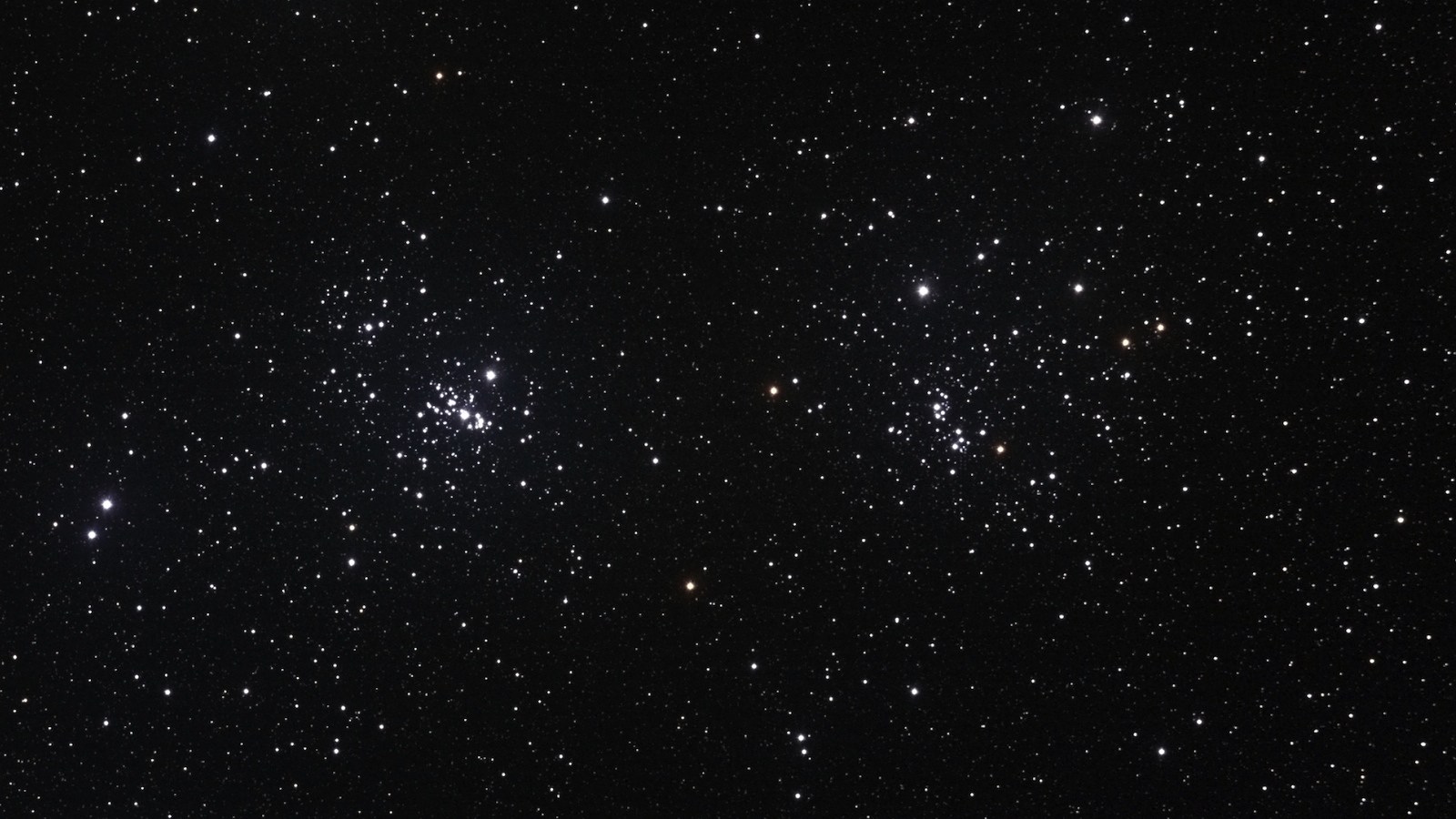
What constellation is this?

a)

Orion

b)

Taurus

c)

Canis Major

d)

Gemini

42.

As the earth revolves around the Sun, the constellations and stars appear to _________.

a)

move across the sky

b)

stand still in the sky

c)

move around each other

d)

rotate

43.
Why do other stars appear so much smaller than the sun?
a)
They are much smaller
b)
They are so far away
c)
They are not as bright
d)
They are dwarf stars
44.
Constellations may be only visible during certain seasons due to the Earth’s orbit around the____.  
a)
Earth
b)
Mars
c)
Planets
d)
Sun
45.
Why can't we see constellations during the day?
a)
They move
b)
Its not dark
c)
The sun is too bright
d)
They change shape
46.

Why can't we see Lyra in the winter?

a)

The sky is too bright during winter.

b)

The Earth orbits around the sun, so only certain constellations are visible during different seasons.

c)

Lyra is not a constellation

d)

Constellations orbit around the Earth and sun, so only some constellations are visible during different seasons.

47.
What causes shadows? 
a)
An object blocking the light source
b)
The water cycle
c)
An object letting the light source through
d)
The moon
48.
Where does the sun rise? 
a)
North
b)
South
c)
East
d)
West
49.
Where does the sun set? 
a)
North 
b)
South
c)
East
d)
West
50.
What time of day are shadows the shortest? 
a)
Early morning
b)
Late Morning
c)
Noon
d)
Sunset
51.
True or False: The shadows are longest in the early morning and late afternoon. 
a)
True
b)
False
52.
It is the imaginary line around which Earth rotates. Earth has a tilt of 23.45 degrees which helps to create seasonal weather and climate
a)
axis
b)
revolution
c)
shadow
d)
sun
53.

How does the sun's position in the sky change in 1 day?

a)

The sun rises in the north and sets in the south

b)

The sun comes up in the east, overhead at noon, and sets in the west

c)

The sun rises in the east, is in the west at noon, and sets in the north

54.

What causes a shadow to change during the day?

a)

The sun's position in the sky

b)

Where the moon is located during the day

c)

When the sun sets

55.

In what ways does a shadow change during the day?

a)

They get smaller as the day goes on

b)

They get wider as it gets darker

c)

Shadows change direction and length

56.
What causes the seasons to change?
a)
The warming and cooling of Earth's core.
b)
The distance from the sun.
c)
Earth's tilt in relation to the sun.
d)
Earth's rotation on its axis.
57.
What happens when the area in which you live tilts away from the sun?
a)
It is summer.
b)
It is spring.
c)
It is winter.
d)
It is fall.
58.

The sun appears to be so big compared to other stars because ___________

a)

The sun is the closest star to the earth

b)

The sun is the biggest star in the universe

c)

The sun is the hottest star in the universe

d)

It gives off the most energy

59.

I have a 10 pound cannon ball, and a 2 pound cannon ball. How does gravity affect them?

a)

Gravity pulls harder on the 2 pound ball.

b)

Gravity pulls harder on the 10 pound ball

c)

Gravity pulls on both objects the same

d)

Gravity does not pull on either object

60.

What star is closest to earth?

a)

Ursa minor

b)

The North Star

c)

Sirius

d)

The sun

61.

Summer has more sunlight and warmer temperatures than winter because in the summer _________

a)

The sun is closer to the earth

b)

The earth is tilted toward the sun

c)

Gravity is pulling in more heat in the summer

d)

The sun gets larger in the summer

62.

Why does the sun appear to move through the sky?

a)

The earth is revolving around the sun

b)

The earth is rotating on its axis

c)

The sun is zooming through space

d)

Gravity

63.

Which is true about the size of the sun?

a)

The sun is bigger than the earth

b)

They are the same size

c)

The earth is bigger than the sun

d)

There is no way to know which is larger

64.

Why do you see different constellations at different times of the year?

a)

The Earth rotates, so we are always spinning on our axis.

b)

The Earth revolves. We see different sky at different times.

c)

The Earth is tilted on its axis.

d)

The constellations are always changing shapes.

65.

Who is this?

a)

Lilo

b)

Milo

c)

Stitch

d)

Marco

66.

What is this lion's name?

a)

Mufasa

b)

Simba

c)

Nala

d)

Scar