
 Worksheets
Astronomy Review
Total questions: 45
Worksheet time: 47mins
Name
Class
Date
1.
Sometimes called "dirty snowballs".
a)
asteoids
b)
meteoroids
c)
comets
d)
meteors
2.
When a meteor hits Earth, what is it called?
a)
meteorite
b)
meteroid
c)
meteor
3.
What is a meteor called when it's in space?
a)
meteroid
b)
meteor
c)
meteorite
4.

Where is the best place to put a telescope to get the clearest images of deep space?
a)
Near a city
b)
In space
c)
Top of a mountain
d)
In a desert
5.

Which is NOT a type of galaxy?
a)
Elliptical
b)
Spiral
c)
Oblong
d)
Irregular
6.
How old do scientists think the Universe is?
a)
13.8 billion years old
b)
4.5 billion years old
c)
24,000 years old
d)
5 years old
7.
Red Shift means
a)
galaxies are moving towards each other
b)
galaxies are moving away from each other
8.
What is the best evidence for the Big Bang theory?
a)
How fast light can travel
b)
The expansion of the Universe
c)
Creation of new planets
9.

The distance light can travel in 1 year is called...
a)
Light Year
b)
Light Distance
c)
Space year
10.
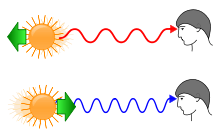
In ____shift, the galaxies appear _____ in color b/c they are moving away from us.
a)
blue; red
b)
red; red
c)
red; blue
d)
blue; blue
11.
Spectroscopes can tell us all of these about except...
a)
Temperature of a star
b)
Elements that make up a star
c)
Age of a star
d)
Size of a star
12.
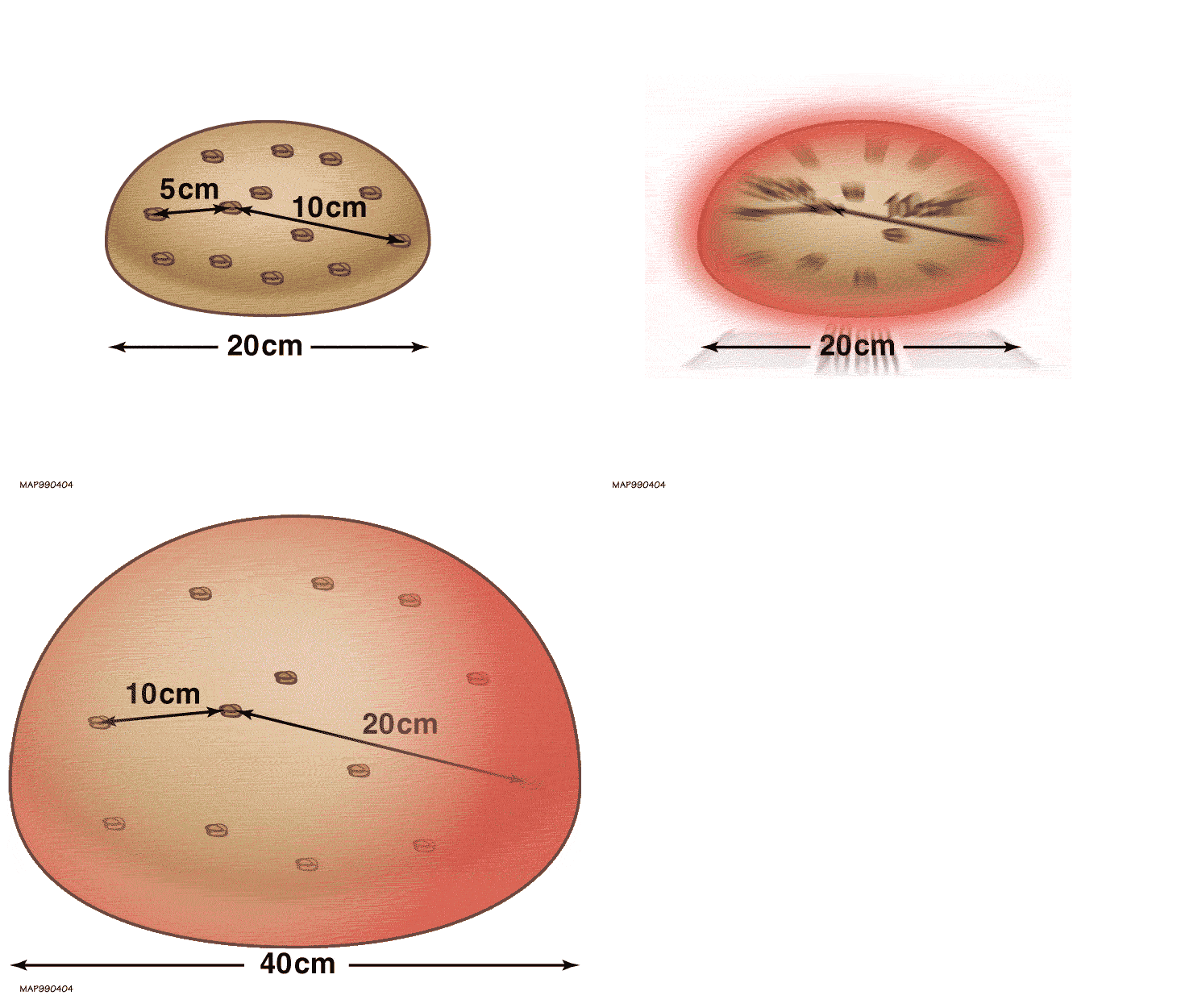
Who discovered that the galaxies were moving away from one another?
a)
Edwin Hubble
b)
Issac Newton
c)
Albert Einstein
d)
Galileo Galile
13.

What evidence is there that the universe is expanding?
a)
God's Existence
b)
Quantum Mechanics
c)
Eintein's Theory of Relativity
d)
Cosmic Microwave Background Radiation
14.
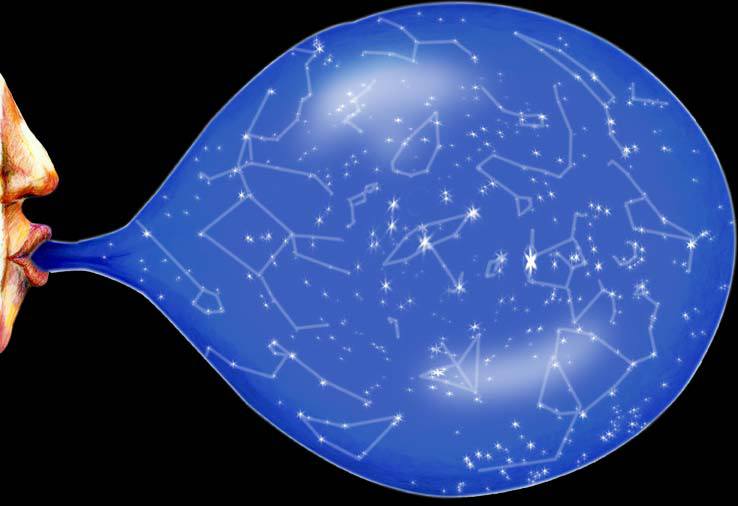
What does the Big Bang theory suggest?
a)
The universe was just there
b)
The Milky Way is the only solar system
c)
The universe is continually expanding
d)
The universe started as a point and is moving towards each other
15.
There are thousands of these orbiting the Earth. They send information to the Earth about the universe, weather, and cell phones.
a)
space probes
b)
space shuttle
c)
space station
d)
satellite
16.
This type of telescope can see light that is not visible.
a)
blind telescope
b)
radio telescope
c)
invisible telescope
d)
shuttle telescope
17.
These can carry cameras and other equipment far out into the solar system.
a)
satellite
b)
rover
c)
space shuttle
d)
space probe
18.

What lies between Mars and Jupiter?
a)
Asteroid Belt
b)
Kuiper Belt
c)
Oort Cloud
19.

Which planets are closest to the sun?
a)
Dwarf planets.
b)
Gas planets.
c)
Terrestrial planets.
20.

What do we call space debris that burns up in Earth's atmosphere, creating a streak of light (shooting star)?
a)
Meteorites
b)
Meteors
c)
Meteoroids
21.

The outer most planets, jovial planets, are sometimes called __________.
a)
Dwarf
b)
Gas planets (or giants)
c)
Terrestrial planets
22.

Spectroscopes use bands of color to identify:
a)
Mass of star
b)
The elements in the star
c)
The weight of the star
d)
The sounds the star makes
23.

A refracting telescope uses:
a)
Lens
b)
Mirrors
c)
Lens and mirrors
d)
Transmitters
24.
Reflecting telescopes differ from refracting telescopes in having
a)
no eyepiece lens.
b)
two large objective lenses.
c)
a mirror instead of an objective lens.
d)
one large objective lens.
25.

Which season is taking place in the Northern Hemisphere in Position 3?
a)
Winter
b)
Spring
c)
Summer
d)
Fall
26.

Which season is taking place in the Northern Hemisphere in Position 4?
a)
Winter
b)
Spring
c)
Summer
d)
Fall
27.
The Earth's axis is tilted _____ degrees.
a)
23.5
b)
25.3
c)
30.2
d)
24
28.

What happens when the area in which you live tilts away from the sun?
a)
It is summer.
b)
It is spring.
c)
It is winter.
d)
It is fall.
29.
The term equinox means....
a)
equal amount of day light and equal amount of night
b)
Equal amount of winter and summer
c)
Equal amounts of hot dogs for everyone
d)
The longest day of the year
30.
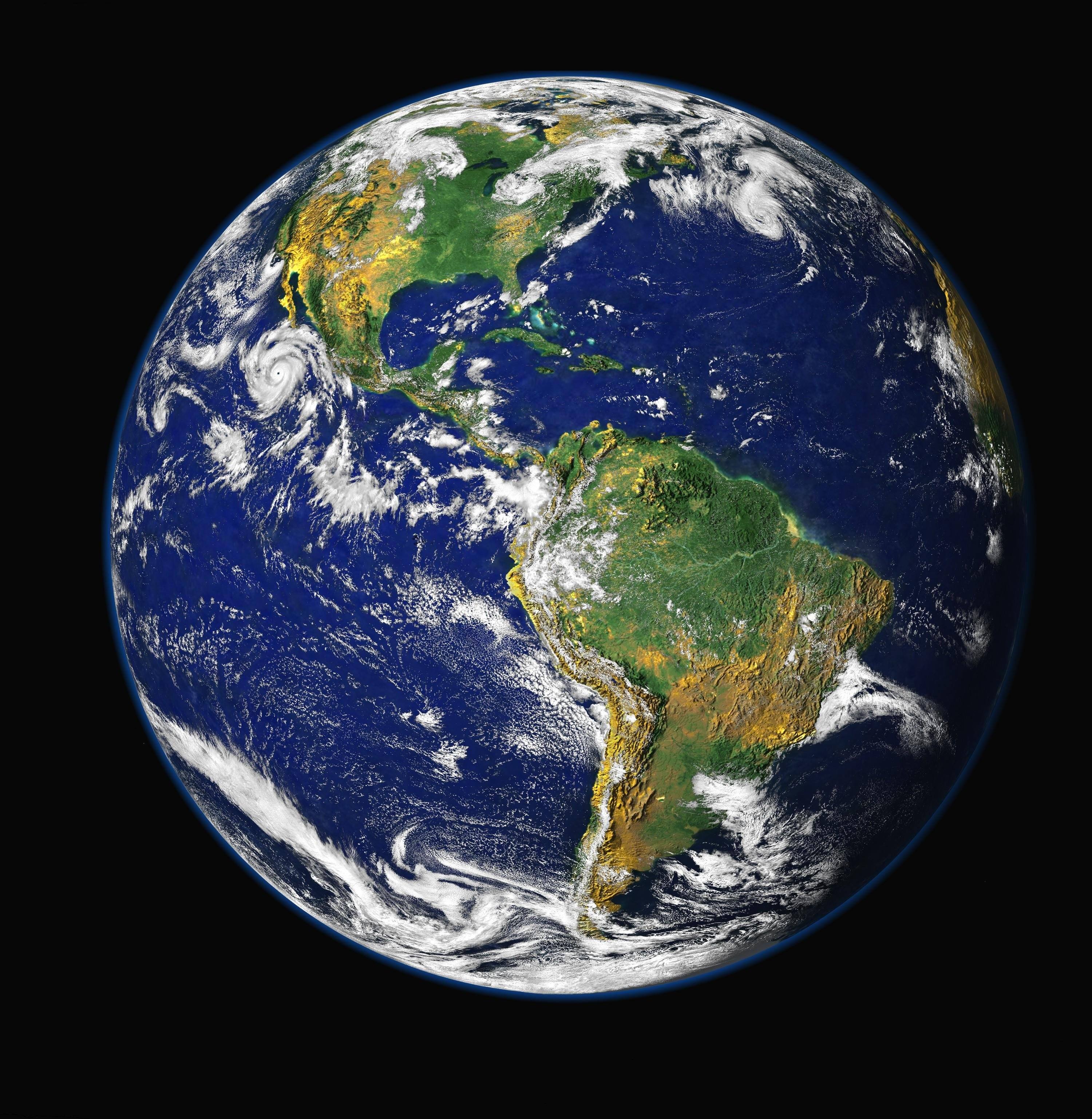
Earth's rotation on its axis is what causes ______________________________.
a)
seasons
b)
moon phases
c)
day and night
d)
weather
31.
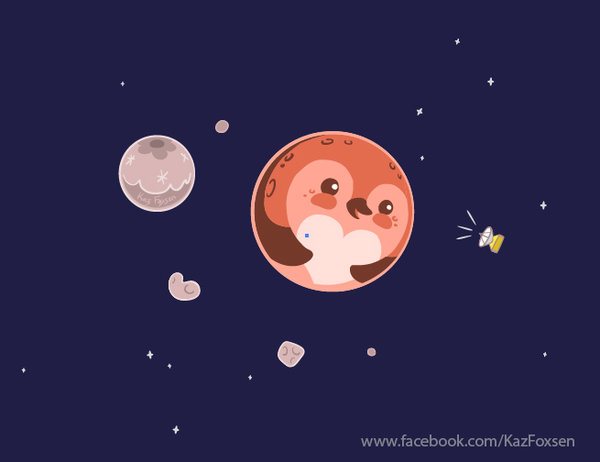
Waxing means...
a)
Growing
b)
Dying
c)
Losing light
d)
Moving
32.
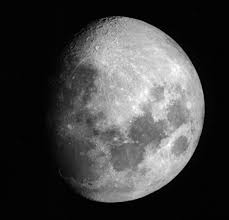
Name the moon phase
a)
waning crescent
b)
waxing crescent
c)
waning gibbous
d)
waxing gibbous
33.
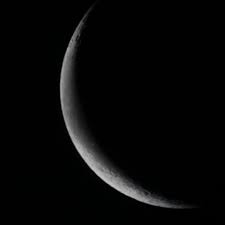
Name the moon phase
a)
waning crescent
b)
waxing crescent
c)
waning gibbous
d)
waxing gibbous
34.
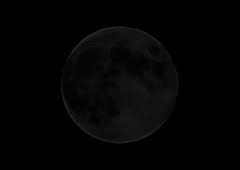
Name the moon phase
a)
First Quarter
b)
Last Quarter
c)
New Moon
d)
Full Moon
35.
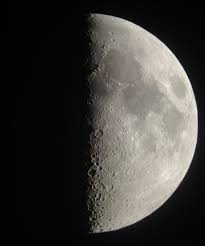
Name the moon phase
a)
First Quarter
b)
Last Quarter
c)
New Moon
d)
Full Moon
36.
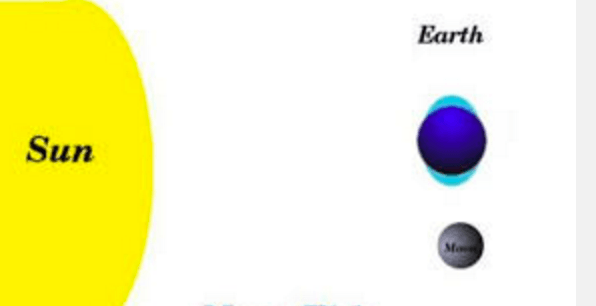
Which moon phase is shown in this diagram?
a)
new moon
b)
1st quarter
c)
full moon
d)
last quarter/3rd quarter
37.

What phase is this?
a)
Waning Gibbous Moon
b)
Waxing Gibbous Moon
c)
Waning Crescent Moon
d)
Waxing Crescent Moon
38.

What phase is this?
a)
First Quarter Moon
b)
Last Quarter Moon
c)
Waxing Gibbous Moon
d)
Waning Gibbous Moon
39.

What phase is this?
a)
Full Moon
b)
First Quarter Moon
c)
Last Quarter Moon
d)
New Moon
40.

Which body has the greater effect on Earth's tides?
a)
Sun
b)
Saturn
c)
Moon
d)
Venus
41.

What is a difference between spring and neap tides?
a)
Spring tides occur when the earth and sun are IN LINE with the new or full moon.
b)
Spring tides occur when moon in 3rd or 1st quarter phases
c)
Spring tides are LOWER than neap tides
d)
Spring tides occur in Spring and neap tides can occur in any season
42.
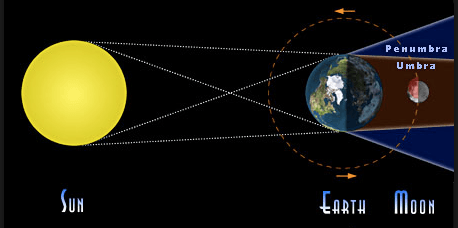
Which type of eclipse is shown in the diagram?
a)
Solar Eclipse
b)
Lunar Eclipse
c)
Total Eclipse
d)
Partial Eclipse
43.

What do spectroscopes do?
a)
Collect light to identify elements
b)
Refract light
c)
Absorb light
d)
Transmit light
44.

The tail of a comet always faces
a)
toward the sun
b)
toward the Earth
c)
away from the Sun
d)
away from the Earth
45.

Most asteroids can be found between the orbits of ____________ and ____________.
a)
Neptune, Venus
b)
Mars, Jupiter
c)
Jupiter, Saturn
d)
Mercury, Venus
100 %

