
 Worksheets
Soil and Slow Earth Changes
Total questions: 30
Worksheet time: 2hrs 30mins
Name
Class
Date
1.
Which of these soils is BEST for growing plants?
a)
Sandy, dry soil
b)
Solid, chalky soil
c)
Loose, potting soil
d)
Wet, clay soil
2.
Which of the following is the movement of sediments from one area to another?
a)
deposition
b)
erosion
c)
mechanical weathering
d)
chemical weathering
3.
When moving sediments are dropped into layers in a different place, it is known as...
a)
deposition
b)
erosion
c)
abrasion
d)
weathering
4.
The process by which water, ice, wind or gravity moves weathered rock and soil from one place to another.
a)
weathering
b)
erosion
c)
deposition
d)
dumptruck
5.
Rain washing away soil from a hillside
a)
Weathering
b)
Erosion
c)
Deposition
6.

Deltas forming at the mouths of rivers is an example of
a)
Weathering
b)
Erosion
c)
Deposition
7.
Water getting into cracks, freezing, and breaking the rocks or pavement apart
a)
Weathering
b)
Erosion
c)
Deposition
8.

Water gets into the cracks of rock and freezes, causing the rock to break. What is this an example of?
a)
erosion
b)
weathering
9.
Mr. Barco's class poured 150mL of water through a soil sample. They collected and measured the water that drained out of the soil. The water collected had a volume of 95 mL. How much water did the soil retain?
a)
65
b)
55
c)
105
d)
32
10.
A student pours 50 mL of water over a soil sample, and 32 mL of the water drains into a cylinder. How much water was retained?
a)
18 mL
b)
28 mL
c)
32 mL
d)
50 mL
11.
What property of soil could be tested by rubbing soil between fingers?
a)
color
b)
ability to retain water
c)
weathering
d)
texture
12.
A lab requires students to use sand and silt. What piece of safety equipment is most important?
a)
fire extinguisher
b)
goggles
c)
first aid kit
d)
gloves
13.
Which of the following slowly changes an environment?
a)
A desert windstorm
b)
Forest fire
c)
Asteroid impact
d)
A glacier moving down its valley
14.

An avalanche is an example of which process?
a)
Weathering
b)
Erosion
c)
Deposition
d)
Volcanic Eruption
15.
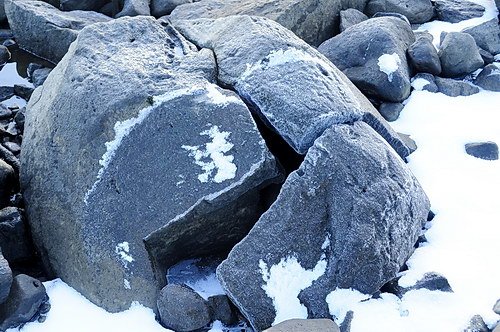
How does freezing water cause the weathering of rocks? The freezing water—
a)
keeps the rocks in place.
b)
makes the rocks last longer.
c)
expands cracks and breaks rocks.
d)
causes rocks to fall in landslides.
16.
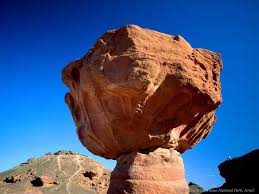
The process that breaks down rocks and other materials on Earth's surface is called
a)
Weathering
b)
Erosion
c)
Deposition
d)
Decomposition
17.

Over long periods of time, deposition may change the Earth’s surface by _____.
a)
forming new land features.
b)
breaking down large rocks into smaller ones.
c)
washing away beaches.
d)
moving topsoil.
18.

What is the process that picks up and moves weathered rocks?
a)
Deposition
b)
Landslide
c)
Weathering
d)
Erosion
19.

What causes the greatest erosion effect on our beaches?
a)
Waves
b)
Gravity
c)
Glaciers
d)
Wind
20.

Which of these is an example of erosion?
a)
Light shining onto a mountain.
b)
Rain breaking down rocks on a mountain into smaller pieces.
c)
Wind blowing away sediment to a new place on the mountain.
d)
All of the above.
21.
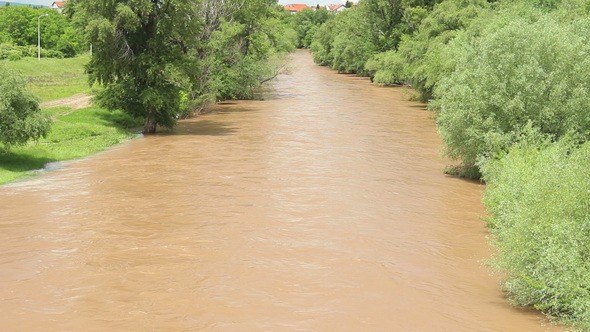
Muddy water being carried away by a fast-moving river is an example of
a)
Weathering
b)
Erosion
c)
Deposition
d)
A nice place to swim
22.
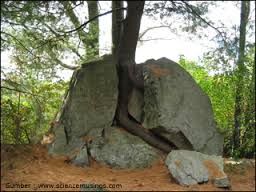
How do plants weather rocks?
a)
During photosynthesis
b)
When roots grow into cracks of rocks and expand the rock breaks.
c)
When the plant moves water from the roots to the leaves, the rock breaks.
d)
Plants don't weather rocks.
23.
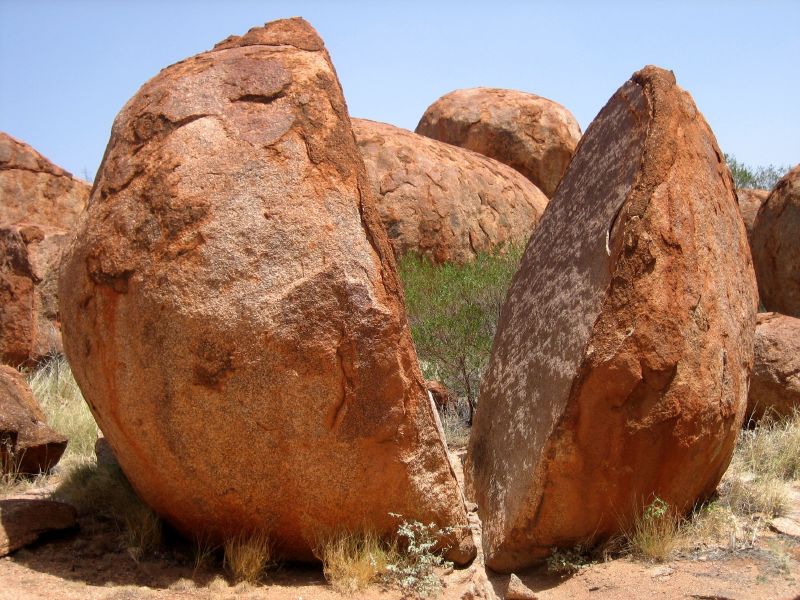
What is the wearing away or breaking down of rocks called?
a)
Deposition
b)
Erosion
c)
Glaciers
d)
Weathering
24.

Fourth grade students tested different kinds of soils in science class. They made the table below to show their results. Why is Sample B the best for growing plants?
a)
it is dark colored
b)
it has good drainage
c)
it got a lot of sunlight
d)
it is made of large particles
25.

A student has set up the investigation shown. Each funnel contains different types of soil. The student will pour 50mL of water into each funnel. What can the student measure by comparing the amount of water that flows into each beaker?
a)
the length of time it took each soil to form
b)
the ability of each soil to grow plants
c)
the capacity of each soil to hold water
d)
the temperature of each soil sample
26.

A student wanted to investigate which type of soil retains the most water. She put 200 mL of water in each type of soil and measured how much water came through the soil after 1 hour. The results are shown above.
1. According to the diagram above, which soil retains the least amount of water?
1. According to the diagram above, which soil retains the least amount of water?
a)
Red Soil
b)
Clay Soil
c)
Sandy Soil
d)
Black Soil
27.
Emily has a garden. The soil in the garden is good for growing plants. The color of the soil is MOST LIKELY-
a)
bright white
b)
dark brown
c)
deep red
d)
pale yellow
28.

Look at the pictures. A lima bean seed was planted in each of these cups of soil. All three plants receive sunlight and water. Which of these conclusions is best supported by the information found in these pictures?
a)
loam soil retains the most water
b)
all plants grow best in loam soil
c)
loam soil supports the growth of lima bean plants best
d)
clay soil retains the most water and supports the growth of plants best
29.

Over many years the bottom of the lake gets higher and higher. What could cause this slow change?
a)
the climate in the area gets warmer
b)
the sun evaporates the water
c)
sediments are deposited in the lake
d)
a hurricane brings heavy rains
30.
All of these events can help wear down and break apart rocks except -
a)
the movement of glaciers
b)
fast moving water
c)
a solar eclipse
d)
windblown sand
100 %

