wayground logo

Free Printable Worksheets

Font size

S
M
L
XL
Worksheets

Impression Quiz

Total questions: 42

Worksheet time: 22mins
Name
Class
Date
1.

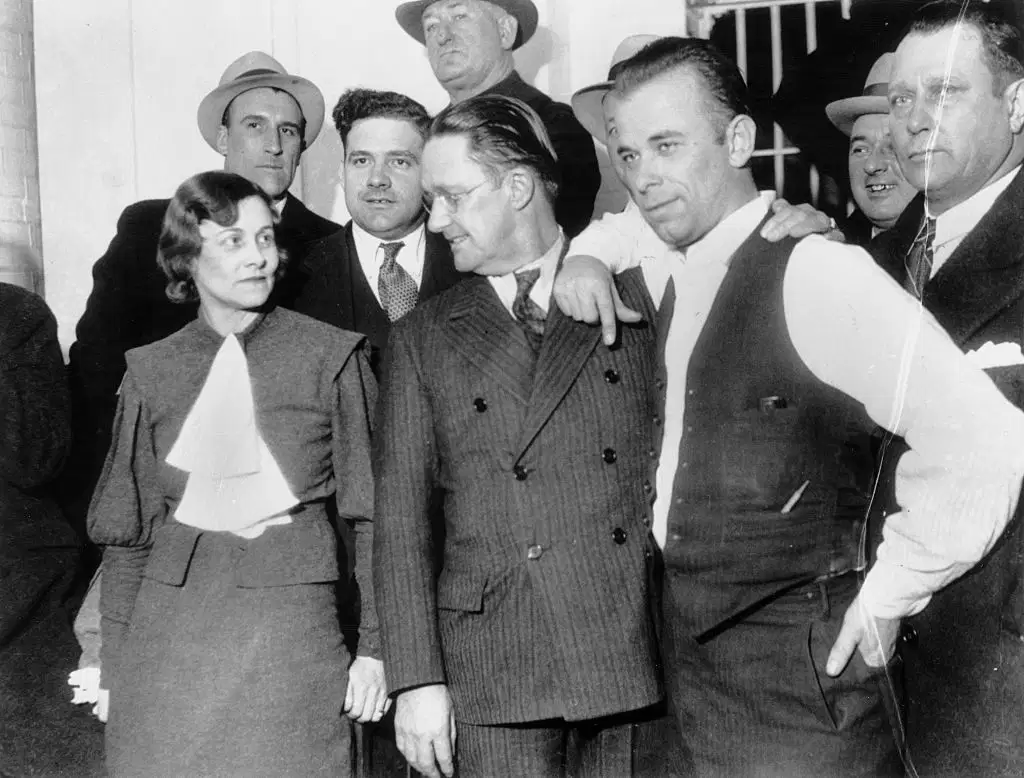
BONUS: Notorious gangster who tried to alter his fingerprints with the use of acid

a)
John Dillinger
b)
Al Capone
c)
Bugsy Calhoun
d)
Notorious B.I.G.
2.
A visible fingerprint that happens when fingers with blood, ink, or some other substance on them touch a surface and transfer the pattern of their fingerprint to that surface
a)
Latent Print
b)
Plastic Print
c)
Patent Print
d)
Fingerprint
3.

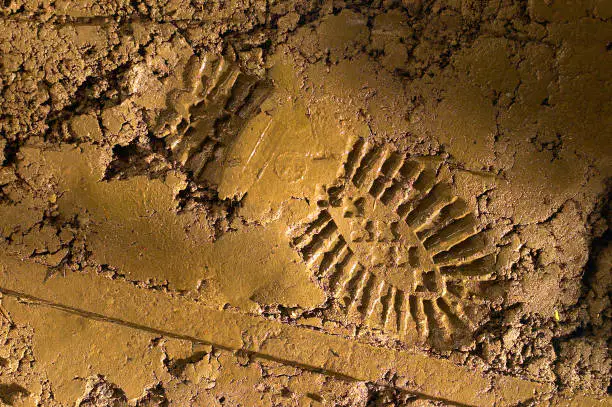
A three-dimensional print made in a soft material such as mud, clay, soap, or putty
a)
Latent Print
b)
Plastic Print
c)
Patent Print
d)
Print Print Print Print
4.
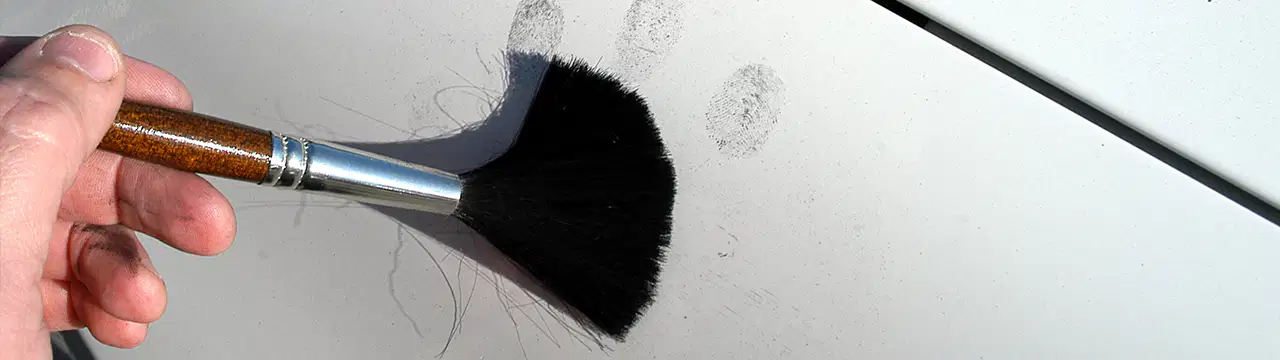
A hidden fingerprint made visible through the use of powders or other techniques
a)
Latent Print
b)
Plastic Print
c)
Patent Print
d)
Print Print Print Print
5.

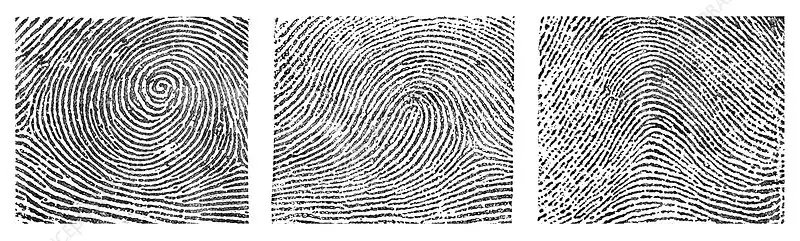
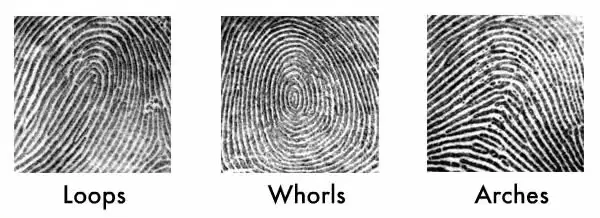
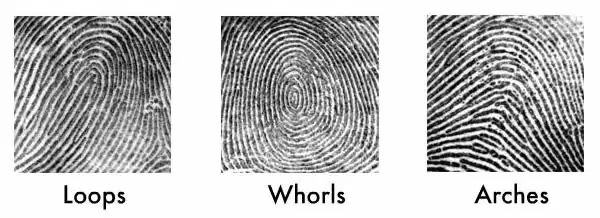
What are the three main groups of fingerprints?
a)
Arch 
b)
Loop
c)
Whorl
d)
Minutiae
6.

What is the most common type of Fingerprint pattern?

a)

Arch

b)

Loop

c)

Whorl

d)

Koala Bear Print

7.

What is the Least common type of Fingerprint pattern?

a)

Arch

b)

Loop

c)

Whorl

d)

Koala Bear Print

8.
Identify this type of print on the right hand 
a)
Tented Arch
b)
Plain Arch 
c)
Ulnar Loop 
d)
Double Loop Whorl
9.
Identify this type of print on the right hand
a)
Radial Loop
b)
Plain Arch 
c)
Ulnar Loop 
d)
Double Loop Whorl
10.
Identify this type of print on the left hand
a)
Radial Loop
b)
Plain Arch 
c)
Ulnar Loop 
d)
Double Loop Whorl
11.
Identify this type of print on the left hand
a)
Radial Loop
b)
Plain Arch 
c)
Ulnar Loop 
d)
Double Loop Whorl
12.
Identify this type of print on the left hand
a)
Radial Loop
b)
Plain Arch 
c)
Ulnar Loop 
d)
Double Loop Whorl
13.

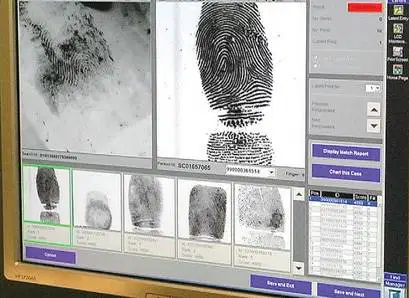
Identify this type of print on the right hand
a)
Radial Loop
b)
Plain Arch 
c)
Central Pocket Whorl 
d)
Plain Whorl
14.
Identify this type of print on the right hand
a)
Radial Loop
b)
Plain Whorl
c)
Ulnar Loop 
d)
Double Loop Whorl
15.
Identify this type of print pattern consisting of 2 different types of patterns that does not conform to one definition of fingerprints
a)
Accidental Whorl 
b)
Plain Whorl
c)
Ulnar Loop 
d)
Double Loop Whorl
16.
Biometric identification system that uses digital imaging technology to obtain, store, and analyze fingerprint data.
a)
AFIS
b)
NORAD
c)
AARP
d)
Innovatrix Biometrix
17.
The combination of details in the shapes and positions of ridges in fingerprints that make each unique; also called ridge characteristics or points of identification
a)
Ridge endings 
b)
Minutiae
c)
Delta
d)
Dactylogram 
18.

BONUS: Another name for a fingerprint

a)
Beak Hakky
b)
Finger Puck
c)
Dactylogram 
d)
X-ray 
19.

Is a Fingerprint considered Individual or Class evidence? (Can it be traced back to an Individual or just narrow down the search?)

a)

Individual

b)

Class

c)

Both

20.

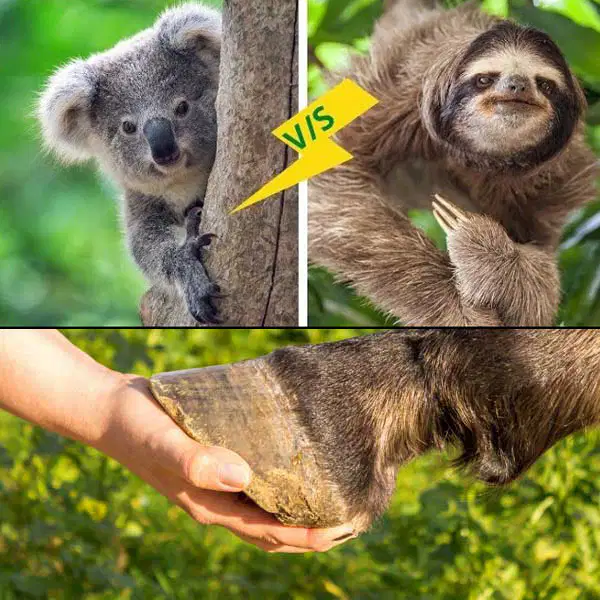
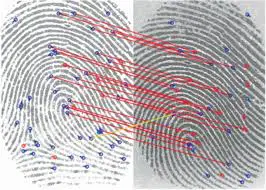
BONUS: Which animal has fingerprints most like those of humans?
a)
Human, only humans have fingerprints
b)
Three-toed Sloth
c)
Koala 
d)
Horse
21.

How many points of minutiae do most fingerprint experts require in order for prints to be considered a match? This is referred to a __-match guideline

a)
12
b)
16
c)
The United States has no minimum
d)
50
22.
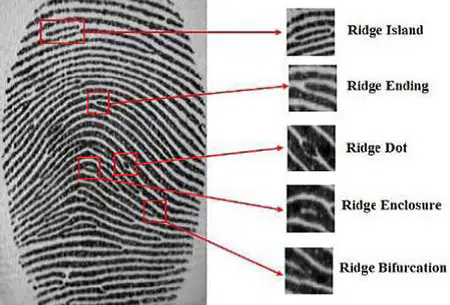
Name this minutiae type
a)
Enclosure
b)
Island (pick me! pick me! you know you want to)
c)
Bifurcation (fork) 
d)
Ridge ending 
23.
Name this minutiae type
a)
Enclosure
b)
Island 
c)
Bifurcation (fork) 
d)
Ridge ending (pick me! pick me! you know you want to)
24.
Name this minutiae type
a)
Enclosure
b)
Short Ridge
c)
Bifurcation (fork) 
d)
Ridge ending 
25.
Name this minutiae type
a)
Sludge
b)
Island (dot) 
c)
Bifurcation (fork) 
d)
Pore
26.
Name this minutiae type
a)
Bridge 
b)
Island (dot) 
c)
Bifurcation (fork) 
d)
Pore
27.
Name this minutiae type
a)
Bridge 
b)
Island (dot) 
c)
Bifurcation (fork) 
d)
Hook (spur)
28.
Name this minutiae type
a)
Bridge 
b)
Double bifurcation (double fork) 
c)
Bifurcation (fork) 
d)
Hook (spur)
29.
Name this minutiae type
a)
Delta
b)
Core
c)
Bifurcation (fork) 
d)
Hook (spur)
30.
Name this minutiae type
a)
Delta
b)
Core
c)
Enclosure (eye) 
d)
Hook (spur)
31.
Name this minutiae type
a)
Delta
b)
Core
c)
Enclosure (eye) 
d)
Crossover
32.
A loop that opens toward the little finger
a)
Ulnar Loop 
b)
Radial Loop 
c)
Double Loop Whorl 
d)
Whip Stitch loop
33.
A loop that opens toward the thumb
a)
Ulnar Loop 
b)
Radial Loop 
c)
Double Loop Whorl 
d)
Paw Paw Loop 
34.

Name this specific type of print

a)

Radial Loop

b)

Plain Arch 

c)

Ulnar Loop 

d)

Double Loop Whorl

35.

Name this specific type of print

a)

Radial Loop

b)

Plain Arch 

c)

Ulnar Loop 

d)

Double Loop Whorl

36.

Name this specific type of print

a)

Radial Loop

b)

Plain Arch 

c)

Ulnar Loop 

d)

Double Loop Whorl

37.

Name this specific type of print

a)

Radial Loop

b)

Plain Arch 

c)

Ulnar Loop 

d)

Double Loop Whorl

38.

Name this basic print

a)

Whorl

b)

Arch 

c)

Loop 

d)
Double Loop Whorl
39.

Name this basic print

a)

Whorl

b)

Arch 

c)

Loop 

d)

Radial Loop

40.

Name this basic print

a)

Whorl

b)

Arch 

c)

Loop 

d)

Ulnar Loop

41.

Which of the following is a commonly accepted theory for why we have fingerprints?

a)

For Identity

b)

To help grasp objects

c)

There is no purpose

d)

To better play the guitar or banjo

42.

When are fingerprints formed?

a)

When you are a teenager

b)

During fetal development

c)

At birth

d)

By the time you are two years old