
 Worksheets
Eye anatomy
Total questions: 100
Worksheet time: 1hrs 2mins
Name
Class
Date
1.

What part of the eye is this?
a)
sclera
b)
choroid
c)
retina
d)
ciliary body
2.

What part of the eye is this?
a)
iris
b)
sclera
c)
ciliary body
d)
cornea
3.

What part of the eye is this?
a)
cornea
b)
lens
c)
iris
d)
cilicary body
4.

What part of the eye is this?
a)
cornea
b)
sclera
c)
lens
d)
iris
5.

What part of the eye is this?
a)
choroid
b)
sclera
c)
retina
d)
ciliary body
6.

What part of the eye is this?
a)
iris
b)
lens
c)
cornea
d)
retina
7.

What part of the eye is this?
a)
cornea
b)
sclera
c)
lens
d)
conjunctiva
8.

What part of the eye is this?
a)
retina
b)
optic nerve
c)
fovea centralis
d)
choroid
9.

What is the fluid in this portion of the eye called?
a)
aqeous humor
b)
otic humor
c)
vitreous humor
d)
oris humor
10.

What part of the eye is this?
a)
choroid
b)
sclera
c)
cornea
d)
retina
11.

What part of the eye is this (hint: contains the highest concentration of rods and cones)
a)
choroid
b)
fovea centralis
c)
optic nerve
d)
ciliary body
12.
What part of the eye is this?
a)
choroid
b)
sclera
c)
cornea
d)
retina
13.
What part of the eye is this?
a)
choroid
b)
sclera
c)
cornea
d)
retina
14.
What part of the eye is this (hint: contains the highest concentration of rods and cones)
a)
choroid
b)
fovea centralis
c)
optic nerve
d)
ciliary body
15.

What type of fluid is found in this portion of the eye?
a)
aqueous humor
b)
otic humor
c)
vitreous humor
d)
oris humor
16.

What part of the eye is this? (hint: there are no photoreceptors in this location)
a)
optic disk
b)
optic nerve
c)
fovea centralis
d)
retina
17.
Opens and closes to adjust the total amount of light entering the eye.
a)
Iris
b)
Scelera
c)
Cornea
d)
Human lens
18.
Complete lack of 20/200 or less, with the best correction possible .
a)
Half Blindness
b)
Legal Blindness
c)
Retina
d)
Far Sighted
19.
Problems with the color seeing pigments in certain nerve cells of the eye cones.
a)
Dyslexia
b)
Legal Blindness
c)
Blindness
d)
Color Blindness
20.
Thin fold of skin that covers and protects the eye.
a)
Sclera
b)
Human Lens
c)
Eyelid
d)
Optic Nerve
21.
The white portion of the eye (In Humans).
a)
Pupil
b)
Sclera
c)
Dyslexia
d)
Retina
22.
Cornea is abnormally curved, causes blurry vision because it is unable to focus.
a)
Temporarily Blind
b)
Blindness
c)
Eye
d)
Astigmatism
23.
There are 6 extrinsic eye muscles.
a)
True
b)
False
24.
Which layer is a blood vessel-rich layer with a dark brown membrane?
a)
Choroid
b)
Sclera
c)
Retina
d)
Cornea
25.
What is the point where there are no photoreceptors and is considered a "blind spot"?
a)
Optic nerve
b)
Fovea centralis
c)
Optic disc
d)
Lens
26.
What is the innermost layer and most delicate layer of the eyeball where photoreceptors are located?
a)
Sclera
b)
Choroid
c)
Retina
d)
Cornea
27.
The vitreous humor is a fluid contained in the anterior segment of the eye.
a)
True
b)
False
28.
The ___ attaches the lens.
a)
Cillia
b)
Suspensory ligaments
c)
Vitreous humor
d)
Aqueous humor
29.
What light sensitive cells are stimulated in dim light?
a)
rods
b)
cones
30.
Which part of the eye contracts and dilates based on the environment?
a)
Pupil
b)
Cornea
c)
Sclera
d)
Iris
31.
Which nerve transmits information from the eye to the brain?
a)
Optic
b)
Olfactory
c)
Occulomotor
d)
Trigeminal
32.

What is letter B
a)
Optic nerve
b)
Lens
c)
Cornea
d)
Retina
e)
Pupil
33.

What is letter E?
a)
Vitreous humor
b)
Retina
c)
Cornea
d)
Optic nerve
34.

What is letter G?
a)
Sclera
b)
Retina
c)
Lens
d)
Vitreous humor
e)
Pupil
35.

What is letter I?
a)
Cornea
b)
Lens
c)
Vitreous humor
d)
Optic nerve
e)
Pupil
36.
Photoreceptors that detect colour are called..
a)
Cones
b)
Rods
37.
Photoreceptors that detect grey tones in low light are called...
a)
Rods
b)
Cones
38.
What is the optic chiasm?
a)
Place that bends the incoming light waves
b)
storage place of rods and cones
c)
where optic nerve fibres cross in the brain
d)
region of the retina that contains the fovea centralis
39.
what makes the perception of color possible?
a)
rods and cones
b)
rods
c)
cones
d)
light waves
40.
what does the macula contain?
a)
retina
b)
optic nerve
c)
rods and cones
d)
fovea centralis
41.

What is another name for pinkeye?
a)
pinkitis
b)
scleritis
c)
retinoplastitis
d)
conjunctivitis
42.
nearsightedness can be called....
a)
hyperopia
b)
hypopia
c)
myopia
d)
hypomyopia
43.
when you hear ringing in your ears it is called....
a)
tinnitus
b)
barotitis
c)
mastoiditis
d)
otitis media
44.
jelly like material that helps the eye keep its shape is.....
a)
choroid
b)
iris
c)
aqueous fluid
d)
vitreous humor
45.
where does light enter the eye
a)
pupil
b)
sclera
c)
retina
d)
cornea
46.
colored portion of the eye is.....
a)
sclera
b)
pupil
c)
iris
d)
cornea
47.
vascular layer of the eye is...
a)
cornea
b)
pupil
c)
iris
d)
choroid
48.
The white portion of the eye (In Humans).
a)
Pupil
b)
Sclera
c)
Dyslexia
d)
Retina
49.
Which layer is a blood vessel-rich layer with a dark brown membrane?
a)
Choroid
b)
Sclera
c)
Retina
d)
Cornea
50.
Which part of the eye contracts and dilates based on the environment?
a)
Pupil
b)
Cornea
c)
Sclera
d)
Iris
51.
Which nerve transmits information from the eye to the brain?
a)
Optic
b)
Olfactory
c)
Occulomotor
d)
Trigeminal
52.
Opens and closes to adjust the total amount of light entering the eye.
a)
Iris
b)
Scelera
c)
Cornea
d)
Human lens
53.
What part of the eye holds the lens in place?
a)
cornea
b)
ciliary muscles
c)
pupil
d)
retina
54.
When you enter a dark room, what does the pupil do
a)
get larger
b)
get smaller
55.
This part of the eye has photoreceptors called rods and cones. They help us to see color and see at night. It is called:
a)
optic nerve
b)
brain
c)
retina
d)
cornea
56.
This part of the eye focuses light/images onto the retina.
a)
lens
b)
cornea
c)
cones
d)
vitreous humor
57.
Transparent jelly like tissue that fills the eyeball behind the lens.
a)
Vitreous humor
b)
Plasma
c)
Optic nerve
d)
Eyeball juice
58.
Muscles responsible for controlling light entering the pupil:
a)
extrinsic muscles
b)
optic muscles
c)
intrinsic muscles
59.
The overlapping of the 2 visual fields that provides for depth perception (3D vision) results from:
a)
accomodation
b)
convergence
c)
refraction
d)
binocular vision
60.
The part of the eye that sees black, white, and gray and has the lowest threshold for activation
a)
cones
b)
pupil
c)
optic nerve
d)
rods
61.
Light entering the eye is focused behind the retina instead of directly on it, objects close to the eye look blurry
a)
Iris
b)
Near Sighted
c)
Astigmatism
d)
Far Sighted
62.

What is letter B?
a)
Optic nerve
b)
Lens
c)
Cornea
d)
Retina
63.

What is letter E?
a)
Vitreous humor
b)
Retina
c)
Cornea
d)
Optic nerve
64.

What is letter F?
a)
Retina
b)
Pupil
c)
Vitreous humor
d)
Iris
65.

What is letter G?
a)
Sclera
b)
Retina
c)
Lens
d)
Vitreous humor
66.
What is letter G?
a)
Sclera
b)
Retina
c)
Lens
d)
Vitreous humor
67.

What is letter H?
a)
Cornea
b)
Optic nerve
c)
Iris
d)
Retina
68.

What is letter I?
a)
Cornea
b)
Lens
c)
Vitreous humor
d)
Optic nerve
69.
The part of the eye that allows light into the eye.
a)
Pupil
b)
Optic Nerve
c)
Lens
d)
Cornea
70.

It protects the eye.
a)
lens
b)
pupil
c)
iris
d)
Cornea
71.
Gathers information about color, shape, and size of eye and sends to the optic nerve.
a)
optic nerve
b)
Retina
c)
Neuron
d)
cornea
72.

Controls how much light enters the eye by changes the size of the pupil. It is also the color part of your eye.
a)
iris
b)
cornea
c)
Retina
d)
pupil
73.

Focusing light onto the retina and flips the image in the back of the eye.
a)
Retina
b)
lens
c)
Iris
d)
Neurons
74.

What is the path of a nerve Impulse?
a)
Receptors, to nerve impulses to the motor neurons which gives m to messages to muscles to carry out a response.
b)
Receptors to neurons to the brain.
c)
Brain, to muscles, to interneurons, to sensory neurons, to nerve impulses.
d)
Nerve impulses, to receptors to sensory neurons to inter neuron which give messages to the brain, which passes the impulses to motor neuron which gives messages to the muscles to carry out response.
75.
This part of the eye carries the message from your eye to the part of your brain that controls vision.
a)
cornea
b)
lens
c)
optic nerve
d)
retina
76.
Photoreceptors that detect Color
a)
Cones
b)
Rods
77.
Photoreceptors that detect gray tones in low light
a)
Rods
b)
Cones
78.
When the eyeball is too long causing Nearsightedness
a)
Myopia
b)
Hyperopia
c)
Asigmatism
d)
Presbyopia
79.
When the eyeball is too short, causing Farsightedness
a)
Hyperopia
b)
Myopia
c)
Glaucoma
d)
Astigmatism
80.
When the cornea is not shaped correctly
a)
Astigmatism
b)
Claucoma
c)
Cataracts
81.

What is this?
a)
Lens
b)
Pupil
c)
Iris
d)
Cornea
82.

what is this?
a)
Aqueous Humor
b)
Vitreous Humor
83.
Photoreceptors that detect gray tones in low light
a)
Rods
b)
Cones
84.
Photoreceptors that detect Color
a)
Cones
b)
Rods
85.

Controls how much light enters the eye by changes the size of the pupil. It is also the color part of your eye.
a)
iris
b)
cornea
c)
Retina
d)
pupil
86.
The outer layer of the eye is the ________.
a)
Sclera
b)
Retina
c)
Choroid
d)
Cornea
87.

Sends messages to your brain
a)
neurons
b)
optic nerve
c)
retina
d)
motor neuron
88.
This part of the eye carries the message from your eye to the part of your brain that controls vision.
a)
cornea
b)
lens
c)
optic nerve
d)
retina
89.
The clear tissue that covers the front of the eye.
a)
Lens
b)
Pupil
c)
Iris
d)
Cornea
90.
Pupil
a)
Focuses light
b)
Clear tissue that covers the front of the eye
c)
Opening through which light enters the eye
d)
Layer of receptor cells
91.
Regulates the amount of light entering the eye and gives the eye its color.
a)
Iris
b)
Lens
c)
Pupil
d)
Retina
92.
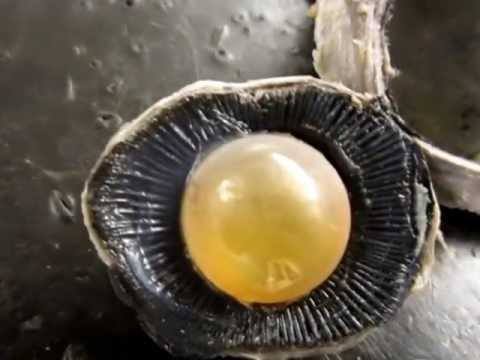
Which part of the eye is this?
a)
Pupil
b)
Retina
c)
Optic Nerve
d)
Lens
93.
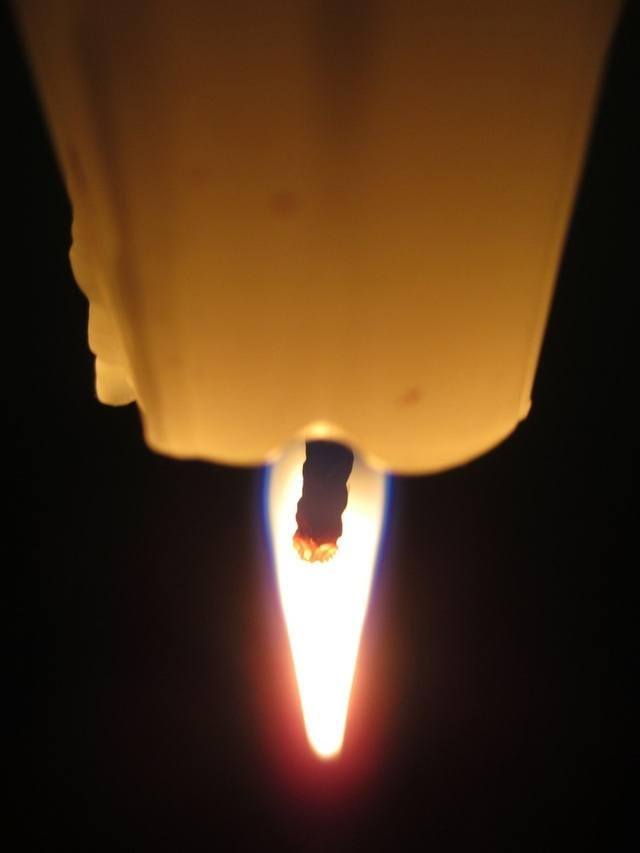
Which part of the eye is the place where images are inverted?
a)
Retina
b)
Cornea
c)
Lens
d)
Iris
94.
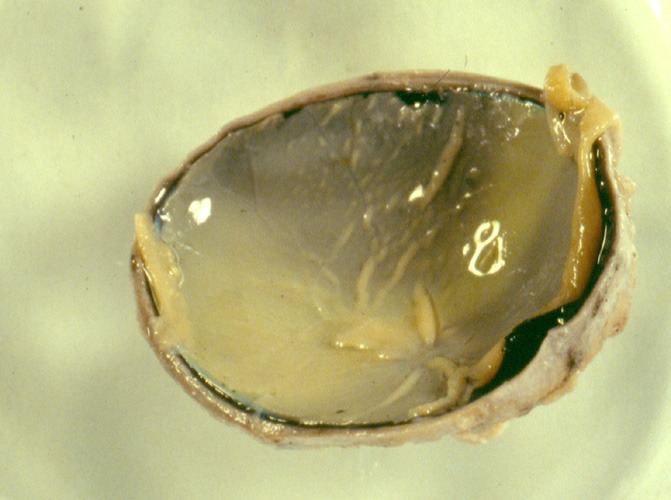
Which part of the eye is this?
a)
Optic Nerve
b)
Retina
c)
Vitreous Humor
d)
Pupil
95.
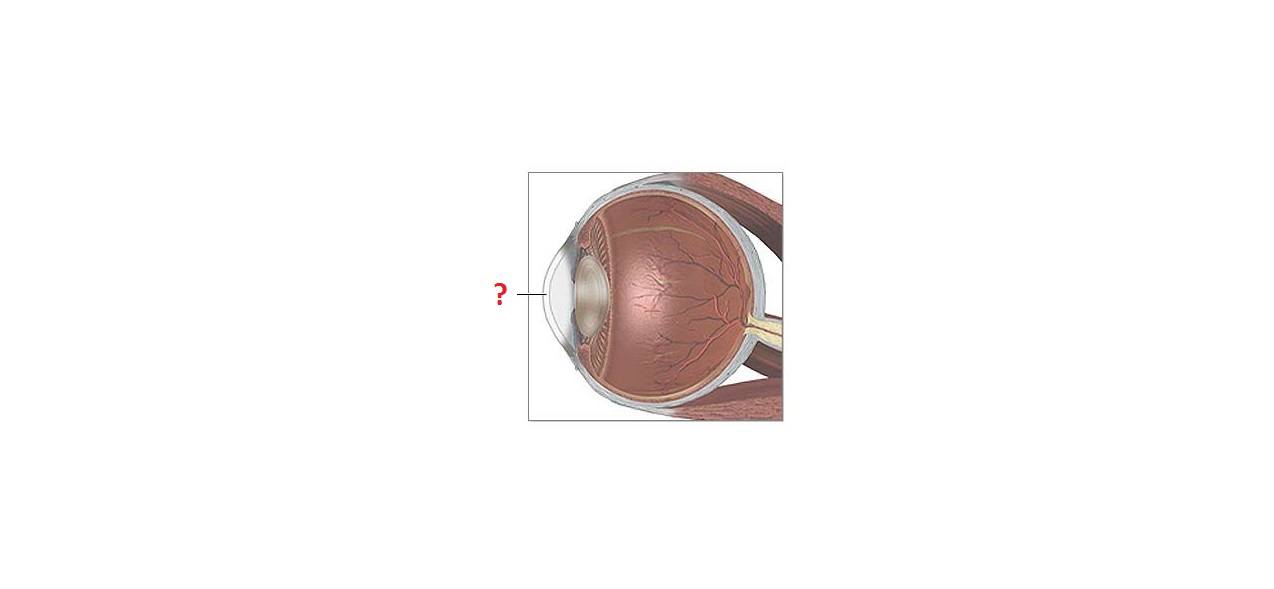
Which part of the eye is this?
a)
Pupil
b)
Retina
c)
Cornea
d)
Lens
96.
Which property of light is reflected back to your eye allowing you to see specific colors?
a)
Amplitude
b)
Speed
c)
Frequency
97.
Which part of the eye contains light sensitive nerves?
a)
Cornea
b)
Lens
c)
Retina
d)
Vitreous Humor
98.
Where does light refract for a 2nd time, and focuses light on the retina?
a)
Lens
b)
Cornea
c)
Pupil
d)
Optic Nerve
99.
Which part of the eye is this?
a)
Pupil
b)
Retina
c)
Cornea
d)
Lens
100.

What is letter I?
a)
Cornea
b)
Lens
c)
Vitreous humor
d)
Optic nerve
100 %

