
 Worksheets
Sexual/Asexual Reproduction
Total questions: 20
Worksheet time: 10mins
Name
Class
Date
1.
How many parent(s) are needed for asexual reproduction?
a)
4
b)
1
c)
9
d)
100
2.
Which process is considered to be faster?
a)
Asexual
b)
Sexual
3.
How are genetic traits passed down from generation to generation?
a)
Chromosomes
b)
Reproduction
c)
DNA
d)
Genes
4.
The passing of physical characteristics from parent to offspring is called:
a)
Heredity
b)
Chromosome
c)
Genetics
d)
Chemistry
5.

Baker’s yeast is a tiny, single-celled fungus that makes bread dough rise and converts sugars in alcohol. This yeast reproduces by budding. As the small bud grows, it receives a copy of the parent’s nucleus. When the bud pinches off, the new cell is smaller than the parent cell but genetically identical What type of reproduction is this?
a)
Asexual
b)
Sexual
6.

Redwood trees are the tallest and largest trees in the world. Like other conifer trees, the trees bear male and female cones that rely on the wind for pollination. What kind of reproduction is this?
a)
Asexual
b)
Sexual
7.
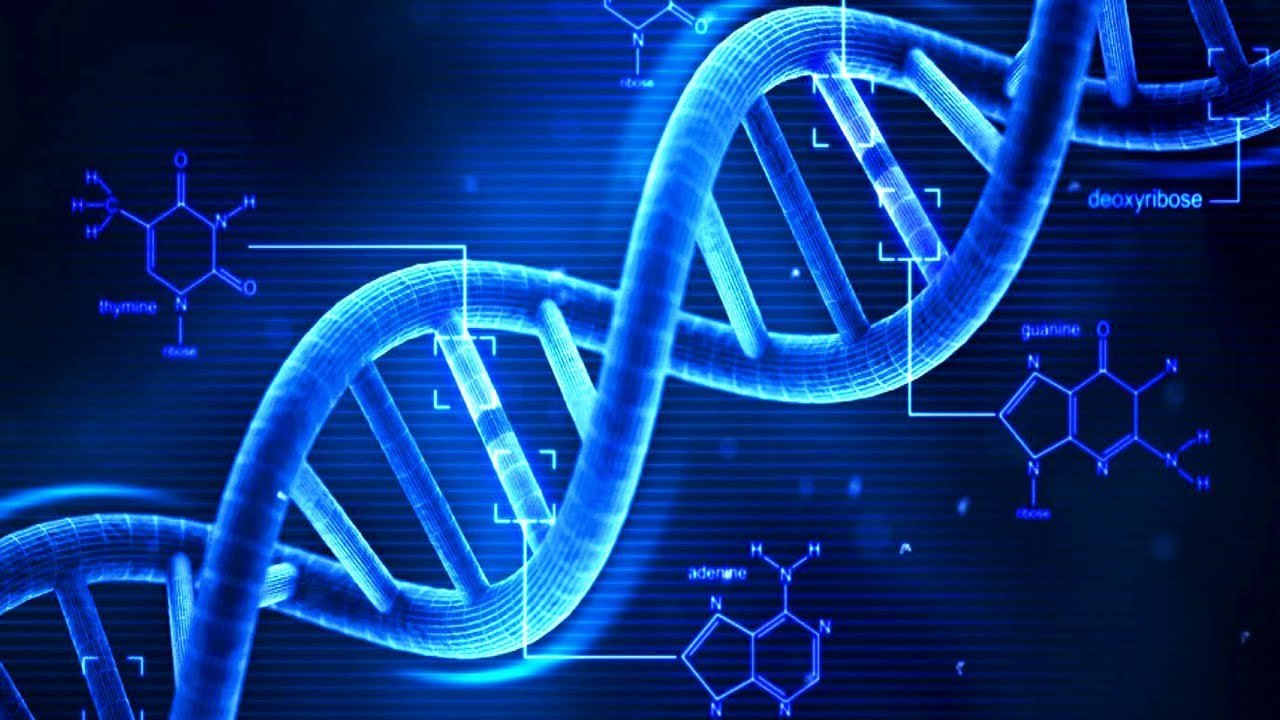
When comparing the offspring of sexually and asexually reproducing organisms, we would expect the genetic material (DNA) of the sexually reproducing organism to -
a)
contain fewer mutations
b)
be lesser in quantity
c)
be simpler overall
d)
show more variation
8.
What are some of the facts about asexual reproduction?
a)
Takes only one mate to reproduce and takes a longer time to reproduce
b)
Takes a shorter amount of time to reproduce and it takes two mates to reproduce
c)
Reproduces diverse offspring and takes a longer time to reproduce
d)
Takes only one mate to reproduce and takes a shorter time to reproduce
9.
In asexual reproduction, all of the offspring are:
a)
Physically Identical
b)
Genetically Identical
c)
The same age
d)
Not Identical
10.
What is one disadvantage for asexual reproduction?
a)
Happens very quickly
b)
Only needs one parent
c)
Lack of genetic diversity
d)
All offspring are exact copies of parent
11.
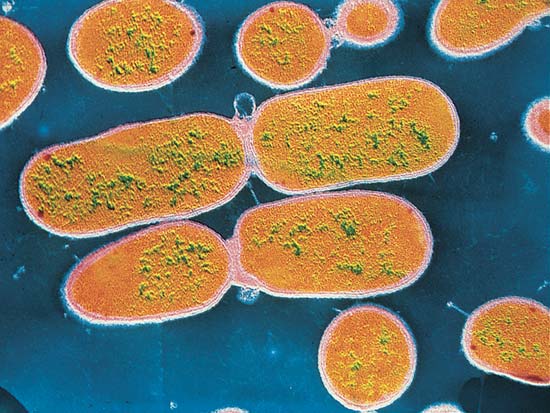
The offspring from asexually reproduced organisms are?
a)
Different than their parents
b)
Genetically identical to parent
c)
Like a combination from both parents
d)
A different species
12.
Where is all the genetic material inside a cell?
a)
nucleus
b)
vacuole
c)
cell membrane
d)
ribosome
13.

All of the offspring of an organism have the same genetic material, which is identical to the parent organism. From this, we can conclude that this organism -
a)
makes its own food
b)
is unicellular
c)
live in a marine habitat
d)
reproduces asexually
14.
What is an advantage of sexual reproduction?
a)
Higher chance of adapting or evolving over time
b)
Only needs one parent
c)
Happens very quickly and easily
d)
Produces many offspring
15.
Which type(s) of reproduction involves NO genetic diversity?
a)
asexual
b)
sexual
c)
both
d)
neither
16.
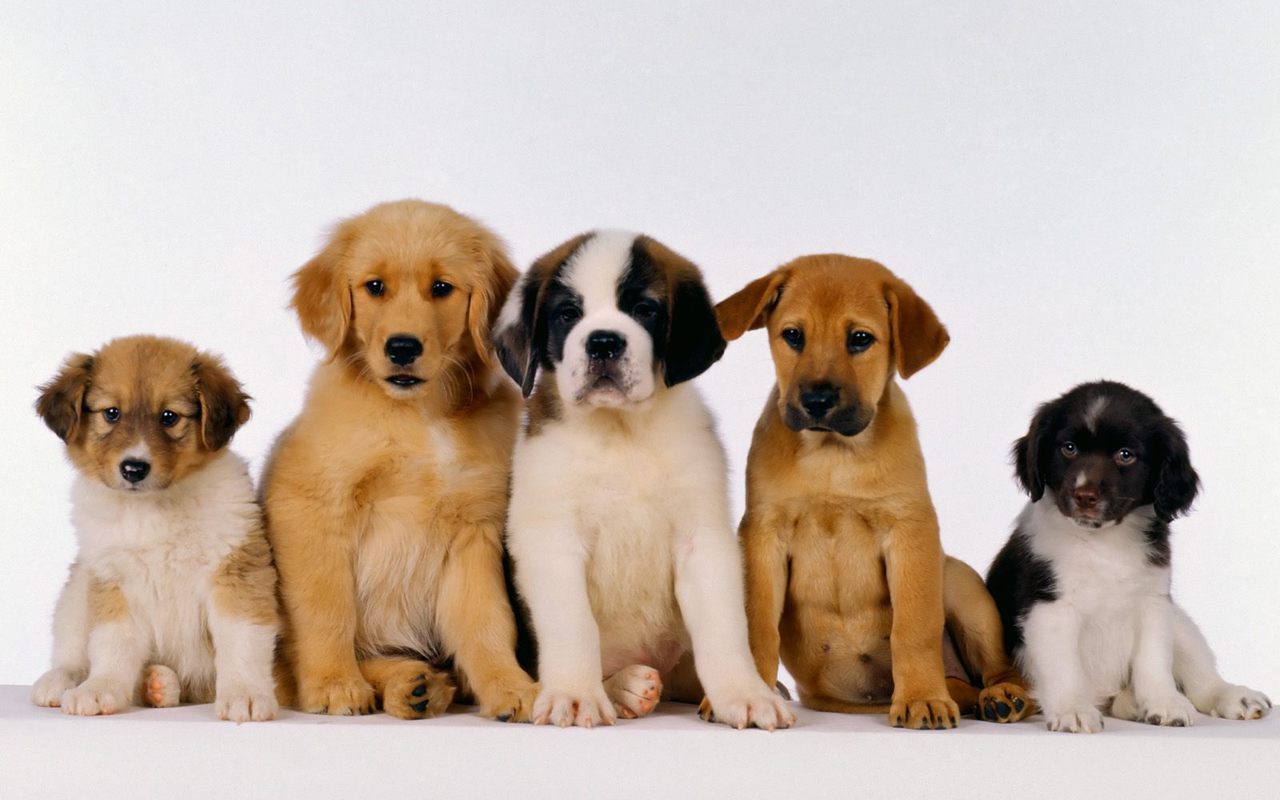
If two organisms reproduce sexually, then their offspring will exhibit a genetic makeup that is -
a)
identical to only one parent
b)
identical to all of its siblings
c)
a unique combination of traits
d)
the recessive traits of each parent
17.

All of the offspring of an organism have the same genetic material, which is identical to the parent organism. From this, we can conclude that this organism -
a)
makes its own food
b)
is unicellular
c)
is likely to be a plant
d)
reproduces asexually
18.

A white cat had a litter of kittens that were orange, grey, and black and white spotted. Is this the result of sexual or asexual reproduction? And how would you characterize the offspring listed above?
a)
Sexual reproduction with uniform offspring
b)
Asexual reproduction with diverse offspring
c)
Sexual reproduction with diverse offspring
d)
Asexual reproduction with uniform offspring
19.

Provided is a table of organisms and some data on their characteristics. Based on the information in the table, which organism is likely to produce offspring with the greatest genetic diversity?
a)
Black mold
b)
Bell tree dahlia
c)
Spruce
d)
Hydra
20.

Differences between members of the same species are called
a)
predators
b)
traits
c)
selections
d)
variations
100 %

