
 Worksheets
Cumulative Review
Total questions: 62
Worksheet time: 49mins
The triangular trade route led to
As a new group increased importation into the colonies another group began to decline. Which group led to the decline of indentured servants?
The colonies were divided into 3 regions. What were the 3 Regions?
Which colonial region had a flexible social structure?
Which colonial region relied on slave labor?
Which colonial region was the least tolerant?
Which colonial region was based on family standing and land ownership?
Which colonial region had rocky soil and a cold climate?
Which colonial region had a diverse population?
The Intolerable Acts had the patriots furious. The Sons of Liberty decided to gather other colonists and..........
Who gave the famous speech, ' Give me liberty or give me death."
Which group supported the founding fathers such as Ben Franklin, Patrick Henry, and Thomas Jefferson?
Who was the founding father that invented bifocals, the stove, musical instruments, as well as helped France become allies?
What was the economy of the Middle Colonies?
fishing, whaling, trade
Merchants sold dried corn and cornmeal grown
Cash crops such as tobacco, cotton, indigo
What was one of the earliest expressions of Separation of church and State *
House of Burgesses
Mayflower Compact
Virginia Statute for Religious Freedom
Constitution
George Washington was
Leader of the Lexington Army
Leader of the Loyalist Army
Leader of the British Army
Leader of the Continental Army

What is the purpose of the Declaration of Independence?
declared the King should rule over the colonies
to state the 13 English colonies wanted to be their own country (the United States) and why
showed the colonies did not want independence
England wanted to break up with the colonies

What are men that wrote the Declaration of Independence known as?
Declaration Writers
Authors of the Government
Lost Fathers
Founding Fathers

When was the Declaration of Independence signed?
June 26, 1776
July 4, 1776
October 31, 1776
December 25,1776

What are rights called that cannot be taken away from us?
Unalienable Rights
Wrong Rights
Write Rights
Right Rights
Why is Social Contract inspired by John Locke important to the Declaration of Independence?
The colonists felt like being ruled by the monarch was the best choice.
The colonist felt like understanding reason and knowledge would improve their lives.
Elected officials will do a better job representing the people.
The colonists felt this principle gave them the right to declare their independence.
Who was nominated to write the first draft of the Declaration of Independence?
George Washington
Thomas Jefferson
Thomas Paine
John Hancock
Why was each man risking his life when he signed the Declaration?
There was no risk in signing because they were all at peace.
They would hurt the king's feelings so that would result in them going to jail.
If the United States lost the war, the king could punish each of the signers severely.
It would increase the taxes put upon the people.
Shays' Rebellion represented...
a success of the Articles of Confederation
a failure of the Articles of Confederation due to the taxes and debt that hurt the farmers.
Who was the president under the articles?
George Washington
Each governor voted on a president
The most senior Senator
There wasn't one
Under the Articles of Confederation, the government could
sign treaties and create taxes
declare war and create taxes
settling conflicts between states
none of the above

Ultimately, the weaknesses of the Articles of Confederation lead to the creation of -
the Treaty of Paris
the Affordable Care Act
the U.S. Constitution
the Declaration of Independence
What duties are citizens required to, and which duties are encouraged?
(a)
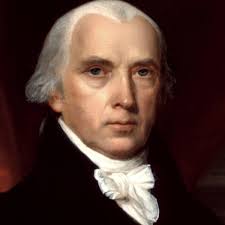
Who is known as the "Father of the Constitution"?
George Washington
Alexander Hamilton
James Madison
Benjamin Franklin
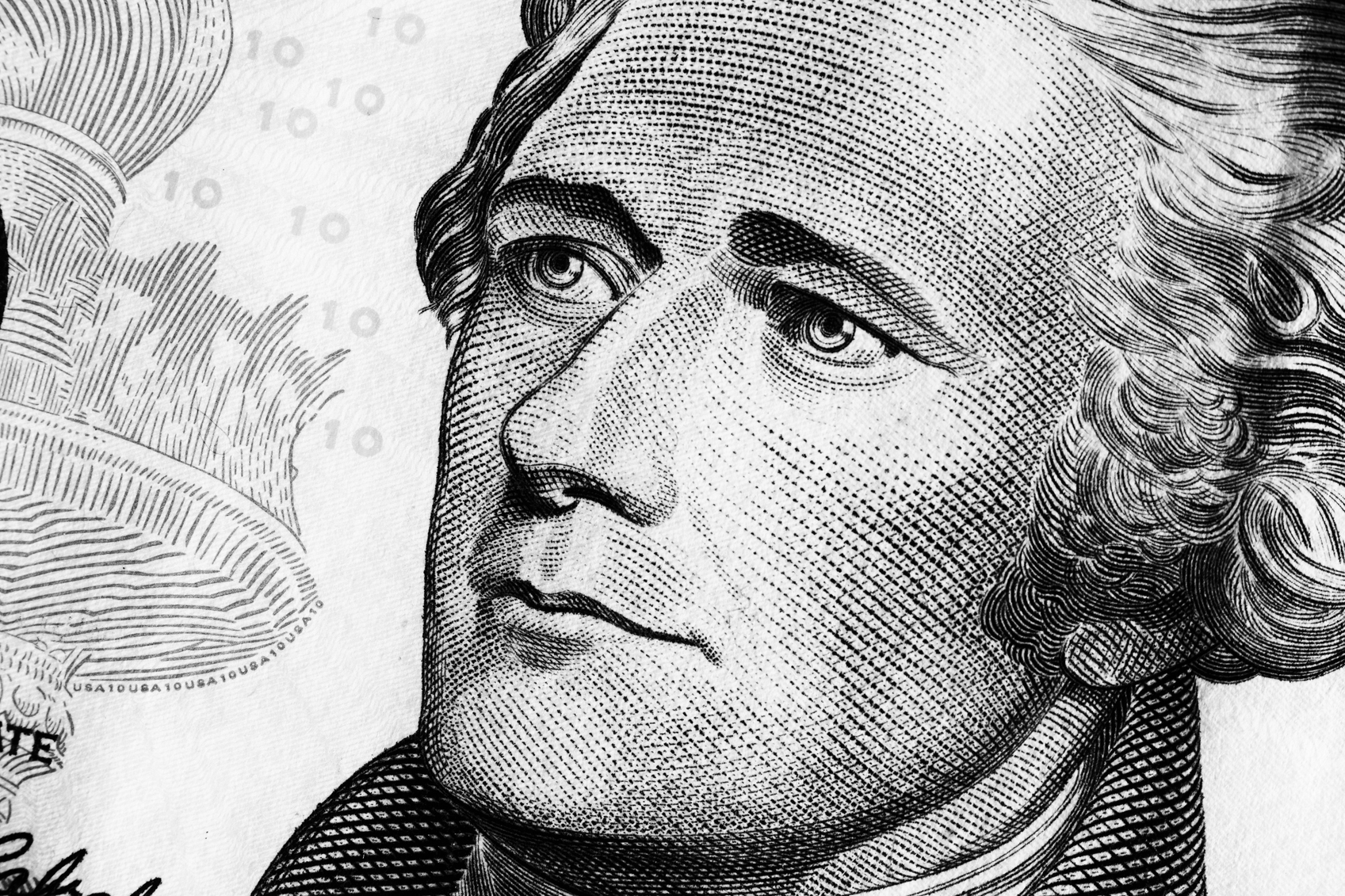
Who is known as the leader of the Federalists?
Alexander Hamilton
John Adams
Patrick Henry
Benjamin Franklin
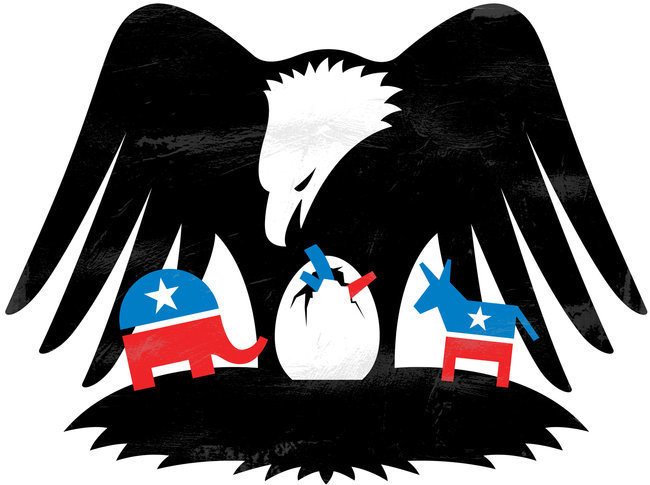
The Federalist and Anti-Federalists groups are known as _______________.
Governing Groups.
Political Parties.
Militia's.
Delegates.
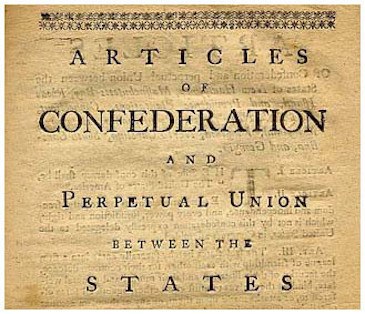
Federalists believed that the Articles of Confederation were a ________ and set up a ________ National Government.
Success, Strong.
Success, Weak.
Failure, Weak.
Failure, Strong.
The ___________ are for the ratification (approval) of the U.S Constitution.
Federalists
Anti-Federalists
Whiggs
Representatives
The ___________ are NOT for the ratification (approval) of the U.S Constitution.
Anti-Federalists.
Federalists.
Whiggs.
Supreme Court Justices.
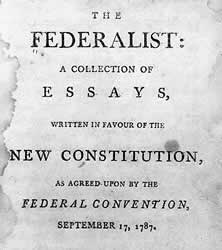
The "Federalist Papers" were written to:
Explain and convince the people into supporting the new U.S Constitution.
spark a new revolution among the American people against their government.
oppose a strong centralized government.
create a new monarchy.
Anti-Federalists were in favor of:
States Rights and the protection of individual rights.
A strong Central Government.
A Monarchy (King & Queen) to rule over the country.
a powerful National Government
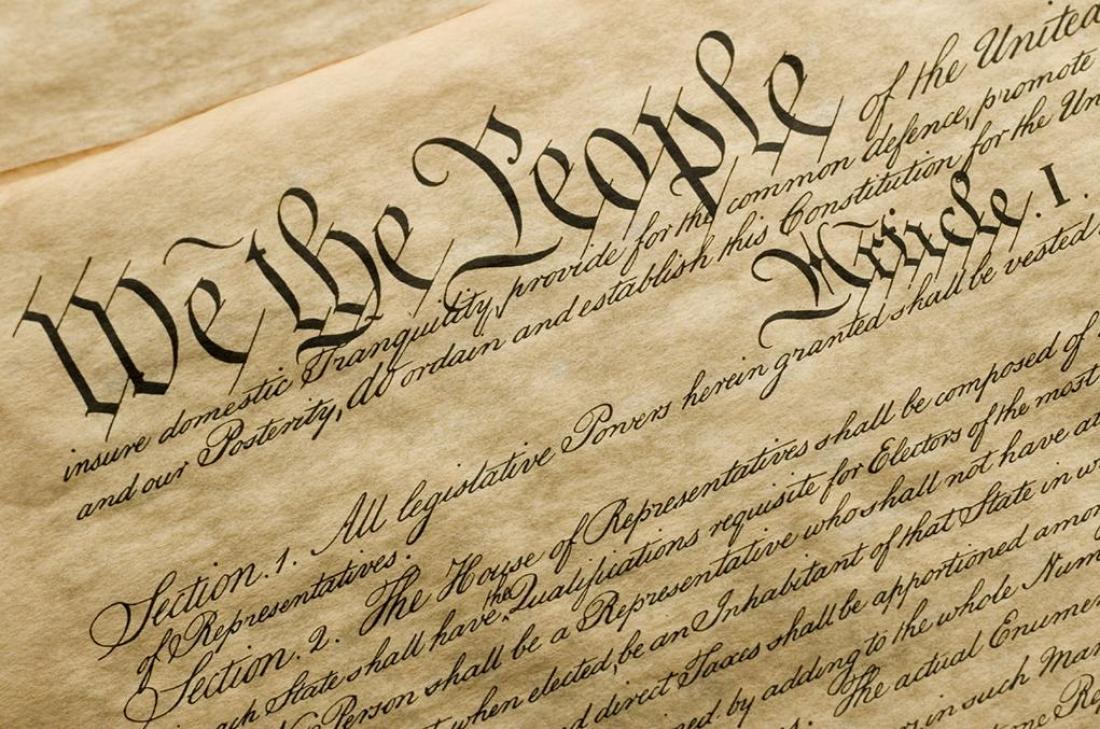
How did the Federalists and Anti-Federalists "compromise" to ratify (approve) the U.S Constitution?
The added the Bill of Rights (First 10 Amendments)
They outlawed cruel and unusual punishment.
Ensured due process of the law.
The Federalists threatened the Anti-Federalists to war.
The Delegates (Representatives) who signed the U.S Constitution are known as:
Free Masons.
leaders of the New U.S.
Founding Fathers.
Anti-Federalists.
Each of the three branches of the national government limits the exercise of power by the other two branches.
Checks & Balances
Veto Process
Bicameral
Federalism

This portion of the Constitution most clearly shows the influence of which of the following?
supporters of the New Jersey Plan
supporters of the Virginia Plan
supporters of the Three-fifths Compromise
supporters of the Bill of Rights

These documents led most directly to which of the following?
the Great Compromise creating two chambers of Congress apportioned in different ways
the Missouri Compromise keeping an even balance of free and slave states and providing rules for slavery in the western territories
Marbury v. Madison establishing the principle of judicial review
agreement over the addition of the Bill of Rights in order to secure ratification of the Constitution

The Constitutional Convention shown in this painting was most directly a result of which of the following?
abolitionists' efforts to limit the expansion of slavery
Antifederalists' support for a Bill of Rights
Great Britain's increased taxation and regulation of its American colonies
U.S. leaders' desire to revise the weaknesses of the Articles of Confederation
What was a result of the Great Compromise during the Constitutional Convention of 1787?
creating a two-house legislature
banning slavery in Southern states
requiring that the president have a cabinet
giving the Supreme Court the power to hear cases involving states
Which issue did the Virginia Plan, the New Jersey Plan, and the Great Compromise address at the Constitutional Convention (1787)?
the power to regulate interstate commerce
the number of justices on the Supreme Court
a system for electing the president
a method of determining state representation in Congress
At the Constitutional Convention of 1787, supporters of the Virginia plan and supporters of the New Jersey plan differed over the method for
determining congressional representation
selecting the president's cabinet
adopting the amendment process
giving powers to the executive branch
By establishing a two-house legislature, the framers of the United States Constitution agreed to a compromise on the issue of
control of interstate commerce
civilian control of the military
limits on the power of the President
representation in Congress
The United States Constitution requires that a census be taken every ten years to reapportion
membership in the House of Representatives
the number of delegates to national nominating conventions
Federal aid to localities
agricultural subsidies
At the Constitutional Convention of 1787, the Great Compromise settled the issue of representation in Congress by
giving each state two senators and a number of representatives based on population
allowing all states to have equal representation in Congress
having both houses of Congress chosen by the state legislatures
having both houses of Congress elected directly by the people
What was the 3/5 Compromise?
It combined the NJ and Virginia Plan.
It allowed for some slaves to be counted to appease the South.
It allowed for some slaves to be counted to appease the North.
It stopped the Transatlantic Slave Trade.
Larger states wanted to implement this plan in order to have representation based on population.
(a)
Smaller states wanted to implement this plan in order for every state to have equal representation.
(a)
An early attempt at self-governing the English colonies was known as
Articles of Confederation
Common Sense
Mayflower Compact
Constitution
Which colonial region had merchants in Philadelphia and New York export wheat to foreign markets?
New England
Middle
Southern
How did the Great Awakening change America?
It brought people from all over the colonies together for the first time
It led to people denying God and leading secular lives
It spread abolitionism throughout the land and led to the end of slavery
It brought French rule to America

