
 Worksheets
Chapter 4
Total questions: 75
Worksheet time: 1hrs 5mins
Name
Class
Date
1.
How have scientists been able to study Earth's mantle?
a)
In some places, Earth's crust thins enough to see mantle.
b)
Earth's surface heat warms the crust turning it into mantle.
c)
Cooling crust material becomes mantle over time.
d)
In some places, mantle rock pushes to Earth's surface.
2.
What is the rigid layer of the Earth's surface made up of the crust and upper mantle called?
a)
asthenosphere
b)
lithosphere
c)
mesosphere
d)
continental crust
3.
Is the outer core a liquid or solid?
a)
liquid
b)
solid
4.
How many layers of the Earth's CORE are there?
a)
one
b)
two
c)
three
d)
four
5.
Which of these two layers is a solid?
a)
innercore
b)
Outercore
6.
What is the top layer of the Earth's surface called?
a)
Mantle
b)
Innercore
c)
Outercore
d)
Crust
7.
Temperature _____________________ as you go deeper into the earth.
a)
increases
b)
decreases
c)
goes up and down depending on the layer
d)
stays the same
8.
Pressure ______________________ as you go deeper into the Earth
a)
increases
b)
decreases
c)
goes up or down depending on the layer
d)
stays the same
9.
Which layer of Earth is characterized by rock that is plastic, or soft enough to flow?
a)
asthenosphere
b)
crust
c)
lithosphere
d)
inner core
10.
This layer of the Earth is found between the core and the crust.
a)
mantle
b)
outer core
c)
inner core
d)
crust
11.
This is the outermost, rigid layer of the Earth, made up of two parts, is divided into pieces call tectonic plates.
a)
Inner Core
b)
Asthensophere
c)
Lithosphere
d)
Outer Core
12.

Identify the letter in the diagram. Identify letter D
a)
Lithosphere
b)
Asthenosphere
c)
Mantle
d)
Outer Core
13.
Identify the letter in the diagram. Identify letter B
a)
Crust
b)
Convection Current
c)
Inner Core
d)
Outer Core
14.
Identify the letter in the diagram. Identify letter E
a)
Lithosphere
b)
Asthenosphere
c)
Mantle
d)
Outer Core
15.
Which is thicker?
a)
crust
b)
mantle
16.
Which layer can have life?
a)
crust
b)
mantle
c)
core
17.

What is the thinnest layer of the earth’s composition?
a)
mantle
b)
inner core
c)
crust
d)
outer core
18.

What are the two kinds of crust that the Earth has?
a)
Oceanic and Crustatious Crust
b)
Oceanic and Continental Crust
c)
Optic and Continental Crust
19.
The process by which water, ice, wind or gravity moves weathered rock and soil from one place to another.
a)
weathering
b)
erosion
c)
deposition
d)
dumptruck
20.
This type of weathering occurs when rock is physically broken down into smaller pieces of rock.
a)
mechanical weathering
b)
chemical weathering
c)
erosion weathering
d)
deposition
21.
This type of weathering occurs when rocks weaken then break down due to chemical changes in the composition of the rock.
a)
mechanical weathering
b)
chemical weathering
c)
erosion weathering
d)
deposition
22.

These rocks were broken apart from the continuous freeze/thaw of water in the cracks of the rocks. This is an example of:
a)
ice wedging
b)
acid rain
c)
permeability
d)
abrasion
23.
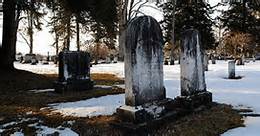
These gravestones have slowly broken down and turned a blackish color due to the action of:
a)
ice wedging
b)
abrasion
c)
acid rain
d)
mechanical weathering
24.
How might a weathered mountain appear different than an unweathered mountain?
a)
Weathered mountain would be taller.
b)
Weathered mountain would be rounder and less jagged.
c)
Weathered mountain would be more jagged and less rounded.
d)
Weathered mountain would have no trees.
25.
Which type of climate will have faster chemical weathering?
a)
Hot and Wet
b)
Cold and Dry
c)
Hot and Cold
d)
Cold and Wet
26.
Which of the following is an example of chemical weathering?
a)
Acid rain dissolving limestone
b)
roots breaking into concrete
c)
paper being ripped
d)
Water running over rocks
27.
All of the following are causes of physical weathering except...
a)
plant growth
b)
wind
c)
acid rain
d)
running water
28.
How does freezing water cause the weathering of rocks? The freezing water—
a)
keeps the rocks in place
b)
makes the rocks last longer
c)
expands cracks and breaks rocks
d)
causes rocks to fall in landslides
29.
Weathering can change roads, sidewalks, buildings and sculptures over time.
a)
False
b)
True
30.
What's the difference between erosion and deposition
a)
no difference
b)
erosion breaks down rocks; deposition moves it
c)
erosion moves the rock particles; deposition drops it off
d)
erosion breaks down rocks into smaller pieces; deposition moves it
31.
Ice, wind, water, gravity, plants, and animals can all be agents of__________
a)
mechanical weathering
b)
chemical weathering
c)
chemical processes
d)
abrasion
32.
Freezing causes
a)
physical weathering.
b)
chemical weathering.
c)
both chemical and physical weathering.
d)
neither chemical or physical weathering.
33.
Tree roots cause
a)
physical weathering.
b)
chemical weathering.
c)
both chemical and physical weathering.
d)
neither chemical or physical weathering.
34.

What type of weathering does this image display?
a)
physical
b)
chemical
35.

What type of weathering does this image display?
a)
physical
b)
chemical
36.

What type of weathering does this image display?
a)
physical
b)
chemical
37.

What type of weathering does this image display?
a)
physical
b)
chemical
38.
What is the movement of soil from one place to another?
a)
weathering
b)
deposition
c)
discharge
d)
erosion
39.
Rain washing away soil from a hillside
a)
Weathering
b)
Erosion
c)
Deposition
40.
Waves dropping sand on the beach
a)
Weathering
b)
Erosion
c)
Deposition
41.
Caves being formed by acid rain dissolving underground limestone
a)
Weathering
b)
Erosion
c)
Deposition
42.
Deltas forming at the mouths of rivers
a)
Weathering
b)
Erosion
c)
Deposition
43.
Water getting into cracks, freezing, and breaking the rocks or pavement apart
a)
Weathering
b)
Erosion
c)
Deposition
44.
Ponds filling up with sediment and becoming marshes
a)
Weathering
b)
Erosion
c)
Deposition
45.
What is the major cause of weathering and erosion?
a)
wind
b)
ice
c)
glaciers
d)
moving water
46.
The process of breaking up rocks on Earth's surface is called...
a)
sediment
b)
erosion
c)
weathering
d)
deposition
47.
In which type of climate would weathering happen the fastest to a rock?
a)
wet and warm
b)
dry and cold
c)
wet and cold
d)
dry and warm
48.
fan shaped deposit of mud and gravel often found along the bases of mountains
a)
Alluvial Fan
b)
Delta
c)
Abyssal Plain
d)
Trench
49.
Glaciers shape and carve away the land beneath them and can drastically reshape the landscape over hundreds or even thousands of years.
a)
True
b)
False
50.
A natural land feature on Earth's surface is called
a)
landform
b)
delta
c)
canyon
51.
Wind blowing sand from one location to another is called
a)
Weathering
b)
Erosion
c)
Deposition
52.
Deltas forming at the mouths of rivers is called?
a)
Weathering
b)
Erosion
c)
Deposition
53.
A mudslide flowing down a steep hill is called?
a)
Weathering
b)
Erosion
c)
Deposition
54.
The process of moving weathered rock and depositing it in another location is called?
a)
weathering
b)
erosion
c)
deposition
55.
Weathering involves the movement of rocks and minerals by agents such as water, wind and gravity.
a)
True
b)
False
56.

An avalanche is an example of which process?
a)
Weathering
b)
Erosion
c)
Deposition
d)
Volcanic Eruption
57.

What causes the greatest erosion effect on our beaches?
a)
Waves
b)
Gravity
c)
Glaciers
d)
Wind
58.
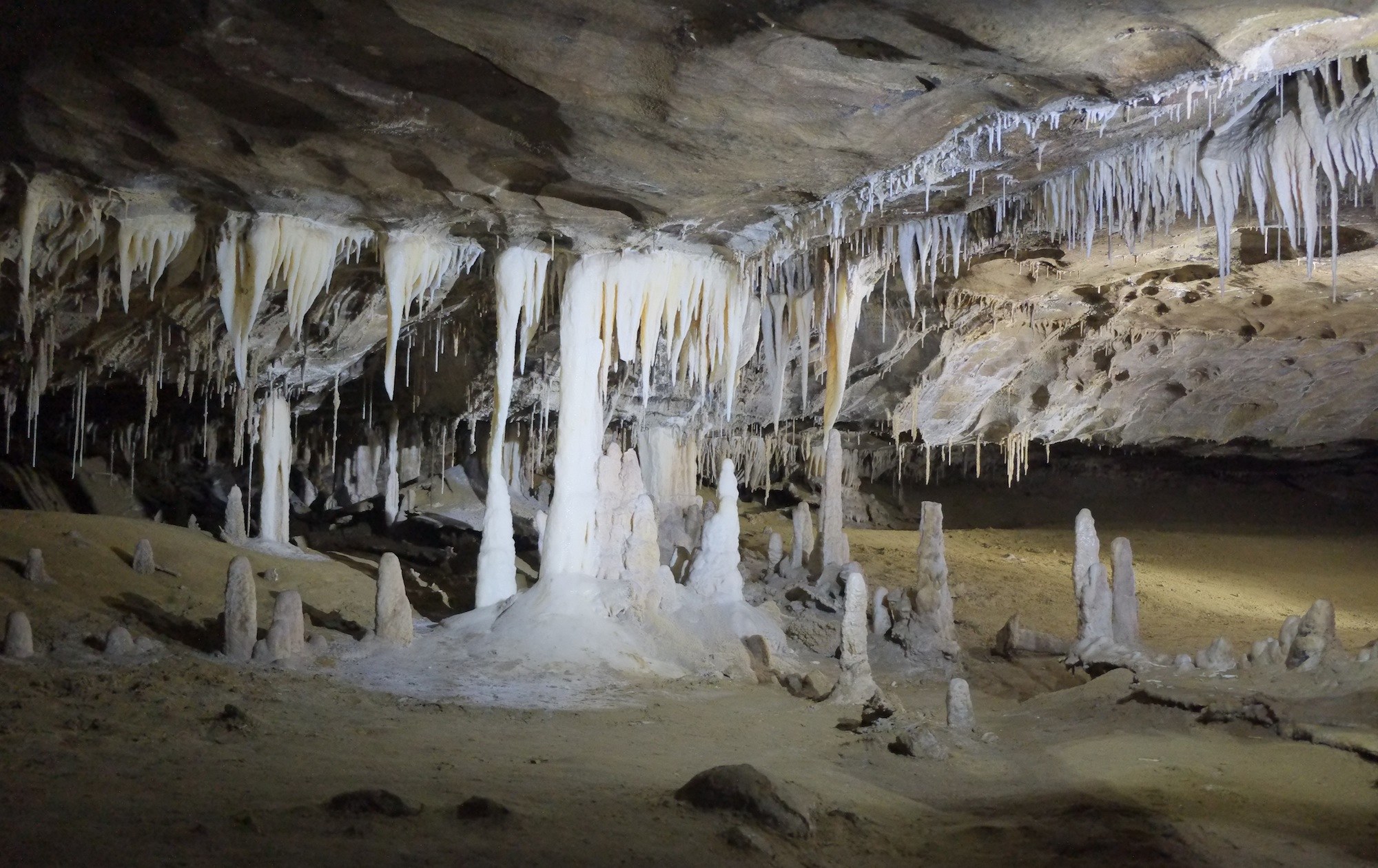
Deposition changes the Earth’s surface because bits of broken rock and soil _____.
a)
stop rivers from flowing.
b)
make rich farmlands.
c)
are dropped in new places.
d)
move very slowly.
59.
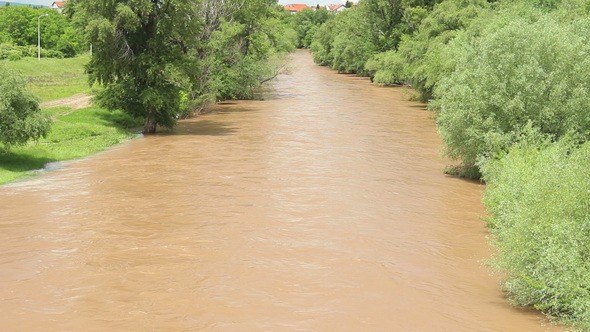
Muddy water being carried away by a fast-moving river is an example of
a)
Weathering
b)
Erosion
c)
Deposition
d)
A nice place to swim
60.

What is an enormous mass of ice moving over land, causing weathering of rock and soil?
a)
A glacier
b)
An iceberg
c)
An ice wedge
d)
A sand dune
61.
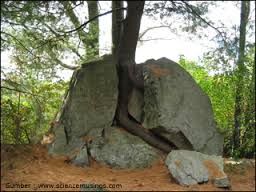
How do plants weather rocks?
a)
During photosynthesis
b)
When roots grow into cracks of rocks and expand the rock breaks.
c)
When the plant moves water from the roots to the leaves, the rock breaks.
d)
Plants don't weather rocks.
62.
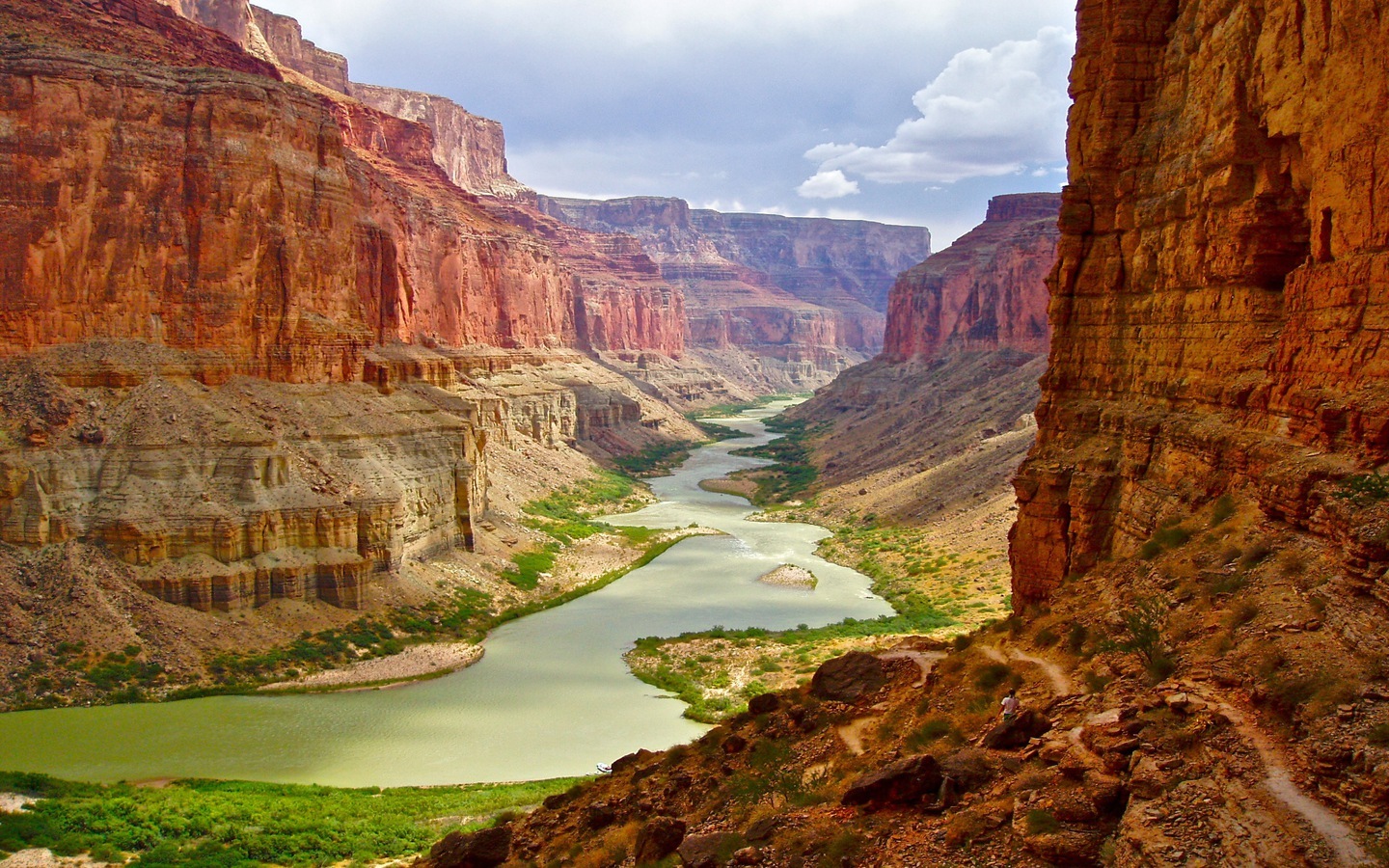
Flood water pounding against a canyon wall and wearing it down is an example of
a)
Weathering
b)
Erosion
c)
Deposition
d)
An avalanche
63.

Which of the following is NOT a slow change to Earth's surface?
a)
Weathering
b)
Erosion
c)
Deposition
d)
Landslides
64.

Which of the following is NOT a fast change in Earth's surface?
a)
Landslides
b)
Erosion
c)
Volcanoes Erupting
d)
Earthquakes
65.
Which landforms can be created by deposition?
a)
plateaus and mesas
b)
canyons and valleys
c)
prairies, plains
d)
sand dunes and deltas
66.
What is physical weathering?
a)
The process that breaks down rock
through dissolving rock and chemical
changes.
through dissolving rock and chemical
changes.
b)
Process by which rocks are broken down
into smaller pieces.
into smaller pieces.
67.
Which of the following is NOT a type of physical weathering?
a)
burrowing plants
b)
ice wedging
c)
plant roots
d)
acid rain
68.
Deposition changes the Earth’s surface because eroded materials _____.
a)
stop the river's flow
b)
make rich farmlands
c)
are dropped in new places
d)
move very slowly
69.
How are canyons formed?
a)
Wind blows sand into high piles, which form the canyon walls.
b)
Rivers erode soil and rock over time, leaving behind canyon walls.
c)
Gravity causes rocks to fall from mountain sides onto valley floors.
d)
Ice freezes and thaws in cracks of rocks, and the cracks become canyons.
70.

Which of the following probably did not cause this statue to wear down?
a)
Rain
b)
Wind
c)
Snow
d)
Animals
71.

What is this landform?
a)
valley
b)
hills
c)
river
d)
lake
72.

What is this landform?
a)
valley
b)
mountain
c)
hill
d)
glacier
73.

The small peices of rock that break off of a larger rock during weathering are called...
a)
Sediment
b)
Salt
c)
Erosion
d)
Deposition
74.

A river carries dirt and mud out of the land it runs through
a)
Mechanical Weathering
b)
Chemical Weathering
c)
Erosion
d)
Deposition
75.

A flash flood washes away the side of a river bank
a)
Mechanical Weathering
b)
Chemical Weathering
c)
Erosion
d)
Deposition
100 %

