
 Worksheets
Lecciones Preliminares
Total questions: 45
Worksheet time: 23mins
Name
Class
Date
1.

¿Cómo estás?
a)
Muy mal, gracias.
b)
Muy bien, gracias.
c)
Así,así, garcias.
d)
Estoy enojado.
2.

a)
Tengo 10 años.
b)
Hola
c)
Me llamo ...
d)
¡Buenos días!
3.

¿Cómo estás?
a)
Muy bien, gacias.
b)
Muy mal, gracias.
c)
Estoy feliz.
d)
Así, así, gracias.
4.
Pick the correct answer.
¿Cómo te llamas?
¿Cómo te llamas?
a)
Estoy bien.
b)
Soy de Indiana.
c)
Me llamo Juan.
d)
Ella es María.
5.
Nice to meet you.
a)
Mucho gusto.
b)
Muchas gracias.
c)
De nada.
d)
Hola.
6.
Thank you
a)
de nada
b)
igualmente
c)
gracias
d)
adios
7.
Who is he?
a)
¿Quién es ella?
b)
¿Cómo te llamas?
c)
¿Quién es él?
d)
¿Cómo se llama Ud.?
8.
Miss
a)
señora
b)
señorita
c)
señor
9.
Mr.
a)
señorita
b)
señora
c)
señor
10.
See you soon
a)
Hasta manaña
b)
Hasta pronto
c)
Hasta luego
d)
Tengo que irme
11.

Which of the following phrases is a way to ask "How are you" in a formal way? (to adults)
a)
¿Cómo estás?
b)
¿Cómo está usted?
c)
¿Qué pasa?
d)
¿Qué tal?
12.

Which of the following literally means "How are you?" and is used informally (friend, same age)
a)
¿Cómo estás t?
b)
¿Cómo está usted?
c)
¿Qué pasa?
d)
¿Qué tal?
13.
What would your response to ¿Qué tal? be?
a)
Me llamo Elena.
b)
Yo soy española.
c)
Yo estoy así así.
d)
Yo tengo once años.
14.
You would ask "Cómo está usted?" to which of the following people.
a)
Your teacher
b)
Your sibling
c)
Your cousin
d)
Your best friend
15.
Which one is not a greeting?
a)
hola
b)
buenas tardes
c)
nos vemos
d)
buenos días
16.
Which "n" letter is used in the Spanish word for "Miss"?
a)
m
b)
n
c)
w
d)
ñ
17.
What is this symbol (á) over the a called in the Spanish Alphabet?
a)
apostrophe
b)
anthem
c)
accent
d)
comma
18.

What is the capital of Puerto Rico?
a)
San Juan
b)
San José
c)
Lima
d)
Bogotá
19.

What is the capital of Honduras?
a)
Washington, D.C.
b)
San Salvador
c)
San Juan
d)
Tegucigalpa
20.

What is the capital of El Salvador?
a)
San Salvador
b)
Guatemala City
c)
San José
d)
Santiago
21.

What is the capital of Ecuador?
a)
La Paz
b)
Quito
c)
Malabo
d)
Santo Domingo
22.

What is the capital of Costa Rica?
a)
Santo Domingo
b)
San Juan
c)
San José
d)
San Salvador
23.

What is the capital of Spain?
a)
San José
b)
Tegucigalpa
c)
La Habana
d)
Madrid
24.
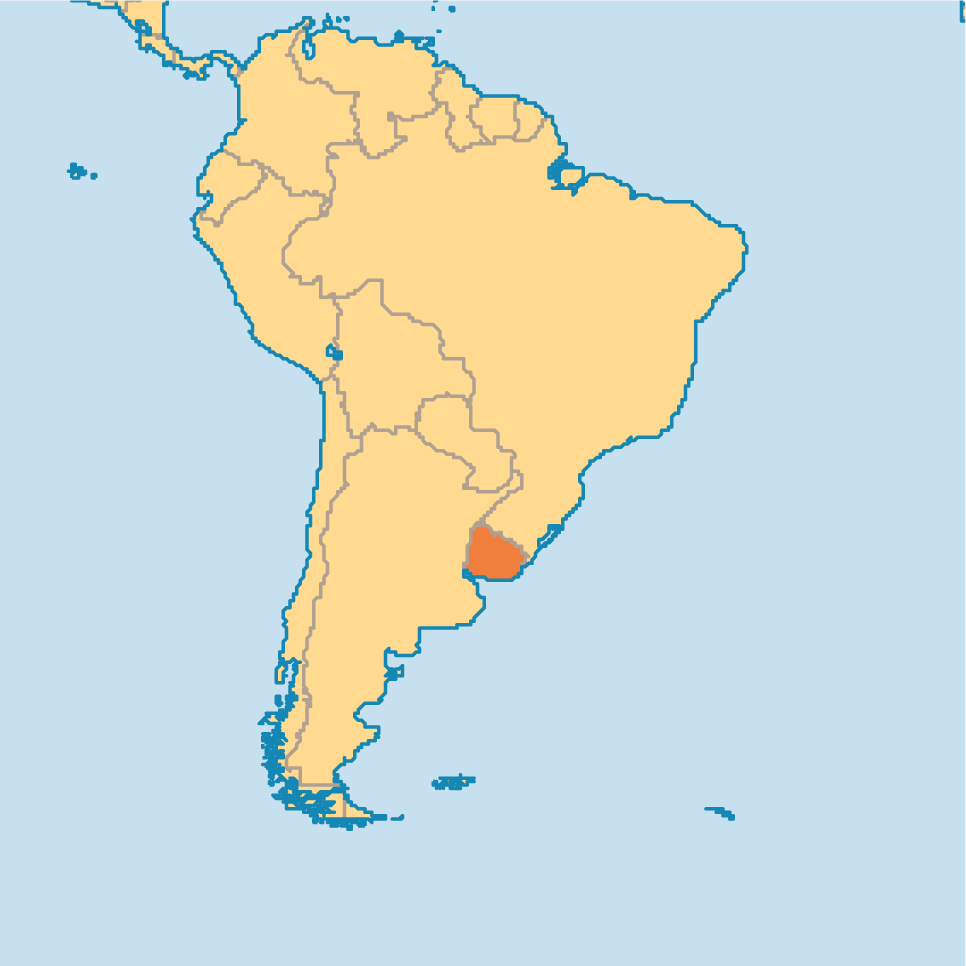
a)
Uruguay
b)
Paraguay
c)
Argentina
d)
Bolivia
25.
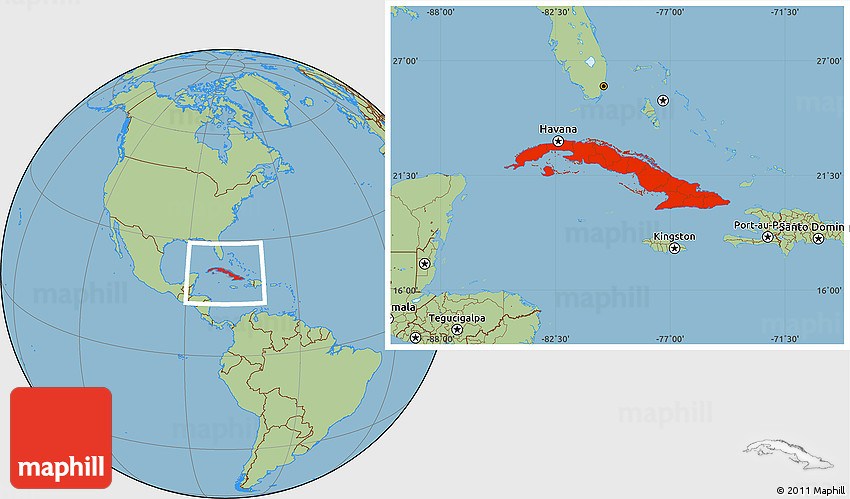
a)
La República Dominicana
b)
Cuba
c)
Puerto Rico
d)
Panamá
26.
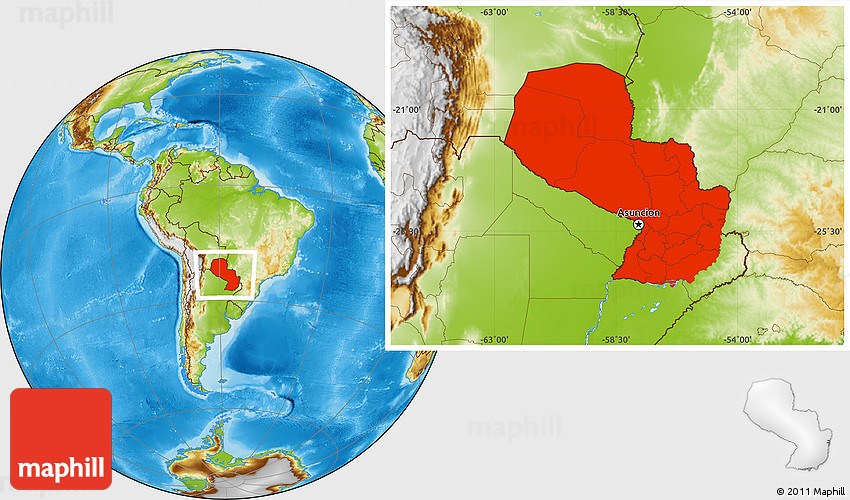
a)
Uruguay
b)
Bolivia
c)
Perú
d)
Paraguay
27.
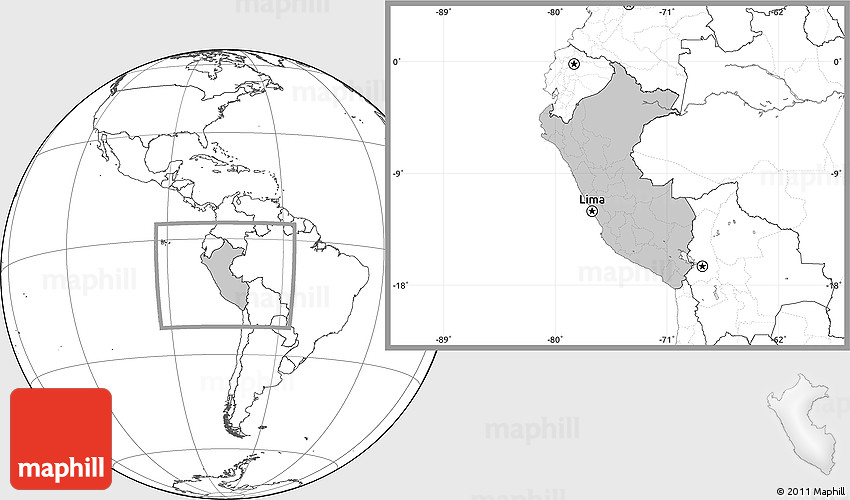
a)
Ecuador
b)
Chile
c)
Bolivia
d)
Perú
28.
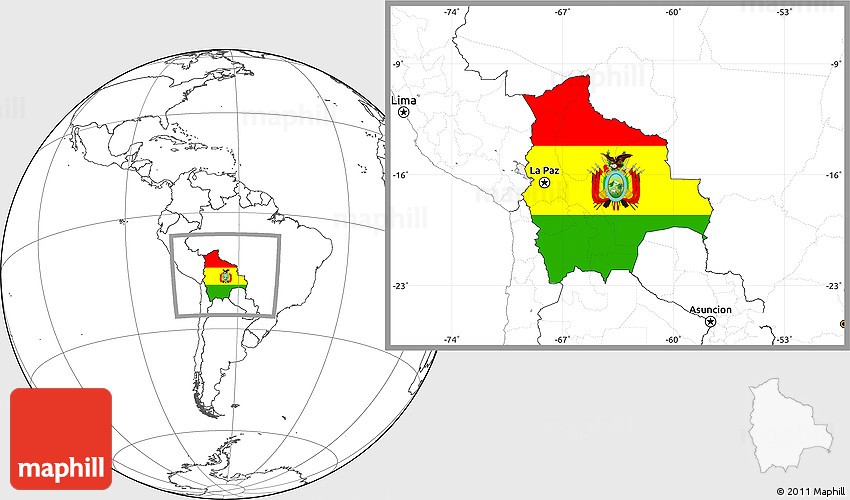
a)
Perú
b)
Uruguay
c)
Bolivia
d)
Paraguay
29.
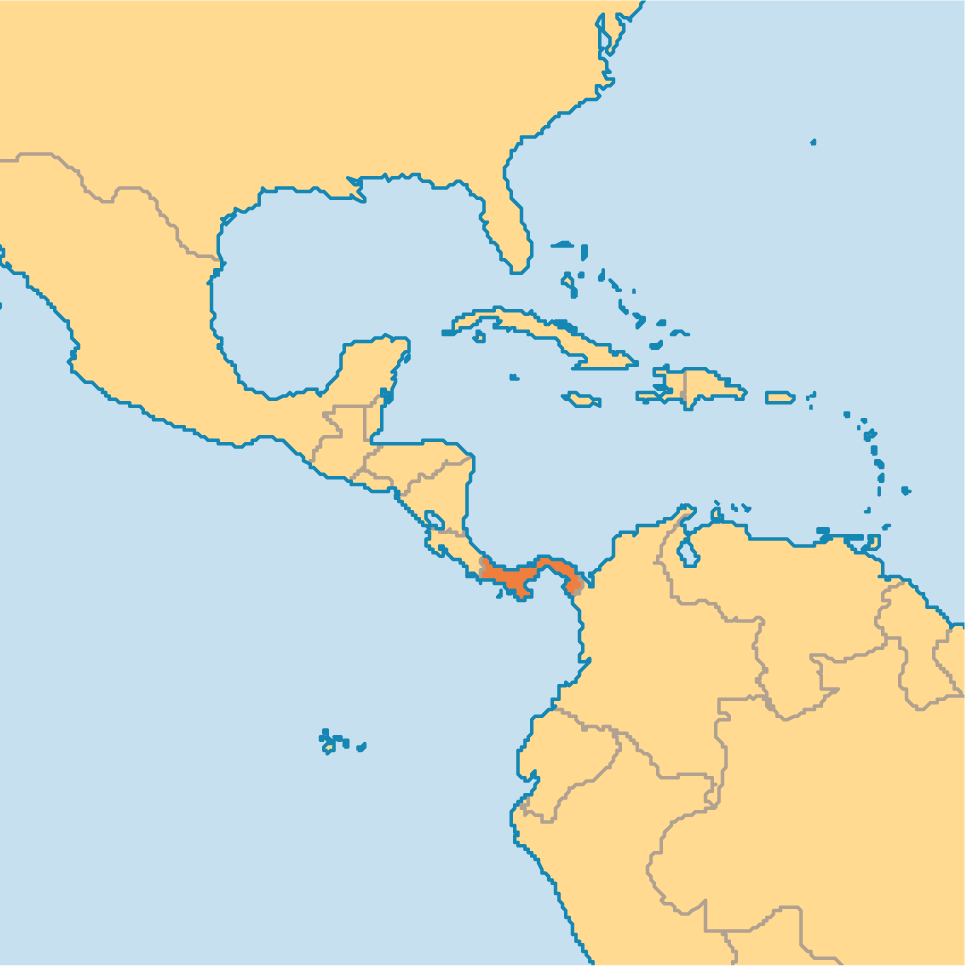
a)
Panamá
b)
Costa Rica
c)
Cuba
d)
Nicaragua
30.

¿Qué significa?
a)
No entiendo.
b)
¿Puedo ir a la enfermería?
c)
Levantese la mano.
d)
Entiendo.
31.

¿Qué significa?
a)
Levanta la mano.
b)
¿Puedo tomar agua.
c)
¿Puedo ir al baño?
d)
Saquen la tarea.
32.

¿Qué significa?
a)
Escriba.
b)
Repita, por favor.
c)
Necesito unos marcadores.
d)
¿Puedo ir a la oficina?
33.

¿Qué significa?
a)
Levántense las manos.
b)
Cierren el cuaderno.
c)
Saquen un lápiz.
d)
Abran la ventana.
34.

¿Qué significa?
a)
Necesito un lápiz.
b)
Yo entiendo
c)
Yo no sé.
d)
Abra el cuaderno.
35.

¿Qué dice?
a)
¿Puedo comer burritos?
b)
¿Puedo tomar agua?
c)
¿Puedo hablar en inglés?
d)
¿Puedo beber café?
36.
If you want to ask permission to do something begin your sentence with... ____.
a)
puedo.
b)
gracias.
c)
sí, Sra. Burris
d)
yo no sé.
37.
What form do we use when talking to the principal, Sr. Esposito?
a)
tu
b)
Ud.
38.
What form do we use when talking to "el president"?
a)
tu
b)
Ud.
39.
What form do we use when talking to Juan?
a)
tu
b)
Ud.
40.
What form do we use when talking to your "abuela" (grandma)?
a)
tu
b)
Ud.
41.
What form do we use when talking to your little cousin?
a)
tu
b)
Ud.
42.
What form do we use when talking to your Baseball coach?
a)
tu
b)
Ud.
43.
What form do we use when talking to your "hermanos" (siblings)?
a)
tu
b)
Ud.
44.
What form do we use when talking to "la policia"?
a)
tu
b)
Ud.
45.
You want to know how the new student is feeling. You ask...
a)
¿Cómo te llamas?
b)
¿Cómo está?
c)
¿Cómo estás?
d)
¿Cómo se llama?
100 %

