
 Worksheets
Unit 8 Industrialization and Reform
Total questions: 33
Worksheet time: 1hrs 6mins
Name
Class
Date
1.
What are identical components that can be used in place of each other?
a)
Interchangeable parts
b)
Factories
c)
Dynamos
d)
Assembly Lines
2.
Which of the following was NOT associated with early factory working conditions?
a)
Low wages
b)
Safe working conditions
c)
Dangerous working conditions
d)
Widespread pollution
3.
Before the Industrial Revolution all products were created by
a)
Factories
b)
Hand
c)
Slaves
d)
Royalty
4.
What is the movement from rural to urban areas called?
a)
Moving
b)
colonization
c)
inflation
d)
urbanization
5.
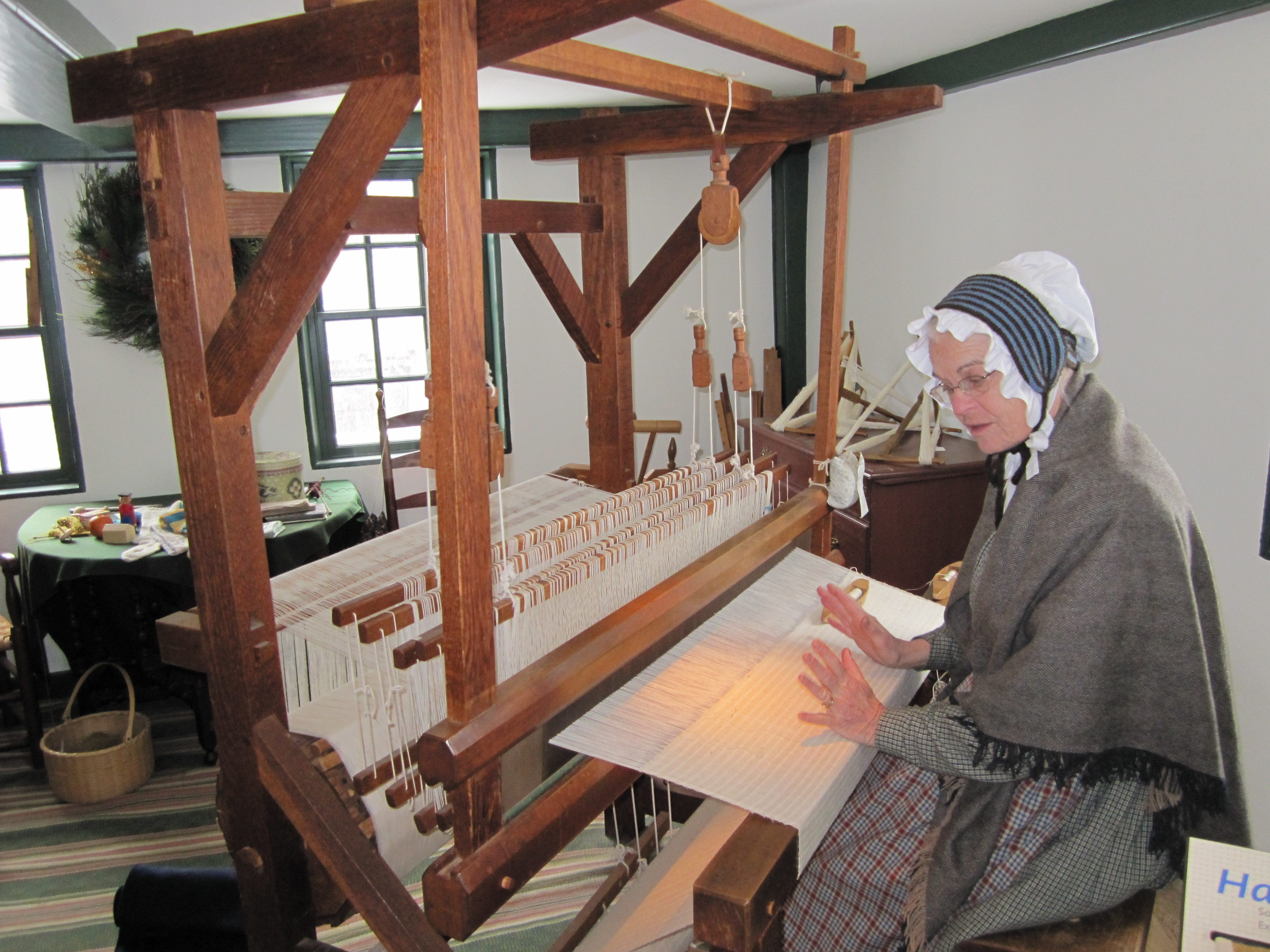
Any fabric that is woven (by machine or hand) is called -
a)
technology
b)
textile
c)
economy
d)
industrialization
6.
How did the Industrial Revolution affect the cities?
a)
Made the crime rate decrease
b)
Led to an increase in farm workers
c)
Make the cities cleaner and safer
d)
Led to an increase in population in the cities
7.

Who invented the cotton gin?
a)
Eli Whitney
b)
Jim Morse
c)
James Watt
d)
the guy that delivers your pizza
8.
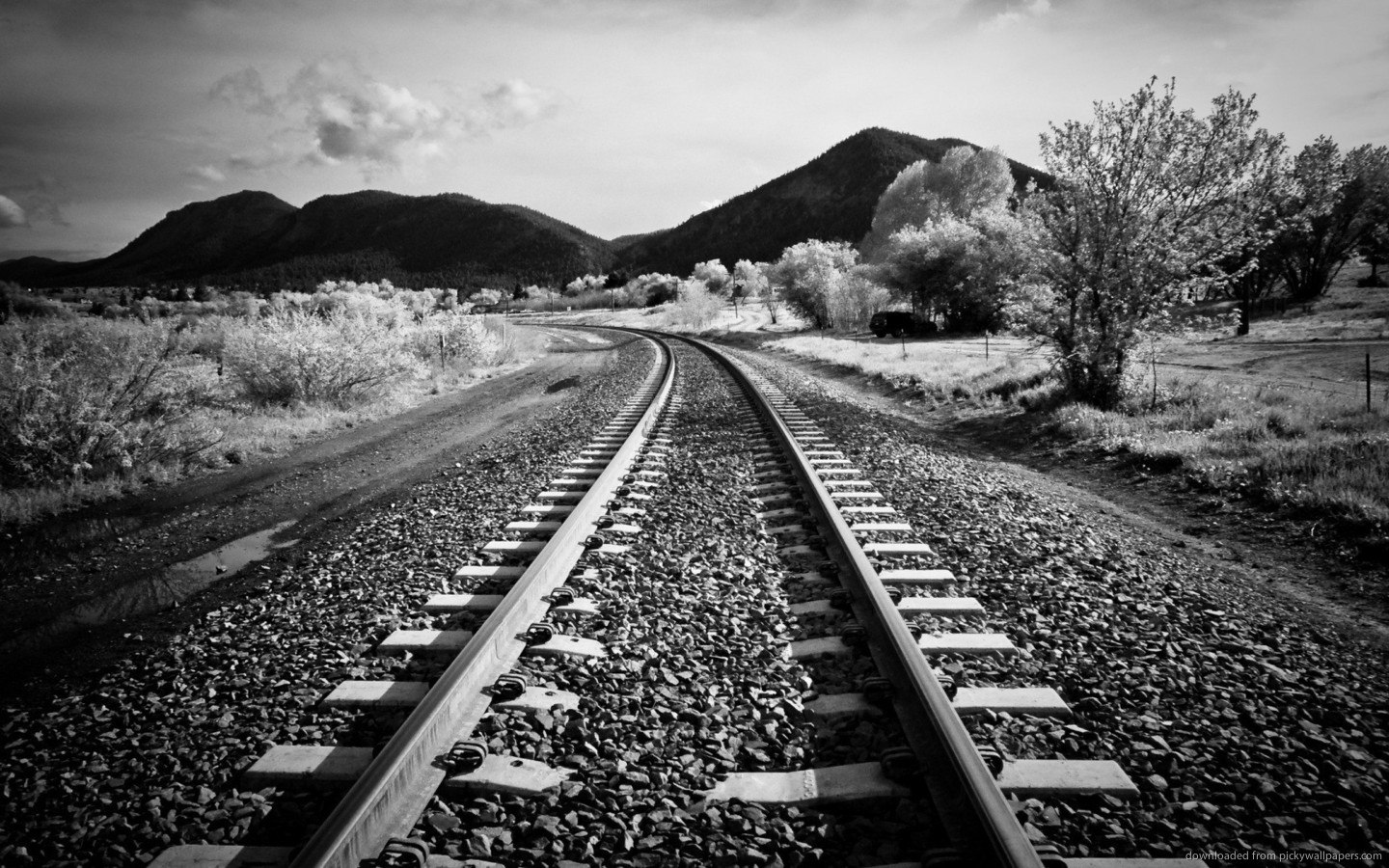
Why were railroads so important during this time?
a)
they moved goods more quickly and less expensively over greater distances
b)
they were fun to ride on to go visit family in other states
c)
people could ride on railroads to get to their jobs in another city
9.
What did Dorothea Dix want to improve?
a)
Shelters for pets
b)
Equality for African Americans
c)
Conditions in prisons
d)
Food distribution
10.
Which two women led the Women’s Rights Movement?
a)
Angelina and Sarah Grimke
b)
Lucretia Mott and Elizabeth Cady Stanton
c)
Sojourner Truth and Dorothea Dix
d)
Betsy Ross and Sacajawea
11.
Which of the following was a problem that instigated the reforms?
a)
alcoholism was destroying families
b)
prisons were poorly run
c)
children lacked proper education
d)
all of the above
12.

What religious movement led to the other reform movements?
a)
The Reformation
b)
The Second Great Awakening
c)
The Renaissance
d)
The First Great Awakening
13.

Abolitionists were Americans who wanted to end
a)
Slavery
b)
discrimination against women
c)
immigration
d)
imprisonment for debt
14.
What is temperance?
a)
abstinence from alcoholic drink
b)
the study of temperatures
c)
a religious belief that says your temper controls your fate
d)
the right to vote
15.
While supporting the temperance movement, abolition, and women’s rights, Horace Mann’s greatest achievement was…
a)
Publishing a novel about slavery
b)
The reform of public education
c)
Providing healthcare to the impoverished
d)
Rewriting the constitution
16.
I published an abolitionist newspaper called "The Liberator." I wanted freedom and equality for all African Americans.
a)
William Lloyd Garrison
b)
Frederick Douglass
c)
John Brown
d)
Levi Coffin
17.
I was the most famous ‘conductor’ of the Underground Railroad. I led more than 300 slaves to freedom.
a)
John Brown
b)
Harriet Tubman
c)
David Walker
d)
Nat Turner
18.
Define Reform
a)
to make change to something in order to improve it
b)
first co-ed college
c)
the time period directly after a major war
d)
the right to vote
19.
Which Transcendentalist used civil disobedience to protest taxes?
a)
Baron de Montesquieu
b)
Henry David Thoreau
c)
John Locke
d)
Ralph Waldo Emerson
20.
Frederick Douglass was a former slave who:
a)
Complained about his new life in the North.
b)
Went into hiding in New York.
c)
Created a platform about returning to Africa.
d)
Spoke up about his experiences as a slave while living in the North.
21.

Where did most immigrants live?
a)
Most lived in farming communities
b)
Most lived in the suburbs
c)
Most lived in big cities
d)
Most lived around lakes
22.

Give examples of immigrant "push" factors.
a)
Promise of a better life
b)
War or religious persecution
c)
Religious Freedom
d)
Religious Freedom
23.

Where did many immigrants in the East work?
a)
Fisherman
b)
Ranches
c)
Farms
d)
Factories
24.

Give example of immigrant pull factors?
a)
Overpopulation
b)
Political Persecution
c)
Abundance of Land & job opportunities
d)
War
25.

Immigration push factors are…
a)
reasons people come to a new place
b)
reasons people leave their homelands
c)
reasons people begin working
d)
reasons people stop working
26.

Immigration pull factors are…
a)
reasons people come to a new place
b)
reasons people leave their homelands
c)
reasons people begin working
d)
reasons people stop working
27.
In which country did the Industrial Revolution begin?
a)
The United States
b)
England
c)
France
d)
Germany
28.
What was a crowded, urban, run-down building with small, cheap apartments.
a)
Tenement
b)
Political Machine
c)
Angel Island
d)
Homestead
29.
Which groups of immigrants faced harsh discrimination?
a)
Irish and German
b)
Latino and Korean
c)
Chinese and Irish
d)
Japanese and Arabic
30.
Favoring the interests of native born people over foreign born people
a)
Discrimination
b)
Favoritism
c)
Nativism
d)
Urbanism
31.
Which best describes the working conditions of most immigrants.
a)
Most immigrants worked long hours in low-paying industrial jobs
b)
Most immigrants worked as farmers in rural areas
c)
Most immigrants worked as bookkeepers or other professional jobs
d)
Most immigrants worked as tailors or other skilled jobs
32.
What forced the Irish Immigrants to come to the United States
a)
Persecution
b)
Russians
c)
Religious Freedom
d)
Potato Famine
33.
A private business like a grocery store is an example of what?
a)
government
b)
free enterprise
c)
freedom of speech
d)
industrialization
100 %

