
 Worksheets
Medieval Japan
Total questions: 20
Worksheet time: 10mins
Name
Class
Date
1.

The Shinto religion is based on...
a)
respect for nature & ancestors
b)
suffering
c)
many gods
d)
respect for new ideas
2.

The WORD "Shinto" means...
a)
divine spirits
b)
way of the gods
c)
path of spirituality
d)
divine way
3.

A regent ruled when...
a)
an emperor was still a child
b)
an emperor became ill
c)
an emperor fled Japan
d)
an emperor died
4.

How did Prince Shotoku feel about China?
a)
fear
b)
disrespect
c)
anger
d)
admiration
5.

Why did Prince Shotoku create the Seventeen Article Constitution?
a)
to guide government leaders
b)
to inform citizens of Japan
c)
to teach soldiers
d)
to instruct slaves
6.

What is an "embassy"?
a)
an office of a government on a ship
b)
an office of a government in another nation
c)
an office of a government in the country's capital
d)
an office of a government in the army
7.

Followers of Zen Buddhism seek to find...
a)
salvation
b)
life after death
c)
inner peace
d)
complex rituals
8.

Noh plays were based on...
a)
legends
b)
literature
c)
poetry
d)
history
9.

Kabuki combined singing and dancing with...
a)
simple costumes & masks
b)
elaborate costumes & masks
c)
poetry readings
d)
martial arts demonstrations
10.

The themes of Kabuki plays are centered around...
a)
wealthy people
b)
merchants
c)
scholars
d)
common people
11.
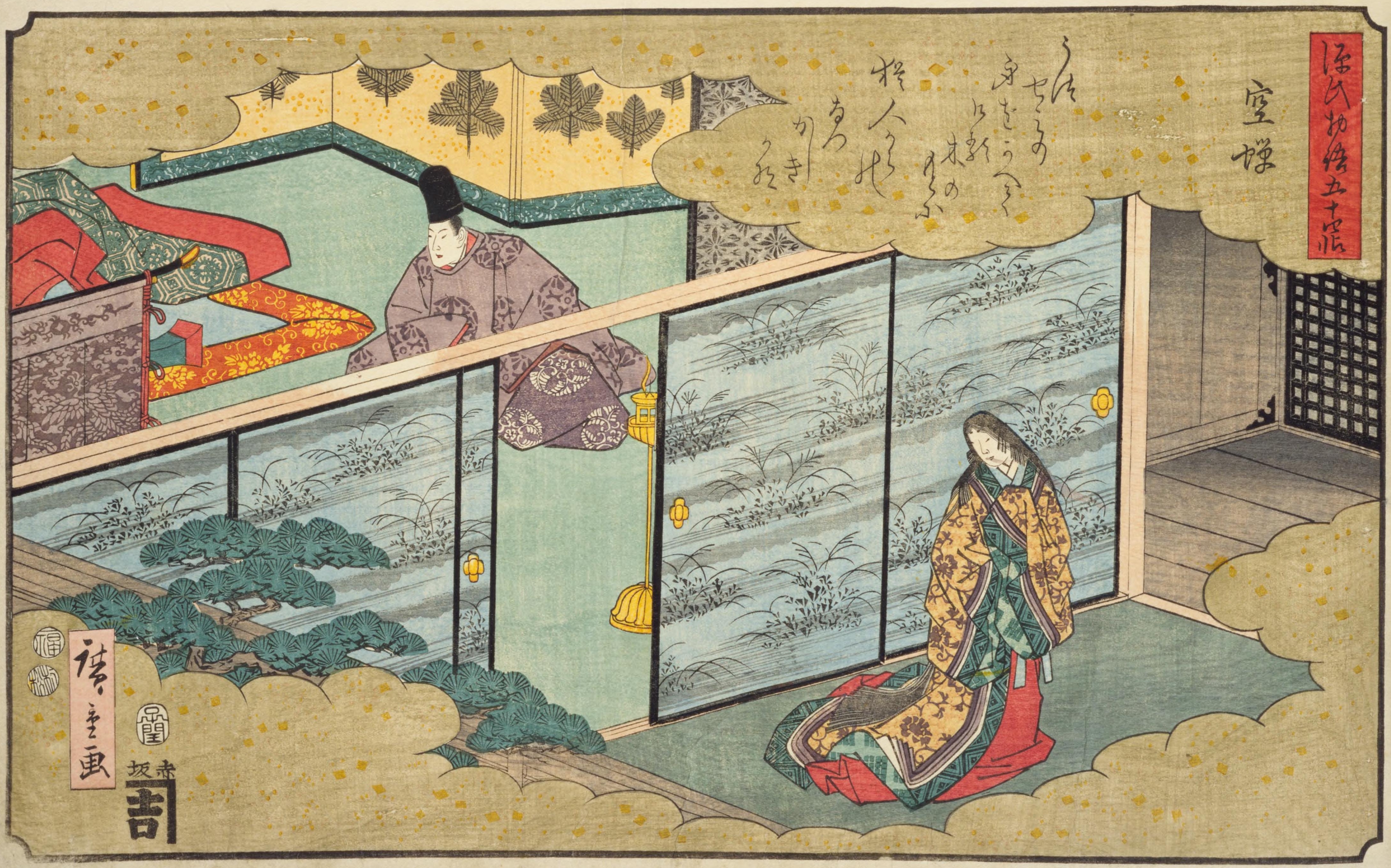
Lady Murasaki Shikibu's book was important in the development of Japanese literature because...
a)
it was a Noh play
b)
it was a realistic story focused on one individual
c)
it was written by a man pretending to be a woman
d)
it focused on Confucianism
12.

Matsuo Basho was a Zen Buddhist famous for...
a)
kabuki acting
b)
noh plays
c)
meditations
d)
haiku poetry
13.

Definition: Private army
a)
samurai
b)
daimyo
c)
shogun
d)
vassal
14.

Definition: Protected by a lord
a)
shogun
b)
samurai
c)
daimyo
d)
vassal
15.

Definition: Supreme military leader
a)
daimyo
b)
shogun
c)
samurai
d)
vassal
16.

Definition: owned a private army
a)
daimyo
b)
shogun
c)
vassal
d)
samurai
17.

Definition: Estate owners
a)
daimyo
b)
shogun
c)
vassal
d)
samurai
18.

Definition: fought for their daimyo
a)
vassal
b)
samurai
c)
shogun
d)
daimyo
19.

Definition: ruled on the emperor's behalf
a)
shogun
b)
daimyo
c)
vassal
d)
samurai
20.

Definition: gave loyalty for protection
a)
samurai
b)
shogun
c)
daimyo
d)
vassal
100 %

