
 Worksheets
Osmosis and Cell Specialization
Total questions: 65
Worksheet time: 57mins
Name
Class
Date
1.
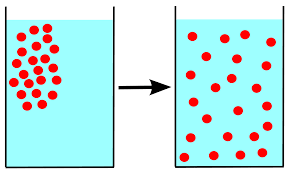
The picture below is an example of _________________.
a)
osmosis
b)
isotonic
c)
diffusion
d)
active transport
2.
Osmosis is the movement of _____ across a membrane.
a)
food
b)
energy
c)
oxygen
d)
water
3.
During osmosis
a)
water moves from high to low concentration
b)
large or oddly shaped molecules move across a cell membrane
c)
water moves when energy is used
d)
proteins are built
4.
Permeable means
a)
things can pass through
b)
the concentration levels are different
c)
it is permanent
d)
things are stuck
5.

What is the definition of Selective Permeability?
a)
The movement of materials across the cell membrane that requires NO ENERGY from the cell.
b)
The movement of materials through (or across) the cell membrane
c)
The ability of the cell membrane to allow some things to pass through while preventing other things from passing through.
d)
The movement of molecules from an area of high concentration to a area of low concentration
6.
Passive transport requires no
a)
concentration gradients
b)
osmosis
c)
motion
d)
energy
7.
What is diffusion?
a)
when molecules move
b)
when molecules move from a high concentration to a low.
c)
no movement
d)
molecules move everywhere
8.

_______ regulates what enters and leaves a cell.
a)
Cell Membrane
b)
Nucleus
c)
Mitochondria
d)
Cytoplasm
9.
Large particles enter the cell by which process...
a)
exocytosis
b)
endocytosis
c)
exoskeleton
d)
osmosis
10.
When both inside and outside of a cell have the same amount of water it is said that the cell has reached a state of ___________.
a)
osmosis
b)
equilibrium
c)
diffusion
d)
hypertonic
11.
The movement of molecules against a concentration gradient
a)
simple diffusion
b)
facilitated diffusion
c)
active transport
d)
osmosis
12.
In the given scenario what will happen? An egg is placed in pure water for 48 hours.
a)
The egg will gain water and swell.
b)
Water will move in and out of the cell equally, and the cell with neither shrink nor swell.
c)
The egg will lose water and shrink.
13.
What process occurs when WATER diffuses across a membrane?
a)
endocytosis
b)
mitosis
c)
osmosis
d)
nuclear fission
14.

Which diagram best shows the end result of diffusion?
a)
F
b)
G
c)
H
d)
J
15.

A student put a few drops of lemon juice into an uninflated balloon.The student tied a knot in the balloon, placed it in a shoe box, and covered it with a lid. The following day, the student opened the box and was able to smell lemon in the box. Through what process were molecules able to pass through the balloon?
a)
respiration
b)
fermentation
c)
osmosis
d)
diffusion
16.
What a cell needs to transport particles by active transport?
a)
Sun
b)
Wind
c)
Energy
d)
Channels
17.

Where is there a low concentration of perfume?
a)
in the bottle
b)
on the hand
c)
in the room
d)
in the top
18.

Where is there a low concentration of dye?
a)
at the bottom of cup
b)
in the color
c)
at the top of cup
d)
no concenteraion gradient
19.

The egg represents a giant ________, now that the shell has been dissolved by vinegar (acetic acid).
a)
bacterium
b)
cell
c)
bubble
d)
organelle
20.

What is the most abundant substance in a living cell?
a)
protein
b)
water
c)
calcium
d)
yolk
21.
The egg membrane allows some substance to pass through, while blocking others. This means it is ________________ .
a)
mesh screen
b)
semi-permeable
c)
pliable
d)
flexible
22.

If the egg is in distilled (100%) water overnight, what might happen?
a)
egg will shrink as water leaves
b)
egg mass will stay constant
c)
egg may burst as water enters
d)
most absorb water until it achieves equilibrium with solution
23.

Which way will the water move by osmosis in this situation?
a)
into the cell
b)
out of the cell
c)
won't move
24.
Which is true about adult stem cells.
a)
They no longer do mitosis, their cell type is set and can not change
b)
They are limited to the type of cell they can become.
c)
They can become any cell type in the body
d)
They are found in embryos
25.
This type of cell is found in females and is needed for reproduction.
a)
egg cell
b)
sperm cell
c)
fertilization cell
d)
yolk cell
26.

This type of cell sends messages throughout the body in the form of electrical impulse.
a)
nerve cell
b)
sperm cell
c)
muscle cell
d)
skin cell
27.

This type of cell is found in males and is responsible for reproduction.
a)
sperm cell
b)
egg cell
c)
muscle cell
d)
nerve cell
28.
This type of cell carries oxygen throughout the body.
a)
gamete
b)
platelet
c)
white blood cell
d)
red blood cell
29.
This type of cell fights infection.
a)
red blood cell
b)
platelet
c)
white blood cell
d)
antibacterial cell
30.
How do stem cells know what type of cells to differentiate into?
a)
The nucleus has instructions to turn some genes on and some genes off
b)
Signals from chemicals in the organism or from the environment determine which genes will be turned on and off
c)
Genes turn on and off randomly
d)
The cell has unique DNA that determines what the cell will become.
31.
The ___________ is the basic unit of life
a)
organ
b)
cell
c)
atom
d)
tissue
32.
Organs and tissues that perform the same function is called _____________?
a)
cells
b)
tissues
c)
organ system
d)
organs
33.
A group of tissues that perform a similar function is called_____. (Examples include the heart, lungs or stomach)
a)
cells
b)
tissues
c)
organs
d)
organ system
34.
A group of cells that have similar functions? Examples are nervous, epithelial, muscle and connective
a)
cells
b)
tissues
c)
organs
d)
atoms
35.
What is the correct order of organization
a)
tissues-cells-organs-organ systems-organism
b)
cell-tissue-organs-organ systems-organism
c)
organism-cells-tissues-organ systems-organism
d)
tissues-cells-organs-organ sytems-organism
36.
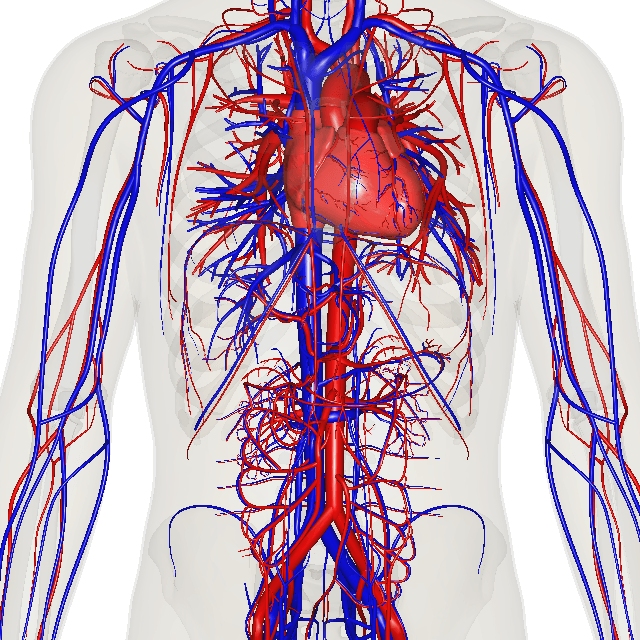
This is a example of ........
a)
organ
b)
organ system
c)
tissue
d)
cell
37.
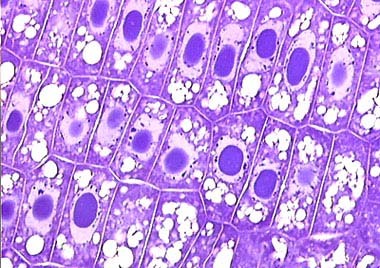
This is a example of ........
a)
cell
b)
tissue
c)
organ
d)
organ system
38.
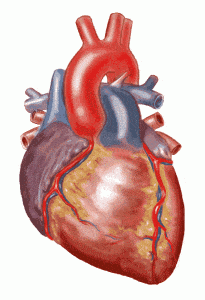
This is a example of ........
a)
cell
b)
organ system
c)
organ
d)
tissue
39.
The digestive system includes the stomach. What level is the stomach?
a)
organ
b)
tissue
c)
cell
d)
organism
40.
What is the correct order of organization
a)
tissues-cells-organs-organ systems-organism
b)
cell-tissue-organs-organ systems-organism
c)
organism-cells-tissues-organ systems-organism
d)
tissues-cells-organs-organ sytems-organism
41.
A tissue is composed of a group of
a)
similar cells
b)
related organelles
c)
organ systems
d)
related organs
42.
The human brain is an example of a(n)
a)
cell
b)
tissue
c)
organ
d)
organ system
43.
The tissue level of organization comes
a)
after cells
b)
after organs
c)
after organ systems
d)
this is not an organizational level
44.
Organ systems make up
a)
tissues
b)
cells
c)
organisms
d)
populations
45.
What word best describes cell specialization?
a)
similar
b)
related
c)
different
d)
connected
46.
How are prokaryotes and eukaryotes different?
a)
prokaryotes are larger
b)
eukaryotes have a nucleus
c)
eukaryotes are simpler
d)
prokaryotes are more complex
47.

Which type of cell?
a)
Prokaryote
b)
Eukaryote
48.

Which type of cell?
a)
Prokaryote
b)
Eukaryote
49.
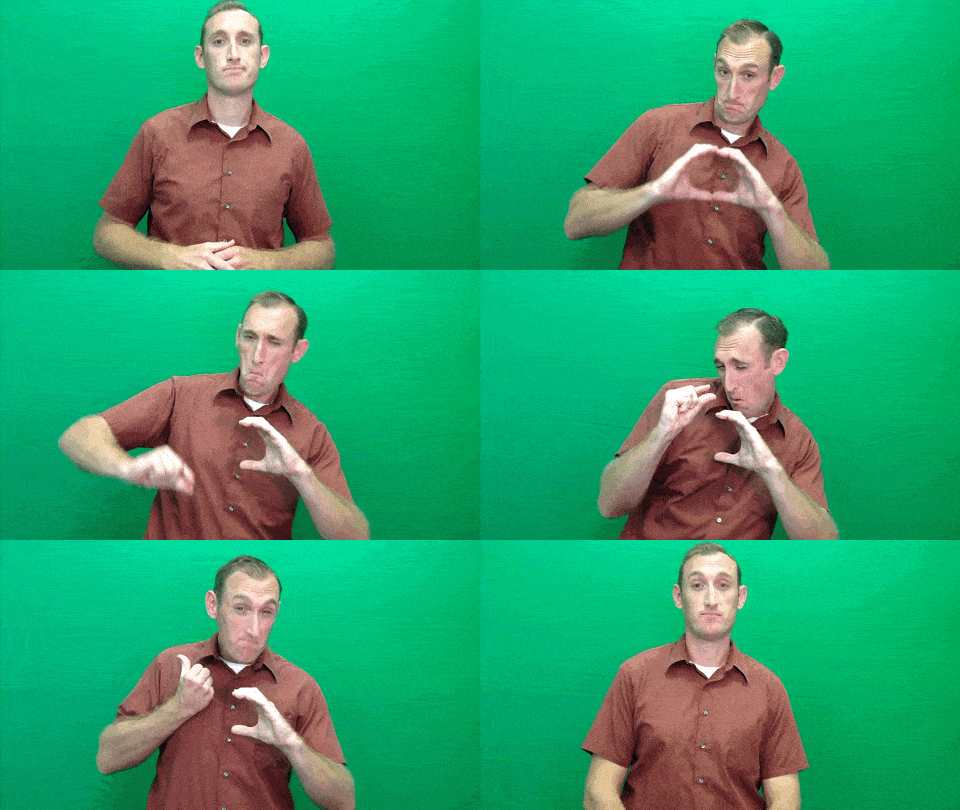
The ___________ is the basic unit of life
a)
organ
b)
cell
c)
atom
d)
tissue
50.

Directs all cell activities through the DNA located there.
a)
Lysosomes
b)
Nucleus
c)
ribosomes
d)
Mitochondria
51.
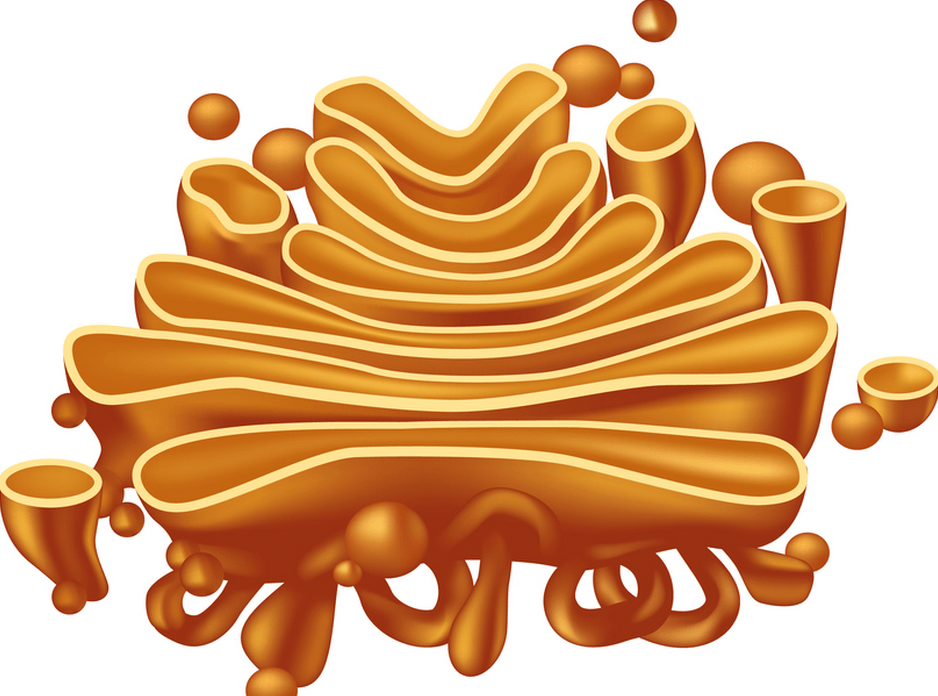
I am a protein packaging and shipping machine! Who am I?
a)
vacuole
b)
ribosome
c)
mitochondrion
d)
golgi apparatus
52.
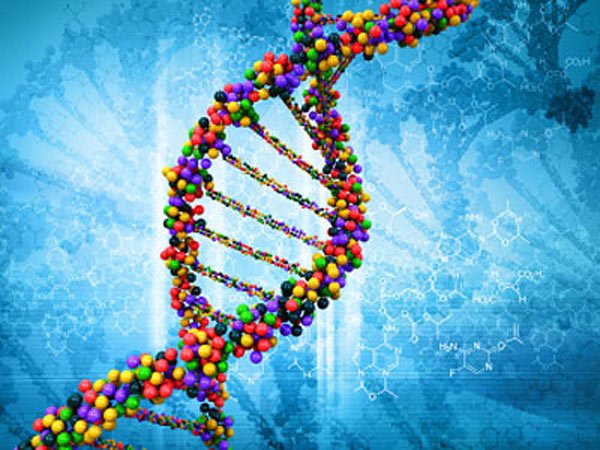
What is the name of the genetic material that is inside the nucleus?
a)
ER
b)
ATP
c)
YOLO
d)
DNA
53.

Which part of the cell is often called "the brain of the cell"?
a)
nuclear membrane
b)
endoplasmic reticulum
c)
nucleus
d)
mitochondria
54.
What are tiny organelles that convert glucose into ATP?
a)
Ribosomes
b)
Vesicles
c)
Cytoskeleton
d)
Mitochondria
55.

I am the outer most layer of an animal cell. What am I?
a)
cell wall
b)
nucleus
c)
cell membrane
d)
cell skin
56.
Where are proteins made?
a)
Golgi body
b)
Mitoichondria
c)
Chromosomes
d)
Ribosomes
57.
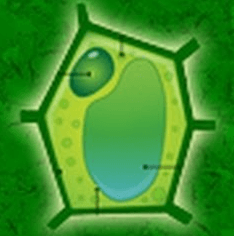
A rigid layer that lies outside the cell's membrane is...
a)
Cytoskeleton
b)
Cilia
c)
Cell Wall
d)
Flagella
58.
What organelle is called the "powerhouse" of a cell?
a)
Endoplasmic Reticulum
b)
Nucleus
c)
Mitochondria
d)
Nucleolus
59.
What is the gel-like substance inside of cells called?
a)
photoplasm
b)
photosynthesis
c)
cytoskeleton
d)
cytoplasm
60.
Main producer of ATP in all eukaryotes
a)
chloroplast
b)
mitochondria
c)
lysosome
d)
smooth er
61.
A group of tissues that work together to perform a similar function is called_____. (Examples include the heart, lungs or stomach)
a)
cells
b)
tissues
c)
organs
d)
organ system
62.

Which of these is NOT a part of the Cell Theory?
a)
All cells are independent.
b)
Cells are the basic unit of living things.
c)
All living things are one or more cells.
d)
Cells come from cells.
63.

This organelle transports materials from throughout the cell.
a)
ER
b)
Ribosomes
c)
FedEx
d)
Golgi Complex
64.
Stem cells can be obtained from
a)
embryos
b)
some adult tissues
c)
umbilical cord blood
d)
all of the above
65.
Which is true about Adult Stem Cells.
a)
They no longer do mitosis, their cell type is set and can not change
b)
They are limited to the type of cell they can become.
c)
They can become any cell type in the body
d)
They are found in embryos
100 %

