
 Worksheets
DLA STUDY PRACTICE
Total questions: 199
Worksheet time: 3hrs 54mins
Name
Class
Date
1.
Heredity is the passing of traits from _____________________ to _____________________
a)
predators to prey
b)
water to rain
c)
parents to offspring
d)
fungi to protists
2.
___________________________ is the study of how traits are passed on, or inherited.
a)
dominant traits
b)
ratio
c)
phenotype
d)
genetics
3.
Why did Mendel choose to study pea plants in order to learn how traits are passed from parent to offspring?
a)
Pea plants grow quickly
b)
Pea plants are ultraviolet
c)
Pea plants are rare and expensive
d)
Pea plants are take years to grow
4.
If a child has red hair, they inherited a certain _______________ from their parents.
a)
ratio
b)
trait
c)
probability
d)
sex chromosome
5.

A ________________________ is used to predict the possible genotype from certain parents
a)
Mendel Grid
b)
Genetic Tic Tac Toe
c)
Punnett Square
d)
Pedigree Plot
6.
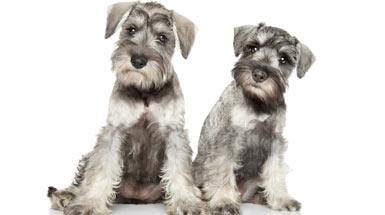
When humans breed purebred dogs to look a certain way and have traits that they like, this is an example of ___________________________
a)
Probably Breeding
b)
Sectional Breeding
c)
Selective Breeding
d)
Suspended Breeding
7.
Dominant or recessive?
Dd
Dd
a)
Dominant
b)
recessive
c)
neither
d)
homozygous
8.
aa always shows up as
a)
dominant
b)
recessive
9.
AA and Aa always show up as
a)
dominant
b)
recessive
10.
Which of the following is NOT a genotype?
a)
heterozygous
b)
a trait
c)
Bb
d)
homozygous recessive
11.
Emily has brown hair. Which is most likely a true statement about Emily?
a)
Emily’s favorite color is brown.
b)
Emily has a parent with brown hair.
c)
Emily’s older brother has brown hair.
12.
Bunny A’s fur is all brown, while his brother and sisters are half brown and half white. The bunnies’ father is all brown, and the mother bunny is half brown and half white. Which best describes why Bunny A has brown fur?
a)
The bunny inherited a brown fur characteristic from each parent.
b)
The bunny inherited a white fur characteristic from each parent.
c)
The bunny rejected the white characteristics from its mother.
d)
The bunny rejected the brown characteristics from its father.
13.
Which trait does a puppy inherit from its parents?
a)
fur color and pattern
b)
obedience to commands
c)
food brand preferences
d)
affection for a specific home
14.
A litter of kittens have traits that are similar to both the mother cat and the father cat. Which best explains this situation?
a)
The kittens are provided the same kind of milk from their mother as they grow.
b)
The kittens inherit some of their traits from their mother and some from their father.
c)
The kittens are kept at the same temperatures by their mother when they are first born.
d)
The kittens are taught by their parents to have similar traits.
15.

Purebred is another word for __________, while hybrid is another word for __________.
a)
dominant; recessive
b)
recessive; dominant
c)
homozygous; heterozygous
d)
heterozygous; homozygous
16.

T = tall an t = short
TT and Tt would result in the following phenotype
TT and Tt would result in the following phenotype
a)
short
b)
tall
c)
both tall and short
d)
neither tall or short
17.

Which statement about DNA is true?
a)
Different people can have the same copy of DNA in their cells.
b)
DNA is made up of genes that carry hereditary information.
c)
DNA controls the genotype but not the phenotype of an organism.
d)
DNA controls the genotype only in the second and third generations.
Question
Question
18.
Genetics is
a)
the study of DNA
b)
the study of physical appearances
c)
the study of heredity
d)
the use of mathematics and science
19.

What is a gene?
a)
A bundle (like a hot dog bun) that the DNA is packed into
b)
something inside the nucleus
c)
a piece of DNA
d)
all of your DNA
20.
DNA is inside your cells. What part of the cell is the DNA inside of?
a)
cell membrane
b)
cytoplasm
c)
nucleus
21.
True or False? A tightly wound bundle of DNA is a chromosome.
a)
False
b)
True
22.

What is this image showing?
a)
DNA
b)
Chromosome
c)
Alleles
d)
Phenotype
23.
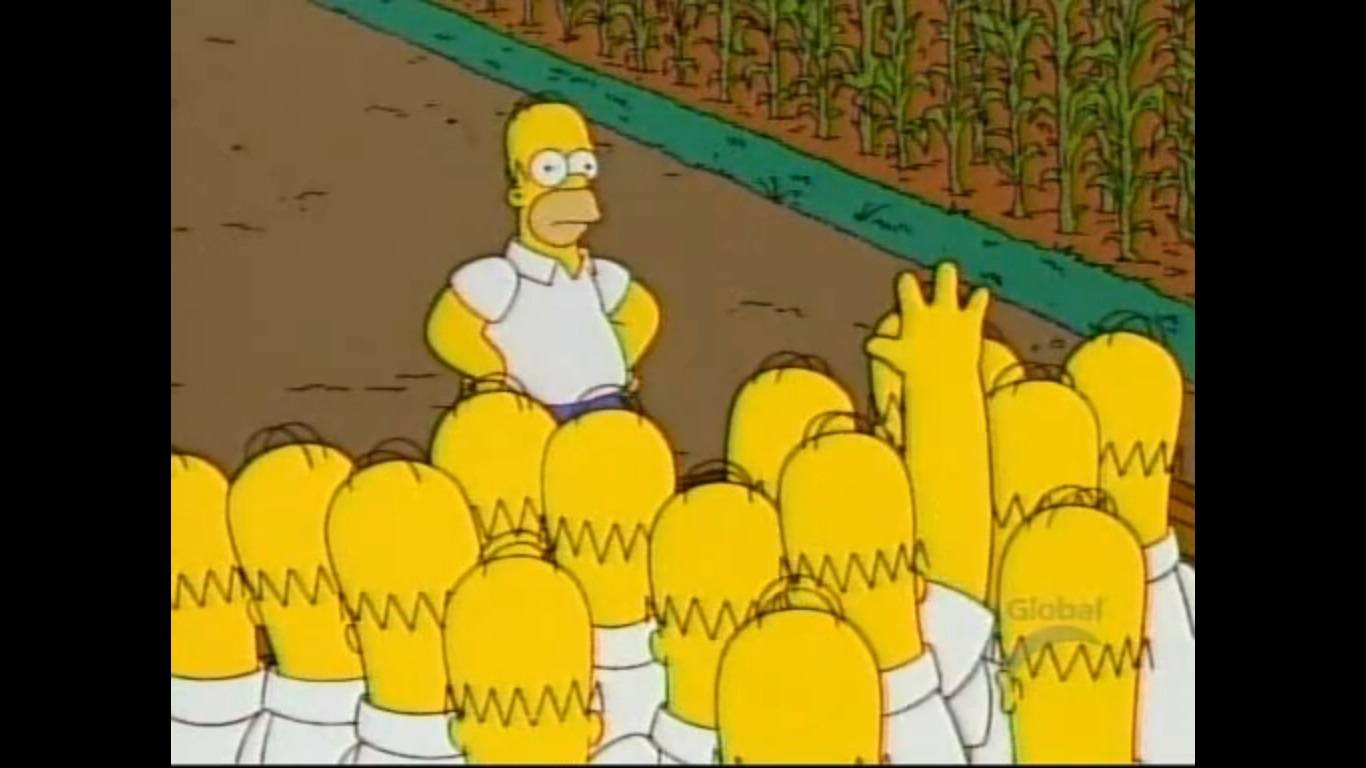
All of the offspring of an organism have the same genetic material, which is identical to the parent organism. From this, we can conclude that this organism -
a)
makes its own food
b)
is unicellular
c)
live in a marine habitat
d)
reproduces asexually
24.
What are different versions of the same gene called?
a)
Traits
b)
Alelles
c)
Chromosomes
d)
Sex cells
25.
What are some of the facts about asexual reproduction?
a)
Takes only one mate to reproduce and takes a longer time to reproduce
b)
Takes a shorter amount of time to reproduce and it takes two mates to reproduce
c)
Reproduces diverse offspring and takes a longer time to reproduce
d)
Takes only one mate to reproduce and takes a shorter time to reproduce
26.
What are some of the facts about sexual reproduction?
a)
Takes two mates to reproduce and takes a longer time to reproduce
b)
Takes one mate to reproduce and takes a shorter amount of time to reproduce
c)
Takes two mates to reproduce and takes a shorter amount of time to reproduce
d)
Takes one mate to reproduce and takes a shorter amount of time to reproduce
27.
Where does an off spring get its traits in asexual reproduction?
a)
From both parents
b)
From only one parent
c)
From neither parent
d)
There are no traits handed down
28.
When a starfish grows a new body off a broken arm, what kind of reproduction is this?
a)
Sexual
b)
Differentiation
c)
Asexual
d)
Specialization
29.
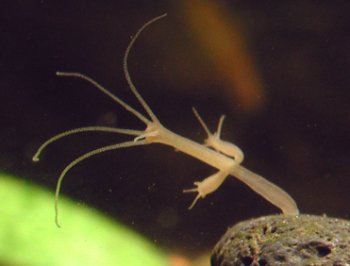
This is when a new organism grows by cell division on the body of its parent. The bud, or offspring is identical to the parent. The bud, when large enough, can break off of the parent and live on its own. Examples of this include yeast, hydra and potatoes.
a)
Regeneration
b)
Vegetative propagation
c)
Fission
d)
Budding
30.
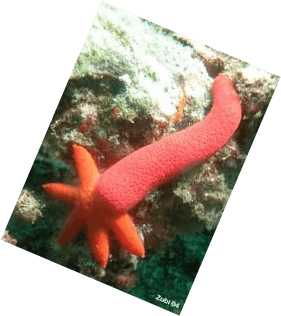
What type of asexual reproduction is taking place?
Fishermen work hard to catch and remove all the starfish that get into their favorite shell fishing beds and the “underwater farms” where they raise clams and oysters. In the past, they put the starfish into their boats, cut them up with knives, and then throw the pieces of starfish overboard. They thought this would kill the starfish. What they did not know was that each piece of starfish will grow into a whole new animal.
Fishermen work hard to catch and remove all the starfish that get into their favorite shell fishing beds and the “underwater farms” where they raise clams and oysters. In the past, they put the starfish into their boats, cut them up with knives, and then throw the pieces of starfish overboard. They thought this would kill the starfish. What they did not know was that each piece of starfish will grow into a whole new animal.
a)
Regeneration
b)
Vegetative propagation
c)
Budding
d)
Fission
31.
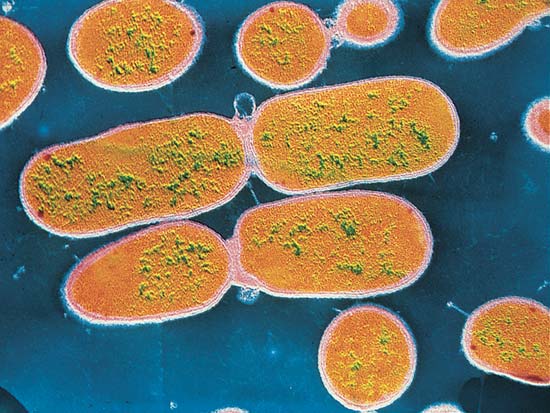
The offspring from asexually reproduced organisms are?
a)
Different than their parents
b)
Identical to parents
c)
Like a combination from both parents
d)
A different species
32.
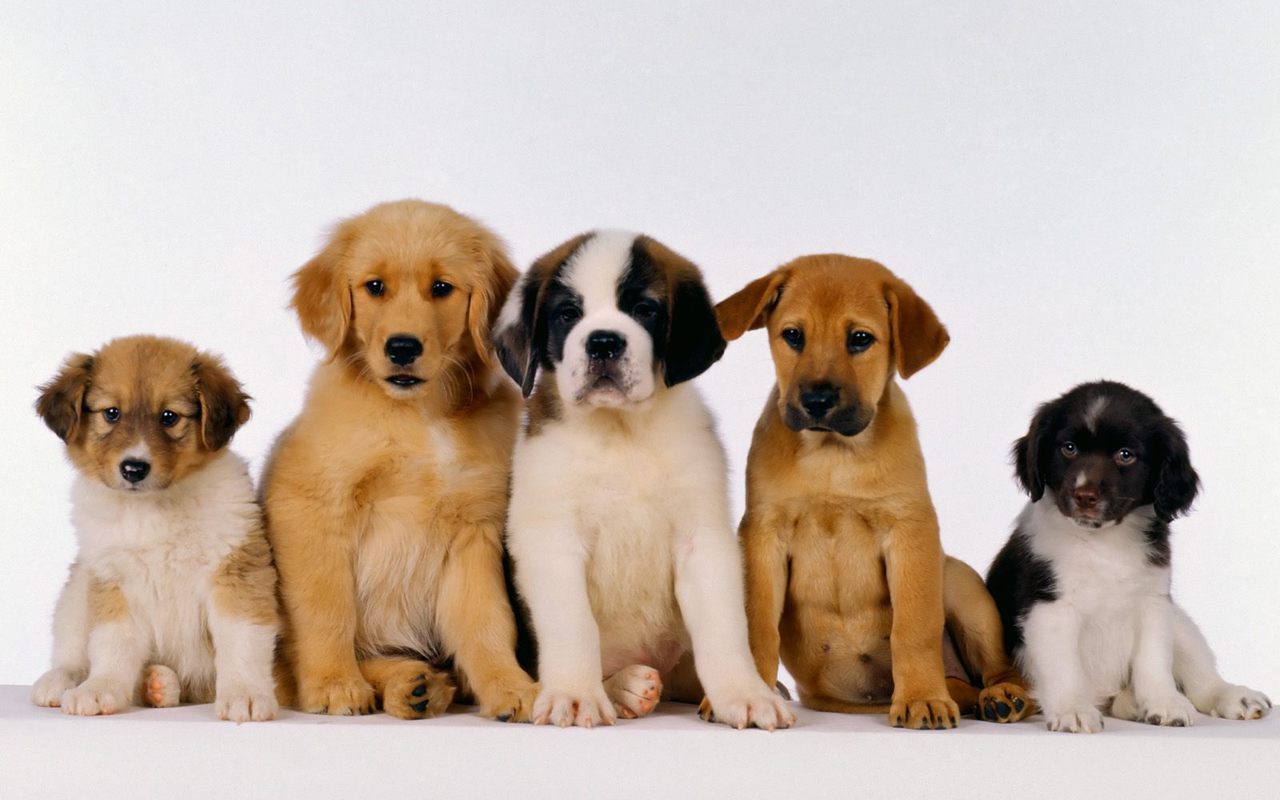
If two organisms reproduce sexually, then their offspring will exhibit a genetic makeup that is -
a)
identical to only one parent
b)
identical to all of its siblings
c)
a unique combination of traits
d)
the recessive traits of each parent
33.

The colors & patterns on a turtles shell help it blend in with the forest floor. This is:
a)
hibernation.
b)
behavior.
c)
migration.
d)
camouflage.
34.
Animals that have something they DO to live. This includes things like hibernation, migration etc.
a)
warning coloration
b)
camouflage
c)
behavioral adaptation
d)
mimicry
35.

Which of the following is an adaptation that helps a seal survive in the COLD?
a)
blubber
b)
body shape
c)
skin color
d)
sharp teeth
36.
An example of a STRUCTURAL adaptation is...
a)
a turtle hiding inside its shell
b)
The spikes on a porcupine fish
c)
a rabbit burrowing underground
d)
a viper biting when threatened
37.
_____ helps an animal get food, protect itself, move, or reproduce
a)
adaptation
b)
instincts
38.
What is the function of the skeletal system?
a)
rids the body of waste
b)
controls the body
c)
makes vitamin D
d)
structure and support
39.
What is the function of the skeletal system?
a)
rids the body of waste
b)
controls the body
c)
makes vitamin D
d)
makes blood
40.
What is the function of the nervous system?
a)
rids the body of waste
b)
controls the body
c)
makes vitamin D
d)
structure and support
41.
What is the function of the digestive system?
a)
maintains balance
b)
breakdown large molecules into smaller ones
c)
makes vitamin D
d)
structure and support
42.
What is the function of the circulatory system?
a)
maintains balance
b)
inhale oxygen and exhale carbon dioxide
c)
makes vitamin D
d)
breathe in carbon dioxide and breathe out oxygen
43.
What is not the function of the reproductive system?
a)
ensures the survival of a species
b)
controls the body
c)
produces sperm or releases egg
d)
produces hormones
44.
What is not the function of the integumentary system?
a)
rids body of waste
b)
structure and support
c)
produces vitamin D
d)
protection
45.
What is not the function of the Skeletal system?
a)
rids body of waste
b)
structure and support
c)
produces blood and stores minerals
d)
protection
46.

These muscles work automatically without us doing any work.
a)
Skeletal/ Voluntary
b)
Smooth/Involuntary
c)
Cardiac
d)
Rough
47.

Which type of Muscles are under are conscious control? This means we instruct them to perform
a)
Skeletal/Voluntary Muscle
b)
Smooth/Involentary
c)
Cardiac Muscle
d)
Rough Muscle
48.
What is the function of the reproductive system?
a)
To make clones
b)
To make a new organism
49.
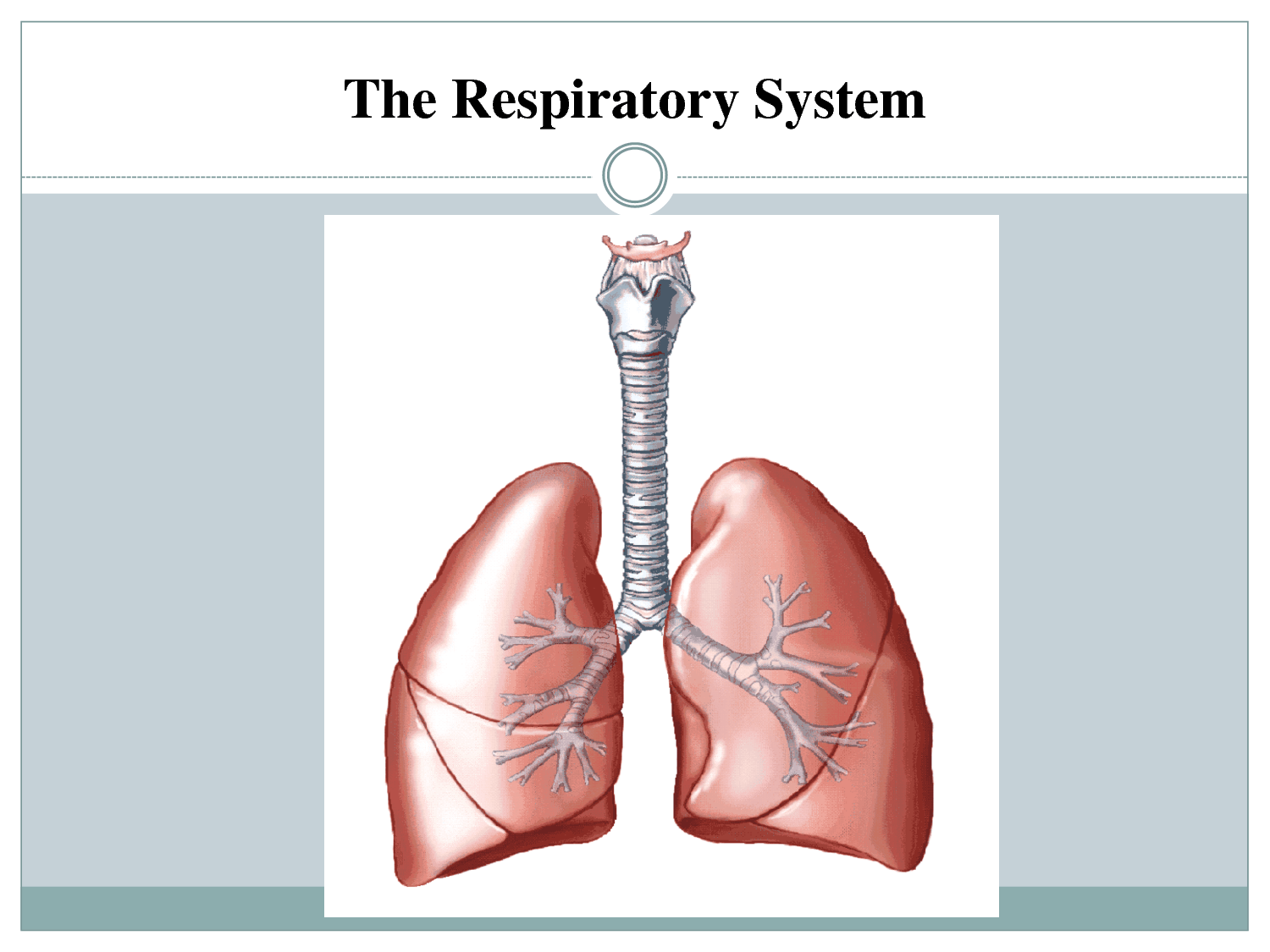
What is the main function of the respiratory system?
a)
to provide oxygen and remove carbon dioxide from the body
b)
to bring oxygen to the body
c)
to break down food and absorb nutrients
d)
to remove oxygen from the body and deliver carbon dioxide
50.
What systems work with the excretory system that remove waste?
a)
respiratory, endocrine, digestive, & integumentary
b)
respiratory, urinary, digestive, & integumentary
c)
respiratory, circulatory, digestive, & integumentary
d)
respiratory, endocrine, digestive, & circulatory
51.
Which excretory organ eliminates water and some chemical wastes in perspiration?
a)
lungs
b)
skin
c)
liver
d)
kidneys
52.
Which excretory organ eliminates feces?
a)
lungs
b)
large intestine
c)
small intestine
d)
stomach
53.
What function do the kidneys perform?
a)
eliminate carbon dioxide
b)
supply oxygen to body cells
c)
remove urea and excess water
d)
play a role in gas exchange
54.
What are the main parts of the cardiovascular system?
a)
heart and lungs
b)
blood, blood vessels, and heart
c)
blood, heart, and brain
d)
veins, arteries, lungs, and heart
55.
What function do the kidneys perform?
a)
eliminate carbon dioxide
b)
supply oxygen to body cells
c)
remove urea and excess water
d)
play a role in gas exchange
56.
What are the main parts of the cardiovascular system?
a)
heart and lungs
b)
blood, blood vessels, and heart
c)
blood, heart, and brain
d)
veins, arteries, lungs, and heart
57.
The circulatory system works with the ___________ system to provide our body with oxygen.
a)
respiratory
b)
digestive
c)
muscular
d)
skeletal
58.
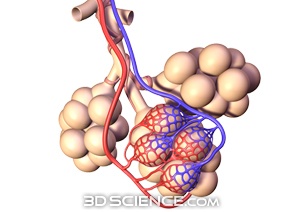
When you breathe, your lungs take in ___ and remove ___.
a)
air/oxygen
b)
oxygen/carbon dioxide
c)
carbon dioxide/waste
d)
waste/air
59.
What is the function of the heart?
a)
To pump blood around the body
b)
To remove oxygen from the blood
c)
To allow blood to flow through it
d)
To breath
60.
What do the arteries do?
a)
pumps blood to the heart
b)
pumps blood to and from the heart
c)
carry's blood away from the heart
d)
a muscle
61.
__________ Very small tubes that connect arteries to veins; the smallest blood vessels.
a)
Veins
b)
Capillaries
c)
Arteries
62.
What is a major organ used in the circulatory system?
a)
Lungs
b)
Kidneys
c)
Liver
d)
Heart
63.
What does the circulatory system use to carry nutrients and oxygen?
a)
Blood
b)
Water
c)
Pepsi
d)
Blood Vessels
64.

What is the function of the nervous system.
a)
provide nutrients for the body.
b)
send and recieve messages
c)
circulate oxygen to sells
d)
remove carbon dioxide from blood
65.
What is the circulatory system made up of?
a)
Food, water
b)
Hands, Feet
c)
Heart, Blood Vessels, Veins, Blood
d)
Sunlight, Plants
66.
IN which system are the organs called glands?
a)
integumentary
b)
muscular
c)
endocrine
67.
Which system sends messages to and from the brain?
a)
integumentary
b)
nervous
c)
skeletal
68.
Which of the following gland does NOT belong to the endocrine system?
a)
pituitary
b)
testes
c)
salivary
d)
thyroid
69.

Name the system
a)
muscular
b)
endocrine
c)
integumentary
d)
nervous
70.

Using the picture, what is the structure of A?
a)
ureter
b)
kidney
c)
urinary bladder
d)
urethra
71.

What is #3?
a)
Kidney
b)
Ureters
c)
Bladder
d)
Urethra
72.

These organs are responsible for what?
a)
storing urine
b)
storing water
c)
filtering blood
d)
they don't have a particular job
73.

This is a example of........
a)
organ system
b)
cells
c)
organ
d)
tissue
74.

This is a example of ........
a)
cell
b)
organ system
c)
organ
d)
tissue
75.
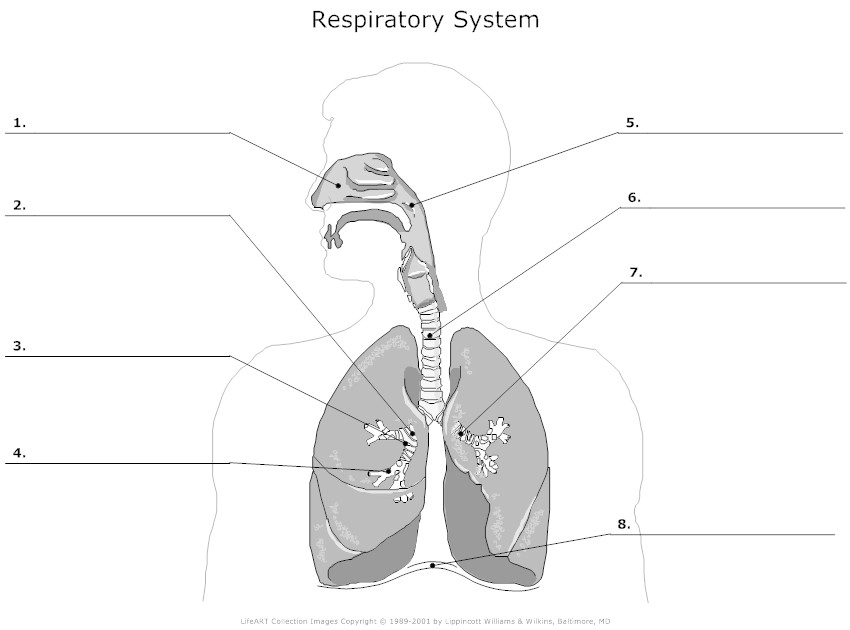
Name the organ label # 6.
a)
alveoli
b)
bronchi
c)
trachea
d)
lungs
76.

Identify this structure.
a)
cell wall
b)
cell membrane
c)
sap vacuole
d)
cytoplasm
77.
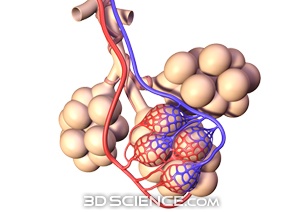
The air sacs that are covered with capillaries where gas exchange takes place
a)
bronchi
b)
lungs
c)
oxygen
d)
alveoli
78.

The red organ is
a)
stomach
b)
small intestine
c)
large intestine
d)
liver
79.

This is an image of the
a)
stomach
b)
small intestine
c)
esophagus
d)
large intestine
80.

Number Seven on the illustration shows the . . .
a)
Large intestine
b)
Anus
c)
Small Intestine
d)
Anus
81.

This is a picture of what? (choose the answer that is most complete)
a)
robot
b)
skeleton
c)
ulna
d)
vertebrate
82.
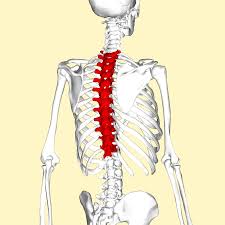
The bones in your back are made up of what?
a)
fingers
b)
phalanges
c)
vertebrate
d)
toes
83.

4
a)
Gallbladder
b)
Liver
c)
Stomach
d)
Pancreas
84.
6
a)
Stomach
b)
Small Intestine
c)
Large intestine
d)
Rectum
85.
9
a)
Stomach
b)
Small Intestine
c)
Large Intestine
d)
Rectum
86.

Number 7 is pointing to...
a)
Mouth
b)
Esophagus
c)
Small intestine
d)
rectum
87.

Number 8 is pointing to the...
a)
small intestine
b)
stomach
c)
anus
d)
rectum
88.
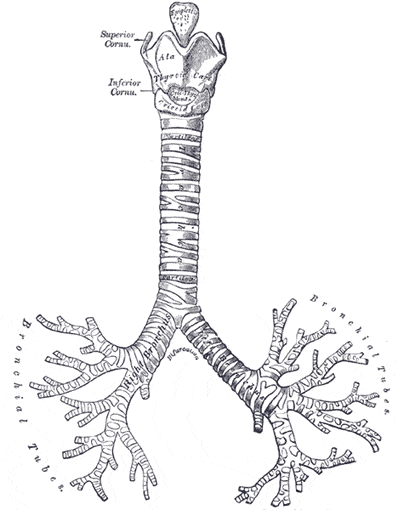
The two main branches from the trachea (one to each lung)
a)
bronchi
b)
alveoli
c)
capillaries
d)
bronchioles
89.
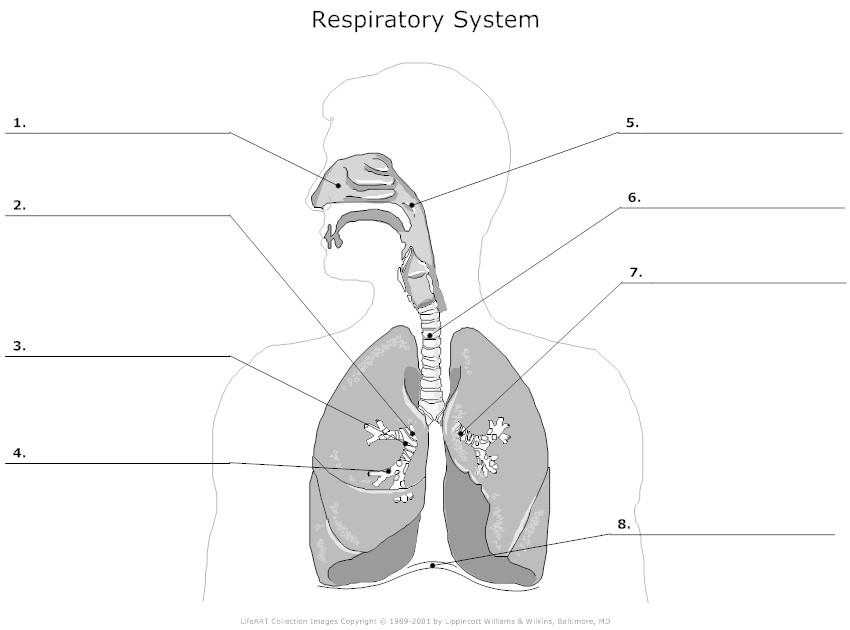
Name the structure labeled 8
a)
lungs
b)
trachea
c)
diaphragm
d)
alveoli
90.

What is the main organ of the circulatory system?
a)
heart
b)
brain
c)
lungs
d)
fingers
91.

Identify organ C.
a)
liver
b)
stomach
c)
small intestine
d)
large intestine
92.

This is a picture of a ...
a)
stomach
b)
neuron
c)
piece of hair
d)
small intestines
93.

main organ of the nervous system. protected by the skull, and made of neurons, it is the control center for all actions, thoughts and emotions.
a)
brain
b)
electrical impulse
c)
gland
d)
heart
94.

Bile is made by which digestive organ?
a)
Gallbladder
b)
Stomach
c)
Rectum
d)
Liver
95.

Which digestive organ makes digestive juices to help the small intestine absorb nutrients?
a)
Liver
b)
Gallbladder
c)
Pancreas
d)
Esophagus
96.

Nutrients from digested food are absorbed in which digestive organ?
a)
Small Intestine
b)
Stomach
c)
Large Intestine
d)
Gallbladder
97.

Number 2 is pointing to the...
a)
Esophagus
b)
Stomach
c)
Small intestine
d)
Anus
98.

Which organ pushes food down to the stomach?
a)
Mouth
b)
Esophagus
c)
Rectum
d)
Large intestine
99.

Name the System
a)
Digestive
b)
Circulatory
c)
Endocrine
d)
Respiratory
100.

Name the System
a)
Digestive
b)
Circulatory
c)
Endocrine
d)
Respiratory
101.

Name the System
a)
Digestive
b)
Circulatory
c)
Endocrine
d)
Respiratory
102.

Name the System
a)
Digestive
b)
Skeletal
c)
Muscular
d)
Respiratory
103.

Name the System
a)
Digestive
b)
Skeletal
c)
Muscular
d)
Respiratory
104.
Organs that work together to perform a related function is called _____________?
a)
cells
b)
tissues
c)
organ system
d)
organs
105.
Cells with a nucleus and membrane-bound organelles are called ____________________.
a)
prokaryotes
b)
eukaryotes
c)
bacteria
d)
protists
106.
This thin layer protects the cell and regulates what substances enter and leave the cell.
a)
cell membrane
b)
cell
c)
cell wall
d)
golgi body
107.
A group of cells that have similar functions? Examples are nervous, epithelial, muscle and connective
a)
cells
b)
tissues
c)
organs
d)
atoms
108.
A group of tissues that work together to perform a similar function is called_____. (Examples include the heart, lungs or stomach)
a)
cells
b)
tissues
c)
organs
d)
organ system
109.
What organelle is called the "powerhouse" of a cell?
a)
Endoplasmic Reticulum
b)
Nucleus
c)
Mitochondria
d)
Nucleolus
110.
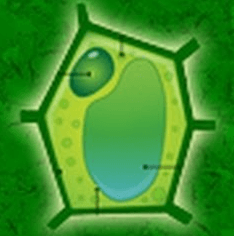
A rigid layer that lies outside the cell's membrane is...
a)
Cytoskeleton
b)
Cilia
c)
Cell Wall
d)
Flagella
111.
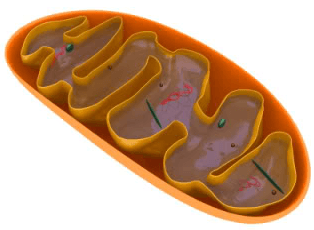
What are tiny organelles that convert glucose into ATP?
a)
Ribosomes
b)
Vesicles
c)
Cytoskeleton
d)
Mitochondria
112.

I am the outer most layer of an animal cell. What am I?
a)
cell wall
b)
nucleus
c)
cell membrane
d)
cell skin
113.
What is found in both plant and animal cells but is much larger in plant cells?
a)
Nucleus
b)
Mitochondria
c)
Chloroplast
d)
Vacuole
114.

Directs all cell activities through the DNA located there.
a)
Lysosomes
b)
Nucleus
c)
ribosomes
d)
Mitochondria
115.
Which organelle is only found in a plant cell?
a)
nucleus
b)
chloroplast
c)
mitochondria
d)
cell membrane
116.
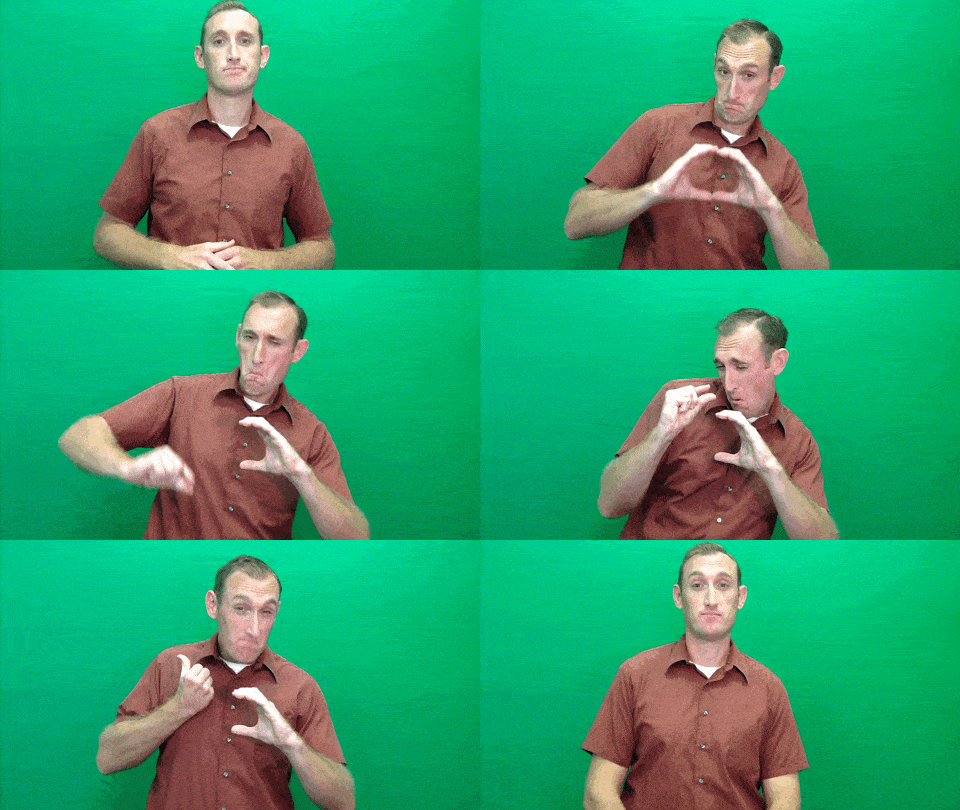
The ___________ is the basic unit of life
a)
organ
b)
cell
c)
atom
d)
tissue
117.
When many organ systems work together it can form...
a)
organ
b)
cells
c)
organ system
d)
organism
118.
Which excretory organ eliminates feces?
a)
lungs
b)
large intestine
c)
small intestine
d)
stomach
119.
Which excretory organ eliminates water and some chemical wastes in perspiration?
a)
lungs
b)
skin
c)
liver
d)
kidneys
120.
These organs are responsible for what?
a)
storing urine
b)
storing water
c)
filtering blood
d)
they don't have a particular job
121.
What type of blood cells help fight diseases?
a)
White blood cells
b)
Blue blood cells
c)
green blood cells
d)
red blood cells
122.
What is the main function of the circulatory system?
a)
To help you breath
b)
To circulate blood throughout the body
c)
To help you walk
d)
To help digest food
123.
What is a major organ used in the circulatory system?
a)
Lungs
b)
Kidneys
c)
Liver
d)
Heart
124.
_________ Carry blood away from the heart to various organs
a)
Arteries
b)
Capillaries
c)
Veins
125.
What is a pacemaker?
a)
Electronic device used to help the heart beat regularly
b)
To help kidneys filtrate blood
c)
To measure your blood pressure
126.
What are the main parts of the cardiovascular system?
a)
heart and lungs
b)
blood, blood vessels, and heart
c)
blood, heart, and brain
d)
veins, arteries, lungs, and heart
127.
What do red blood cells do?
a)
Carry oxygen
b)
Fight infection and disease
c)
Produce carbon dioxide
128.
The process of removal of the body’s wastes is called
a)
gas exchange.
b)
respiration.
c)
excretion.
d)
filtration.
129.
What function do the kidneys perform?
a)
eliminate carbon dioxide
b)
supply oxygen to body cells
c)
remove urea and excess water
d)
play a role in gas exchange
130.
Which excretory organ eliminates water and some chemical wastes in perspiration?
a)
lungs
b)
skin
c)
liver
d)
kidneys
131.
Which organ of the excretory system stores urine until the body is ready to eliminate it?
a)
ureters
b)
urethra
c)
urinary bladder
d)
urea
132.
Which of the following is the fluid released by the kidneys once the wastes are removed from the water and blood in the body?
a)
bile
b)
urea
c)
sweat
d)
urine
133.
What is the function of the urethra?
a)
It filters urea out of the bloodstream
b)
It delivers urine from the bladder to the outside world
c)
It transfers urine from the kidneys to the bladder
d)
It prevents urine from leaking out of the bladder
134.
Which organ system removes cellular wastes as the result of cellular respiration?
a)
nervous
b)
digestive
c)
excretory
d)
circulatory
135.
What are the main parts of the cardiovascular system?
a)
heart and lungs
b)
blood, blood vessels, and heart
c)
blood, heart, and brain
d)
veins, arteries, lungs, and heart
136.
What do red blood cells do?
a)
Carry oxygen
b)
Fight infection and disease
c)
Produce carbon dioxide
137.
What type of muscle do you find in the heart?
a)
smooth muscle
b)
Skeletal muscle
c)
cardiac muscle
138.
Where does an internal stimulus occur?
a)
within an organism
b)
from outside the organism
c)
in the blood
d)
in the air
139.
Which of the following is a stimulus?
a)
a red light
b)
a fire alarm
c)
a change in air pressure
d)
all of the above
140.
In order to maintain balance within their environment, organisms must:
a)
constantly respond to internal and external stimuli
b)
eat every day
c)
avoid competition with other organisms
d)
move around as little as possible
141.
When on a beach vacation, Consuela relaxed and laid out in the sun for hours. As a result, she received a sunburn that covered most of her skin. Would this response come from an internal or external stimulus?
a)
Internal- her skin was burned at a cellular level
b)
Internal- her skin is a part of her body
c)
External- the stimulus was caused by the beach which is outside
d)
External- the stimulus was caused by the sun which is outside
142.
Over the winter break last year, there was an extreme blizzard in Lubbock, Texas. This blizzard was caused by a major drop in temperature, causing precipitation to freeze into snow. If a Texan were to step outside during this blizzard, their skin would start to form goose bumps and they would begin to shiver. In this situation, what is the stimulus and the response?
a)
Stimulus: precipitation is in the air; response: precipitation freezes
b)
Stimulus: Texan steps outside in the cold; response: blizzard occurs
c)
Stimulus: cold drop in temperature; response: shivering and goose bumps
d)
Stimulus: winter break started; response: precipitation starts
143.
The body's hormones, and the glands that produce them, make up the endocrine system?
a)
True
b)
false
144.
Chemical product of an Endocrine Gland.
a)
Homeostasis
b)
Hormone
c)
mitosis
d)
meiosis
145.
Which gland secretes insulin?
a)
Pancreas
b)
Ovaries
c)
Parathyroid
d)
Thymus
146.
What hormone is responsible for the "fight or flight" response?
a)
Testosterone
b)
Cortisol
c)
Adrenaline
d)
Parathyroid Hormone
147.
Which of the following is a part of the nervous system?
a)
lungs
b)
the heart
c)
the spinal cord
d)
skin
148.

Select all of the correct answers. Identify the second-order consumers in the food web.
a)
Crab, Salmon, Small Fish
b)
Crab, Shrimp, Small fish
c)
Heron, Small fish, Worm
d)
Salmon, Crab, Heron
149.
Which level of consumer would the mountain lion NOT BE?
a)
Primary COnsumer
b)
Secondary Consumer
c)
Tertiary Consumer
d)
Quaternary Consumer
150.
This organelle takes food and turns it into ENERGY for plant and animal cells.
a)
Chloroplast
b)
Mitochondria
c)
Lysosome
d)
Ribosome
151.
When many organ systems work together it can form...
a)
organ
b)
cells
c)
organ system
d)
organism
152.
Directs all cell activities through the DNA located there.
a)
Lysosomes
b)
Nucleus
c)
ribosomes
d)
Mitochondria
153.
Which organelle is only found in a plant cell?
a)
nucleus
b)
chloroplast
c)
mitochondria
d)
cell membrane
154.
The lungs and the kidneys are examples of
a)
cells
b)
organs
c)
tissues
d)
organ systmes
155.
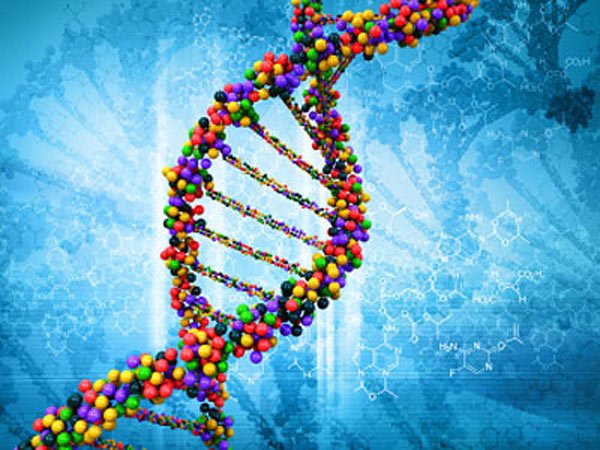
What is the name of the genetic material that is inside the nucleus?
a)
ER
b)
ATP
c)
YOLO
d)
DNA
156.

Which part of the cell is often called "the brain of the cell"?
a)
nuclear membrane
b)
endoplasmic reticulum
c)
nucleus
d)
mitochondria
157.
What is found in both plant and animal cells but is much larger in plant cells?
a)
Nucleus
b)
Mitochondria
c)
Chloroplast
d)
Vacuole
158.
I am the outer most layer of an animal cell. What am I?
a)
cell wall
b)
nucleus
c)
cell membrane
d)
cell skin
159.
What are tiny organelles that convert glucose into ATP?
a)
Ribosomes
b)
Vesicles
c)
Cytoskeleton
d)
Mitochondria
160.

Robert Hooke, Anton van Leeuwenhoek, Theodor Schwann, Rudolf Virchow, and Matthias Schliden were all responsible for what theory?
a)
The Theory of Gravity
b)
The Theory of Relativity
c)
The Cell Theory
d)
The Theory of Continental Drift
161.
All plants are made of cells. This was discovered by....
a)
Matthias Schleiden
b)
Rudolf Virchow
c)
Robert Hooke
d)
Aristotle
162.
The Cell Theory states...
a)
atoms create all matter
b)
living things evolve
c)
the cell is the backbone of all matter
d)
cells are the basic unit of structure and organization of organisms
163.
Who looked at cork and named the cell?
a)
Robert Hooke
b)
Van Leeuwenhoek
c)
Robert Brown
d)
Francesco Redi
164.
Which statement is a part of the cell theory?
a)
all cells come from preexisting cells
b)
bacteria are prokaryotic cells
c)
eukaryotic cells are complex
d)
humans are multicellular
165.
The ___ is the basic unit of sturucture and function of organisms
a)
atom
b)
cell
c)
matter
d)
all other answers are correct
166.
Which of the following is NOT a cell theory.
a)
All non-living things are made of cells
b)
All cells come from pre-existing cells
c)
Cells are the basic unit of structure and function of all living things
167.

Who was the "scientist" who observed pond water and teeth scrapings in his microscope?
a)
Hooke
b)
Leeuwenhoek
c)
Schleidian
d)
Virchow
168.

Cells are often called "the ____ of life."
a)
bread
b)
road map
c)
building blocks
d)
meaning
169.

For generations, people believed in "spontaneous generation." Spontaneous generation is the idea that . . . .
a)
..... all living things are made of cells
b)
... all cells come from other cells.
c)
living things could "generate" from non-living matter.
d)
cells are the basic unit of structure and function
170.
Which is NOT consistent with Cell Theory?
a)
All cells come from pre-existing cells
b)
All living things are made of cells
c)
All cells are identical in structure and function
d)
Cells are the basic units of structure and function
171.
The Cell Theory states...
a)
atoms create all matter
b)
living things evolve
c)
the cell is the backbone of all matter
d)
cells are the basic unit of structure and organization of organisms
172.
Which statement is a part of the cell theory?
a)
all cells come from preexisting cells
b)
bacteria are prokaryotic cells
c)
eukaryotic cells are complex
d)
humans are multicellular
173.
What are the conditions in space?
a)
extreme temperatures, no atmosphere, microgravity, Ultraviolet radiation
b)
extreme temperatures, no atmosphere, microgravity, no radiation
c)
extreme temperatures, no atmosphere, macrogravity, Ultraviolet radiation
d)
extreme temperatures, no atmosphere, macrogravity, Radiation
174.
What are some accommodations to help Astronauts in micro-gravity?
a)
Work out and Take supplements for proper nutrition
b)
Lift weights and pump iron
c)
They don't need to do anything microgravity makes you stronger
d)
Plenty of sleep
175.
What does the space suit provide protection against?
a)
Extreme temperatures
b)
Muscle loss
c)
Bone loss
d)
Excessive oxygen
176.
Which of the following is NOT affected by microgravity in space?
a)
Bone loss
b)
Muscle loss
c)
Oxygen loss
d)
Kidney stones
177.

Astronauts use special soap that _____.
a)
does not require a washcloth
b)
does not require water to rinse
c)
has strong chemicals
d)
does not have an odor
178.

How would astronauts traveling to Mars have enough water for such a long trip?
a)
They would get it from the sink.
b)
They would store enough on board for the entire trip
c)
They would need to ration and recycle their water.
d)
They would not need much water.
179.

Which is not a reason we need special suits for space exploration?
a)
regulate temperature
b)
provide oxygen (O2)
c)
protect from radiation
d)
keep the astronaut cool
180.

Which helps protect the earth from radiation?
a)
Water
b)
Atmosphere
c)
Mantle
d)
Gravity
181.

An astronaut should not remove his or her helmet while working outside the space station because the helmet provides -
a)
nitrogen
b)
oxygen
c)
water
d)
food
182.

What is the habitable zone?
a)
A zone with the correct distance away from a star
b)
A zone in space where water turns into vapor
c)
A zone where life can not be sustained
d)
A zone in space where water is frozen
183.

The force that keeps planets on their orbit...
a)
orbit
b)
stars
c)
planets
d)
gravity
184.

Atmosphere is :
a)
only consisting of argon and oxygen
b)
gases on the floor of the Earth
c)
all the gases around a planet
d)
all the gases near the solar beams
185.

Why don’t astronauts’ muscles and bones stay strong while in space?
a)
They do not have enough food to eat.
b)
There is no weight to put pressure on their muscles and bones.
c)
They are not able to exercise in space.
d)
They do not have muscles in space.
186.

Why are rockets needed to get to space?
a)
They carry the astronauts in the nozzle.
b)
They have the ability to overcome Earth’s gravity.
c)
They use less fuel than other space craft.
d)
They are the safest mode of travel.
187.

The only planet that can support life is _____________________________.
a)
Mercury
b)
Neptune
c)
Pluto
d)
Earth
188.

If these boys are pulling with the same amount of force. What will happen?
a)
The boy in blue will win.
b)
They will not move at all.
c)
The boy in red will win.
d)
Both will fall down.
189.
When you kick a football, you are applying ________ to the ball.
a)
mass
b)
gravity
c)
force
d)
unbalance
190.
a push or pull is
a)
mass
b)
force
c)
inertia
d)
gravity
191.
What is the formula for work?
a)
Force = work x distance
b)
Distance = force x work
c)
Work = force x distance
d)
Work = force x mass
192.
Fred kicks a ball with a force of 20N to George, who is 5M away. How much work was done to the ball?
a)
25J
b)
100J
c)
4J
d)
75J
193.
45J of work were done on the object that moved 5M. How much force was applied to the object?
a)
8N
b)
225N
c)
9N
d)
0N
194.
What is force?
a)
A push
b)
A pull
c)
A push or a pull
d)
a measure of energy
195.
What is work?
a)
Force x Distance
b)
Force / Distance
c)
Distance / Force
d)
Force + Distance
196.
What are the units for work?
a)
pounds (lb)
b)
centimeters (cm)
c)
grams (g)
d)
Joules (J)
197.
What are the units for distance?
a)
Feet
b)
Miles
c)
Meters
d)
Kilometers
198.
What is force?
a)
A push
b)
A pull
c)
A push or a pull
d)
a measure of energy
199.
What is work?
a)
Force x Distance
b)
Force / Distance
c)
Distance / Force
d)
Force + Distance
100 %