
 Worksheets
Changing Earth
Total questions: 30
Worksheet time: 19mins
Name
Class
Date
1.
Does water cause erosion?
a)
Yes, it carves and moves the land with rivers and rainfall.
b)
No, water does not make any changes to rocks or the land.
2.

What type of rock is pictured?
a)
Igneous
b)
Metamorphic
c)
Sedimentary
3.

What are the three types of rocks?
a)
lava, metamorphic, and sedimentary
b)
igneous, sedimentary, and mineral
c)
metamorphic, lava, and igneous
d)
igneous, sedimentary, and metamorphic
4.

This rock was found near the mouth of a volcano. What type of rock is this?
a)
Sedimentary
b)
Igneous
c)
Metamorphic
5.
True or False: Minerals make up rocks.
a)
True
b)
False
6.
Rocks that have been changed into a different kind of rock from heat, time and pressure are called:
a)
Metamorphic
b)
Igneous
c)
Sedimentary
d)
Rocky
7.
All rocks contain at least one mineral.
a)
True
b)
False
8.
Rocks that might have seashells or fossils in it are what type of rock?
a)
sedimentary
b)
mineral
c)
igneous
d)
metamorphic
9.
According to MOH's hardness scale, what is the hardest mineral?
a)
gypsum
b)
diamond
c)
talc
d)
topaz
10.
What do you call a resource that can be renewed within a person's lifetime?
a)
Property
b)
Nonrenewable Resource
c)
Renewable Resource
d)
Density
11.
A natural resource that once used, cannot be replaced for millions of years is called a _________________________.
a)
Rock Cycle
b)
Property
c)
Renewable Resource
d)
Nonrenewable Resource
12.

What happens when weathering and erosion work together?
a)
New mountains are formed
b)
The climate changes over time
c)
Metal pieces become rusty
d)
They change the Earth's surface
13.

How do plants weather rocks?
a)
By making the rock wet and smooth
b)
when roots grow into cracks of rocks and expand the rock
c)
when the plant moves water from the roots to the leaves
d)
Plants don't weather rocks
14.
How does wind cause erosion?
a)
The wind blows waves in water.
b)
The wind blows sand and soil from one place to another.
c)
The wind doesn't cause erosion.
15.
How does a volcano change the surface of the earth?
a)
It causes extreme flooding and waves
b)
It forms new crust and igneous rock
c)
It pushes mud down a mountain
d)
It causes plates to collide and shake
16.

The huge pieces of the earth's crust are called ____________________________.
a)
crust
b)
plates
c)
puzzles
d)
seismos
17.
What is the shaking of the Earth’s crust called?
a)
Earthquake
b)
Landslide
c)
Flood
d)
Plate
18.

The outside layer of the earth is called ______________________.
a)
core
b)
crust
c)
mantle
d)
outer core
19.
Do earthquakes, volcanoes, and landslides cause sudden changes to Earth's surface?
a)
Yes
b)
No
20.
Which is NOT a needed part in making fossil fuels?
a)
decaying plants and animals
b)
millions of years
c)
erosion
d)
pressure
21.
Coal, natural gas, and oil are all examples of what?
a)
renewable resources
b)
fossil fuels
c)
rocks
d)
recycled materials
22.
What can humans do to help stop pollution, save trees, and save space in landfills?
a)
Recycling and Reusing
b)
Dig up more fossil fuels
23.
How are sedimentary rocks formed?
a)
Sediments are pressed together in layers.
b)
Magma cools and hardens.
c)
They are changed by heat and pressure.
d)
They are formed by wind erosion.
24.
Igneous rocks are formed with heat and pressure.
a)
True
b)
False
25.
A natural resource is __________________.
a)
Something humans make and then use.
b)
Any material found on earth and used by humans.
26.
Which of these materials would decompose the slowest?
a)
Plastic plate
b)
An apple
c)
Paper folder
d)
Acorns
27.
The mantle layer of the earth is solid rock.
a)
Yes, it is made of rock.
b)
No, it is liquid magma.
28.
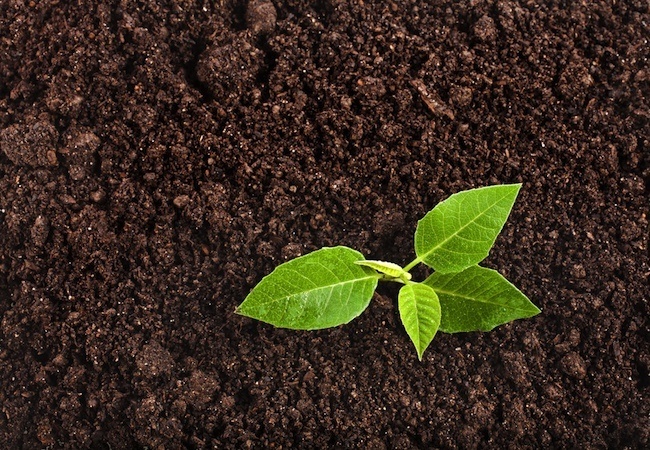
Which of the following is NOT one of the three types of soil?
a)
clay
b)
sand
c)
silt
d)
mud
29.

Wind blowing dirt and sand through the air is an example of...
a)
weathering.
b)
erosion.
30.
________________ describes how light reflects off a mineral.
a)
Luster
b)
Hardness
c)
Streak
d)
Color
100 %

