
 Worksheets
Stars and beyond
Total questions: 20
Worksheet time: 19mins
Light travels
93,000,000 miles a year
6 x 10 12 miles a year
186,000 miles an hour

the hotter the star, the more __________ it is; the cooler the star, the more _______it is.
red, blue
red, white
blue, red
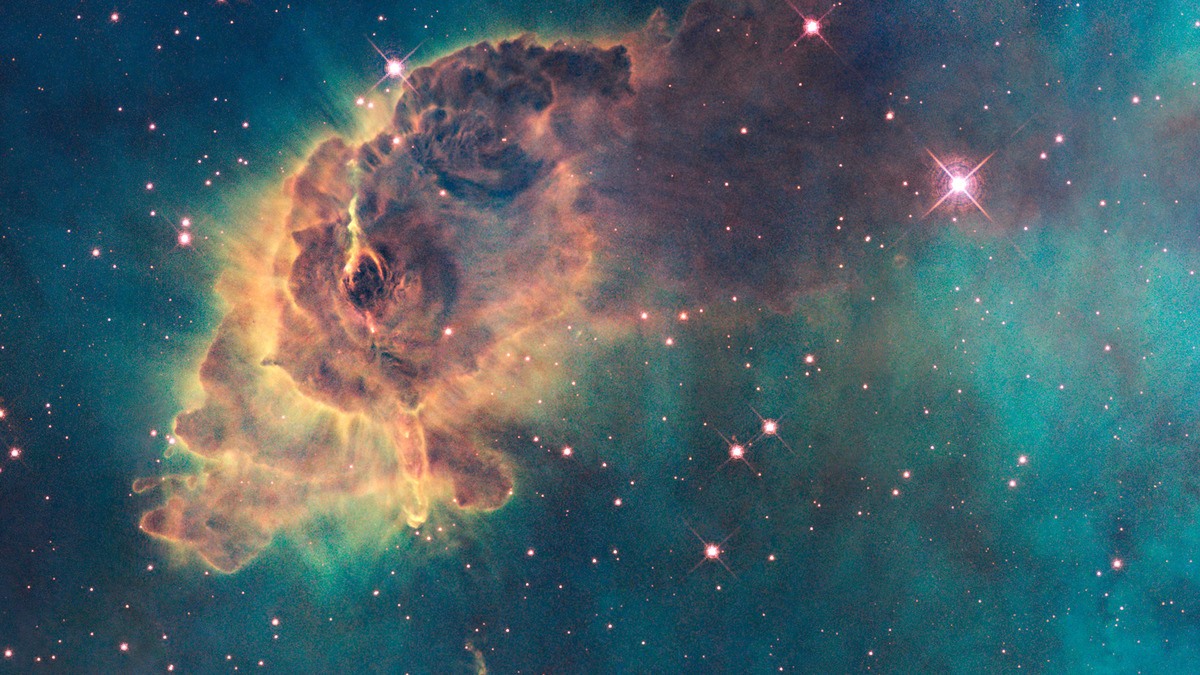
What is the name of the gas/dust clouds that form stars?
Nebulas
Protostars
Supernova
Neutron Star
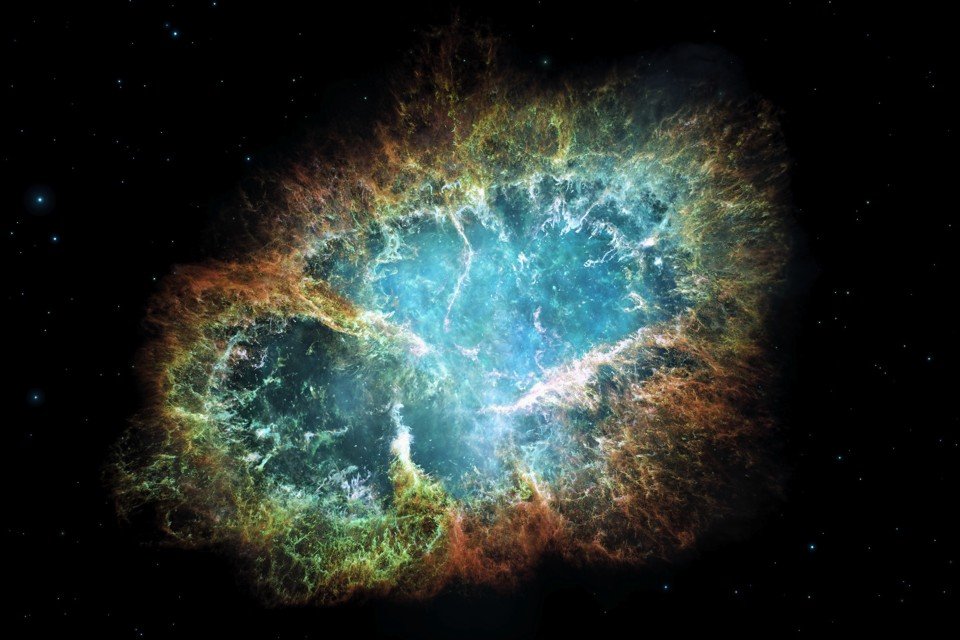
What is the name of the explosion at the death of a massive star?
Supergiant
Supernova
Black Hole
Nebula

Which star is the coldest?
Yellow Star
Red Star
Orange Star
Blue Star
A very bright star can seem to be dimmer because it is
further away
cooler in temperature
very close
batteries are dying

The more mass a star has _____________
the more slowly it burns out
the faster it burns out
less chances of turning into a black hole
less chances of turning into a neutron star
What is the shape of the Milky Way (our galaxy)?
barred spiral
spiral
elliptical
irregular
At 10,000 degrees Celsius, hydrogen begins to change into helium and energy is released in a process called
supernova
pulsar
nuclear fusion
nuclear fission
The sun is classified as a __________ sized star.
Supergiant
Giant
Dwarf
Average/Medium
What two gases are stars composed (made) of?
Nitrogen and Carbon Dioxide
Hydrogen and Nitrogen
Hydrogen and Helium
Helium and Oxygen
______________ force given off by the sun is responsible for keeping planets in orbit.
Magnetic
Electrical
Nuclear
Gravitational

What is a pattern of stars in the sky called?
Galaxy
Constellation
Gas giants
Clumping

We live in a spiral galaxy known as the
Cosmos
Sombrero
Anendo
Milky Way
The outer planets all have (choose all the answers that are true)
rings
solid surfaces
Helium and Hydrogen
longer orbits around the sun than inner planets

