wayground logo

Free Printable Worksheets

Font size

S
M
L
XL
Worksheets

9 weeks characteristics of universe, em spectrum, plate tectonic

Total questions: 70

Worksheet time: 1hrs 8mins

Name
Class
Date
1.
A large cloud of gas and dust in interstellar space; the predecessor to stars...
a)
Constellation
b)
Black hole
c)
Nebula
d)
Galaxy
2.
Which star is the coldest?
a)
Yellow Star
b)
Red Star
c)
Orange Star
d)
Blue Star
3.
Which category is our Sun located in?
a)
White Dwarfs
b)
Supergiants
c)
Main Sequence
d)
Giants
4.
What type of galaxy is this?
a)
Spiral
b)
Elliptical
c)
Irregular
d)
Irrational
5.
All stars begin their life in a
a)
Main Sequence
b)
Nebula
c)
Vacuum
d)
Black Dwarf
6.
The life cycles of stars are determined by their:
a)
mass (size)
b)
color
c)
distance from Earth
d)
luminosity
7.
A gigantic explosion that causes the death of a large star is called
a)
pulsar
b)
red giant 
c)
supernova
d)
black hole
8.
Which of the following list the correct order of the life cycle of massive stars?
a)
Nebula --> protostar --> main sequence --> red supergiant --> supernova --> blackhole
b)
Nebula --> protostar --> main sequence --> red giant --> planetary nebula --> white dwarf --> black dwarf
c)
Nebula --> protostar --> main sequence --> supernova --> red giant --> blackhole
d)
Nebula --> protostar --> blackhole --> red supergiant --> supernova --> main sequence
9.
What type of galaxy is this?
a)
Spiral
b)
Elliptical
c)
Irregular 
d)
Irrational
10.
Which star is considered a Main Sequence Star?
a)
A
b)
B
c)
C
d)
D
11.
Which star has the lowest temperature?
a)
A
b)
B
c)
C
d)
D
12.
Which star has the lowest luminosity?
a)
A
b)
B
c)
C
d)
D
13.
In the diagram given, what happens as we move to the left?
a)
Stars Get Larger
b)
Stars get Colder
c)
Stars get hotter
14.
Compared to the rest of the stars, our sun is considered...
a)
Extremely Large and Cold
b)
Small with a medium temperature
c)
Medium size with medium temperature
15.
This has more mass than a planet but less mass than nebula.
a)
Moon 
b)
Solar System 
c)
Universe 
d)
Galaxy 
16.
This has more mass than a moon but less mass than star.
a)
Galaxy
b)
Universe 
c)
Planet
d)
Nebula
17.
This has less mass than the Universe but more mass than nebula.
a)
Galaxy 
b)
Moon 
c)
Planet 
d)
Star
18.
The sun is on the edge of the 
a)
Milky Way Galaxy 
b)
The solar system 
c)
The Universe 
19.
The sun is the ________ star.
a)
Most luminous
b)
Biggest 
c)
Warmest 
d)
Closest 
20.
The milky way galaxy has this kind of shape.
a)
Eliptical 
b)
Irregular 
c)
Spiral or Disc 
21.
This object has more mass than a moon but less mass than a star.
a)
Solar system 
b)
Nebula 
c)
Galaxy 
d)
Planet
22.
The Hertzsprung-Russell diagram is provided, which is used for classifying stars based on the relationship between their brightness and their temperature and color. Regulus belongs in which of the following classifications?
a)
Super Giants
b)
Giants
c)
Main Sequence Stars
d)
White Dwarfs
23.
The Hertzsprung-Russell diagram, for classifying stars based on the relationship between their brightness and their temperature and color, is provided. In comparison to the Sun, Betelgeuse -
a)
is smaller in diameter
b)
is brighter and hotter
c)
is less bright but hotter
d)
is cooler and brighter
24.
The illustration provided shows four locations in or near the Milky Way Galaxy. Which of the labeled locations shows the approximate position of the Sun?
a)
W
b)
X
c)
Y
d)
Z
25.
High frequency waves have _________ wavelengths.
a)
varying
b)
long
c)
the same
d)
short
26.
Which sentence supports the claim that the sun is medium in size and brightness?
a)
It is small and far away from Earth than other stars.
b)
The sun is much bigger and closer to Earth than any other stars.
c)
The sun is closer to Earth than any other star, so it appears much larger and brighter than other stars.
d)
The sun is farther from Earth than any other star, so it appears much larger and brighter than other stars.
27.
A large body in space that is made of gas and produces its own light
a)
moon
b)
planet
c)
star
d)
comet
28.
A huge system of gas, dust, planets, and stars is a _____________.
a)
galaxy
b)
comet
c)
moon
d)
star
29.
Why is it impossible to directly image the Milky Way Galaxy?
a)
We are inside the galaxy
b)
Our telescopes are not powerful enough
c)
The Milky Way is too far away
d)
The galaxy does not produce enough light
30.
What is at the center of the Milky Way Galaxy?
a)
A nebula
b)
A black hole
c)
A quasar
d)
An active galaxy
31.
Place these objects in order from smallest to largest.
a)
Planets, solar system, universe, galaxy
b)
Solar system, planets, galaxy, universe
c)
Planets, solar system, galaxy, universe
d)
Galaxy, solar system, planets, universe
32.
Where is the Sun found in our GALAXY?
a)
the center
b)
near the center
c)
outside of the galaxy
d)
in one of the arms
33.
Which phase of the moon is represented in this diagram?
a)
new moon
b)
first quarter
c)
full moon
d)
last quarter/third quarter
34.
What is it called when you are able to see half the moon and the light on the moon is decreasing?
a)
New moon
b)
1st quarter
c)
Full Moon
d)
3rd quarter
35.
What is it called when more than half of the moon is lit on the right side and light is increasing?
a)
Waxing cresent
b)
Waxing gibbous
c)
Waning gibbous
d)
Waning cresent
36.
Does this picture represent a waxing or waning moon?
a)
waxing
b)
waning
37.
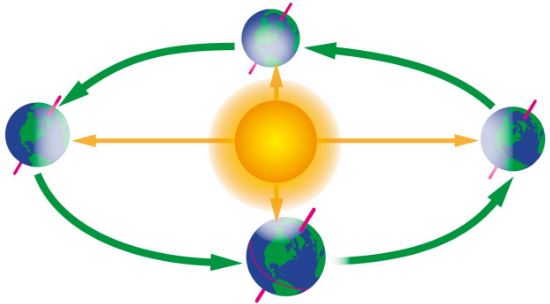
In winter, the axis of the earth is pointed away or toward the sun?
a)
towards
b)
up
c)
down
d)
away
38.
In summer, the axis of the earth is pointed away or toward the sun?
a)
towards
b)
up
c)
down
d)
away
39.
Which season is taking place in the Southern Hemisphere in Position 1?
a)
Winter
b)
Spring
c)
Summer
d)
Fall
40.
Which season is taking place in the Northern Hemisphere in Position 1?
a)
Winter
b)
Spring
c)
Summer
d)
Fall
41.

What phase occurs on the designated part of the graph?

a)

Waxing Crescent

b)

Waxing Gibbous

c)

Waning Crescent

d)

Waning Gibbous

42.

What phase comes before this one?

a)

Full Moon

b)

1st Quarter

c)

3rd Quarter

d)

New Moon

43.
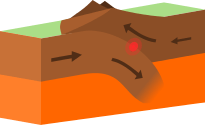
What type of plate boundary is this?
a)
Plate
b)
Divergent
c)
Convergent
d)
Transform
44.
A divergent boundary occurs when plates ....
a)
Pull apart
b)
Come together
c)
Slide past each other
d)
subducting
45.
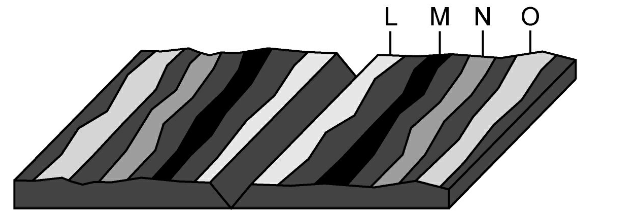
Where would the oldest rock be found?
a)
L
b)
M
c)
N
d)
O
46.
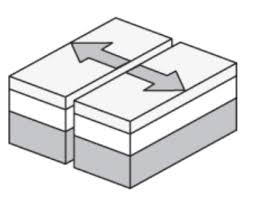
Name the boundary
a)
convergent boundary
b)
divergent boundary
c)
transform boundary
d)
sergent boundary
47.
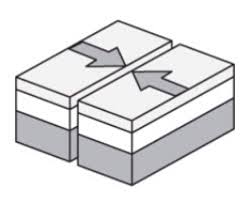
Name the boundary
a)
convergent boundary
b)
divergent boundary
c)
transform boundary
d)
sergent boundary
48.
Name the boundary
a)
convergent boundary
b)
divergent boundary
c)
transform boundary
d)
sergent boundary
49.
What is the elevation of point B?
a)
800 ft
b)
850 ft
c)
900 ft
d)
1000 ft
50.

In which direction is Mill River flowing?

a)

Southeast

b)

Southwest

c)

Northeast

d)

Northwest

51.
What is the elevation of Y?
a)
Between 120-140 meters
b)
Between 100-120 meters
c)
Between 140-160 meters
d)
Between 80-100 meters
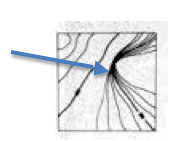
52.
What feature is at the arrow?
a)
volcano
b)
mountain
c)
cliff
d)
river
53.
What do contour lines that are farther apart represent?
a)
waterfall
b)
steep area
c)
gentle slope
d)
river
54.
How many mountain tops does this map have?
a)
one
b)
two
c)
three
d)
four
55.
What is the difference in elevation between Point X and Point Y?
a)
120 m
b)
240 m
c)
360 m
d)
340 m
56.

What phase occurs on the 28th of the month?

a)

Waxing Gibbous

b)

1st Quarter

c)

3rd Quarter

d)

Waning Gibbous

57.

What phase occurs on the 15th of the month? What is the name of the phase?

a)

3rd Quarter

b)

1st Quarter

c)

Waxing Gibbous

d)

Waxing Crescent

58.

- What phase comes about 2 weeks before this one?

a)

Waxing Gibbous

b)

Waxing Crescent

c)

Full Moon

d)

New Moon

59.
The process that breaks down rocks and other materials on Earth's surface is called
a)
Weathering
b)
Erosion
c)
Deposition
d)
Decomposition
60.

What is the process of moving sediments from location to another?

a)

Deposition

b)

Erosion

c)

Weathering

d)

Compaction

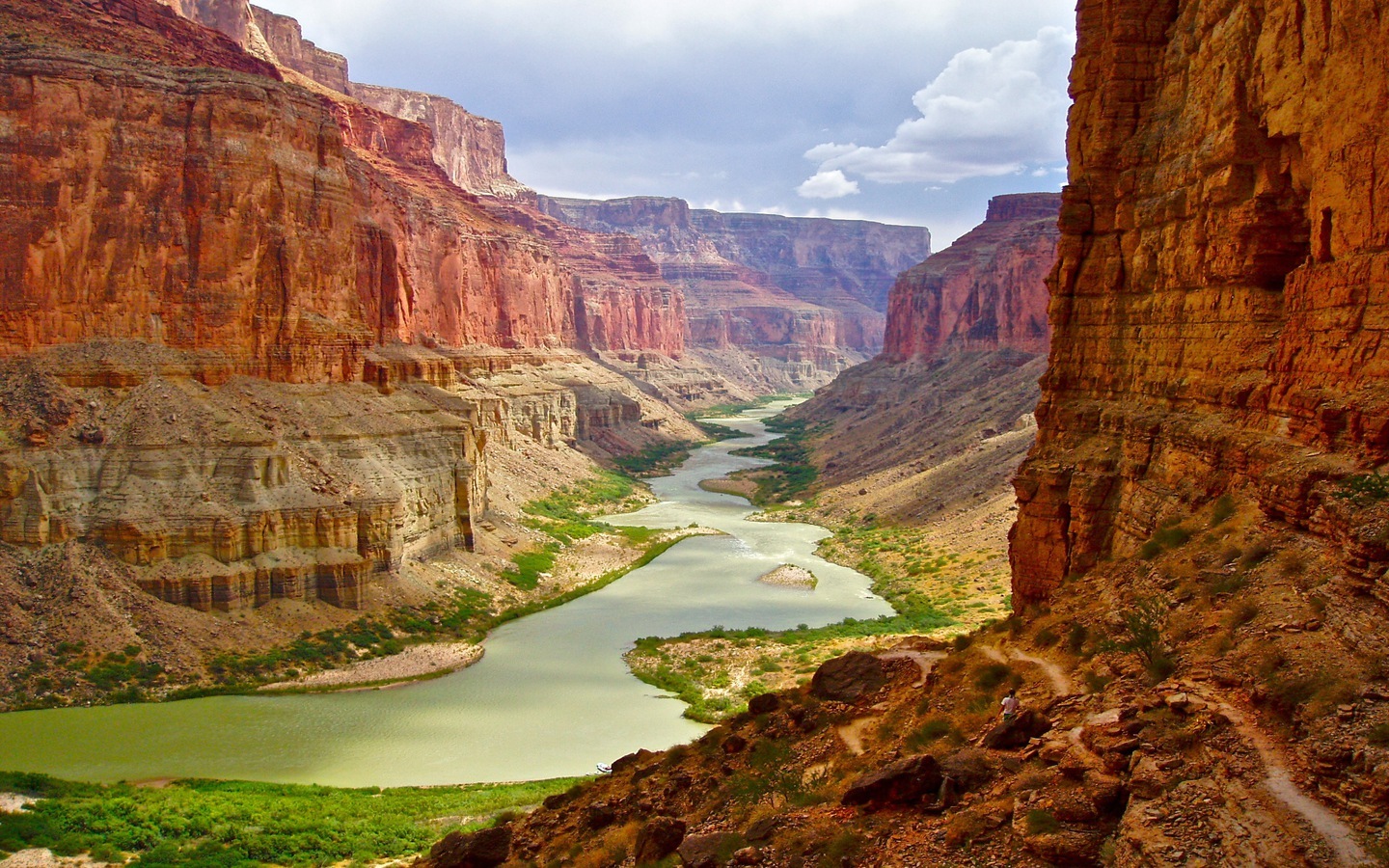
61.
Flood water pounding against a canyon wall and wearing it down is an example of
a)
Weathering
b)
Erosion
c)
Deposition
d)
An avalanche
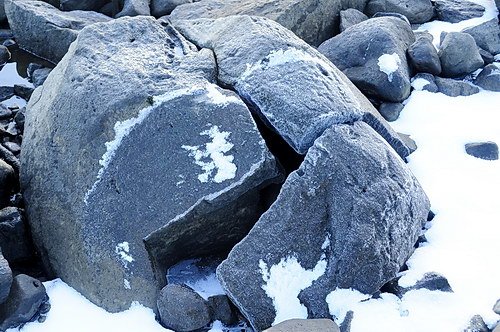
62.
How does freezing water cause the weathering of rocks?  The freezing water—
a)
keeps the rocks in place.
b)
makes the rocks last longer.
c)
expands cracks and breaks rocks.
d)
causes rocks to fall in landslides.
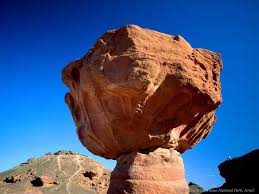
63.
Which is MOST likely responsible for the unusual shape of this formation?
a)
wind
b)
animals
c)
plant roots
d)
running water 
64.

Which type of plate boundary would cause mountains to form?

a)

Transform

b)

Convergent

c)

Divergent

d)

Reform

65.
The Great Rift Valley in Africa and the Mid-Ocean Ridge were all created by this boundary
a)
Divergent
b)
Convergent
c)
Reform
d)
Transform
66.
The Himalayas in Asia are an example of what type of plate boundary?
a)
divergent
b)
continent-to-continent convergent
c)
ocean-to-continent convergent
d)
transform
67.
At position A, which hemisphere would have summer?
a)
Northern hemisphere
b)
Southern hemisphere
68.
What happens when the area in which you live tilts away from the sun?
a)
It is summer.
b)
It is spring.
c)
It is winter.
d)
It is fall.
69.

In spring, the axis of the earth is pointed away or toward the sun?

a)

towards

b)

Neither away or toward

c)

away

70.
Which season is taking place in the Southern Hemisphere in Position 1?
a)
Winter
b)
Spring
c)
Summer
d)
Fall