
 Worksheets
ID- Elements, Color Wheel, & Principles of Design
Total questions: 38
Worksheet time: 20mins

While Alice was holding her sister's baby, she noticed the baby kept rubbing her satin shirt. Which element of design was the baby experiencing?
Texture
Line
Space
Shape

Sarah, a petite girl, likes a dress that her mother bought her because it made her appear tall and slim. Most likely, the dress had which type of line?
Vertical
Horizontal
Diagonal
Curved

How a fabric feels or looks.
Rough
Texture
Slick
Shiny

What feelings are created by DIAGONAL lines?
Action
Action,Excitement
None of the above
Excitement

What feelings are created by HORIZONTAL lines?
restful
None of the above
restful, informal
Informal

Vertical lines emphasize _________.
movement
height
width
all the above

Which of the following words would describe TEXTURE?
red
diagonal
horizontal
smooth

Texture is which of the following?
How the paper you are drawing on feels like.
How we perceive things with our eyes
How something feels or how it looks like it feels.
How we feel things

A three-dimensional object is called:
a square
a mold
a form
a circle

A type of balance in which the two sides look equally important even though they are not alike. (Look at the items above the fireplace.)
Symmetrical balance
Asymmetrical balance
Radial balance
Bilateral balance

Comparing parts of a whole is called:
Scale
Proportion
Contrast
Balance

The comparison of one thing to another in terms of size is called:
Balance
Contrast
Proportion
Scale

Using many different elements to create interest or contrast in an artwork is called:
Variety
Unity
Balance
Value


Using similar elements to create a single theme
unity
variety
emphasis
space

The focal point of an artwork is also called:
background
rhythm
emphasis
pattern

A repeated design is called a:
principle
pattern
element
shape


Refers to the relative size of an object in relation to other objects.
Scale
Proportion
Balance
Emphasis

Repeating an element of design - such as color, line, form, or texture - creates rhythm by...
repetition
gradation
radiation
opposition

The type of rhythm created by a gradual increase or decrease of similar elements of design.
repetition
gradation
radiation
opposition
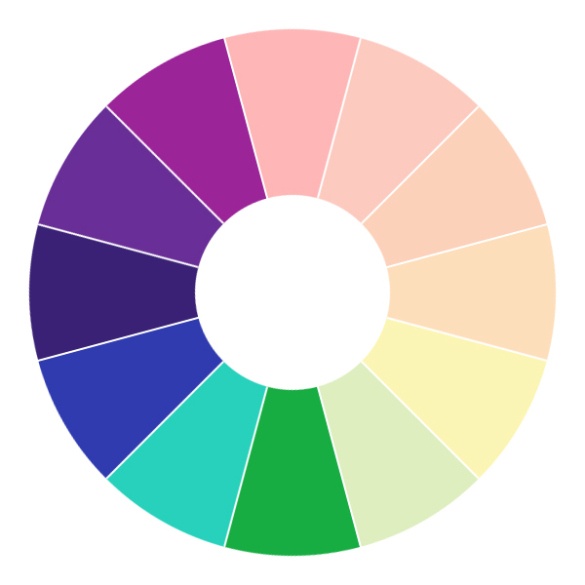
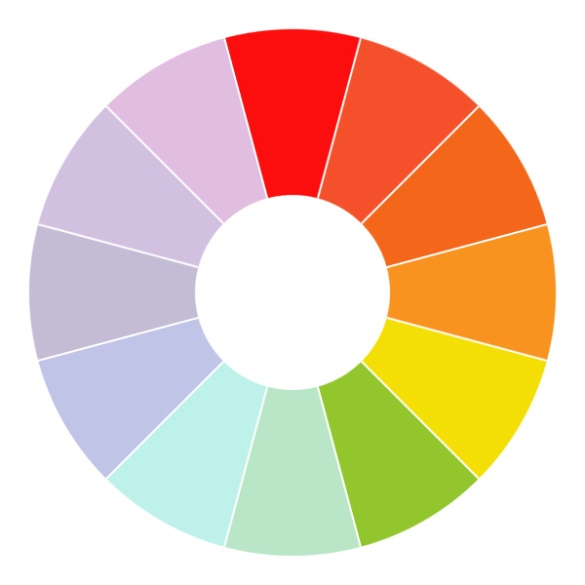
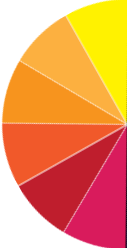


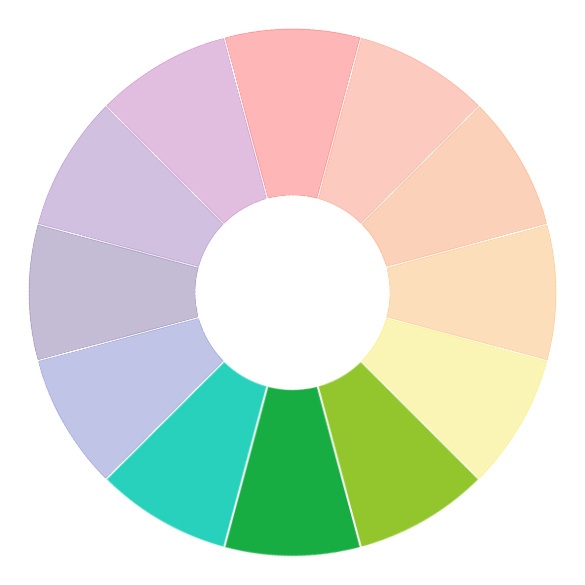
Three colors beside each other on the color wheel are also known as:
Analogous Colors
Secondary Colors
Cool Colors
Complementary Colors
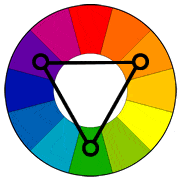
Three colors equally spaced on color wheel?
Analogous Colors
Color Triad
Monochromatic Colors
Primary Colors
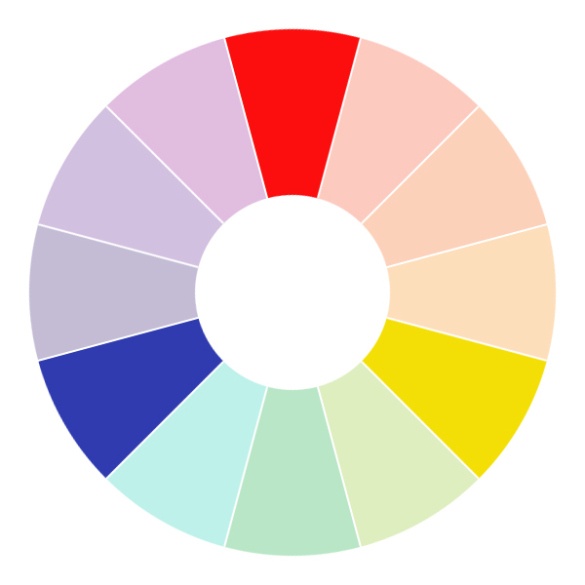
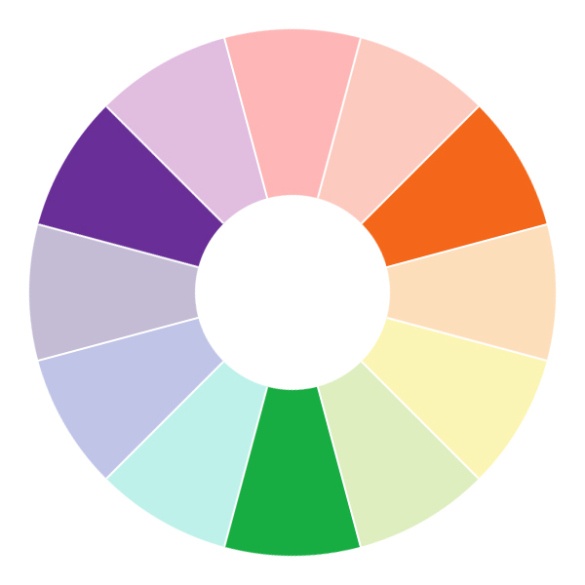
Green, Orange, & Violet are created after mixing two primary colors together. What are these colors also referred to as? (hint: ONE plus ONE equals...)
Secondary Colors
Primary Colors
Tertiary Colors
Analogous Colors
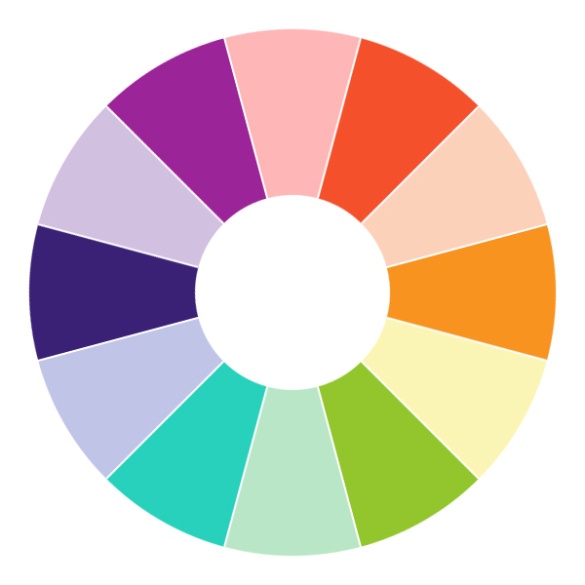
These colors are created after mixing a primary and a secondary color together: (hint: a ONE and a TWO make a....)
Analogous Colors
Tertiary Colors
Complementary Colors
Warm Colors
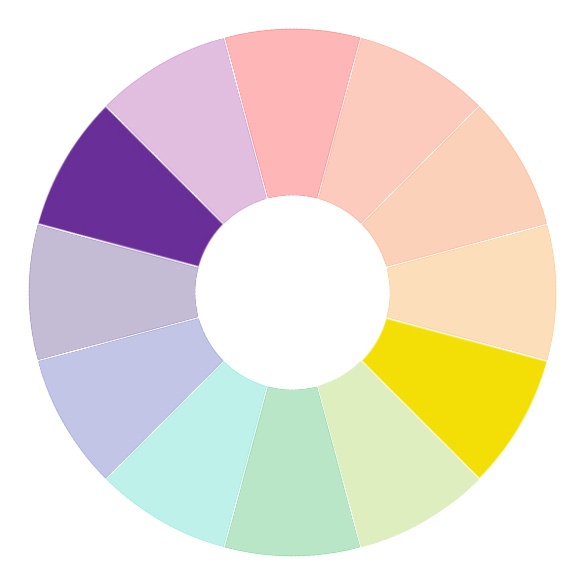
These colors are opposite from each other on the color wheel:
Tertiary Colors
Primary Colors
Analogous Colors
Complementary Colors
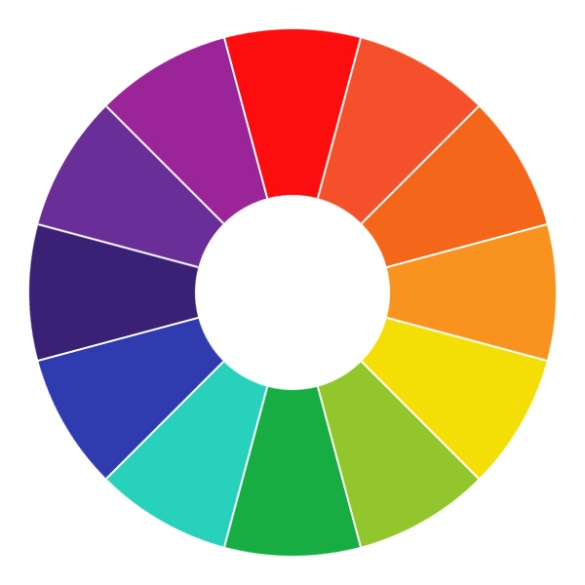
What is the complementary color of yellow?
Green
Orange
Violet
Red

Type of rhythm that leads your eye outwards from the center.
radiation
gradation
repetition
contrast

