
 Worksheets
Evolution analogous/homologous/Darwin review assign - 5th
Total questions: 15
Worksheet time: 1hrs 15mins
Structures that are inherited from a common ancestor are homologous.
True
False
When would convergent evolution occur?
When organisms share a common ancestor
When organisms live in similar environments and don't share a common ancestor
When organisms become increasingly different
When organisms experience a change in their environment
Bird wings and butterfly wings are an example of this (they do not share a common ancestor)
Homologous structure
Analogous structure
Mimicry
Camoflague
Analogous structures show common ancestry.
True
False
Which of the following pieces of evolution evidence contain both homologous and vestigial structures?
fossil record
comparing embryology
comparing biochemistry
comparing anatomy
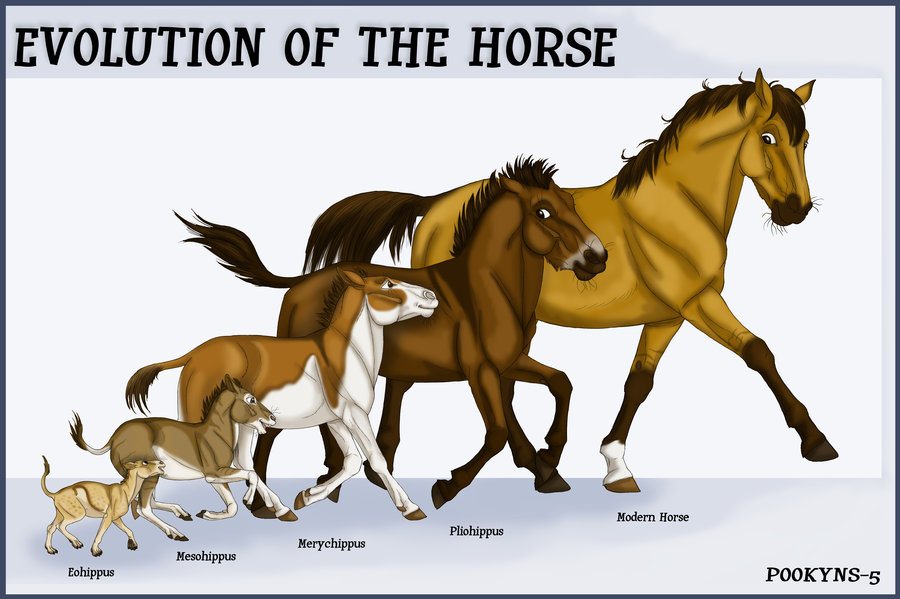
Some organisms that share a common ancestor have features that have different functions, but similar structures. These are known as
vestigial structures
analogous structures
homologous structures
fossil structures
Human appendix
Homologous
Analogous
Vestigial
Similar structures because of sharing a similar habitat, but not ancestry
Homologous
Analogous
Vestigial
Structures our ancestors had but are no longer necessary or useful
Homologous
Analogous
Vestigial
What did Darwin observe about finches in the Galápagos Islands?
Their feathers were adapted to match their environment.
Their beaks were adaptations related to the foods the finches ate.
There were no difference in the finches on the island.
They had identical genotypes in all locations.
Which term refers to the process by which individuals that are better adapted to their environment are more likely to survive and reproduce?
natural selection
overproduction
competition
variation
Darwin concluded that organisms on the Galápagos Islands
had changed over time.
had remained the same.
were the result of selective breeding.
had no variations.
Where did Charles Darwin travel to?
Australia
Barbados
Galapagos
Trinidad
What animals did Charles Darwin study when at the Galapagos Islands?
Giraffes
Seagulls
Seals
Finches
For Darwin, how have animals and plants survived?
Through luck
Through natural selection
Through careful management
Through choice

