
 Worksheets
Combination Sky Science
Total questions: 39
Worksheet time: 26mins
Name
Class
Date
1.
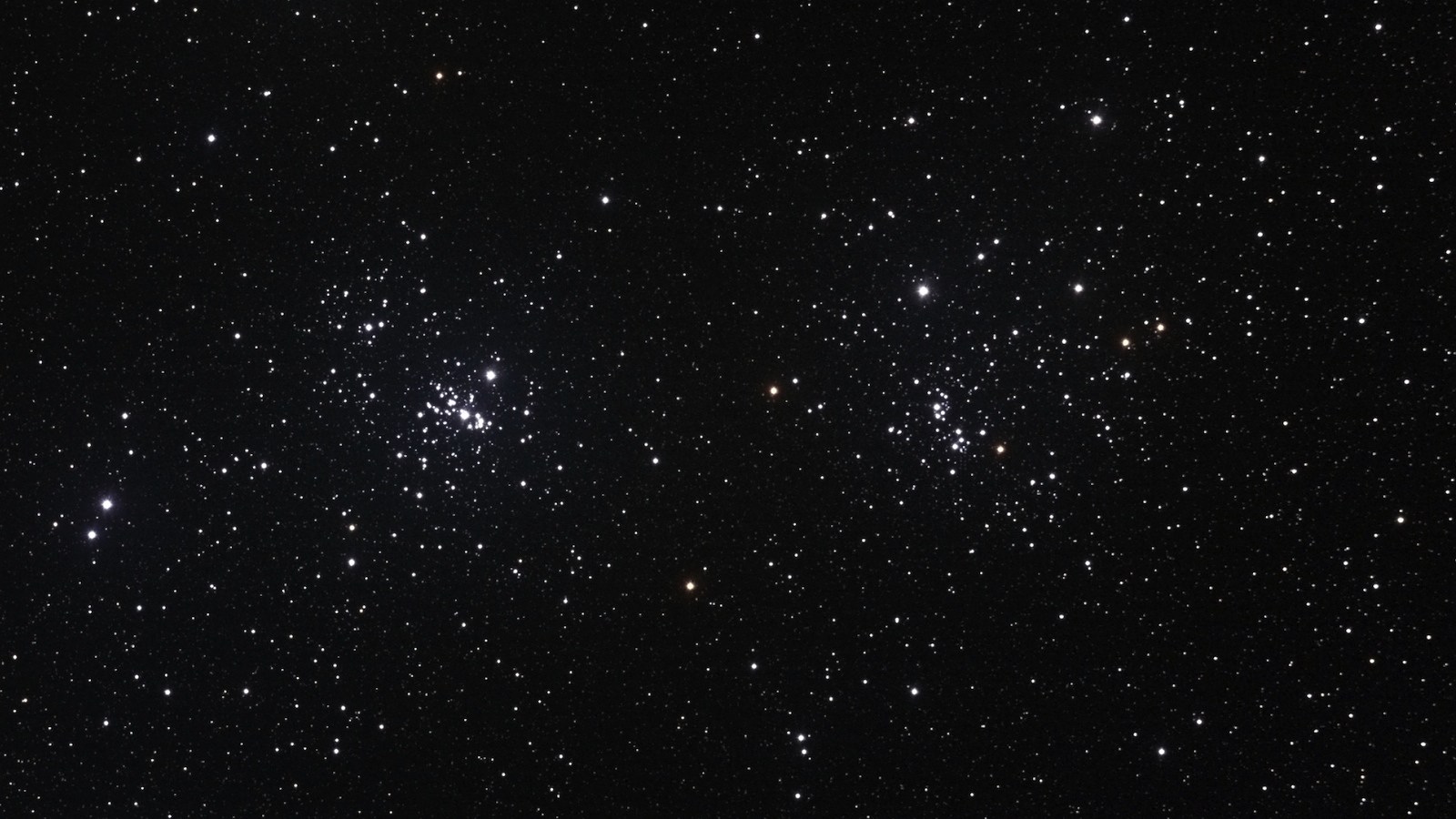
Why do other stars appear so much smaller than the sun?
a)
They are much smaller
b)
They are so far away
c)
They are not as bright
d)
They are dwarf stars
2.

What color of star is the hottest?
a)
Blue
b)
Red
c)
Yellow
d)
Orange
3.

What color of star is the coolest?
a)
Red
b)
Yellow
c)
Blue
d)
White
4.

What is the name of the largest stars?
a)
Protostars
b)
Supergiants
c)
Red Giants
d)
Dwarf Stars
5.

Why does the sun look small in the sky to us?
a)
It is 93,000,000 miles away
b)
It is smaller than Earth
c)
It is not very bright
d)
It travels around Earth
6.

What is the name of baby stars?
a)
Dwarf
b)
Supergiant
c)
Protostars
d)
Nebulas
7.
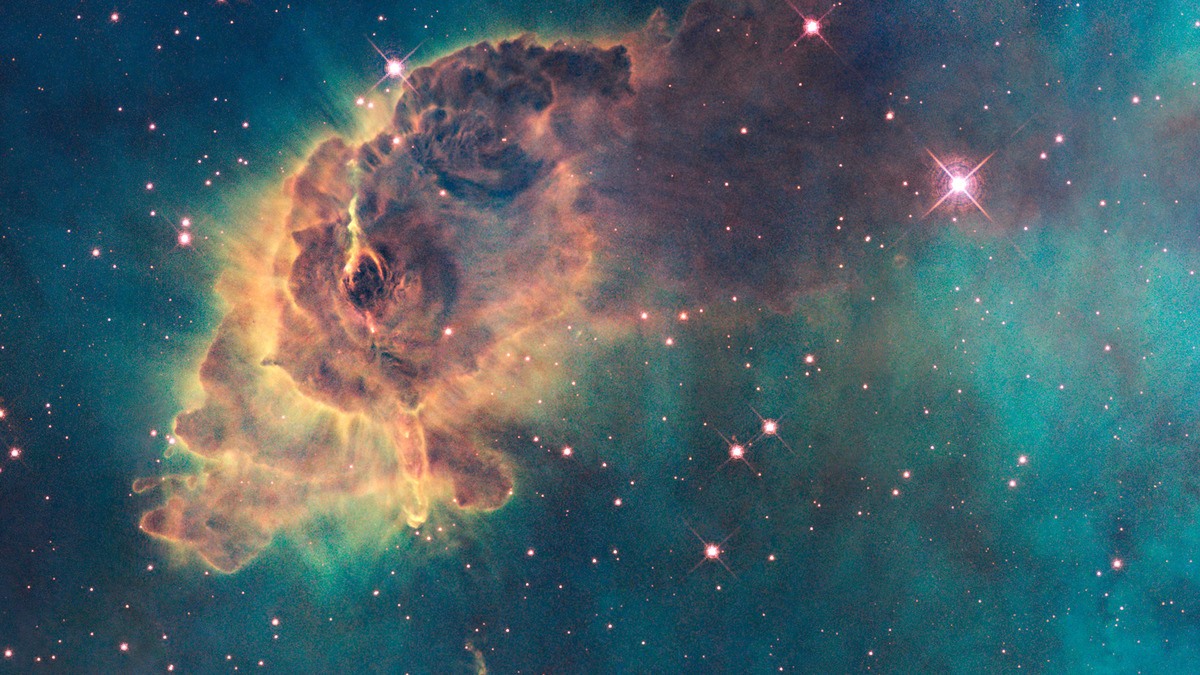
What is the name of the gas/dust clouds that form stars?
a)
Nebulas
b)
Protostars
c)
Supernova
d)
Neutron Star
8.

True or False
Constellations are stars that appear to be in a pattern.
Constellations are stars that appear to be in a pattern.
a)
True
b)
False
9.
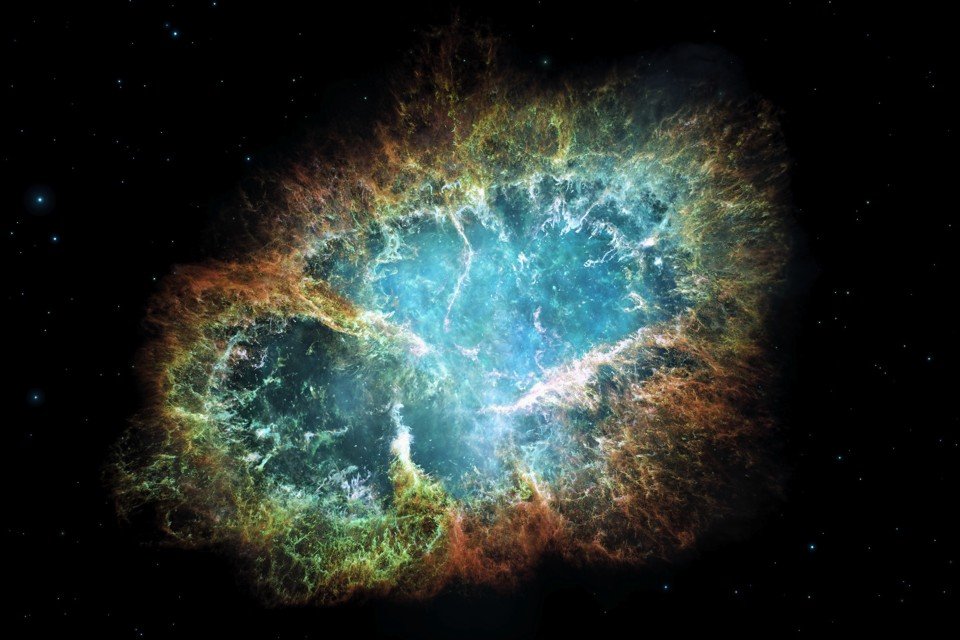
What is the name of the explosion at the death of a massive star?
a)
Supergiant
b)
Supernova
c)
Black Hole
d)
Nebula
10.

What are stars?
a)
Rocky bodies
b)
Hot exploding balls of gas
c)
5 pointed shapes
d)
Hollywood actors
11.

The stars we see in each constellation are very close to us.
a)
True
b)
False
12.

As the earth rotates on its axis, the constellations and stars in them appear to _________.
a)
move across the sky
b)
stand still in the sky
c)
move around each other
d)
rotate
13.

The stars in a constellation appear to be close to each other in the shape, but may be ______ in space.
a)
very close
b)
some are close
c)
great distances apart
d)
some are great distances apart
14.

Why do the stars appear to move across the sky at night?
a)
The Moon revolves.
b)
Earth rotates on its axis.
c)
Earth revolves around the Sun
15.

Why do you see different stars in winter and summer?
a)
Earth rotates on its axis.
b)
The Moon revolves around Earth.
c)
Earth revolves around the Sun.
16.

Put the stars in order from hottest to coolest.
a)
Blue, Red, White, Yellow, Orange,
b)
Red, White, Yellow, Orange, Blue
c)
Blue, White, Yellow, Red, Orange
d)
Blue, White, Yellow, Orange, Red
17.
What layer of the Sun can we see?
a)
Corona
b)
Photosphere
c)
Chromosphere
d)
Radiative zone
18.

How does night and day occur?
a)
The Earth rotates on its axis in front of the sun
b)
The Earth revolves on its axis in front of the sun
19.

What causes the different seasons in a year?
a)
The position the Earth is tilted as it moves around the sun
b)
The position the Sun and Moon are in during 1 year
20.
How long is one day from morning to night?
a)
24 minutes
b)
24 hours
21.

What season is it when the northern hemisphere on Earth (Canada) is tilted TOWARD the SUN?
a)
Winter
b)
Summer
c)
Spring
22.
True or False
A astronaut from U.S.A was the first person to land on the moon.
A astronaut from U.S.A was the first person to land on the moon.
a)
True
b)
False
23.
True or False
The moon is one big sold piece of rock
The moon is one big sold piece of rock
a)
True
b)
False
24.
Why is the SUN important to the way we live?
a)
The sun keeps us warm
b)
The sun supports plant and tree growth
c)
The sun gives people a tan
25.

How many phases does the moon go through?
a)
3
b)
5
c)
8
26.
A circular path around a planet or a star.
a)
Light Year
b)
Trajectory
c)
Rotation
d)
Orbit
27.
An object that orbits a planet. Example. The moon.
a)
Satellite
b)
Comet
c)
Asteroid
28.

What moon phase is this picture?
a)
This is the full moon phase.
b)
This is the waxing gibbous moon phase.
c)
This is the waning gibbous moon phase.
d)
This is the first quarter moon phase.
29.

What moon phase is this picture?
a)
This is the waning crescent phase.
b)
This is the waxing gibbous phase.
c)
This is the waning gibbous phase.
d)
This is the new moon phase.
30.

What is this moon phase?
a)
This is the waxing crescent phase.
b)
This is the full moon phase.
c)
This is the waxing gibbous phase.
d)
This is the last quarter moon.
31.

What is this moon phase?
a)
This is the waxing gibbous moon phase.
b)
This is the last quarter moon phase.
c)
This is the first quarter moon phase.
d)
This is the new moon phase.
32.

What moon phase is this picture?
a)
This is the full moon phase.
b)
This is the waxing crescent moon phase.
c)
This is the waning gibbous moon phase.
d)
This is the waning crescent moon phase.
33.

What moon phase is this picture?
a)
This is the new moon phase.
b)
This is the waxing crescent moon phase.
c)
This is the waxing gibbous moon phase.
d)
This is the waning crescent moon phase.
34.

What moon phase is this image?
a)
This is the full moon phase.
b)
This is the last quarter moon phase.
c)
This is the waxing gibbous moon.
d)
This is the new moon phase.
35.

What phase of the moon is this image?
a)
This is the last quarter moon phase.
b)
This is the full moon phase.
c)
This is the first quarter moon phase.
d)
This is the waxing gibbous moon phase.
36.
What is the difference between a gibbous moon and a crescent moon?
a)
The gibbous shows more than half of the bright side of the moon.
b)
The crescent shows more than half of the bright side of the moon.
c)
The gibbous shows less than half of the bright side of the moon.
37.
How many phases does the moon go through?
a)
4
b)
8
c)
10
d)
16
38.
As the moon's shape appears to get smaller, we say that the moon is _.
a)
swelling
b)
waxing
c)
waning
d)
disappearing
39.
Phases of the moon in which the moon appears to be getting larger are referred to as _.
a)
waxing
b)
waning
c)
new
d)
eclipse
100 %

