wayground logo

Free Printable Worksheets

Font size

S
M
L
XL
Worksheets

Year 8 revision quiz

Total questions: 35

Worksheet time: 49mins

Name
Class
Date
1.
The smallest part of an element is
a)
proton
b)
atom
c)
compound
d)
mixture
2.
The chemical symbol for Oxygen is
a)
Ox
b)
Og
c)
O
d)
On
3.
The chemical symbol for Carbon is
a)
C
b)
Cb
c)
Ca
d)
Cn
4.
Element is a
a)
pure substance
b)
compound
c)
mixture
d)
molecule
5.
which one can be found on the periodic table
a)
Compound 
b)
Element
6.

Which of the following is not a compound?

a)

HCl

b)

Cl2

c)

NaCl

d)

CO2

7.
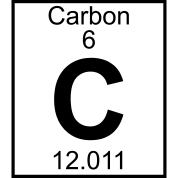
What does the C represent?
a)
atomic mass
b)
atomic number
c)
element name
d)
chemical symbol 
8.

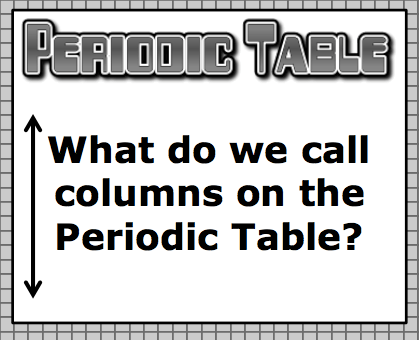
what do we call columns on the periodic table

a)

Periods

b)

Groups

9.

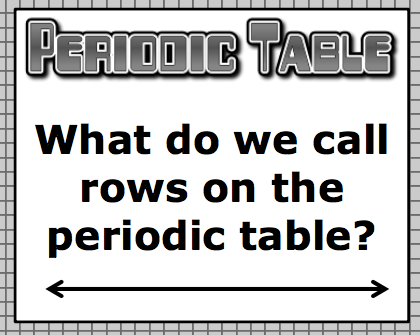
what do we call rows on the periodic table

a)

Periods

b)

Groups

10.

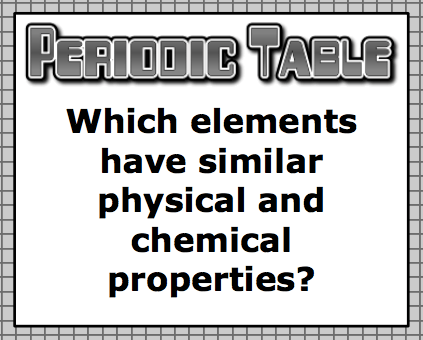
which elements are similar?

a)

Same group

b)

Same period

11.

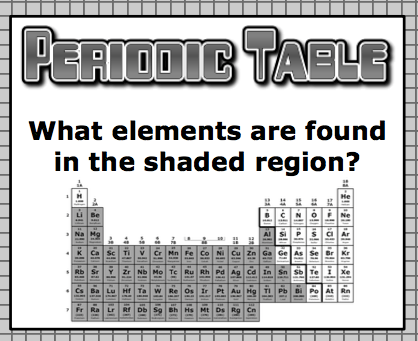
what type of elements in the shaded region

a)

Metals

b)

Nonmetals

c)

Metalloids

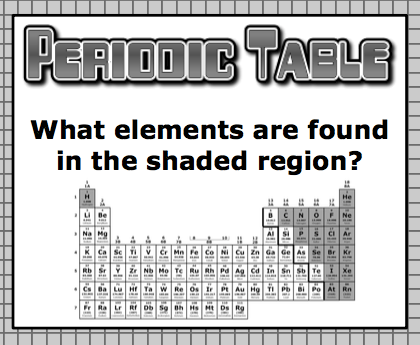
12.
a)
Metals
b)
Nonmetals
c)
Metalloids
13.
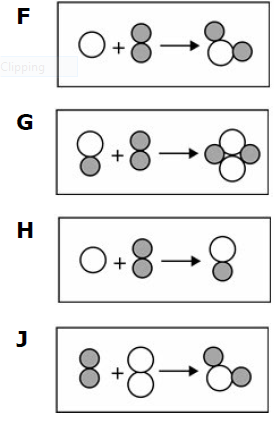
Which of the following models best demonstrates a balanced chemical equation?
a)
F
b)
G
c)
H
d)
J
14.

For an investigation a student poured a blue solution of CuSO4 into a beaker. The student placed a shiny, silver-colored strip of zinc metal in the solution and observed the changes.

The student inferred that a chemical reaction occurred. What evidence supports this?

a)

A dark solid formed on the zinc metal.

b)

The zinc metal remained silver-colored and shiny

c)

The CuSO4 solution turned blue when the zinc metal was added.

d)

None of these

15.
Which of the following equations demonstrates an actual chemical reaction that forms a new substance?
a)
A
b)
B
c)
C
d)
D
16.
Two clear colorless solutions were combined.
The student observed that the temperature changed from 25 •C to 23 •C when the solutions were combined and that a white substance rapidly formed and settled to the bottom of the container. What most likely happened to produce these results?
a)
One of the original compounds came out of solution
b)
The solutions reacted chemically
c)
Some of the water froze into ice crystals
d)
Rapid evaporation of water occurred, leaving a solid
17.

Which ones does not show evidence of a chemical reaction?

a)

colour change

b)

production of gas

c)

production of heat

d)

production of light

e)

change in physical state- ie. crushing of a can, shredding paper

18.
a copper penny turning greenish after a few years.
a)
Chemical Change
b)
Physical Change
19.
Which of the following is a physical change?
a)
A rusting bike
b)
Folding paper 
c)
Fireworks
d)
Baking a cake 
20.
Which is not an indicator of a chemical reaction?
a)
Light is produced
b)
Heat is produced
c)
Color Change
d)
Change in state 
21.
What is the name of CaSO4
a)
Calcium sulfide
b)
Calcium sulfate
c)
Calcium sulfite
d)
Calcium sulfur oxide
22.
name the following ionic compound: NaF
a)
nitrogen fluorine
b)
sodium fluoride
c)
nitrogen fluoride
d)
sodium fluorine
23.
Name the following ionic compound: MgSO4
a)
magnesium sulfoxide
b)
magnesium sulfide
c)
magnesium sulfate
d)
magnesium oxide
24.
Name the following ionic compound: LiNO3
a)
lithium nitrate
b)
lithium III nitrate
c)
lithium nitride
d)
lithium oxide
25.
LiBr is called
a)
lithium bromine
b)
lithium (I) bromine
c)
lithium bromide
d)
lithuim (I) bromide
26.
Sodium + chlorine gas 
a)
sodium chloride
b)
sodium hydroxide
c)
sodium oxide
d)
sodium
27.
Magnesium + hydrochloric acid
a)
magnesium hydroxide+ chlorine gas
b)
magnesium chloride + water 
c)
magnesium + hydrogen gas+ chlorine
d)
     magnesium chloride + hydrogen gas
28.
Hydrogen gas + oxygen gas 
a)
hydrochloric acid
b)
water
c)
hydroxide
29.
when reactants chemically combine together ___________________ is formed.
a)
product
b)
result
c)
answer
30.

Magnesium + hydrochloric acid --> _____________ + hydrogen


What is missing?

a)

Magnesium oxide

b)

Magnesium hydride

c)

Magnesium chloride

d)

Magnesium hydroxide

31.

Magnesium + ________ --> magnesium oxide


What is missing?

a)

Hydrogen

b)

Sulphur

c)

Oxygen

d)

Oxide

32.

Calcium carbonate + hydrochloric acid --> __________ + carbon dioxide + water


What is missing?

a)

calcium chloride

b)

calcium oxide

c)

hydrogen

d)

calcium hydride

33.

Sodium hydroxide + _______________ --> sodium chloride + water


What is missing?

a)

sulphuric acid

b)

hydrogen

c)

hydrochloric acid

d)

oxygen

34.
acid + carbonate ----->
a)
salt + hydrogen
b)
salt + water + carbon dioxide
c)
salt + water
d)
salt + carbon dioxide
35.
How do you test for carbon dioxide gas?
a)
Turns limewater milky
b)
Relights a glowing splint
c)
Makes a squeaky pop with a splint
d)
Bleaches damp litmus paper