
 Worksheets
Quizizz #4: Respiratory Phys Review
Total questions: 24
Worksheet time: 22mins
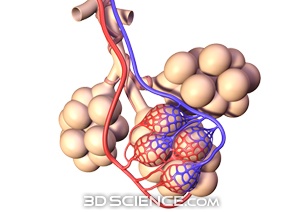
_____ drives O2 and CO2 across the capillaries and alveoli in the lungs.
Breathing
Inhalation
Diffusion
Osmosis
When the diaphragm relaxes this creates
a decrease in chest volume
an increase in chest volume
an increase in lung capacity
no change in air volume
Select ALL statements that are true:
Increase in volume= increase in pressure
decrease in volume= increase in pressure
decrease in volume= decrease in pressure
Increase in volume= decrease in pressure
What is the epiglottis
Flap of tissue that blocks food from going down the larynx/trachea
Flap of tissue that blocks food from going down the esophagus
cartilage that project the vocal cords
structure that separates the nasopharynx and the oropharynx

What happens when you breathe in? (pick all that apply)
diaphragm relaxes and moves up
diaphragm contracts and flattens
increases volume in thorax
reduces volume in thorax
pressure in thorax lower than outside

How does an increase in thoracic cavity volume lead to air entering the lungs?
Produces higher pressure
Produces lower pressure
When air pressure inside the thoracic cavity is less than air pressure in the atmosphere...
Air moves into the lungs
Air moves out of the lungs
A contraction of the diaphragm during inhalation causes it to flatten. What else does the contraction result in?
An increase in the volume of the chest cavity
Increase in alveolar pressure
A decrease in lung volume
A decrease in the volume of the thoracic cavity
What pressure gradient is exhalation triggered by?
The pressure in the thoracic/chest cavity is less than the pressure of the atmosphere
The pressure in the thoracic/chest cavity is greater than the pressure of the atmosphere
Which sequence of changes takes place when we breathe in ?
diaphragm contracts --> volume of thorax increases --> pressure in lungs decreases
diaphragm contracts --> volume of thorax increases --> pressure in lungs increases
diaphragm relaxes --> volume of thorax increases --> pressure in lungs decreases
diaphragm relaxes --> volume of thorax increases --> pressure in lungs increases

A
B
C
D
Which statement(s) describes the movement of gases - at an alveoli and capillary
carbon dioxide diffuses from the capillary into the alveoli
carbon dioxide diffuses from the alveoli into the capillary
oxygen diffuses from the capillary into the alveoli
oxygen diffuses from the alveoli into the the capilarry
Which statement(s) describes the movement of gases - at a body cell and capillary
carbon dioxide diffuses from the capillary into the body cell
carbon dioxide diffuses from the body cell into the capillary
oxygen diffuses from the capillary into the body cell
oxygen diffuses from the body cell into the the capilarry
The maximum volume of air that can be "exchanged" through inspiration and expiration with your environment is
Tidal volume, and is 1,000 mL
Respiratory reserve volume, and is 3,100 mL
Vital capacity volume, and is 4,800 mL
Total lung capacity volume, and is 6,000 mL
Total lung capacity includes
tidal volume + inspiratory volume + expiratory volume
inspiratory reserve + expiratory reserve
tidal volume + vital capacity
vital capacity + residual volume
Which describes the amount of air you breathe in during one breath?
Residual volume, and is 1,200 mL of air
Inspiratory reserve volume, and is 500 mL of air
Tidal volume, and is 500 mL of air
Vital capacity volume, and is 4,800 mL of air

