wayground logo

Free Printable Worksheets

Font size

S
M
L
XL
Worksheets

Landscapes Graded Practice

Total questions: 45

Worksheet time: 37mins

Name
Class
Date
1.
An opening in earth's crust from which lava flows.
a)
volcano
b)
trench
c)
mountain
2.
A thin natural waterway that allows water to flow into a lake or ocean.
a)
river
b)
island
c)
lake
3.
Mound of earth with a rounded top; smaller than a mountain.
a)
mountain
b)
hill
c)
valley
4.
Area of land completely surrounded by water.
a)
island
b)
peninsula
c)
volcano
5.
large, tall rock that extends into the air; taller than a hill.
a)
hill
b)
mountain
c)
volcano
6.
What process created this V-shaped valley?
a)
Erosion due to a river
b)
Erosion due to a glacier
c)
Weathering due to a river
d)
Weathering due to wind
7.
The process of breaking up rocks on Earth's surface is called...
a)
sediment
b)
erosion
c)
weathering
d)
deposition 
8.
wind erosion forms what type of landform?
a)
meander
b)
drumlin
c)
sand dune
d)
sand bar
9.
What is sediment?
a)
the process of rocks being broken down and carried away
b)
bits of rock, sand, and silt caused by the weathering of rocks
c)
the top layer of the soil
d)
decaying plant or animal material 
10.
Rain washing away soil from a hillside
a)
Weathering
b)
Erosion
c)
Deposition
11.
What forces change the earth's surface?
a)
Rain, ice, wind
b)
lightening, thunder, wind
c)
Ice, water, wind
d)
thunder, glaciers, water
12.

Which features are lowland areas between higher areas such as mountains?

a)

Plateaus

b)

Canyons

c)

Valleys

d)

Caverns

13.

What are openings in the Earth's surface from which lava flows?

a)

Glaciers

b)

Volcanoes

c)

Mountains

d)

Gaps

14.

Which changes are rapid process changes?

a)

Landslides, floods, earthquakes

b)

Landslides, erosion, weathering

c)

Weathering, erosion, depostion

d)

Eruptions, earthquakes, deposition

15.

Which changes are slow surface change processes?

a)

Landslides, floods, earthquakes

b)

Landslides, erosion, weathering

c)

Weathering, erosion, deposition

d)

Eruptions, earthquakes, depositions

16.

Hawaii is an example of what type of landform?

a)

Volcano

b)

Canyon

c)

Island

d)

Valley

17.
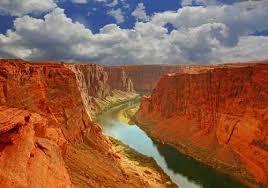
What land form is this?
a)
valley
b)
canyon
c)
mountain
d)
plain
18.
What land form is this?
a)
valley
b)
plain
c)
volcano
d)
canyon
19.
What land form is this?
a)
plain
b)
valley
c)
mountain
d)
canyon
20.
What land form is this?
a)
valley
b)
canyon
c)
plain
d)
mountain
21.
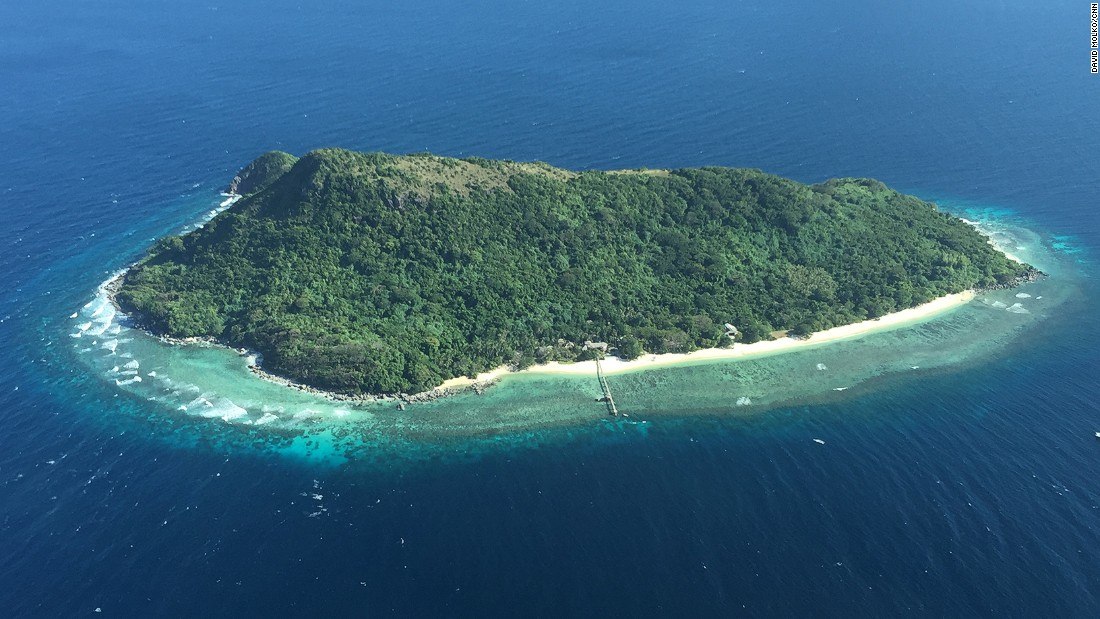
What land form is this?
a)
island
b)
valley
c)
plain
d)
mountain
22.
What land form is this?
a)
valley
b)
plain
c)
volcano
d)
mountain
23.
What land form is a flat region of lowlands?
a)
mountain
b)
canyon
c)
plain
d)
valley
24.
A place on the earths surface that is much higher than the land around it?
a)
valley
b)
plain
c)
canyon
d)
mountain
25.
Which of the following is a nonrenewable resource?
a)
water
b)
wind
c)
sunlight
d)
oil 
26.
Which of the following is a renewable resource?
a)
oil
b)
coal
c)
sunlight
d)
natural gas
27.

what is the minimum height of a mountain?

a)

2000 ft

b)

1023.5 ft

c)

5000 ft

d)

2500 ft

28.

Which of the following are land forms?

a)

lava

b)

valleys

c)

islands

d)

plains

e)

peninsulas

29.
What is magma called when it is above ground? 
a)
Lava
b)
Metamorphic Rock
c)
Convection Current
d)
Mountain
30.
The theory that the plates are moving is called the Theory of ......
a)
Pangea
b)
Plate Tectonics
c)
The Rock Cycle
d)
Fossils
31.
The continents were all part of one super continent called
a)
Europe 
b)
Asia 
c)
Africa
d)
Pangea
32.
The movement of the plates away from Pangea to where they are today is called 
a)
Convection 
b)
Continental Drift
c)
Subduction
d)
Earthquakes
33.
Movement of the Earth's crust can result in 
a)
Earthquakes
b)
Volcanoes
c)
Mountains
d)
All of the above
34.
Volcanoes and Earthquakes are caused by...
a)
Earth's Orbit
b)
Plate movement
c)
Latitude and Longitude
d)
Deforestation
35.

The theory of continental drift was developed by ...

a)

Alfred Wegener

b)

Albert West

c)

Alfred Eisenhower

d)

Albert Wegener

36.

Are the continents still moving?

a)

yes

b)

no

37.

Which theory suggest that the continents were once part of one supercontinent?

a)

tilt and rotation

b)

continental drift

c)

Ring of Fire

d)

eruption patterns

38.

Which is not a way that people change landforms?

a)

drilling tunnels through mountains

b)

building dams

c)

building terraces for

farming

d)

creating sediment

39.

The collision of two continental plates results in

a)

ocean trenches

b)

mountain-building

c)

plate tectonics

d)

lava

40.

Earth’s glaciers can cause

a)

precipitation.

b)

drought.

c)

erosion.

d)

condensation.

41.

Earth’s landforms include mountains, valleys, and

a)

rivers

b)

lakes

c)

glaciers

d)

peninsulas

42.

Earthquakes often occur when two ___________________ slide past eachother

a)

plates

b)

landforms

43.

The theory of _________ helps explain how forces below Earth's surface have our landforms

a)

plate tectonics

b)

continental drift

44.

______________________ is the most common cause of erosion.

a)

weathering

b)

water

45.

True or false, If mid-ocean ridges grow high enough, they can rise above the surface of the ocean to form volcanic islands.

a)

True

b)

False