
 Worksheets
Body System Checkpoint
Total questions: 40
Worksheet time: 23mins
Name
Class
Date
1.
Protease breaks down...
a)
Proteins
b)
Carbohydrates
c)
Amino acids
d)
Glucose
2.
Lipase breaks down...
a)
Proteins
b)
Carbohydrates
c)
Fats
d)
Glycerol
3.
Proteins are broken down into...
a)
amino acids
b)
fatty acids
c)
glycerol
d)
glucose
4.
Fats are broken down into...
a)
amino acids
b)
fatty acids and glycerol
c)
glycerol
d)
glucose
5.
Carbohydrates are broken down into...
a)
amino acids
b)
fatty acids and glycerol
c)
glycerol
d)
glucose
6.
Where are carbohydrates digested?
a)
Mouth and small intestine
b)
Stomach and small intestine
c)
Small intestine
7.
Where are proteins digested?
a)
Mouth and small intestine
b)
Stomach and small intestine
c)
Small intestine
8.
Where are fats digested?
a)
Mouth and small intestine
b)
Stomach and small intestine
c)
Small intestine
9.

Identify
a)
Large Intestine
b)
Small Intestine
c)
Stomach
d)
Rectum
10.

Identify
a)
Large Intestine
b)
Small Intestine
c)
Stomach
d)
Esophagus
11.

As waste moves through the digestive system, the ______ absorbs water before storing waste in the rectum.
a)
Small intestine
b)
Stomach
c)
Esophagus
d)
Large intestine
12.

Nutrients from digested food are absorbed in which digestive organ?
a)
Small Intestine
b)
Stomach
c)
Large Intestine
d)
Gallbladder
13.
Digestive enzyme that is found in the stomach and begins the digestion of proteins
a)
Esophagus
b)
Pepsin
c)
Peristalsis
d)
Epiglottis
14.

Bile is made by which digestive organ?
a)
Gallbladder
b)
Stomach
c)
Rectum
d)
Liver
15.

Which digestive organ makes digestive juices to help the small intestine absorb nutrients?
a)
Liver
b)
Gallbladder
c)
Pancreas
d)
Esophagus
16.

Bile is stored in which secondary digestive organ?
a)
Stomach
b)
Liver
c)
Gallbladder
d)
Pancreas
17.
What is the path of the digestive system?
a)
Mouth, Esophagus, Stomach, Small Intestines, Large Intestines, Anus
b)
Anus, Esophagus, Stomach, Large Intestine, Small Intestine, Mouth
c)
Mouth, Esophagus, Small Intestine, Stomach, Large Intestine, Anus
d)
Mouth, Esophagus, Stomach, Large Intestine, Small Intestine, Anus
18.
A fluid in the mouth that helps digest food.
a)
pepsin
b)
pepsi
c)
saliva
d)
salty
19.
The tube after the small intestine where the liquid is absorbed.
a)
large intestine
b)
small intestine
c)
rectum
d)
stomach
20.
An organ of the digestive system that makes chemicals to help the body break down fats and rid itself of harmful substances.
a)
esophagus
b)
mouth
c)
liver
d)
stomach
21.
When you get cut, your skin cells release hormones that signal platelets to come and stop the bleeding. Platelets then release more hormones that signal even more platelets to help stop bleeding. The hormone signals continue until the cut is closed.
a)
Positive Feedback Response
b)
Negative Feedback Loop
22.
When you are cold, you shiver and your blood vessels contract, which warms you up. When you are hot, you sweat and your blood vessels expand, which cools you down.
a)
Positive Feedback Response
b)
Negative Feedback Loop
23.
Rapid growth during puberty causes your body to release more and more growth hormones. As you grow, more and more growth hormones are released until puberty is reached, and then the hormones stop.
a)
Positive Feedback Response
b)
Negative Feedback Loop
24.
If the calcium in your blood decreases below homeostasis levels, a gland in the brain will sense the decrease and send a chemical message to your bones. Your bones will release calcium into the blood, bringing blood calcium levels back up.
a)
Positive Feedback Response
b)
Negative Feedback Loop
25.
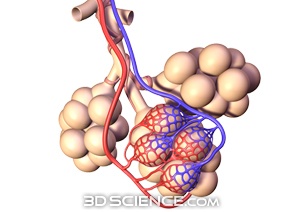
When you breathe, your lungs take in ___ and remove ___.
a)
air/oxygen
b)
oxygen/carbon dioxide
c)
carbon dioxide/waste
d)
waste/air
26.
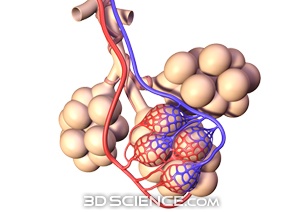
The air sacs that are covered with capillaries where gas exchange takes place
a)
bronchi
b)
lungs
c)
oxygen
d)
alveoli
27.
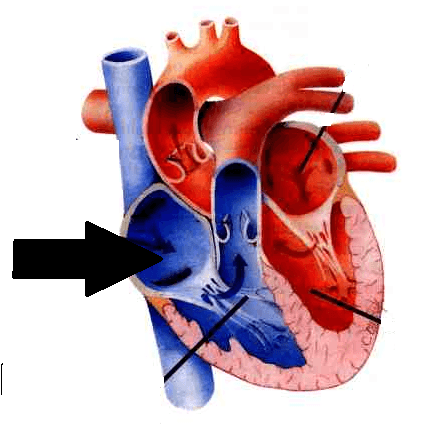
Identify
a)
Left atrium
b)
Right atrium
c)
Left ventricle
d)
Right ventricle
28.
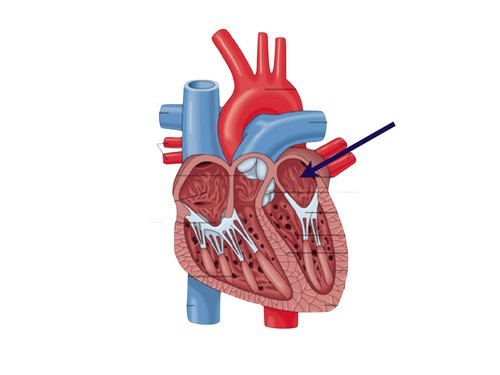
Identify
a)
Left atrium
b)
Right atrium
c)
Left ventricle
d)
Right ventricle
29.
This chamber of the heart RECEIVES blood returning from the body
a)
Right Atrium
b)
Right Ventricle
c)
Left Atrium
d)
Left Ventricle
30.
The aorta is the largest artery in the body. The blood leaving the aorta is full of?
a)
Oxygen
b)
Carbon Dioxide
c)
White blood Cells
d)
Potassium
31.
Blood circulation from the heart to the rest of the body is called
a)
Full body
b)
Systemic
c)
pulmonary
d)
heart to lung
32.
Which is NOT a function of the circulatory system?
a)
deliver O2 and nutrients to cells
b)
remove CO2 and wastes from cells
c)
break down carbohydrates into glucose
d)
transport other materials through body
33.

What is the functon of an Pulmonary Circulation?
a)
Sends blood from the heart to the lungs to be purified.
b)
Carries the blood from the heart throughout the body
c)
Temporarily close a passage or permits blood flow in only one direction.
d)
Makes you bleed
34.
Which part of the heart pumps deoxygenated (oxygen-poor) blood?
a)
Left side
b)
Right side
c)
Top side
d)
Bottom side
35.
What is the function of the kidneys in the excretory/urinary system?
a)
store urine before it is eliminated from the body.
b)
break down food into smaller pieces through chemical digestion
c)
filter blood of cellular waste material as a result of cellular respiration
d)
control thoughts, voluntary actions, and other sensations of the five senses.
36.
One major function of the excretory system is to clean the what?
a)
urine
b)
blood
c)
kidneys
d)
bladder
37.

These organs are responsible for what?
a)
storing urine
b)
storing water
c)
filtering blood
d)
they don't have a particular job
38.
fingerlike folds in the intestine to increase the surface area
a)
villi
b)
vector
c)
vanilla
d)
vortex
39.
secrete wastes including water, salts, and small amounts of urea
a)
appendix
b)
gall bladder
c)
salivary glands
d)
sweat glands
40.
What is the excretory system responsible for?
a)
Moving your muscles
b)
The elimination of waste by the homeostasis
c)
To receive stimuli from inside and outside of the body
d)
To control the thought that goes through the brain
100 %

