
 Worksheets
Cattle Drives
Total questions: 30
Worksheet time: 21mins
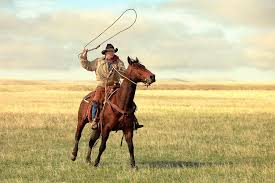
Cattle drives and ranching were year-round jobs for who?
Buffalo Soldiers
Farmers
Indians
Cowboys
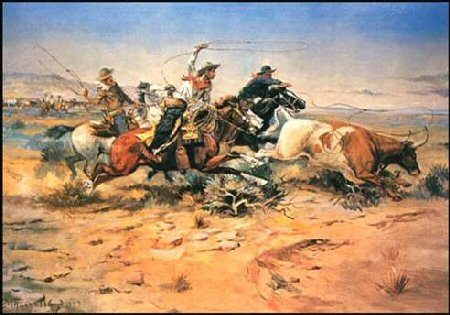
Bad weather, cattle rustlers, Indians, and stampedes are all causes of what?
Dangers on an oil rig
Dangers during the battle of the Alamo
Dangers on a Cattle Drive
Dangers of farming
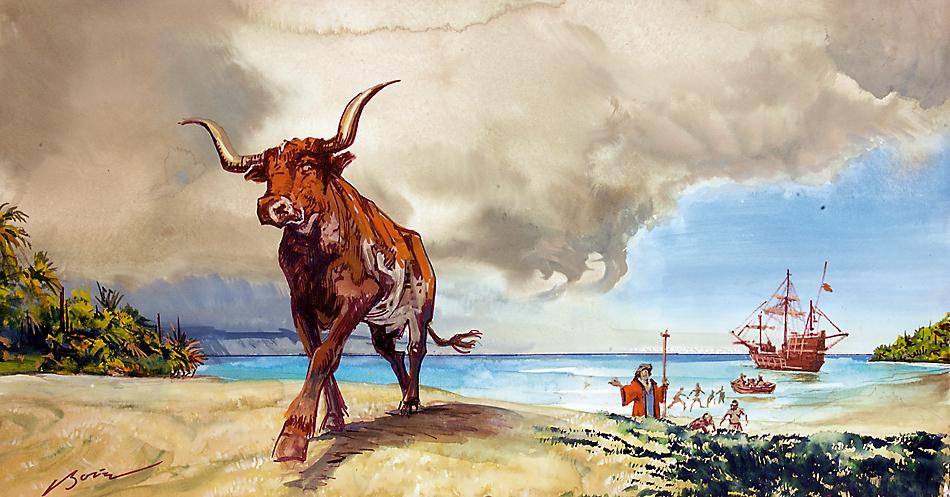
Which country brought cattle to Texas and the rest of the United States?
Spain
England
France
United States

There was a demand for what after the Civil War in the Northeastern United States
Sports Cars
Railroad
Beef

Who was forced out of West Texas to make room for cattle ranches?
Native Americans
Slaves
Mexicans

Which industry caused many people to move to West Texas?
Cattle
Seafood
Fishing

These were used to transport cattle to Railroads in the north
Cattle Drives
Cattle Trails
Cattle Paths

These people were responsible for driving cattle to railroads in the north
Cowboys
Wranglers
Rebels

These helped transport goods and cattle quickly from West Texas to all over the United States
Rail Roads
Roads
Rivers
What is the definition of open range?
the extreme limit of settled land which lies wilderness, especially referring to the western US
wire with clusters of short, sharp spikes along it, used to make fences
a large yard containing pens and sheds in which livestock is kept and sorted
a large area of grazing land without fences or other barriers

Texas cowboys originated from the practices of vaqueros from what country?
France
Germany
Spain
England

The Cattle Drive Era in Texas began because:
They were running out of land to grow cotton
The demand for beef rose in the East after the Civil War
The Confederacy needed to make money after losing the Civil War
There were very few other resources for them to make money on

What Was the purpose of a brand?
Decoration
To show the price of cattle
To help them gain weight
To identify the owner of a cow

The purpose of the cattle drives were to:
Get the cattle to railroads further north
To exercise the cattle, creating leaner meat
To get them to port cities to sell them overseas
To find more grazing land

The places in the Midwest that held the cattle before they were put on the railroads (end of drive) were:
Fattening Farms
Slaughter Houses
Stockyards
Feed Yards

The Cattle Industry grew after the Civil War because:
Railroads came to Texas.
The demand for beef increased in the North.
Pork and Chicken were over priced.
The South won and wanted to promote its business.

What made Texas perfect for raising cattle?
Proximity to Mexico
Lush prairies for feeding cattle
Abundance of Native Americans to help on ranches
Cotton didn't make much money

What was the largest ranch in Texas during the Cattle Drive Era?
XIT Ranch
Wallace Ranch
Hidden Valley Ranch
King Ranch

All of the following were Cattle trails that led out of Texas EXCEPT:
Goodnight-Loving
Chisolm
Shawnee
Dodge City

Which of the following was NOT a job on the cattle drive?
Scout
Seeker
Flank
Drag

What was the name of the wagon that carried the food and supplies of a cattle drive called?
Grub-buggy
Cook's Wagon
Supply Cart
Chuckwagon

What is your favorite class?
ILA
Math
Texas History (This is the right answer)
Science


