
 Worksheets
Molecular Genetics - Check for Understanding 1
Total questions: 12
Worksheet time: 9mins
Name
Class
Date
1.
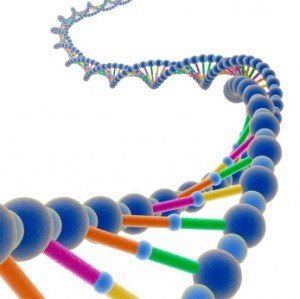
Which of the following best describes a DNA molecule?
a)
double helix
b)
contains ribose
c)
made of amino acids
d)
contains Uracil
2.
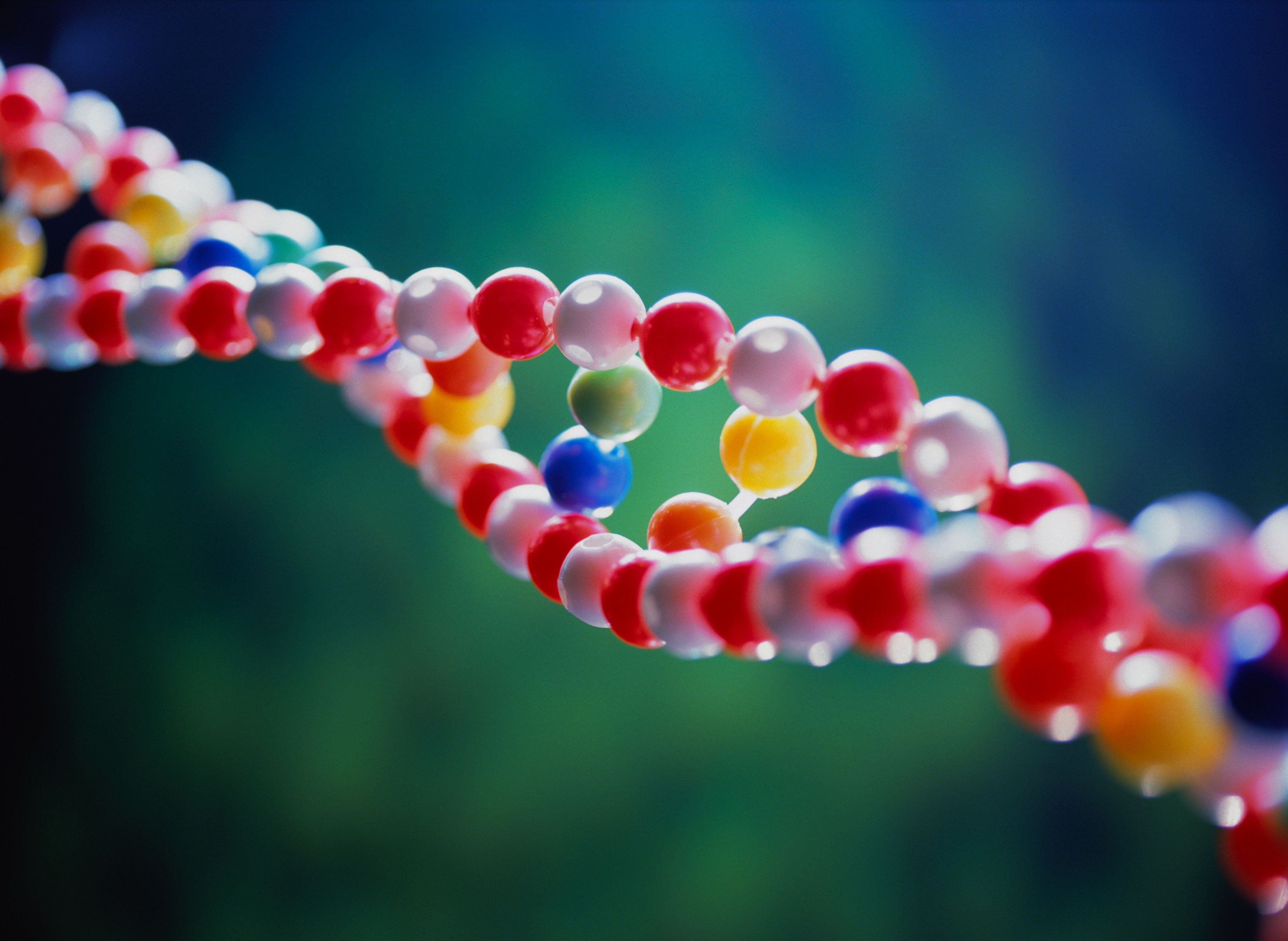
Why is DNA important?
a)
it is very small and very complicated
b)
it's in everything
c)
it serves as the blueprint for traits of all living things
d)
because we eat it every day for energy
3.
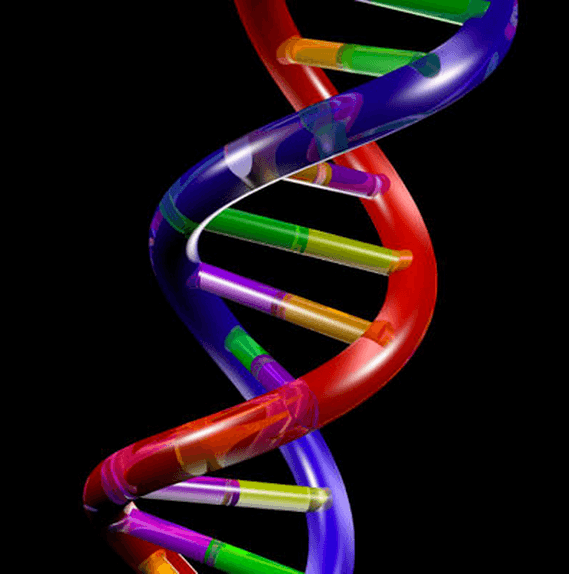
What determines the code, or information, of a DNA molecule?
a)
the shape (structure) of the nitrogen bases
b)
the order (sequence) of the nitrogen bases
c)
the color of the nitrogen bases
d)
the frequency (number) of nitrogen bases
4.
Which 2 molecules form the sides (backbone) of the DNA ladder?
a)
deoxyribose sugar and adenine
b)
deoxyribose sugar and a hydrogen bond
c)
deoxyribose sugar and the nucleus
d)
deoxyribose sugar and phosphate
5.
Which sentence is FALSE?
a)
All organisms have 23 pairs of DNA.
b)
Chromosomes are made of genes.
c)
DNA is made out of 4 chemicals: adenine, cytosine, thymine, guanine
d)
DNA is the recipe for life.
6.

What is a Gene?
a)
A segment of RNA that encodes for a protein
b)
A chromosome
c)
A segment of DNA that encodes for a protein
d)
Your genome
7.
A mutation causes a change in a _______ which causes a change in the ________ structure.
a)
Cell; Gene
b)
Gene; Protein
c)
Chromosome; DNA
d)
Amino Acid; Gene
8.
In Sickle Cell, a change in the cell causes a change in the protein.
a)
True.
b)
False.
9.
What are strands of DNA that are twisted together called?
a)
Chromosomes
b)
Genes
c)
Alleles
d)
Phosphide pairs
10.
Humans have how many chromosomes in their somatic cells?
a)
2
b)
23
c)
46
d)
44
11.
The part of a chromosome that carries information for a certain trait is called a
a)
DNA
b)
gene
c)
allele
d)
nucleotide
12.
Which sentence is FALSE?
a)
Humans have 23 pairs of DNA.
b)
Humans have 46 total chromosomes.
c)
Genes are made of chromosomes.
d)
Every human's DNA is at least 99% similar.
100 %

