
 Worksheets
Water Test Review
Total questions: 32
Worksheet time: 38mins
Name
Class
Date
1.

Water freezes at what temperature ?
a)
0o F
b)
100o C
c)
32o C
d)
0o C
2.

Water boils at what temperature?
a)
132o F
b)
212o C
c)
100o C
d)
None of the above
3.

What two elements make up water?
a)
Helium and oxygen
b)
Hydrogen and oxygen
c)
helium and carbon
d)
oxygen and carbon
4.

What word describes when water is attracted to other substances?
a)
cohesion
b)
adhesion
c)
capillary action
d)
surface tension
5.
Which characteristic of water will allow a paperclip to remain floating on water when the paperclip is gently placed on top of the water?
a)
adhesion
b)
surface tension
c)
solvent properties
d)
nonpolar
6.

A molecule with electrically charged areas is called a _______________.
a)
magnet
b)
polar molecule
c)
solution
d)
electrical molecule
7.
Water's tendency to stick to itself is called...
a)
cohesion
b)
adhesion
c)
surface tension
d)
capillary action
8.
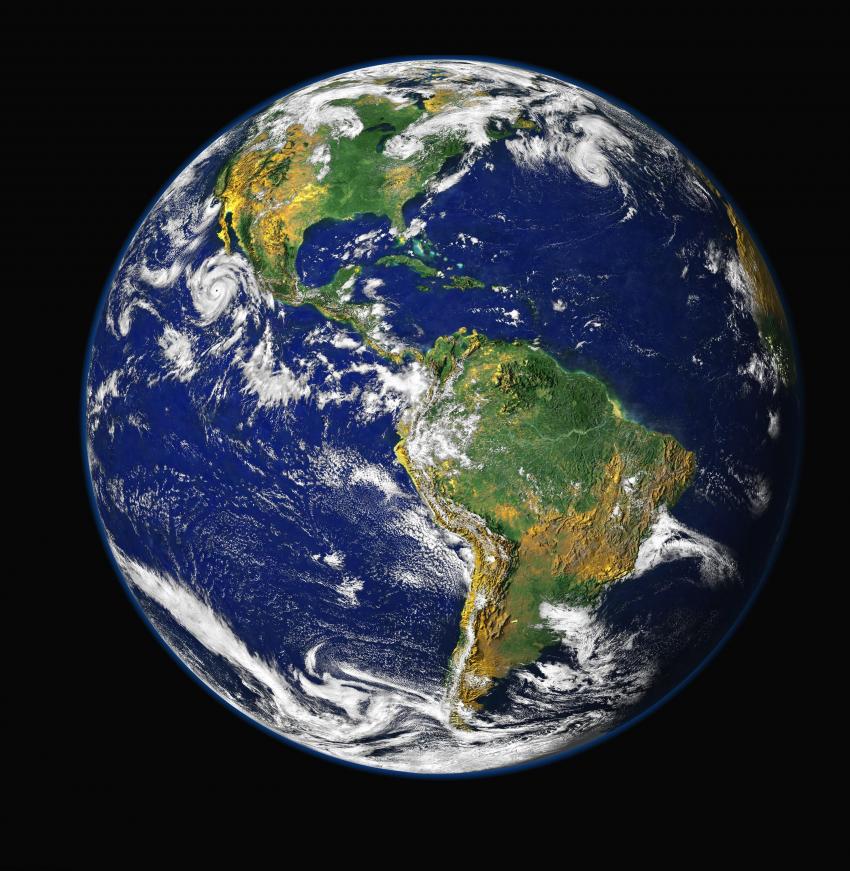
What property of water helps to moderate earth's temperature?
a)
adhesion
b)
chohesion
c)
Specific heat capacity
d)
Latent heat of vaporization
9.
The fact that ice floats on liquid water is due to the fact that water's solid is ___________ than it's liquid form
a)
less polar
b)
more polar
c)
less dense
d)
more dense
10.

Why does water move from the roots to the leaves of plants?
a)
Water is pushed by solutes
b)
Capillary action pulls the water molecules like a chain
c)
Water is pulled by gravity
d)
Water’s cohesion causes it to “pull” towards the leaves
11.

What property of water helps to moderate earth's temperature?
a)
adhesion
b)
chohesion
c)
Specific heat capacity
d)
Latent heat of vaporization
12.
What happens when my glass of water is sitting in the sun and disappears into a gas?
a)
evaporation
b)
burning
c)
melting
d)
freezing
13.
What term describes a liquid changing to a solid?
a)
Deposition
b)
Sublimation
c)
Evaporation
d)
Freezing
14.
The state of matter that has no definite size or shape is
a)
Solid
b)
Liquid
c)
Gas
15.
My glass of ice water is sitting in the sun and has droplets of water on the outside of the glass. What is happening?
a)
condensation
b)
evaporation
c)
melting
d)
freezing
16.
state of matter that spreads out to completely fill its container
a)
solid
b)
liquid
c)
gas
d)
water
17.
water in gas form (moisture in the air)
a)
water vapor
b)
oxygen
c)
ice
d)
rain
18.
when water vapor (a gas) is cooled and forms liquid water
a)
evaporation
b)
condensation
c)
precipitation
d)
collection
19.
rainfall that is not absorbed by the soil and runs along the ground to rivers, lakes, and oceans
a)
run-off
b)
water cycle
c)
evaporation
d)
liquid
20.
the passage of water vapor from a plant to the atmosphere
a)
transpiration
b)
precipitation
c)
evaporation
d)
condensation
21.

This photo shows water molecules in which state of matter?
a)
Gas
b)
Liquid
c)
Solid
22.

This photo shows water molecules in which state of matter?
a)
Liquid
b)
Solid
c)
Gas
23.

Which state of matter is described in the picture?
a)
Solid
b)
Liquid
c)
Gas
24.

This is what heats up the water to start the water cycle.
a)
sun
b)
moon
c)
stars
d)
Mars
25.
Areas that are near the ocean have
a)
mild climate (small range in temperatures)
b)
extreme climates (large range in temperatures)
26.
Areas that are near the ocean have mild climates because
a)
Water heats and cool slower than land
b)
Water heats and cools faster than land
27.

Latitude influences
a)
temperature
b)
precipitation
28.
The natural chemical or physical processes that breaks down rock on Earth's surface.
a)
weathering
b)
erosion
c)
deposition
d)
jackhammering
29.
This type of weathering occurs when rock is physically broken down into smaller pieces of rock.
a)
mechanical weathering
b)
chemical weathering
c)
erosion weathering
d)
deposition
30.
This type of weathering occurs when rocks weaken then break down due to chemical changes in the composition of the rock.
a)
mechanical weathering
b)
chemical weathering
c)
erosion weathering
d)
deposition
31.

These rocks were broken apart from the continuous freeze/thaw of water in the cracks of the rocks. This is an example of:
a)
ice wedging
b)
acid rain
c)
permeability
d)
abrasion
32.
Potholes forming in the road after a cold winter is an example of:
a)
mechanical weathering
b)
chemical weathering
100 %

