
 Worksheets
The Ultimate Quiz
Total questions: 89
Worksheet time: 1hrs 7mins
Name
Class
Date
1.
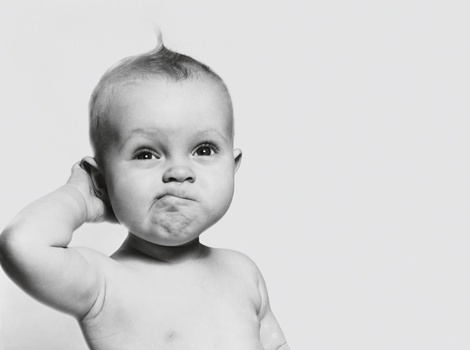
Without gravity we would________.
a)
Float away
b)
Stay in the ground
c)
Nothing would happen.
d)
I don't know
2.
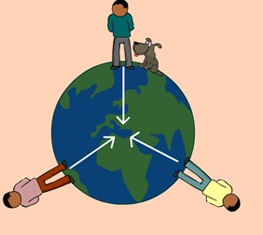
What is gravity?
a)
A force
b)
Energy
c)
A push
d)
All of them
3.

Which object has a GREATER force of gravity?
a)
Ball
b)
Earth
4.
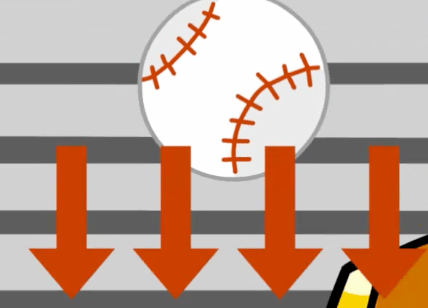
Why a ball falls to the ground?
a)
Earth's force of gravity is GREATER than the ball's, so the ball gets attracted to the ground.
b)
Earth's force of gravity is LESS than the ball's, so the ball gets attracted to the ground.
5.
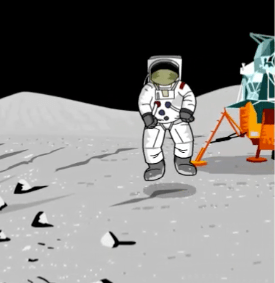
Why can astronauts jump and float a little on the Moon?
a)
Because the Moon's gravity is NOT that STRONG.
b)
Because the Moon's gravity is VERY STRONG.
6.
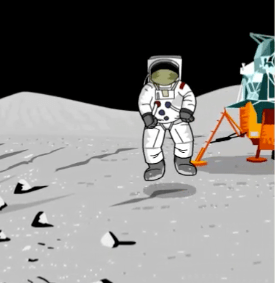
Do astronauts float away on the moon?
a)
No, because Moon's gravity pulls them down.
b)
Yes, they float and can't even walk!
7.
Gravity is a _______.
a)
force that pulls everything DOWN
b)
force that pulls objects together
c)
BOTH answers
d)
None of them.
8.
Gravity attracts all objects towards one another.
a)
False
b)
True
9.
________ hold all of the planets in orbit around the sun.
a)
gravity
b)
string
c)
Bill Nye
d)
duct tape
10.
________ hold all of the planets in orbit around the sun.
a)
gravity
b)
string
c)
Bill Nye
d)
duct tape
11.
Any object with mass has gravity.
a)
True
b)
Sometimes
c)
False
d)
Never
12.

What is a mixture?
a)
pennies
b)
2 or more different things combined
c)
different size rocks
d)
marbles
13.
Each of these objects is an example of what?house, desk, pencil, car
a)
metal
b)
wood
c)
plastic
d)
matter
14.

What are the three states of matter?
a)
gas, liquid, mass
b)
solid, liquid, gas
c)
mass, solid, magnet
d)
gas, temperature, solids
15.

Which tool would be used to measure the mass of an object?
a)
balance
b)
graduated cylinder
c)
meter stick
d)
magnet
16.

What is the temperature on this thermometer?
a)
42 degress
b)
44 degrees
c)
40 degrees
d)
50 degrees
17.
An example of a physical property wold be?
a)
rust
b)
world war 1
c)
change of state
d)
Asia
18.
Definition of Physical property
a)
properties are those that can be observed without changing the identity of the substance
b)
Properties that describe how a substance changes into a completely different substance
19.
Definition of Physical property
a)
properties are those that can be observed without changing the identity of the substance
b)
Properties that describe how a substance changes into a completely different substance
20.
A description of objects that can be measured and observed.
a)
gas
b)
mustangs
c)
physical properties
d)
melting point
21.
Which tool would be used to measure the mass of an object?
a)
balance
b)
graduated cylinder
c)
meter stick
d)
spring scale
22.

Anything that has mass and takes up space is called
a)
float
b)
matter
c)
magnetism
d)
physical property
23.

When paper is folded to make an origami bookmark, what physical property of the paper changes?
a)
mass
b)
weight
c)
shape
d)
smell
24.

What happens when chocolate is left in a hot car?
a)
it melts
b)
it changes shape
c)
it changes from a solid to a liquid
d)
all of the above
25.

How something looks and feels is _____________________.
a)
color
b)
physical property
c)
texture
d)
temperature
26.

What happens when water is heated?
a)
it will freeze
b)
it will evaporate
c)
it will turn into a solid
d)
it will melt
27.

What do we call an object that has a definite shape?
a)
water
b)
gas
c)
liquid
d)
solid
28.

What happens to water when you take away heat?
a)
it stays the same
b)
it freezes
c)
it evaporates
d)
it gets warm
29.

What happened to change the state of the butter?
a)
heat was added
b)
it got cold
c)
heat was taken away
d)
nothing happened
30.

How can heat cause a change?
a)
it can make a solid change to a liquid
b)
it can make a liquid change to a gas
c)
it can make things melt
d)
all of the above
31.
Fill in the blank:
The law of conservation of mass states that matter cannot be created nor __________________.
The law of conservation of mass states that matter cannot be created nor __________________.
a)
destroyed
b)
rearranged
c)
transferred
d)
changed
32.
Bob puts 100 grams of ice into a pitcher with 900 grams of water. He gets distracted and comes back later to find that the ice has melted in the water. How many grams of water does Bob now have in the pitcher?
a)
200 g
b)
700 g
c)
1,000 g
33.
Jason poured 500 grams of water into a container and tightly sealed it. The water was allowed to freeze. Which is most likely true about the ice that formed?
a)
The mass of the ice is the same as the mass of the water.
b)
The mass of the ice is greater than the mass of the water.
c)
The ice formed is a different substance than the water.
d)
The ice formed is the same temperature as the water.
34.
Rodney tears a piece of paper weighing 1 oz into small pieces. What most likelyhappens to the weight of the sheet of paper after Rodney tears it into pieces?
a)
The
b)
The weight is cut in half.
c)
The weight stays the same.
35.
Gravity can pull through...
a)
water
b)
solid
c)
air
d)
all of them
36.
Gravity is a
a)
push
b)
pull
37.
Helium is a special gas that when filled in a balloon it will...
a)
continue to fly up in the sky
b)
be pulled down
38.
Gravity pulls objects to...
a)
the sky
b)
the center of the earth
39.

Samuel goes down a slide. What kind of force is this?
a)
Push
b)
Pull
c)
Gravity
d)
Balance
40.
Which of these things move because of gravity?
a)
A ball falling
b)
A kite flying
c)
A door opening
41.

What pulls things down to the ground?
a)
environment
b)
gravity
c)
matter
42.

The force that only pulls objects is
a)
Matter
b)
Push
c)
Gravity
d)
Energy
43.
Are all things on earth affected by gravity?
a)
Yes
b)
No
44.
If you throw a ball up, what will happen to it?
a)
It will fly away.
b)
It will fall to the ground.
45.
If you hold a book over your head and let it go, what would happen to it?
a)
It would fall on your head.
b)
It would stay in the air.
46.

What is happening to the apple?
a)
It is floating in space.
b)
Gravity is pulling it to the ground.
47.
If there was no gravity on earth, people would
a)
go swimming
b)
go hiking
c)
dance
d)
float
48.
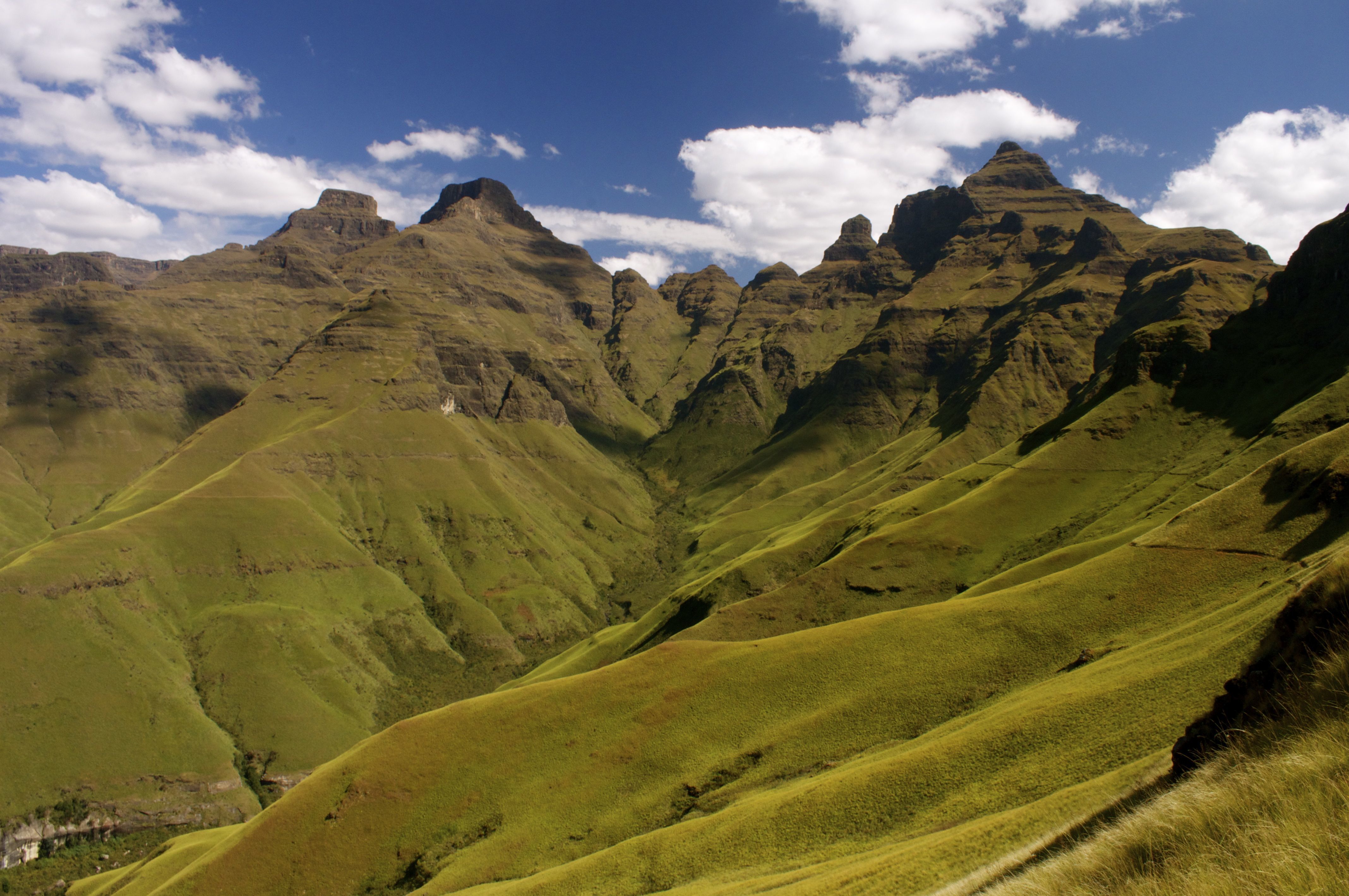
This sphere includes the continents, the ocean floor, all the rocks on the surface, and all of the sand in the deserts.
a)
Hydrosphere
b)
Biosphere
c)
Atmosphere
d)
Geosphere
49.

Composed of all the water on or near the earth
a)
Hydrosphere
b)
Biosphere
c)
Atmosphere
d)
Geosphere
50.
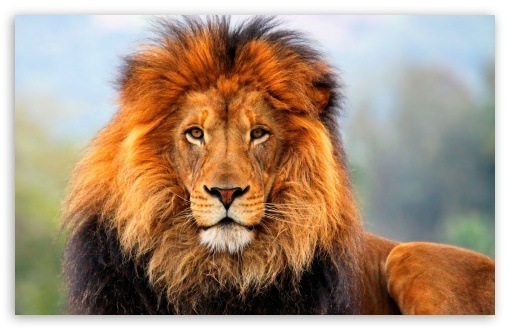
This sphere is composed of all the living things
a)
Hydrosphere
b)
Biosphere
c)
Atmosphere
d)
Geosphere
51.

Body of air surrounding our planet.
a)
Hydrosphere
b)
Biosphere
c)
Atmosphere
d)
Geosphere
52.
Water evaporating from the surface of a lake moves from the...
a)
Atmosphere to the geosphere
b)
Geosphere to the hydrosphere
c)
Hydrosphere to the atmosphere
d)
Atmosphere to the hydrosphere
53.
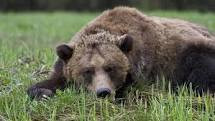
When living things breathe, they interact with which of Earth's spheres?
a)
Geosphere
b)
Hydrosphere
c)
Atmosphere
d)
Biosphere
54.
Oceans, rivers, lakes, and the moisture in the air are all part of which of Earth's spheres?
a)
Hydrosphere
b)
Biosphere
c)
Atmosphere
d)
Geosphere
55.

When a plants takes carbon dioxide from the air which two spheres are interacting?
a)
Biosphere and atmosphere
b)
Geosphere and atmosphere
c)
Hydrosphere and atmosphere
d)
Atmosphere and atmosphere
56.
When plants draw nutrients from the soil, the interaction is between which two spheres?
a)
The atmosphere and the geosphere
b)
The geosphere and the hydrosphere
c)
The hydrosphere and atmosphere
d)
The biosphere and the geosphere
57.
The hydrosphere includes
a)
water
b)
ice
c)
dogs
d)
lava
58.
The hydrosphere interacts with the biosphere by providing __________ to life.
a)
nutrients
b)
water
c)
soil
d)
lightning
59.
All of the following are examples of the biosphere except
a)
plants
b)
animals
c)
bacteria
d)
air
60.
Fire would most affect the
a)
geosphere
b)
atmosphere
c)
cryosphere
d)
hydroshpere
61.
The cryosphere includes all but
a)
ice
b)
snow
c)
liquid water
d)
permafrost
62.

This is part of the....
a)
Geosphere
b)
Hydrosphere
c)
Biosphere
d)
Cryosphere
63.

What sphere does a volcano belong too?
a)
Atmosphere
b)
Cryosphere
c)
Geosphere
d)
Hydrosphere
64.

What sphere does the earths core belong too?
a)
Hydrosphere
b)
Biosphere
c)
Geosphere
d)
Atmosphere
65.
Which of these answers describes Earth’s atmosphere?
a)
all living and once-living things
b)
the mixture of gases that surrounds Earth
c)
a mixture of nickel and iron below the mantle
d)
all the salt and fresh liquid water on Earth’s surface
66.
Which of followings is an example of the Biosphere?
a)
Desks
b)
Clouds
c)
River water
d)
Grass
67.
Which of followings is NOT an example of Hydrosphere?
a)
Ocean water
b)
Clouds
c)
Underground water
d)
None of the above
68.
About how much of Earth's water is fresh water?
a)
97%
b)
15%
c)
3%
d)
75%
69.
How much of the atmosphere is oxygen gas?
a)
78%
b)
21%
c)
1%
d)
98%
70.
Where is most of Earth's water found?
a)
rivers
b)
oceans
c)
glaciers
d)
groundwater
71.
What do you call an animal that is hunted by another animal?
a)
prey
b)
predator
c)
producer
d)
herbivore
72.
Some animals have bright colors to warn other animals to stay away (because of toxins or harmful effects). This is called...?
a)
camouflage
b)
instinct
c)
mimicry
d)
warning coloration
73.
The way an animal behaves in a group in order to survive is called...?
a)
hibernation
b)
social interaction
c)
herding
d)
population
74.
What do you call an animal that only eats other animals?
a)
herbivore
b)
prey
c)
predator
d)
carnivore
75.
What do you call an animal that eats both plants and other animals?
a)
vegetarian
b)
herbivore
c)
omnivore
d)
carnivore
76.
A bird's nest gets blown out of a tree during a strong storm. How will the bird adapt?
a)
It will build a new nest.
b)
It will die.
c)
It will migrate.
d)
It will hibernate
77.
Which animal would hibernate to survive throughout the winter months?
a)
bear
b)
deer
c)
bird
d)
wolf
78.
Any physical structure (body part or covering) or behavior that helps an animal survive:
a)
habitat
b)
instinct
c)
fur
d)
adaptation
79.
Which animal would migrate to survive throughout the winter months?
a)
bear
b)
deer
c)
bird
d)
wolf
80.
An animal that only eats plants is called a ...?
a)
predator
b)
carnivore
c)
omnivore
d)
herbivore
81.
A wasp beetle has the same body markings as a wasp. this helps the wasp beetle because predators think it's a wasp. This adaptation is called...?
a)
behavior
b)
countershading
c)
camouflage
d)
mimicry
82.
Lions often hide in the tall grass while stalking their prey. This is an example of how __________ helps them to survive.
a)
camouflage
b)
warning coloring
c)
mimicry
d)
hibernation
83.
Animals that are herbivores usually have...?
a)
sharp teeth for tearing
b)
no teeth
c)
flat teeth for grinding
d)
pointed teeth for stabbing
84.
Which answer is an adaptation of a bat?
a)
It has sharp claws for catching prey.
b)
It has a singer to catch prey.
c)
It uses sound waves (echolocation) to catch prey.
d)
It uses its wings to knock down prey.
85.
A behavior an animal is born knowing how to do is called a(an)...?
a)
instinct
b)
learned behavior
c)
camouflage
d)
body covering
86.
A poisonous frog has bright markings on its body. This is an example of...?
a)
camouflage
b)
mimicry
c)
warning coloration
d)
social interaction
87.
Which example below is an behavioral adaptation?
a)
A seal's layer of blubber keeps it warm.
b)
A pack of worlves case a moose.
c)
A cheetah's spots make it hard to see.
d)
A turtle's shell protects it from predators.
88.
Why does a skunk have a bright white stripe down its back?
a)
The stripe provides camouflage.
b)
The stripe contains poison.
c)
I helps blend in with the snow.
d)
It warns predators that it is harmful in some way.
89.
Which example below is a physical adaptation?
a)
Young lions play together.
b)
Zebras form a herd and watch for predators.
c)
A bird builds a nest.
d)
A deer has flat teeth for chewing plants.
100 %