
 Worksheets
Ecosystems
Total questions: 45
Worksheet time: 46mins
Temperature, sunlight, oxygen, water, and soil are all _______ parts of an ecosystem
alive
biotic
abiotic
living
A living or once-living organism in an ecosystem is a
population
biotic factor
abiotic factor
community
A producer is
an organism that eats food for energy
an organism that is able to survive without energy
an organism that eats only meat
an organism that makes its own food for itself and consumers
Identify all 3 of the producers
mushroom
berry bush
rabbit
fern
algae

Select all the key ingredients a producer needs in order to go through photosynthesis
oxygen
carbon dioxide
sunlight
dirt
water
A consumer is....
an organism that breaks down dead plant and animal matter
an organism that eats other living things for energy
an organism that makes its own food
a model that shows energy transfer within an ecosystem
Identify which organism is a consumer
tree
ant
soil
mushroom
Whose role in the ecosystem is to break down dead/decaying plant and animal matter to put nutrients back into the soil?
producers
consumers
decomposers
top consumers
Which example is NOT a decomposer
mushroom/fungi
mold
bacteria
ladybug
earthworm

I have all sharp teeth and only eat meat, I am a
herbivore
carnivore
omnivore
terrivore

I have all flat teeth and only eat plants, I am a
carnivore
detrivore
omnivore
herbivore

I have both sharp and flat teeth and I eat both plants and animals, I am a
omnivore
carnivore
herbivore
sarcivore

giraffe
omnivore
herbivore
carnivore

lion
omnivore
herbivore
carnivore

raccoon
omnivore
herbivore
carnivore
The main source of energy for all life on Earth comes from
producers
the soil
the sun
water
Sunflower--->Mouse--->Snake--->Owl--->Fungi
Select two (2) answers that describe the mouse in the food chain.
omnivore
producer
herbivore
secondary consumer
primary consumer

What trophic level is the snake?
secondary consumer (SC)
producer (P)
top consumer (TC)
primary consumer (PC)
tertiary consumer (3C)

What do the arrows in a food chain/web represent?
the direction in which the organisms are traveling
the flow of energy among organisms in an ecosystem
who has more organisms in an ecosystem
the flow of carbon dioxide as it is passed through an ecosystem

What happens to the amount of energy as you move up trophic levels in the energy pyramid?
energy stays the same
energy increases
energy decreases

Who is prey to the frog?
Mouse
Snake
Owl
Grasshopper
Who is the predator of the mouse?
Rabbit
Snake
Fox
Grasshopper

Identify the three (3) primary consumers in the food web
grasshopper
frog
dragonfly
butterfly
fruit fly

Identify the three (3) secondary consumers in the food web
Python
Rat
Corn
Frog
Dragonfly

Identify the omnivore in the food web
Rabbit
Owl
Mice
Birds

Where does the owl get its energy from?
Mice and birds
Rabbit and fox
Grasshoppers and mice
Grasses and birds


symbiotic relationship in which one organisms benefits and the other organism is not affected
invasive (non-native) species
mutualism
parasitism
commensalism


A symbiotic relationship where one organism benefits and the other is harmed
Mutualism
Commensalism
Parasitism
Symbiosis

A relationship in which one species, the predator, feeds on the other species, the prey
symbiosis
predation
photosynthesis
commensalism

A relationship where two organisms compete with one another for a limited resource such as food, shelter, water, mating and sunlight.
parasitism
predation
competition
mutualism

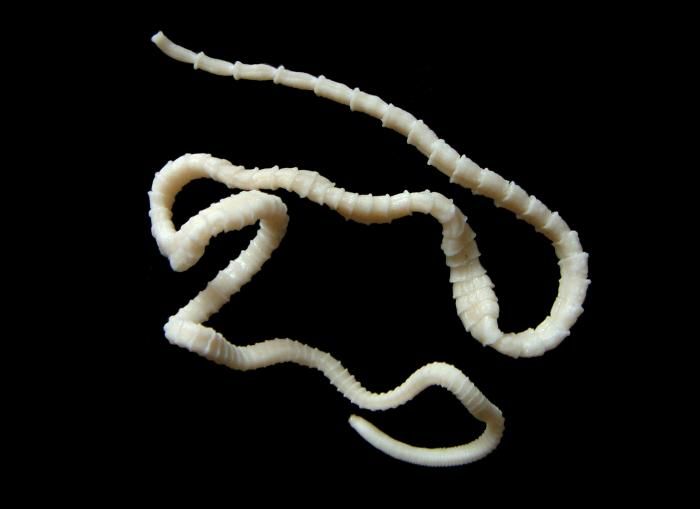
A tapeworm feeds on the blood and intestines of a cat harming the cats health
mutualism
parasitism
commensalism
competition
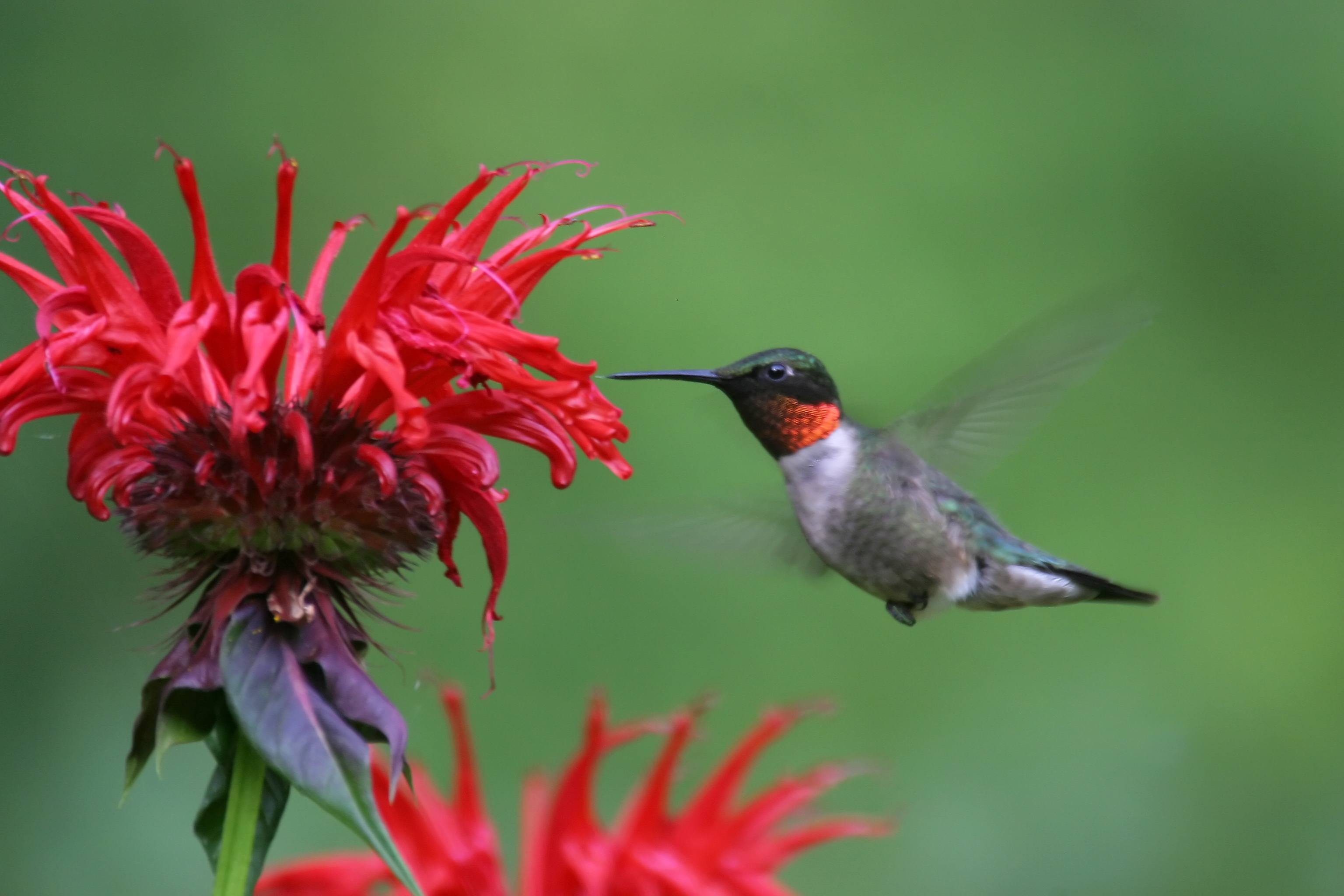
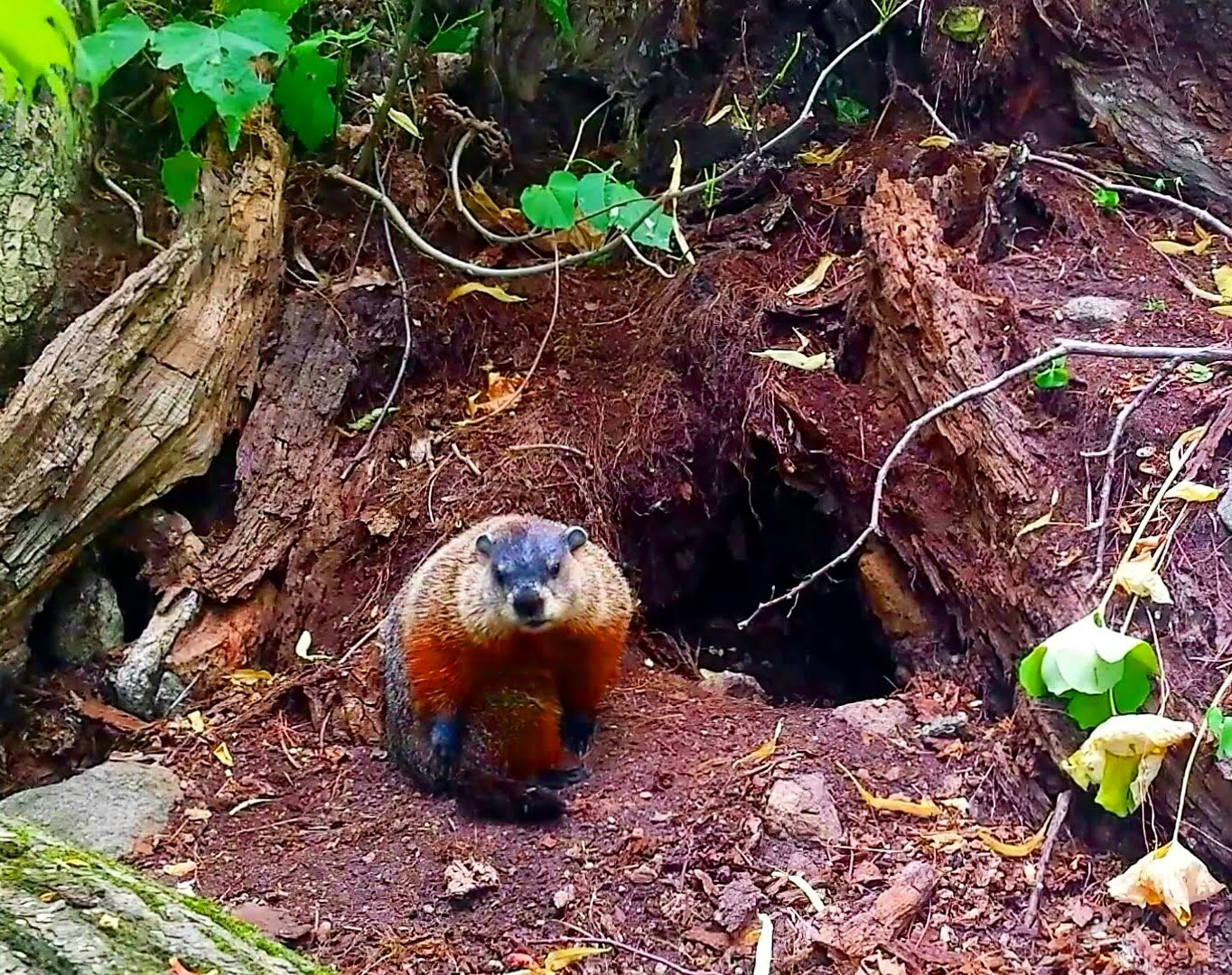
What type of symbiosis? Skunks often live in burrows that have been dug and abandoned by woodchucks. The woodchucks moved on to a new home and aren't bothered by the skunks
commensalism
mutualism
parasitism
predation
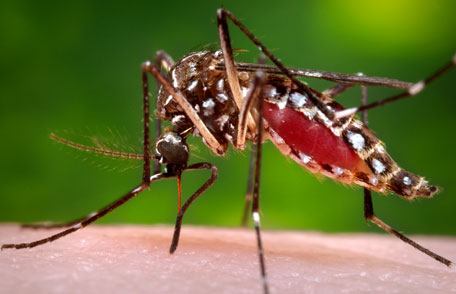
A species that is not native to an area and causes harm to an ecosystem is called:
Native Species
Natural Species
Invasive Species
Symbiotic Species


If a poisonous invasive species was introduced to the forest ecosystem and began killing off the frog population, what effect would this have on your food web?
grasshoppers would decrease
birds would increase
grasshoppers and caterpillars would increaase
snakes, owls and hawks would increase

