
 Worksheets
Plants and Body Systems
Total questions: 15
Worksheet time: 9mins
Name
Class
Date
1.
Which of the following statements best describes xylem's function in the plant?
a)
transpports water and minerals up from the roots to the rest of the plant
b)
transports food down from the leaves to the rest of the plant
c)
transports water and minerals down from the roots to the rest of the plant
d)
transports food up from the leaves to the rest of the plant
2.
Which of the following statements best describes phloem's function in the plant?
a)
transpports water and minerals up from the roots to the rest of the plant
b)
transports food down from the leaves to the rest of the plant
c)
transports water and minerals down from the roots to the rest of the plant
d)
transports food up from the leaves to the rest of the plant
3.
What is the male part of the flower?
a)
Petals
b)
Stamen
c)
Pistil
d)
Sepals
4.
What is the female part of the flower?
a)
Petals
b)
Stamen
c)
Pistil
d)
Sepals
5.
What are the openings on the underside of leaves that let carbon dioxide into the leaf and let oxygen out?
a)
Chloroplasts
b)
Stomata
c)
Stomach
d)
Cuticle
6.
In which type of growth response does the plant grow toward a light source?
a)
Phototropism
b)
Heliotropism
c)
Geotropism
d)
Hydrotropism
7.
In which type of growth response does the plant grow in response to gravity?
a)
Hydrotropism
b)
Phototropism
c)
Geotropism
d)
Thigmotropism
8.
In which type of growth response does the plant's roots grow toward a water source?
a)
Hydrotropism
b)
Phototropism
c)
Heliotropism
d)
Thigmotropism
9.
The main purpose of the ____________ system is to break food particles into pieces that can be used.
a)
circulatory
b)
respiratory
c)
digestive
d)
skeletal
10.
When tissues come together, they form ___________.
a)
cells
b)
atoms
c)
organs
d)
systems
11.
The __________ is the main organ of the nervous system.
a)
heart
b)
lungs
c)
brain
d)
skin
12.
Which of the following body systems work together for support, protection, and movement?
a)
respiratory and cardiovascular
b)
skeletal and muscular
c)
skeletal and integumentary
d)
digestive and respiratory
13.
Which of the following shows the levels of organization of an organism from LEAST to MOST complex.
a)
cells-tissues-systems-organs
b)
organs-cells-systems-tissues
c)
systems-organs-tissues-cells
d)
cells-tissues-organs-systems
14.
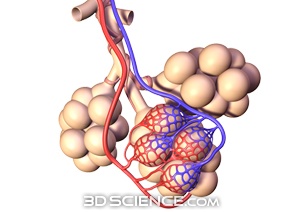
When you breathe, your lungs take in ___ and remove ___.
a)
air/oxygen
b)
oxygen/carbon dioxide
c)
carbon dioxide/waste
d)
waste/air
15.

What body system consists of the kidneys?
a)
Circulatory
b)
Excretory
c)
Digestive
d)
Muscular
100 %

