
Font size
 Worksheets
Seedless Vascular Plants
Total questions: 15
Worksheet time: 9mins
Seedless vascular plants reproduce by...
Seeds
Spores
Pollen
Rhyzoid
Select all plant groups that are seedless vascular.
mosses
horsetails
hornworts
club mosses
ferns
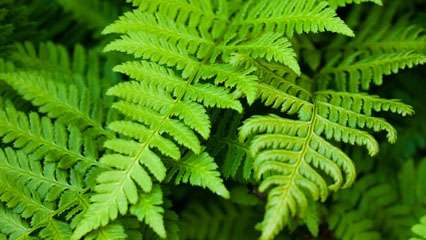
This is a...
fern
liverwort
hornwort
club moss
horsetail
Seedless vascular plants transport materials from cell to cell.
True
False
Ferns produce spores in specialized structures called ______________.
fruiting bodies
seeds
spore cases
capsules
Seedless vascular plants have real roots, stems and leaves.
True
False
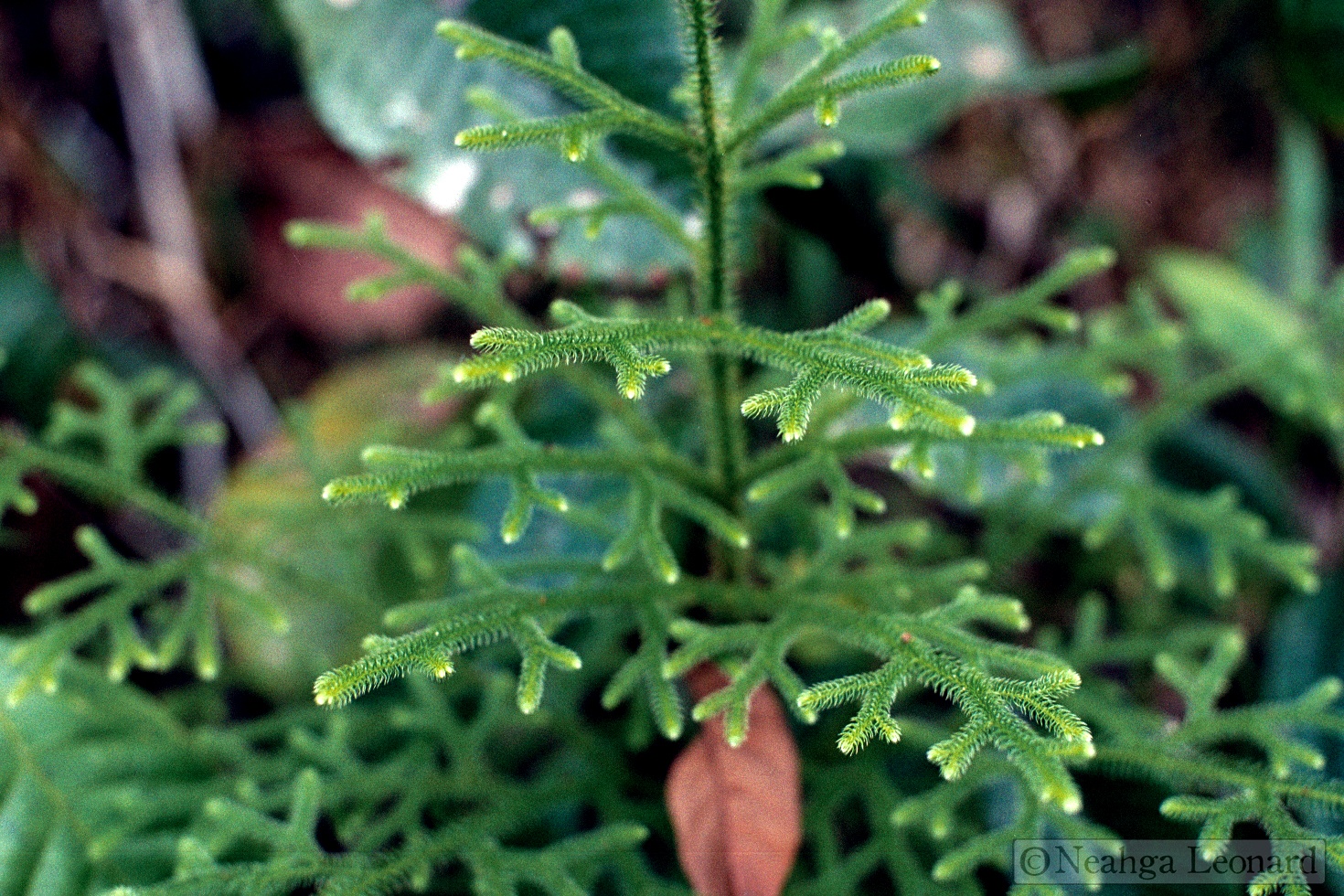
This is a...
fern
liverwort
hornwort
club moss
horsetail
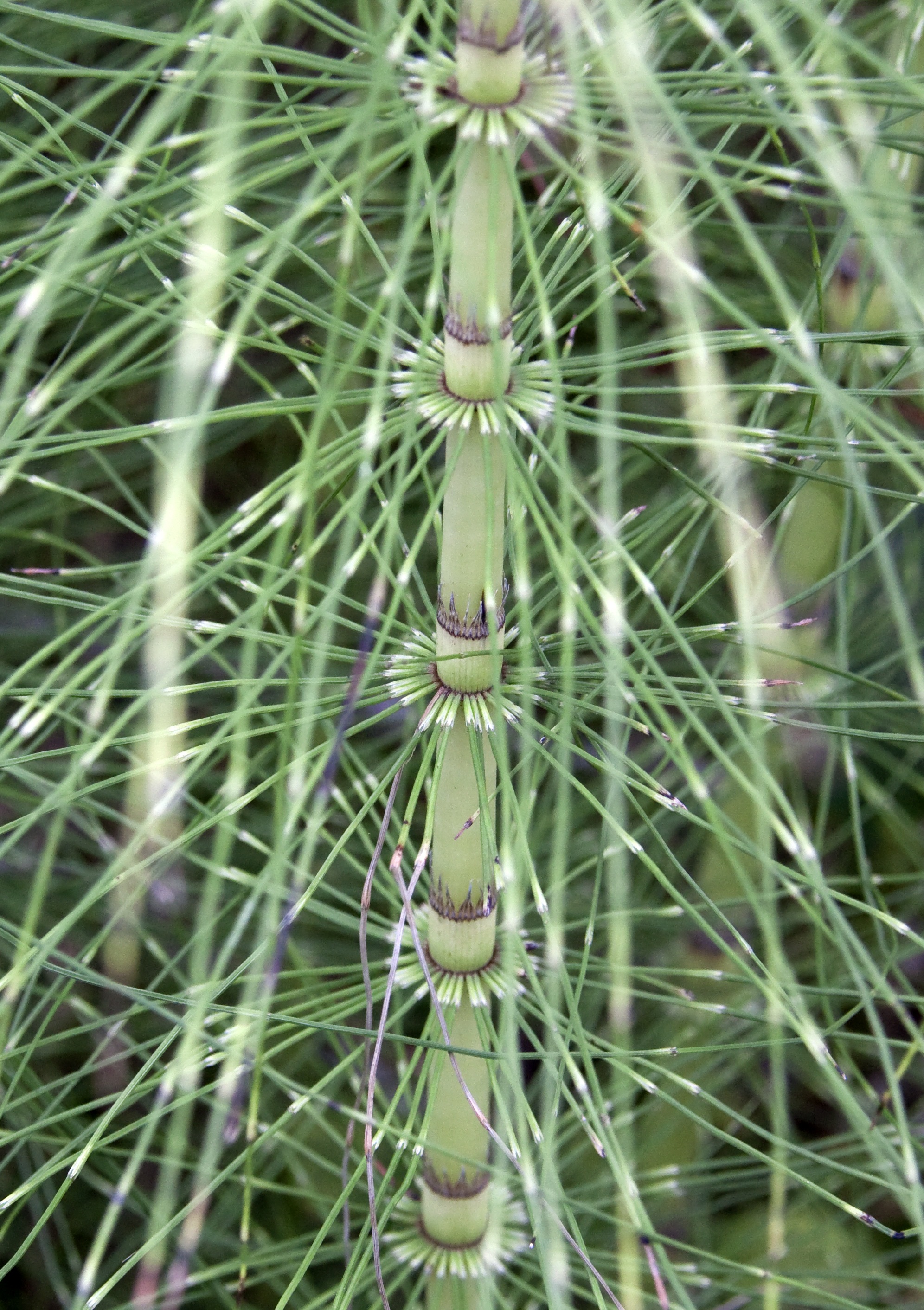
This is a...
fern
liverwort
hornwort
club moss
horsetail
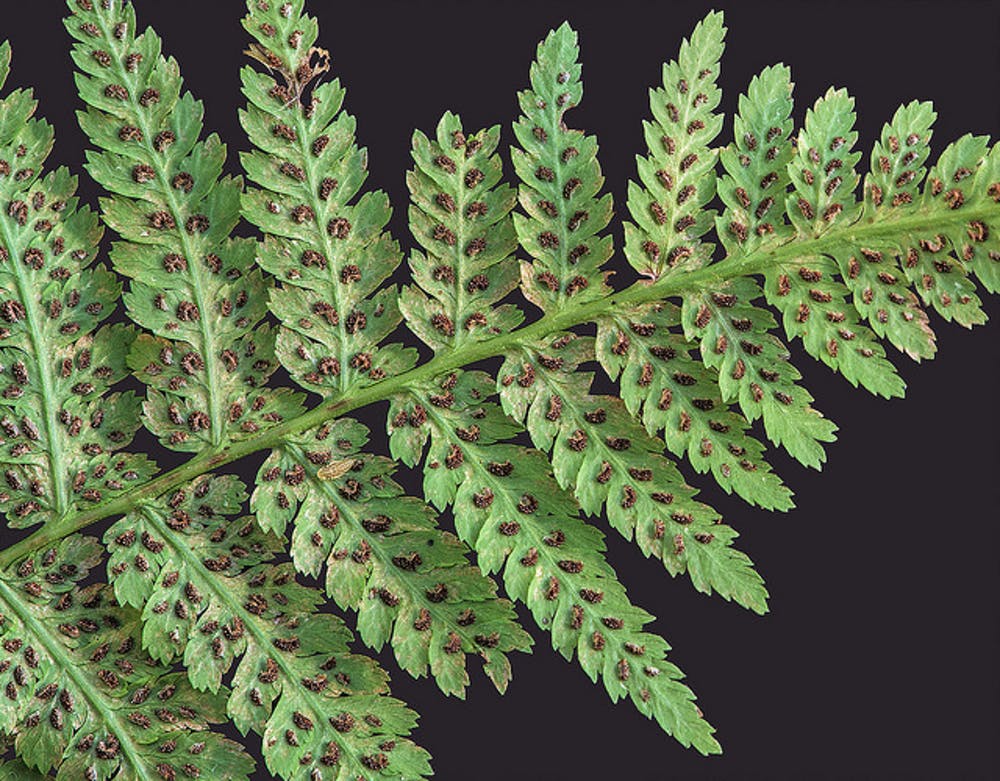
How do we call the brown spots you can see on the fern plant?
Spore seeds
Spore cases
Seed cases
Pollen cases
Spore cases of ferns are located on the underside of fronds.
True
False
Why do seedless vascular plants need moist surroundings to survive?
Because they transport materials slowly.
Because they do not have real roots.
Because they reproduce by spores.
Because they do not have cuticle.
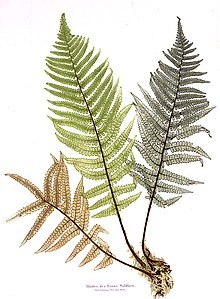
How many fronds can you see on the image?
1
2
3
4
Which of the following plants grows mostly near streams or in moist woodlands?
Club moss
Moss
Liverwort
Hornwort
Water lilly
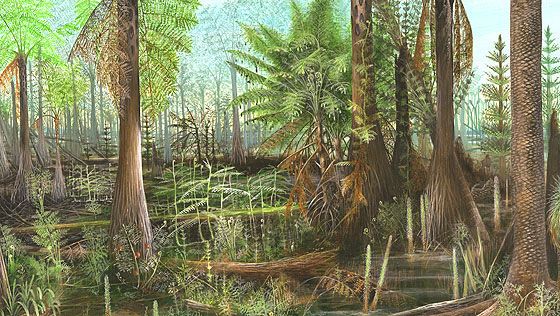
First forest like the one on the picture, appeared...
about 150 thousand years ago.
about 3.1 billion years ago.
more than 1.7 billion years ago.
about 350 million years ago.
In a first forest like the one on the picture, you could find...
mosses, liverworts and hornworts.
grasses, bushes and trees.
ferns, club mosses and horsetails.
daisies, dandelions, and oaks.
pines, spruces and ivies.

