
 Worksheets
EMS Caring for Respiratory Emergencies
Total questions: 67
Worksheet time: 37mins
Which are not considered adventitious breath sounds
Clear bilaterally
rhonchi
wheezing
crackles
The nurse is assessing the client diagnosed with COPD which data is required for immediate intervention
Large amounts of thick white sputum
Oxygen flowmeter is set up on 8L
Usse the acessory muscles during inspiration
Presence of a barrel chest and dyspnea
When arriving on scene of a person being stuck by lightning you find they are unresponsive, not breathing, and does not have a pulse. You should:
assess them for skin burns
immediately attach the AED
begin one-rescuer CPR
You are assessing a man who complains of dizziness, lightheadedness, and nausea after working many hours in the sun. The ambient temp is 100 F. You move him to a cooler spot and assess him.
give him a bunch of cool water
monitor his ABC's and arrange for transport to the hospital
rapidly cool him down by applying ice packs to his groin region
tell him to go home and rest
An unrestrained passenger is thrown 20′ (6 m) from a car that hit an embankment. On admittance to the emergency department, the client is conscious; his vital signs are blood pressure, 90/60 mm Hg; pulse, 130 beats/minute with weak radial pulses; and respirations, 26 breaths/minute and shallow. Capillary refill is delayed. The lungs are clear bilaterally with diminished breath sounds on the right. Paradoxical chest movement is noted on the right side. Arterial blood gas analysis shows increased pH, decreased PaCO2, and diminished PaO2. A chest X-ray shows a right pneumothorax and multiple rib fractures on the right (4th to 7th). The client’s skin is pale and cool, and he’s confused and restless. What’s the most likely diagnosis for this client?
Tension pneumothorax
Flail chest
Ruptured diaphragm
Massive hemothorax
When assessing for adequate breathing in a patient it is standard practice to look for
pneumonia, agonal respirations, wheezing, retractions
cyanosis, nausea, numbness, angina
rate, rhythm, quality
rate, auscultation, stridor, pneumothorax
Asthma generally produces ______ sounds and are often auscultated in the ________.
rhonchi, lower airway
wheezing and Chyene Stokes, lower airway
wheezing, lower airway
wheezing, upper airway
Which patient would require the most aggressive airway interventions:
A 6 month old infant who is breathing at 16 breaths per minute, has a pulse of 76, and is lethargic. While all these patients require supplemental oxygen only the infant falls outside the range of what is considered normal and would require assisted ventilations. Be sure to take into account a patient's age when assessing breathing. What falls within the normal range for an adult, is not considered normal for children and infants. Normal breathing ranges for an infant are 30
A 7 year old girl who is breathing at 16 breaths per minute, has a pulse of 76, and is sleepy.
A 75 year old man with COPD who is breathing at 18 breaths per minute, has a pulse of 76, has an audible wheeze and reports that his portable oxygen tank has just ran out.
50 breath per minute. Normal pulse for an infant is 80

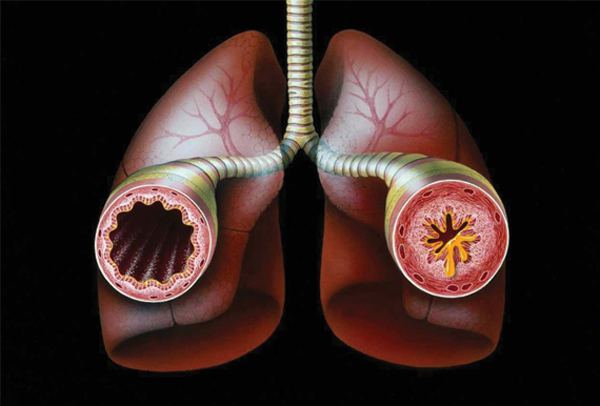



Emphysema
specific area that is drained by a stream
negatively charged electrons
Lung disease in which the avioli lose elasticity
chemical reaction in which heat energy is absorbed

