
NEW
Font size
S
M
L
XL
 Worksheets
Supreme Court Decisions
Total questions: 16
Worksheet time: 19mins
Name
Class
Date
1.
Legalized Segregation by stating Separate but Equal is constitutional; 14 amendment only required equal access to facilities, not the same facilities
a)
Plessy v. Ferguson
b)
Swann v. Charlotte-MeckSchools
c)
Brown v. TopekaBoard of Ed
d)
Morse v. Fredrick
2.
Slaves were property, not citizens. Therefore Slaves have No rights. This overturned Missouri Compromise.
a)
Dred Scott v. Sanford
b)
Plessy v. Ferguson
c)
Engel v. Vitale
d)
In Re Gault
3.
Implied Powers of Congress, Supremacy Clause; National Bank is constitutional (necessary) and States cannot interfere (Supremacy) with or tax National gov’t.
a)
McCulloch v. Maryland
b)
Korematsu v. United States
c)
Heart of Atlanta Motel v.United States
d)
Reynolds v. Sims
4.
National Government controls interstate trade. Was decided that New York State could not give monopolies to Steam Boat operators on the Hudson River
a)
Gibbons v. Ogden
b)
McCulloch v. Maryland
c)
Furman v. Georgia
d)
Texas v. Johnson
5.
Rights may be denied during times of crisis—“emergency and peril” Used the Necessary and Proper Clause to restrict rights of citizens in internment camps
a)
Engel v. Vitale
b)
Ishikawa v. Texas
c)
Korematsu v. United States
d)
Kobayashi v. Eisenhower
6.
Separate but Equal doctrine was not Constiutional because separate facilities were not always equal in public schools
a)
Swann v. Charlotte-MeckSchools
b)
Leandro v. State
c)
Hazelwood School District v. Kuhlmeier
d)
Brown v. Board of Ed
7.
Prayer in schools is an official approval of religion, violating the Establishment Clause of the 1st Amendment
a)
Engel v. Vitale
b)
Mapp v. Ohio
c)
Reynolds v. Sims
d)
n Re Gault
8.
Defendants have the right to council in all criminal cases. If the defendant cannot afford an attorney the will be appointed one by the state.
a)
Furman v. Georgia
b)
Gregg v. Georgia
c)
Gideon v. Wainwright
d)
Miranda v. Arizona
9.
upon a suspects arrest, police must inform the accused of their 5th and 6th amendment protections of the Right to remain silent and their right to a attorney
a)
Gideon v. Wainwright
b)
In Re Gault
c)
Mapp v. Ohio
d)
Miranda v. Arizona
10.
Legalized a woman's right to choose to have an abortion under certain guidlines
a)
Brown v. TopekaBoard of Ed
b)
Roe v. Wade
c)
Reynolds v. Sims
d)
Gregg v. Georgia
11.
Case that decided that the Presidents power of Executive Privilege was not absolute
a)
United States v. Nixon
b)
Bush v. Gore
c)
Marbury v. Madison
d)
United States v. Clinton
12.
Colleges can’t use race as the only determining factor in admissions; Quotas violate Civil Rights Act and 14th Amendment
a)
Bethel Schools v. Frasier
b)
Hazelwood School District v. Kuhlmeier
c)
Regents of Californiav. Bakke
d)
Brown v. the Board of Ed would allow forced busing to force integration. Summary: Fed. District Courts could order school districts to force busing to de-segregate
13.
What was the significance of the U.S. Supreme Court decision in Marbury v. Madison (1803)?
a)
It defined the scope of Congressional power to regulate interstate commerce.
b)
It limited the power of the President to veto acts of Congress.
c)
It placed restrictions on Congressional power under the "elastic" clause of the U.S. Constitution.
d)
It established the right of the U.S. Supreme Court to declare a law unconstitutional.
14.
A U.S. Supreme Court case held in 1832 that established that the Cherokee Indians inhabiting territory in Georgia had sovereign powers
a)
Marbury v Madison
b)
McCullough v Maryland
c)
Rowe v Wade
d)
Worcester v. Georgia
15.
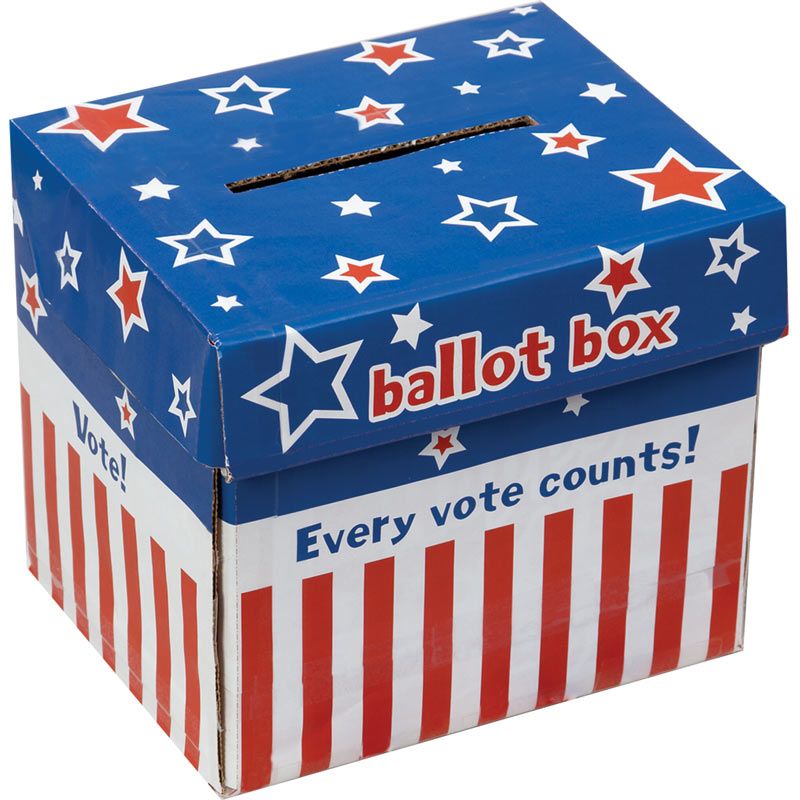
Determined the FL Supreme Court could not order a recount of ballots.
a)
Marbury v. Madison
b)
Bush v. Gore
c)
U.S. v. Nixon
d)
Hazelwood v. Kuhlmeier
16.
What Supreme Court Case limited speech in wartime? That is, you can't tell men not to report when drafted, because it creates a "clear and present" danger?
a)
Roe
b)
Schenck
c)
Griswold
d)
Miranda
Reset

