
 Worksheets
Unit 1 & 2
Total questions: 99
Worksheet time: 50mins
Name
Class
Date
1.

What type of expansion slot is this?
a)
PCI-X
b)
SLI
c)
PCIe
d)
PCI
2.

What type of expansion slot is this?
a)
PCI-X
b)
PCIex1
c)
PCI
d)
PCIex16
3.

What type of expansion slot is this?
a)
PCIex16
b)
PCI-X
c)
PCI
d)
AGP
4.

What connects to this?
a)
Power button
b)
Front panel connection
c)
Fan
d)
Hard Drive
5.

This collection of pin connectors is known as?
a)
Back panel connections
b)
CPU socket
c)
Front panel connectors
d)
USB connection
6.
Which of the following is NOT typically on a front panel connection?
a)
Power button
b)
Video connector
c)
HDD activity light
d)
Reset button
7.

What connects to this block of pins with a missing corner pin?
a)
Front panel connector
b)
Secondary Power
c)
SATA
d)
USB
8.

This larger set of pins with a missing corner pin is an upgraded or newer version of the ___ connector.
a)
Front panel
b)
PCI
c)
USB
d)
Back panel
9.

What plugs into these slots with latches on both ends?
a)
PCI
b)
RAM
c)
PCI Express
d)
Hard Drive
10.
Which of the following is a standard number of pins on a motherboards ATX Power connection?
a)
24
b)
18
c)
6
d)
32
11.
A Secondary or CPU power connection on the motherboard can have 8 pins?
a)
True
b)
False
12.
Together the Northbridge and Southbridge are called the?
a)
Chipset
b)
BIOS
c)
CMOS
d)
Bridges
13.

This type of connection is called?
a)
IDE
b)
PATA
c)
SATA
d)
ATX
14.

This part of the motherboard is the ____ Battery
a)
BIOS
b)
SATA
c)
CMOS
d)
CIOS
15.
Which of the following is smaller than a Mini-ITX form factor?
a)
Pico-ITX
b)
Micro-ATX
c)
ATX-E
d)
ATX
16.
If a motherboard fan connection has 4 pins instead of 3, what does that allow?
a)
temperature monitoring
b)
fan speed control
c)
error reporting
d)
electric fault protection
17.
What is the name of the data connection commonly used for hard drives and optical drives?
a)
RAID
b)
ATX
c)
RAM
d)
SATA
18.
How many individual one directional lanes connect a PCIex16 slot?
a)
8
b)
16
c)
24
d)
32
19.
PCI and PCI-X communicate over this type of bus architecture
a)
Parallel
b)
Serial
c)
Express
d)
Dual
20.
PCIe communicates over this type of bus architecture.
a)
Serial
b)
Express
c)
Parallel
d)
Not this one
21.
Which of these expansion slots has the fastest transfer rates?
a)
PCIex8
b)
PCI-X
c)
PCI
d)
PCIex1
22.
The most common RAM slots on consumer motherboards today are
a)
DROM
b)
DIMM
c)
SSD
d)
CMOS
23.

Before SATA which stands for Serial-ATA, we used a data connection that used Parallel ATA technology now called PATA. What was the common name for this type of connection?
a)
DVI
b)
pre-SATA
c)
IDE
d)
SO-DIMM
24.
Before USB was common the keyboard and mouse were connected with their own dedicated circular plugs called.
a)
PS/2
b)
SCSI
c)
VGA
d)
I/O
25.
PCIex16 is commonly used for video cards now, but this was a previous type of expansion port which held video cards for household PC's in the past.
a)
AGP
b)
PCI-X
c)
DVI
d)
Coax
26.
The notches on an expansion slot are often physical indicators of:
a)
The possible power requirements of that card
b)
The possible transfer speeds of that card
c)
The upgrade potential of that card
d)
The expected heat output of that card
27.
This is the standard motherboard form factor for most gaming machines due to its room for expansion and RAM.
a)
Mini-ITX
b)
ATX
c)
Micro-ATX
d)
SCSI
28.
This term is used for computer cases that are about half the width of a normal computer, often used for computers that sit on top of desks to take up less space.
a)
Small Width
b)
Tower
c)
Mini
d)
Slim Form Factor
29.
The I in ITX form factor stands for:
a)
Integrated
b)
Intense
c)
Internal
d)
Intrepid
30.
ATX stands for:
a)
Advent Technology External
b)
Advanced Technology External
c)
Advanced Technology Extended
d)
Allied Technology Extended
31.
A Desktop case refers to a PC that:
a)
Will be on top of a desk
b)
Will run cables through preset holes on a desk
c)
Will lay flat on a desk instead of standing upright
d)
Has a small desk area on top of it for holding papers
32.
A Nano-ITX motherboard is:
a)
Larger than a Mini-ITX
b)
Larger than a Micro-ATX
c)
Smaller than a Mini-ITX
d)
Smaller than Pico-ITX
33.
The primary ATX power connection on a motherboard is either
a)
20 or 24 pin
b)
4 or 8 pin
c)
16 or 20 pin
d)
18 or 24 pin
34.
The Secondary ATX power or the CPU power connection on a motherboard is either
a)
6 or 8 pin
b)
4 or 8 pin
c)
4 or 6 pin
d)
6 or 10 pin
35.
The connection on a motherboard for holding the CPU is called the
a)
Sink
b)
Socket
c)
Chipset
d)
Plug
36.
This part of the chipset controls communication between all the peripheral connections, expansion ports, and plugs, and the other part of the chipset.
a)
CMOS
b)
BIOS
c)
Southbridge
d)
Northbridge
37.
DIMM stands for ____ Inline Memory Module
a)
Direct
b)
Distance
c)
Driver
d)
Dual
38.
Most RAM slots on motherboards today are dual channel, which means.
a)
Information can be written to both RAM sticks in the matching dual channel at the same time
b)
Information can be written to and read from the RAM at the same time
c)
Information can be written at twice the speed of regular RAM
d)
The slots will only accept DDR2 RAM
39.
When talking about CPU connections, ZIF stands for
a)
Zero Inert Force
b)
Zero Insertion Face
c)
Zero Inverse Force
d)
Zero Insertion Force
40.
When talking about CPU's the term LGA stands for
a)
Laser Grid Array
b)
Land Grid Array
c)
Laser Graph Array
d)
Land Graph Array
41.
How many pins does DDR2 RAM have?
a)
184
b)
200
c)
240
d)
256
42.
What is the term for the most common type of Laptop RAM?
a)
SO-DIMM
b)
Mini-DDR
c)
DIMM
d)
Micro-RAM
43.
As a standard, the comparison between ATX and ITX can be described this way:
a)
ATX is very generic, and can be built for a variety of purposes, while ITX is built with a specific purpose in mind due to limited or no expansion
b)
ITX are built with compatability in mind, ATX are built to only work with other ATX compatable parts
c)
ITX is very generic, and can be built for a variety of purposes, while ATX is built with a specific purpose in mind due to limited or no expansion
d)
ATX are built around air flow and cooling considerations, while ITX are built around consideration for future options
44.
In computer architecture, a bus is:
a)
the delay before the transfer of data begins following the instructions for the transfer to happen
b)
a measurement of the transmission capacity of a network or system
c)
a communication system that transfers data between components inside a computer
d)
how external ports like the back panel are connected onto the motherboard
45.
Which of the following is not one of the three primary ways to cool PC components?
a)
Liquid-Cooling
b)
Heatsinks
c)
Fans
d)
Thermal Paste
46.
ALL heatsinks are deliberately made to have:
a)
Areas to mount fans
b)
High surface area
c)
Internal water reserves
d)
Water blocks
47.
Passive cooling is
a)
When no active components, fans or pumps, are used to cool the system
b)
When you only use fans to continually flow air across the components
c)
When Thermal paste is applied directly to components
d)
When Liquid cooling is at its lowest setting for very slow water flow
48.

What is this a picture of?
a)
Heatsink
b)
Waterblock
c)
CPU Socket
d)
Primary power
49.

What is this a picture of?
a)
RAM
b)
CPU
c)
a Large Heatsink
d)
Water Block
50.
When comparing fans, the noise they make is measured in
a)
dB
b)
CFM
c)
NX
d)
PGA
51.
When comparing fans, the amount of air they move is measured in?
a)
NX
b)
ITX
c)
dBA
d)
CFM
52.
Which of the following is true about liquid cooling?
a)
More costly, but usually quieter, with extremely low temperatures
b)
Cheaper and with extremely low temperatures, but more risky
c)
More work, and more risky, but with low temperatures and lower cost
d)
Completely silent, with no fans or running parts
53.
Thermal paste is designed to
a)
add to liquid-cooling systems to lower temperatures of the running water
b)
lubricate fan parts for better airflow
c)
reduce heat by applying to the fins on heatsinks
d)
Fill in air gaps between components and heatsinks, increasing the ability to pass off heat
54.
Overclocking is
a)
deliberately configuring hardware to work at faster speeds than it is certified for by the manufactorer
b)
Sending more voltage to hardware than it is designed for to increase performance
c)
Making components run much hotter to increase speeds
d)
Liquid cooling components so they can perform better
55.
CPU's are connected to the motherboard at the:
a)
CPU ZIF
b)
CPU Plug
c)
CPU Socket
d)
CPU Slot
56.
PGA Stands for
a)
Pin Guest Array
b)
Pin Grand Array
c)
Pin Grid Array
d)
Pin Gas Array
57.
LGA Stands for:
a)
Last Guest Array
b)
Land Grid Array
c)
Laser Grid Array
d)
Land Guest Array
58.
On a LGA processor, the pins are located on?
a)
The CPU Socket
b)
The processor
c)
The GPU
d)
The Heatsink
59.
CPU Speeds are typically measured in
a)
GHz
b)
MHz
c)
TBs
d)
GBs
60.
The benefit of multiple cores on a CPU is that
a)
it allows parallel calculations to take place at the same time
b)
it increases the speed the CPU is able to handle single calculations
c)
it increases the bus speeds between CPU and RAM
d)
it allows the CPU to also hold graphics processing capabilities
61.
The memory cache on a CPU
a)
communicates with peripheral devices
b)
allows for virtualization
c)
is where the GPU calculations take place
d)
holds small pieces of data or results while the cores run calculations
62.
HTT stands for
a)
Hyperthreading Technology
b)
Hyper Technology Threading
c)
Hypno Technology Threading
d)
Hyper Threading Tests
63.
Virtualization support is managed by a management layer on the CPU called the
a)
management agent
b)
hardware manager
c)
Hypervisor
d)
Virtual Manager
64.
some of the major benefits of a 64 bit processor over a 32 bit processor are:
a)
64 bit processors allow for faster communication between CPU RAM and Northbridge by upgrading the bus architecture
b)
64 bit processors are capable of much more complex calculations by carrying much larger number sizes
c)
64 bit processors contain error detection and thermal monitoring
d)
64 bit processors enable the GPU to be integrated into the CPU
65.

What is this component called?
a)
Motherboard
b)
CPU
c)
PC Case
d)
Optical Drive
66.

What is this component called?
a)
Power Supply
b)
Video Card
c)
CPU
d)
Motherboard
67.

What is this component called?
a)
Power Supply Unit
b)
CPU
c)
PC Case
d)
NIC
68.

What is this component called?
a)
Motherboard
b)
CPU
c)
RAM
d)
Graphics card
69.
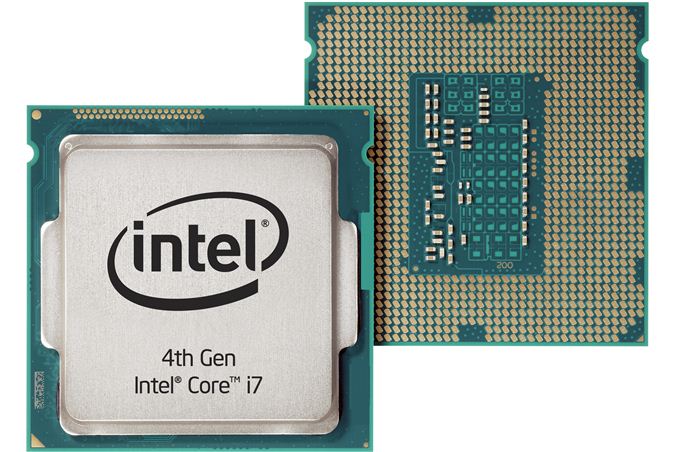
What is this component called?
a)
CPU
b)
RAM
c)
Video Card
d)
NIC
70.

What is this component called?
a)
Motherboard
b)
Hard drive
c)
Optical Disc Drive
d)
Video card
71.

What is this component called?
a)
Hard drive
b)
Optical Disc Drive
c)
Video card
d)
Power Supply Unit
72.
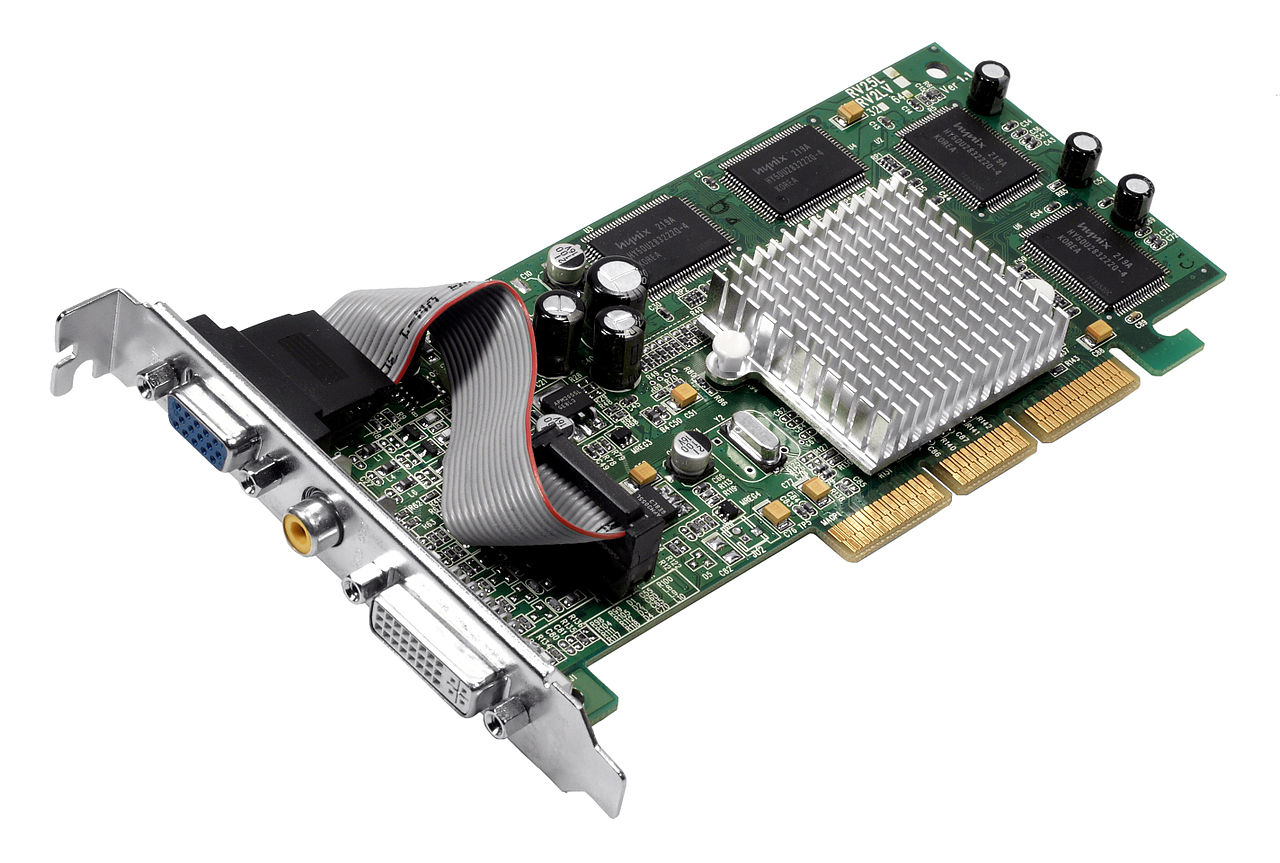
What is this component called?
a)
Motherboard
b)
NIC
c)
Sound card
d)
Video card
73.

What is this component called?
a)
Sound card
b)
Video card
c)
RAID Controller
d)
Motherboard
74.
This component is the foundation of a computer. It holds together and allows communication between most of the parts of a PC.
a)
Motherboard
b)
RAM
c)
NIC
d)
CPU
75.
This component is where most of the calculations take place. It is the brain of a computer.
a)
RAM
b)
CPU
c)
Motherboard
d)
NIC
76.
This component is where data is physically saved for long term storage.
a)
Motherboard
b)
CPU
c)
RAM
d)
Hard drive
77.
This component converts AC into low-voltage DC power for other parts of the computer.
a)
Power Supply Unit
b)
Graphics adapter
c)
CPU
d)
PC Case
78.
This component is the computers short term memory. Where data is stored for quick access and use by the rest of the computer.
a)
CPU
b)
RAM
c)
Hard drive
d)
Motherboard
79.
This component is an expansion card that adds graphical processing and gives additional video output connectors.
a)
Graphics card
b)
Motherboard
c)
NIC
d)
RAID
80.
This component is an expansion card that adds additional network ports.
a)
Sound Card
b)
Graphics card
c)
NIC
d)
Motherboard
81.
I/O stands for:
a)
Input / Output
b)
Inversion Options
c)
Indirect / Offer
d)
Industry / Out source
82.
Which of the following is an input device
a)
Mouse
b)
Speaker
c)
Monitor
d)
Printer
83.
When discussing power supplies, the term rail refers to:
a)
the circuitry that carries a specific voltage across the motherboard
b)
the mount that holds the power supply to the PC case
c)
the type of primary motherboard connector that the power supply has
d)
the main cable that connects the power supply to the wall
84.
Which of the following is NOT a voltage supplied by a SATA power connection
a)
12 volt
b)
3.3 volt
c)
10 volt
d)
5 volt
85.
Molex power has red, yellow and black cables, which of the following is NOT carried in a Molex connector
a)
Ground
b)
+5 volt
c)
+12 volt
d)
+3.3 volt
86.
The P2 connection is typically located
a)
next to the SATA connections
b)
next to the expansion slots
c)
next to the RAM slots
d)
next to the CPU socket
87.
The P2 connection carries an additional rail of ____ to the processor, and is also used to provide additional power for an integrated graphics card.
a)
3.3 volt
b)
5 volt
c)
10 volt
d)
12 volt
88.
Which of the following is NOT included on a P1 connection
a)
10 volt
b)
3.3 volt
c)
12 volt
d)
5 volt
89.
the 80Plus certification on power supplies is a certification of
a)
protection against power surges
b)
stability of the internal power provided by the power supply
c)
efficiency in the internal cooling of the power supply
d)
efficiency in converting AC power into DC power
90.

This is a picture of a
a)
SATA Power connection
b)
P2 Power connection
c)
PCIe Power connection
d)
Molex Power connection
91.

This is a picture of a
a)
Molex Power connection
b)
SATA Power connection
c)
P2 Power connection
d)
PCIe Power connection
92.

This is a picture of a
a)
Molex Power connection
b)
PCIe Power connection
c)
P1 Power connection
d)
SATA Power connection
93.

This is a picture of a
a)
P1 Power connection
b)
Molex Power connection
c)
SATA Power connection
d)
P2 Power connection
94.
A brownout is
a)
a prolonged period of a decrease in voltage
b)
a prolonged period of a complete power failure
c)
a decrease in voltage lasting only a few milliseconds
d)
an increase in voltage lasting only a few milliseconds
95.
The primary incident that surge protectors can protect against is
a)
prolonged power surges
b)
brownouts
c)
blackouts
d)
lightning strikes
96.
An MOV is a small device in a surge protector that
a)
acts like a line conditioner within the surge protector
b)
acts like a fuse, shorting at high voltage, but being destroyed in the process
c)
acts like a battery to keep power flowing during a blackout
d)
acts like a battery, not enough to run during a blackout, but to keep power clean during a brownout
97.
UPS Stands for
a)
Universal Power Stability
b)
Uninterruptible Power Stability
c)
Universal Power Supply
d)
Uninterruptible Power Supply
98.
Which of the follow IS a form of UPS design
a)
Online "Inline" UPS
b)
Frontline UPS
c)
Line-Defensive UPS
d)
Quick Switch UPS
99.
UPS devices are rated by ____
a)
VA
b)
dB
c)
CFM
d)
GHz
100 %

